China’s auto industry has entered the opening year of the "15th Five-Year Plan," with the core development focus shifting clearly from scale expansion to seeking structural growth within a stock market. According to analysis by Gasgoo Auto Institute, the central proposition for the domestic market in 2026 is "navigating the deep waters of stock market competition," achieving a critical leap from "selling volume" to "selling value."
Against this backdrop, a phenomenon seemingly at odds with macro demographic trends invites reflection. Despite the lack of significant growth in domestic families with three or more children, the Chinese auto market is witnessing a wave of high-end MPV launches. Notably, many brands previously absent from this segment have recently introduced or an…
China’s auto industry has entered the opening year of the "15th Five-Year Plan," with the core development focus shifting clearly from scale expansion to seeking structural growth within a stock market. According to analysis by Gasgoo Auto Institute, the central proposition for the domestic market in 2026 is "navigating the deep waters of stock market competition," achieving a critical leap from "selling volume" to "selling value."
Against this backdrop, a phenomenon seemingly at odds with macro demographic trends invites reflection. Despite the lack of significant growth in domestic families with three or more children, the Chinese auto market is witnessing a wave of high-end MPV launches. Notably, many brands previously absent from this segment have recently introduced or announced their own MPV products—from the Galaxy V900 and Leapmotor D99 to the Luxeed V9 and Arcfox’s MPV model. An increasing number of brands are making their moves in the MPV sector.
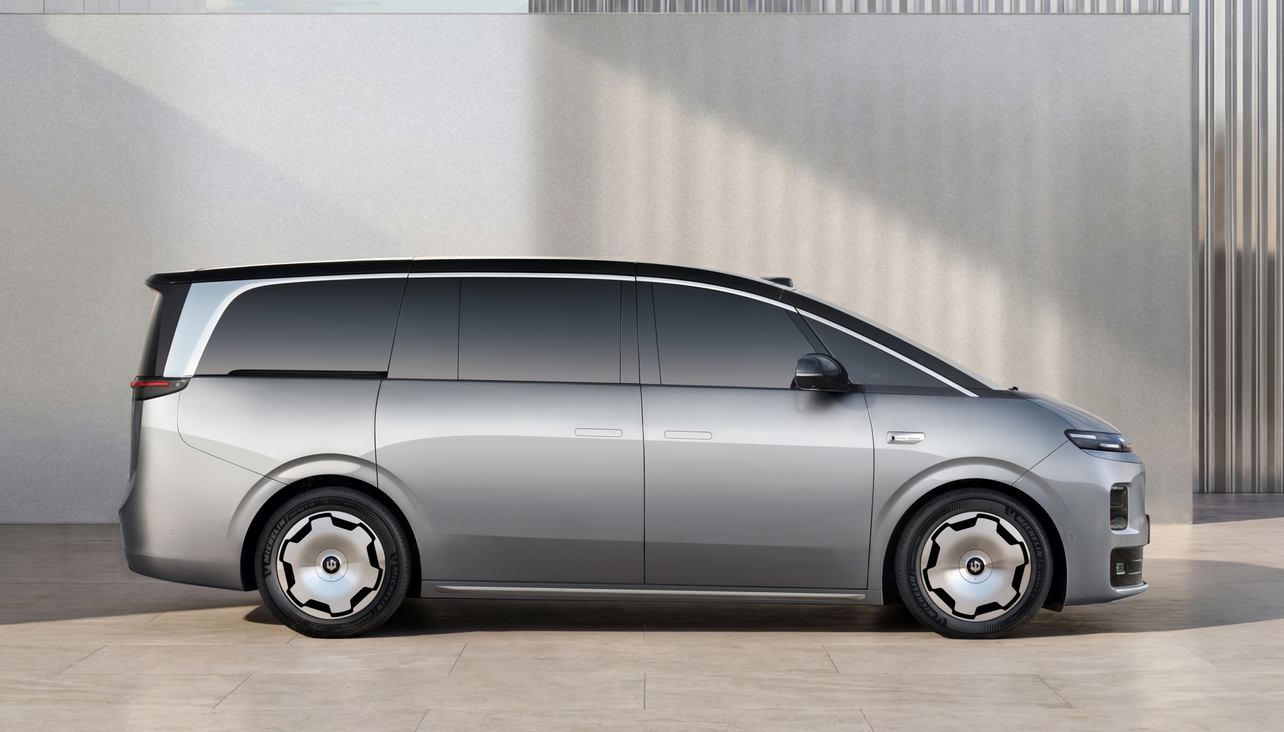
Leapmotor D99, Image source: Leapmotor
The actual scale and speed of growth in three-child families have not reached the explosive levels envisioned by early market forecasts. In recent years, constrained by complex factors such as economic costs, educational pressure, career development, and housing conditions, the total expansion of the "multi-child family" demographic has been relatively steady and gradual. This raises the question: Without a dramatic shift in the core demographic driver, why does the enthusiasm of Chinese automakers for MPVs—especially high-end models—continue to soar, even presenting a collective, strategic heavy deployment?
Beyond Demographics: The Revival of the MPV Market
Traditional automotive market analysis tends to establish direct causal relationships, such as linking the growth of the seven-seater market directly to an increase in multi-child families. While this perspective held explanatory power in past market environments, it is no longer sufficient to fully grasp the complex nature of the current MPV boom.
The traditional core value of MPVs lies in their excellent space utility and passenger-carrying capacity, making them a long-standing top choice for large families. However, the current wave of new-generation MPVs in the domestic market—characterized by high-end positioning, intelligence, and new energy—has shifted the driving force from a single demographic structure to a more multi-dimensional and robust support system. This system is composed of upgraded consumption concepts, evolving lifestyles, changing business forms, and a reconstructed technological foundation.
First is the shift in the center of gravity for consumption value within the family unit and a comprehensive upgrade in travel quality.
Even without significant changes in family size, Chinese families—especially middle-to-high-income households in first- and second-tier cities—have seen notable shifts in how they define and invest in quality of life. The trend of consumption upgrading has steadily permeated from luxury goods and overseas travel to the high-frequency scenario of daily commuting.
Core demands have evolved from the baseline functionality of accommodating everyone to a pursuit of improved ride quality for every member. Gasgoo Auto Institute believes that the popularization of the "all-member comfort" concept is a key reason for the gradual explosion of the domestic MPV market. Only-child families wish to provide a more spacious and enjoyable riding environment for their children and accompanying elders; dual-income families desire to shed the cramped feeling of compact products during weekend outings, aiming to make short trips themselves a high-quality scenario for relaxation and family bonding.
The physical attributes of MPVs—a flat and spacious cabin floor, flexible seating layouts, and actual third-row seating space and entry/exit convenience superior to most SUVs in the same class—make them naturally one of the best solutions for realizing this concept of all-member comfort.
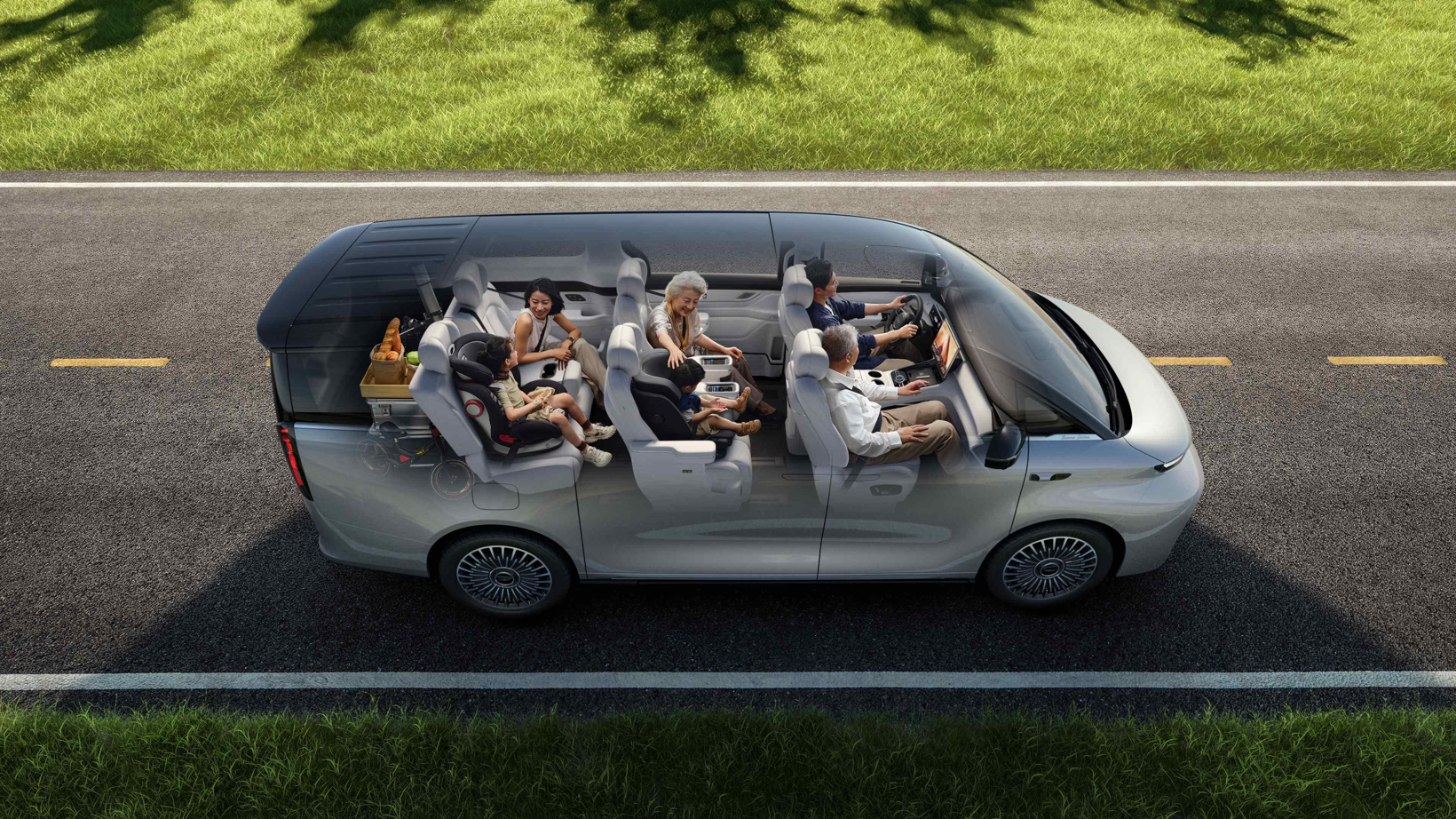
Image source: Geely Galaxy
The core of this demand is emotional and experiential, focusing on the sense of well-being during the journey. The target audience covers all users with higher pursuits for family quality of life, and the base of this user group is actually far larger than the narrow group of multi-child families.
Second is the diversification of lifestyles and the expansion of vehicle role definitions.
The life scenarios of contemporary urban Chinese families are becoming increasingly rich, and the single role of commuting tool can no longer meet user expectations. Short-haul suburb trips, camping, hiking, and other outdoor activities on weekends and holidays have become routine; traveling with pets is a common need; and luggage capacity is highly valued when visiting relatives and friends across cities. Automobile products are gradually evolving into a mobile life hub that integrates transportation, leisure, social interaction, and even light work functions.
The loading space and spatial flexibility of MPVs show significant advantages in this context. The product characteristics of MPVs can better fit the modern family’s pursuit of a balance between efficiency and experience, satisfying a pragmatic yet refined life philosophy where users desire a single asset to cover multiple scenarios. In other words, the rise in MPV appeal is essentially the result of a high-precision match between their product characteristics and emerging mainstream lifestyles.
The value upgrade in high-end business reception and personal business scenarios is also a key reason reshaping the core value of MPV products, and this demand constitutes a solid and profitable foundation for the MPV market, especially the mid-to-high-end segment.
Despite the rapid development of the digital economy, the importance of physical business activities, face-to-face communication, and team collaboration has not diminished; rather, in some fields, experience and image are emphasized even more due to intensified competition.
Vehicles used for important client reception, executive team travel, and event support have high requirements for reliability, ride comfort, and privacy. At the same time, with the expansion of the entrepreneurial population, the increase in freelancers, and the flexibility of work models, the demand for vehicles as mobile offices or personal business lounges is growing significantly.
High-end MPVs, with their superior seating space and comfort (often equipped with aviation-grade independent seats), excellent cabin sound insulation, and potential for flexible spatial partition design, have become the ideal choice to meet these needs. More importantly, the injection of intelligent technology has given new meaning to this traditional advantage. Gasgoo Auto Institute analysis points out that "rear-row meeting systems and mobile offices, driven by the popularization of intelligent technology, have become a functional innovation trend in business MPVs." Mid-to-high-end MPVs, which integrate high-end business reception with family travel needs, are opening up a new blue ocean market, growing at a speed far exceeding the industry average.
Configurations such as high-definition retractable screens, multi-terminal casting, in-car video conferencing systems, desk trays, and multi-port fast charging are upgrading the MPV rear row from a simple riding area to a fully functional, interconnected, and efficient mobile work cabin. This prompts the value proposition of MPVs in the business field to evolve from decent transportation to an extension of productivity, thereby consolidating and expanding the market foundation.
Finally, and most fundamentally, the maturity and popularization of new energy vehicle technology have systematically addressed the traditional pain points of MPVs and created new value peaks.
Historically, MPVs were often developed on traditional fuel platforms, leading to high fuel consumption, a relatively heavy driving feel, and high usage costs—factors that deterred some private consumers. The current wave of MPV enthusiasm, however, is almost entirely synchronized with the electrification wave. In particular, the large-scale application of plug-in hybrid (PHEV) and extended-range hybrid (EREV) technologies has become the key to unlocking the high-end home MPV market. These developments not only ensure the pure electric experience of MPVs in daily city commuting but also alleviate range anxiety during long-distance travel, balancing energy economy and freedom of travel.
Gasgoo Auto Institute notes that PHEVs, EREVs, and the rapid popularization of current 800V high-voltage fast-charging platforms have all become important selling points for new energy MPVs. Additionally, the chassis layout optimization brought by electrification platforms, abundant power from higher torque, as well as higher-level intelligent driving and smart cockpits, have enabled the new generation of MPVs to achieve a generational leap in product strength over previous traditional products.
In summary, the current collective prosperity of the domestic MPV market is not simply a response to a specific social policy, but a long-term strategic response by the automotive industry after discerning multiple signals such as changes in consumption structure, lifestyle transformation, and technological maturity. The foundation of the MPV market has expanded from the relatively rigid demand of multi-child families and standard business reception to a broader carrier of quality family life, a multi-functional leisure travel partner, and a high-end mobile business terminal.
The scramble among automakers is precisely a rational positioning and forward-looking layout for this rapidly expanding and high-value segment.
How to Truly Win Over New-Era MPV Users?
Having clarified the deep drivers of market demand, the core proposition facing automakers is how to translate this broad potential demand into product value that users can perceive, identify with, and are willing to pay for through specific product definitions.
Currently, many automotive brands have clearly defined electrification and intelligence as the core technological pillars for the new generation of MPV models.
On the electrification front, mainstream choices focus on parallel development of PHEV/EREV and pure electric (BEV). PHEV/EREV solutions directly address users’ most sensitive anxieties regarding range and cost. The pure electric route relies on cutting-edge technologies like 800V high-voltage platforms to attract tech-savvy pioneer users.
On the intelligence front, high-level intelligent driving systems enhance safety and convenience during long-distance travel. Meanwhile, the smart cabin—especially deep development for the rear row—has become key to creating differentiation. Through large-screen interaction, multimodal perception, and new scenario-based modes, the cabin space is transformed into an intelligent, customizable "third living space," directly responding to the upgrade in consumption concepts regarding mobile living spaces.
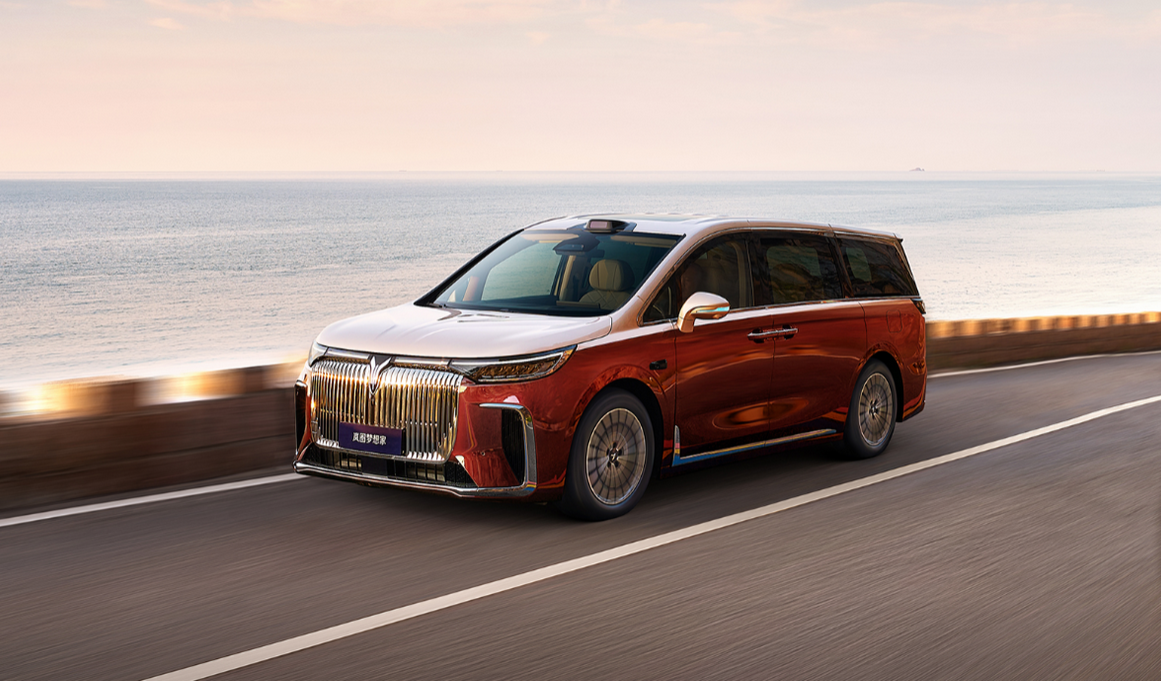
Image source: Voyah
To avoid product homogeneity, many brands are also turning to the deep mining of specific usage scenarios and product definitions.
For family users, design is deeply integrated with parenting and outdoor scenarios: optimizing child safety seat interfaces, integrating rear-row observation functions, strengthening entertainment content, increasing the power and convenience of external discharge, and designing space to easily load camping gear. This makes family users feel the product is tailor-made for their specific lifestyle.
For business users, the pursuit focuses more on luxury, privacy, and efficiency, offering four-seat layouts, electric privacy partitions, high-end audio-visual systems, and comprehensive mobile office support.
This more refined scenario segmentation allows products to more precisely meet the core pain points of target users, achieving a value shift from a multi-purpose vehicle to an exclusive scenario solution.
The systematic upgrade and reinforcement of comfort are also key selling points many automakers are focusing on. Comfort is no longer just a list of configurations but a systematic goal running through vehicle design, engineering, and tuning. Mechanically, the combination of air suspension and CDC dampers is becoming standard in high-end MPVs, ensuring ride stability across different road conditions. In seating systems, competition has extended to details such as frame design, filling materials, and bionic massage functions, aiming to provide a higher sense of riding relief. These systematic efforts aim to turn the MPV cabin into a mobile sanctuary that insulates users from outside disturbances, allowing true relaxation, and translating the concept of all-member comfort into a physical experience clearly perceived by every passenger.
Furthermore, against the backdrop of technological convergence, automakers are also striving to inject unique brand connotations and emotional value into MPV products. Some brands emphasize the warm concept of "creating a mobile home," focusing on family emotional connection; others highlight the business efficiency and sense of honor of a "smart executive cabin"; still others are shaping a leisure travel brand image of "exploring the boundaries of life."
Through differentiated brand storytelling, design language, and user community operations, automakers attempt to establish emotional resonance with target users that transcends product functions, thereby finding their own unique brand and product labels in an increasingly fierce market competition.
Future Outlook for the MPV Market
Looking ahead to the Chinese MPV market in 2026 and beyond, its development trajectory will further extend and deepen on the foundation of existing strong momentum. It presents a complex picture of continued scale growth, accelerated internal structural optimization, and white-hot technical competition, accompanied by a series of structural challenges.
Quantitative forecasts from Gasgoo Auto Institute for future market size can provide clear reference coordinates for the industry to judge MPV market trends. Gasgoo Auto Institute predicts that the overall sales scale of China’s MPV market will exceed 1.3 million units in 2026 and further break through the 1.5 million mark by 2030.
While this growth outlook is optimistic, the structural characteristics of the growth are also critical. The increment will come primarily from the mid-to-high-end MPV market, meaning the market will continue to show a clear trend of consumption upgrading and upward value migration.
The share of entry-level MPV products, dominated by utility attributes and priced below 150,000 yuan, may remain relatively stable or slowly shrink, with some users diverted by large-space SUVs at the same price point, while others may upgrade to mid-to-high-end products in the future. Conversely, high-value MPVs driven by new energy and intelligent technology will become the absolute main force driving market growth and raising the industry average selling price. Consumers are willing to pay a brand premium for superior electrification experiences, advanced intelligent technology, ultimate comfort, and precise scenario solutions. The weight of the high-end segment is likely to see a more significant increase.
Technical competition in the future MPV market will develop in depth around several definitive directions.
First is the continuous refinement of electrification technology, including further increasing battery energy density to extend pure electric range, re-optimizing hybrid system efficiency to reduce fuel consumption when the battery is low, applying new materials like silicon carbide to improve electric drive efficiency, and continuously expanding the coverage density of ultra-fast charging networks. The ultimate goal is to ensure that MPVs of various forms can all achieve energy freedom.
Second is the shift of intelligence from function stacking to deep integration and active service. Based on more powerful computing platforms and AI large models, vehicle smart cockpits will more deeply understand user habits, realizing cross-scenario active service recommendations—for example, automatically planning itineraries and preparing the cabin environment according to schedules, or automatically recommending suitable entertainment content for children during long trips. Intelligent driving will also gradually cover more complex scenarios and redefine the possibilities of MPV interior spatial layout (e.g., hidden steering wheels, rotating front seats).
Third is the deep interconnection between the vehicle and external ecosystems. As a mobile living space, the MPV can become a key node for smart homes, wearable devices, outdoor smart equipment, and office ecosystems, achieving seamless data and service circulation.
As more mainstream Chinese brands and some foreign brands launch heavy-hitting MPV products in the current time window, the red ocean competitive landscape of the segment has taken shape. The dimensions of future market competition will inevitably escalate comprehensively from traditional comparisons of space and configuration parameters to a comprehensive contest involving the depth of technical reserves, height of brand philosophy, nuance of user experience, speed of software iteration, and breadth of ecosystem services.
For automakers, the challenges accompanying opportunities are equally severe, with balancing cost control and the rapid implementation of technology being the primary dilemma. The addition of high-end configurations (such as air suspension, high-level intelligent driving, and top-tier seats) will sharply drive up costs. How to achieve product leadership while maintaining price competitiveness tests a company’s supply chain management and scaling capabilities.
Avoiding product homogeneity and achieving precise positioning is also no small challenge. When all players emphasize intelligence, comfort, and scenarios, how to build differentiated advantages with unique brand identity and user memory points is key to marketing success and product definition capabilities.
Furthermore, in the high-end market, especially when aiming for the 400,000 yuan price point or higher, building brand value is a long-term and arduous task. Mechanical quality and technology are the foundation, but brand heritage, cultural connotation, service experience, and user community belonging are equally crucial. Of course, external factors such as price fluctuations of core raw materials like power batteries, whether the speed of charging infrastructure construction matches user growth, and the potential impact of macroeconomic cycles on high-end consumption will also bring uncertainty to the sustained growth of the MPV market.
Conclusion
The flourishing of high-end MPV models and fierce competition in the Chinese auto market reveal that Chinese automotive consumption culture is undergoing a structural shift from owning vehicles to enjoying mobile life, and from satisfying functions to carrying emotion and efficiency. Empowered by electrification and intelligence, MPV products—relying on their inherent spatial physical advantages—are evolving from a relatively niche vehicle category into one of the core carriers bearing the historic transformation of the auto market.
Looking ahead, the competition in the MPV market is destined to be a marathon of comprehensive strength. Continued sales growth and structural optimization are highly probable events. Victory will belong only to those enterprises that can truly discern subtle user scenario pain points, transform cutting-edge technology into reliable experience, and build strong brand emotional connections.
The scramble in the MPV market is a microcosm of the Chinese automotive industry’s move from scale advantages to system advantages. The evolution of this segment will also provide a valuable window for observing the transformation and metamorphosis of the entire industry.
Gasgoo not only offers timely news and profound insight about China auto industry, but also help with business connection and expansion for suppliers and purchasers via multiple channels and methods. Buyer service: buyer-support@gasgoo.com Seller Service: seller-support@gasgoo.com
All Rights Reserved. Do not reproduce, copy and use the editorial content without permission. Contact us: autonews@gasgoo.com