Deserts often look empty and lifeless, with dry land, strong sun, and very little water. Still, people have lived in these regions for centuries, which means food has always existed there in some form. Certain plants slowly adapted to these harsh conditions. They learned how to survive long dry periods, grow deep roots, and save every drop of moisture. Over time, some of these plants began producing fruits that became part of daily life in desert communities. These fruits were not grown for variety or luxury. They were grown because they survived when most other cr…
Deserts often look empty and lifeless, with dry land, strong sun, and very little water. Still, people have lived in these regions for centuries, which means food has always existed there in some form. Certain plants slowly adapted to these harsh conditions. They learned how to survive long dry periods, grow deep roots, and save every drop of moisture. Over time, some of these plants began producing fruits that became part of daily life in desert communities. These fruits were not grown for variety or luxury. They were grown because they survived when most other crops could not.
Why can some plants grow fruits in deserts
Plants that grow fruits in deserts behave differently from regular crops. They do not rely on frequent rain. Their roots often go deep into the ground to reach water. Some store moisture inside thick stems or pads. Others have tough skins that slow down water loss. These plants grow slowly and pause during extreme heat. When conditions improve, they produce fruit. This careful balance helps them survive.
Date palm

Date palms are one of the most familiar fruit plants in desert regions. They grow tall and tolerate intense heat.
As long as their roots reach underground water, they can live for many years. Dates are sweet, filling, and easy to dry. This makes them an important everyday food in desert areas, not just a seasonal fruit.
Prickly pear cactus
Prickly pear cactus grows where very few plants survive. Its thick pads store water for long periods. The fruit has a hard outer skin, but the inside is juicy. In desert regions, people eat it fresh or turn it into drinks and jams. Often, it grows naturally without much care.
Ber tree
The ber tree grows well in dry soil and strong sun. It does not need rich land or frequent watering. The fruit is small and turns sweet when ripe. In desert parts of India, ber trees continue producing fruit even in dry years. Once the tree is established, it survives mostly on its own.
Pomegranate
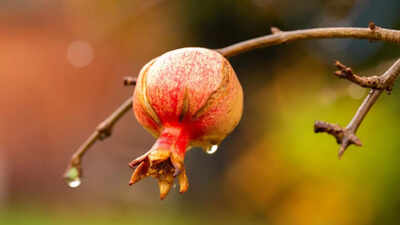
Pomegranate plants prefer heat and can survive with limited water. Their fruits have thick skins that protect the seeds inside. This also helps the fruit last longer after harvest. Because of this, pomegranates are useful in dry regions where fresh fruit is not always easy to store.
Capparis plant
Capparis plants grow low to the ground and spread across rocky desert land. They need very little water. The buds and berries are collected and preserved for cooking. Many capparis plants grow wild and do not require farming.
Desert fig
Desert fig plants are tougher than common fig trees. They grow in rocky soil and survive with little water. The fruits are smaller but sweet. People eat them fresh when available or dry them for later use. These figs have been eaten in desert regions for generations.Plants that grow fruits in desert regions show that even harsh landscapes can provide food. These six plants survive by growing slowly, saving resources, and adapting to their surroundings.Disclaimer: This content is intended purely for informational use and is not a substitute for professional medical, nutritional or scientific advice. Always seek support from certified professionals for personalised recommendations.Also read| Julia Roberts shares the childhood sandwich combo she loved growing up