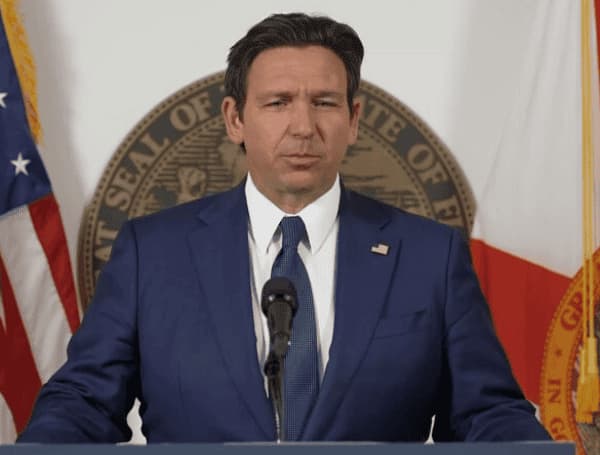
Florida Governor Ron DeSantis
Governor Ron DeSantis on Wednesday rolled out his budget proposal for the 2026–2027 fiscal year, pitching a $117.4 billion spending plan he calls the "Floridians First Budget."
The proposal emphasizes aggressive debt repayment, substantial reserves, and a slate of tax holidays, while simultaneously targeting government efficiency by eliminating hundreds of state positions.
“Since I became governor, we have run budget surpluses, reduced the state’s legacy debt by more than 50%, and enacted record tax relief,” DeSantis said in a statement. “Today I announced the ‘Floridians First’ Budget, which will keep Florida on the course of fiscal resp…
Florida Governor Ron DeSantis
Governor Ron DeSantis on Wednesday rolled out his budget proposal for the 2026–2027 fiscal year, pitching a $117.4 billion spending plan he calls the "Floridians First Budget."
The proposal emphasizes aggressive debt repayment, substantial reserves, and a slate of tax holidays, while simultaneously targeting government efficiency by eliminating hundreds of state positions.
“Since I became governor, we have run budget surpluses, reduced the state’s legacy debt by more than 50%, and enacted record tax relief,” DeSantis said in a statement. “Today I announced the ‘Floridians First’ Budget, which will keep Florida on the course of fiscal responsibility.”
READ: House Passes $900B Defense Overhaul: Troops Get Raise And DEI Gets Axed
Debt and Reserves
The Governor’s plan earmarks $16.75 billion for reserves and allocates $250 million toward accelerated debt reduction. According to the Governor’s office, this latest payment would put Florida on track to retire more than half of its tax-supported debt during the 2026-27 fiscal year. Since DeSantis took office, the state’s Budget Stabilization Fund has tripled, hitting its constitutional cap of $5 billion.
Tax Holidays: Guns, Gear, and Summer Fun
A major component of the proposal involves tax relief for consumers. The budget recommends a lengthy "Second Amendment Sales Tax Holiday." If approved by the legislature, this would run from September 7 through December 31, 2026, exempting firearms, ammunition, crossbows, and hunting accessories from sales tax.
Other proposed tax holidays include:
- Freedom Summer: Tax breaks on recreation activities.
- Skilled Worker: Exemptions for tools.
- Permanent Exemptions: Baby products, diapers, sunscreen, and admissions to Florida State Parks remain tax-free.
Government Efficiency and "DOGE" Efforts
Citing ongoing efficiency reviews and "DOGE" efforts—a reference to efficiency initiatives often associated with the incoming federal administration—the budget proposes cutting 354 state government positions. The Governor’s office noted that despite a 10 percent population increase in Florida, the net number of state positions has dropped by nearly 1,000 during DeSantis’s tenure.
READ: Florida Man Among 13 Charged In Pennsylvania During Massive Federal Sweep Spanning 5 States
However, specific state employees are slated for raises. The budget includes a 2 percent cost-of-living adjustment for all state workers, with a higher total increase of 5 percent for sworn law enforcement officers, Florida Park Rangers, judges, attorneys, and IT professionals.
Education Spending
K-12 education would see a historic funding level of $30.6 billion. This breaks down to $9,406 per student—a $279 increase over the previous year.
The plan also sets aside $1.56 billion specifically for teacher salary increases, marking a $200 million jump from the current fiscal year. The budget anticipates nearly 476,000 students will utilize the Family Empowerment Scholarship, Florida’s school choice voucher program.
Environment and Infrastructure
On the environmental front, the budget proposes $1.4 billion for Everglades restoration and water quality projects. This includes specific funding to reduce harmful discharges into the St. Lucie and Caloosahatchee estuaries and $75 million for beach nourishment.
For infrastructure, $14.3 billion is allocated to the state transportation work program, which includes the construction of 181 new lane miles and the resurfacing of over 2,600 existing lane miles.
The budget proposal will now head to the Florida Legislature for consideration during the upcoming legislative session.
Please make a small donation to the Tampa Free Press to help sustain independent journalism. Your contribution enables us to continue delivering high-quality, local, and national news coverage.
Sign up: Subscribe to our free newsletter for a curated selection of top stories delivered straight to your inbox.