There’s always something new we can learn about the world. Some people get discouraged by the bad experiences they’ve had at school, so, we here at Bored Panda try to make learning fun and easy for everyone. This time, we’re encouraging you to learn new facts about animals, but with a twist: every fact will be more adorable and cute than the last one!
These animal facts come to you courtesy of the subreddit "Awwducational." It’s an online community that invites people not to waste their precious time and learn something, but in a fun way. "r/awwducational is your source for all cute things in the natural world," the subreddit’s bio reads. So, what are you waiting for,…
There’s always something new we can learn about the world. Some people get discouraged by the bad experiences they’ve had at school, so, we here at Bored Panda try to make learning fun and easy for everyone. This time, we’re encouraging you to learn new facts about animals, but with a twist: every fact will be more adorable and cute than the last one!
These animal facts come to you courtesy of the subreddit "Awwducational." It’s an online community that invites people not to waste their precious time and learn something, but in a fun way. "r/awwducational is your source for all cute things in the natural world," the subreddit’s bio reads. So, what are you waiting for, Pandas? Scroll and learn why echidnas have the cutest way possible to cool themselves down, and melt at the cuteness of the Japanese dwarf flying squirrels!
More info: Reddit
RELATED:
So, what’s the deal with those echidnas and why do they have to blow snot bubbles to cool down? These adorable mammals are found in many parts of Australia and also in New Guinea, but the Australian desert environments are generally the most tricky for them to navigate. For a long time, people thought that echidnas were intolerant of high temperatures.
However, Christine Cooper and her fellow researchers at Curtin University in Perth found that to be false. After all, echidnas are the most widespread mammals in all of Australia! "They blow mucus bubbles from the tip of their snout and they’ve got a big blood sinus that sits underneath the skin at the tip of their snout," Cooper explained to ABC National Radio. "So that wets the area; as the water evaporates, it cools it, and that cools the blood."
** 
It is also known as the Simian fox, due to the red fur. It feeds almost exclusively on rodents in the highlands of Ethiopia, to which it is native.
dctrhu Report
What’s even more interesting is that echidnas keep their snouts cool even in cold temperatures. As Cooper explains, they need their snouts to be moist for electroreception. "They use electroreception to find their prey, and they keep their nose moist to do that. They always tend to have a moist nose."
As many other cute animals, echidnas have fallen victim to people who would like to own them as pets. But Cooper warns that, aside from them being wild animals, they’re also pretty tricky to feed. "They’re eating over 20,000 individual termites a day," she notes. The ones Cooper and her team have raised in captivity are used to humans, though, and follow them around like puppy dogs. However, the reason is not as cute as we would like: they just want more food.
** 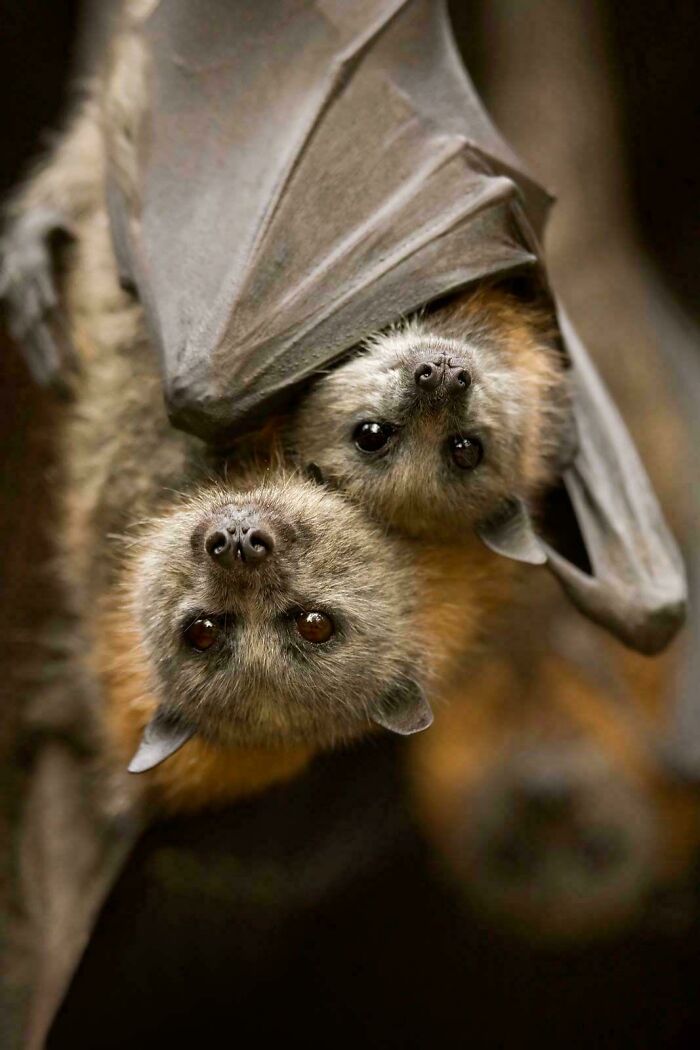
Pollen sticks to their bodies as they fly between trees, pollinating their flowers. This reinforces the forest’s health, which in turn provides valuable timber, honey, carbon sinks, stable river systems, & tourism opportunities.
ExoticShock Report
** 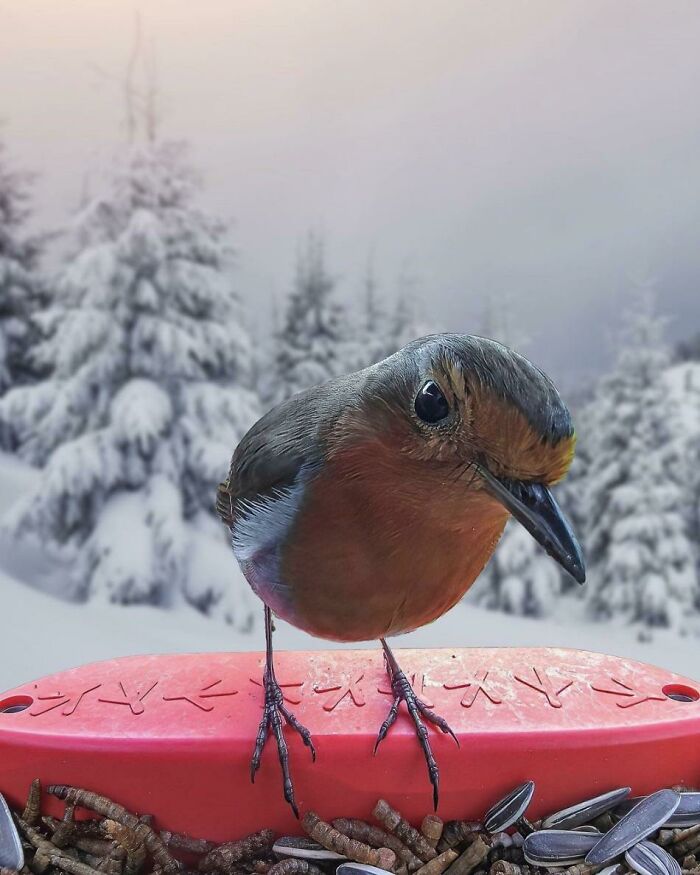
However, once past its first year, life expectancy increases. One robin has been recorded as reaching 19 years of age.
ElvisIsNotDjed Report
** 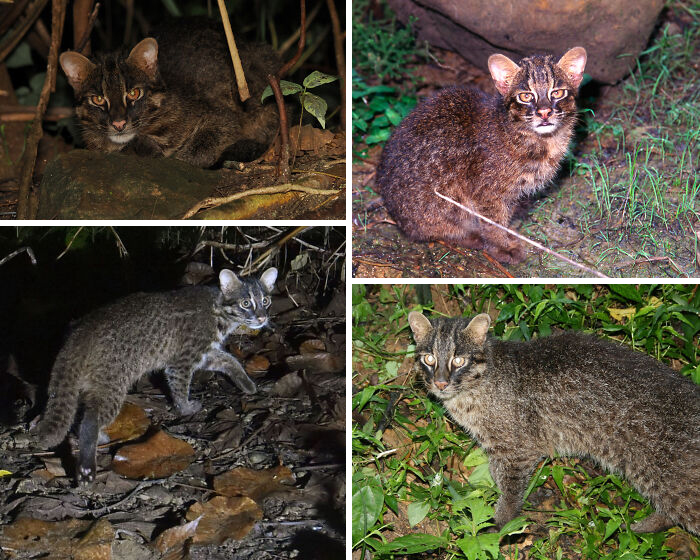
Found only on Japan’s southern Island of Iriomote — with its current population estimated to be around 100 individuals.
IdyllicSafeguard Report
Let’s leave patootie echidnas behind and talk more about dwarf giraffes. How did they become a thing? Well, in 2018, scientists spotted an eight-foot-and-inch-inch giraffe in Namibia and called him Nigel. The one you see on this list, Gimli, is a dwarf giraffe someone spotted even earlier, in 2015, in Uganda’s Murchison Falls National Park. Named after the brave dwarf from The Lord of the Rings, Gimli is slightly taller than Nigel at nine feet and four inches.
Both dwarf giraffes are about half as short as an average giraffe, and that gives them survival disadvantages. Scientists believe that they might have a lower chance of mating and have a difficult time running from their predators because of their shorter legs.
** 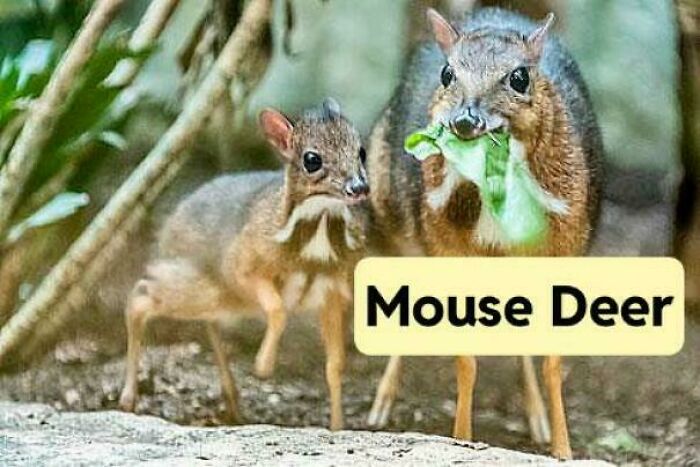
Nocturnal or Crepuscular (active dawn/dusk). They’re the Smallest hoofed animals in the world. Considered to be living fossils as they’re mostly unchanged today.
LexaMaridia Report
** 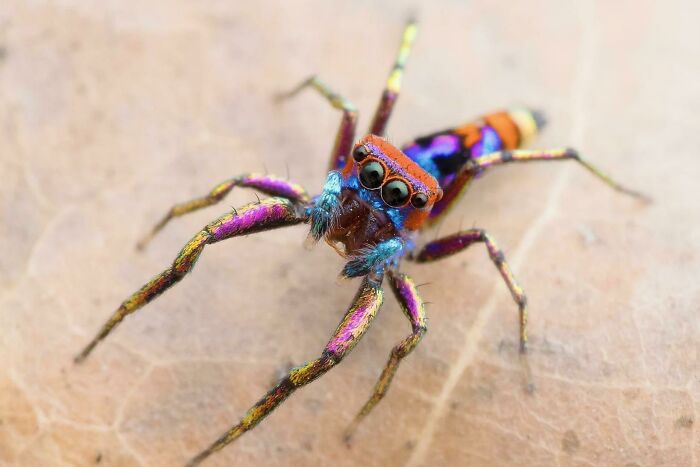
Thought to be extinct for 150 years, it was rediscovered in 2018.
reddit.com Report
But how do giraffes get dwarfism, anyway? For some time, observers thought that both dwarf giraffes were actually juveniles, and only later noticed that they were fully grown males. Scientists theorize that it’s due to skeletal dysplasia. "Instances of wild animals with these types of skeletal dysplasias are extraordinarily rare," conservationist scientist Michael Brown explained. "It’s another interesting wrinkle in the unique story of giraffe in these diverse ecosystems."
** 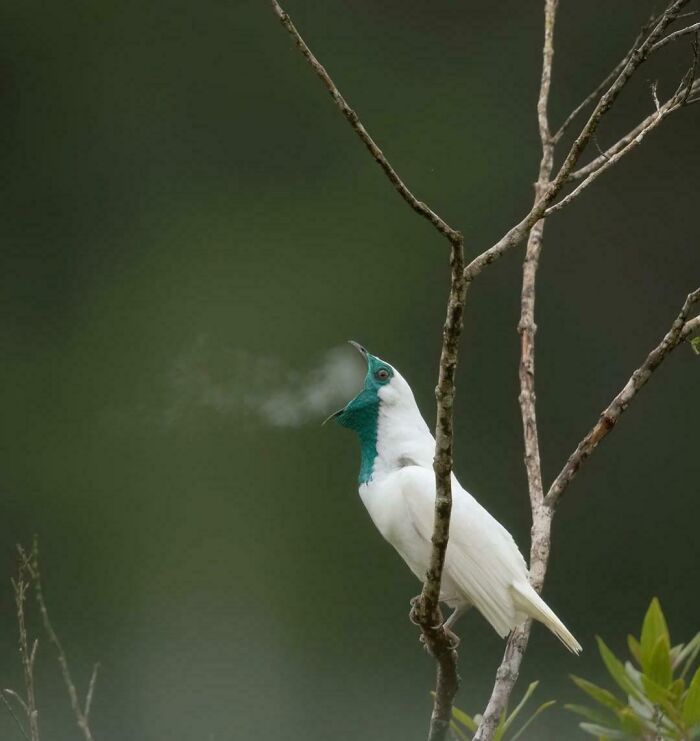
A sharp sound like that of a hammer striking an anvil or a bell, and It might takes a long time for young males to learn & perfect the call.
MistWeaver80 Report
** 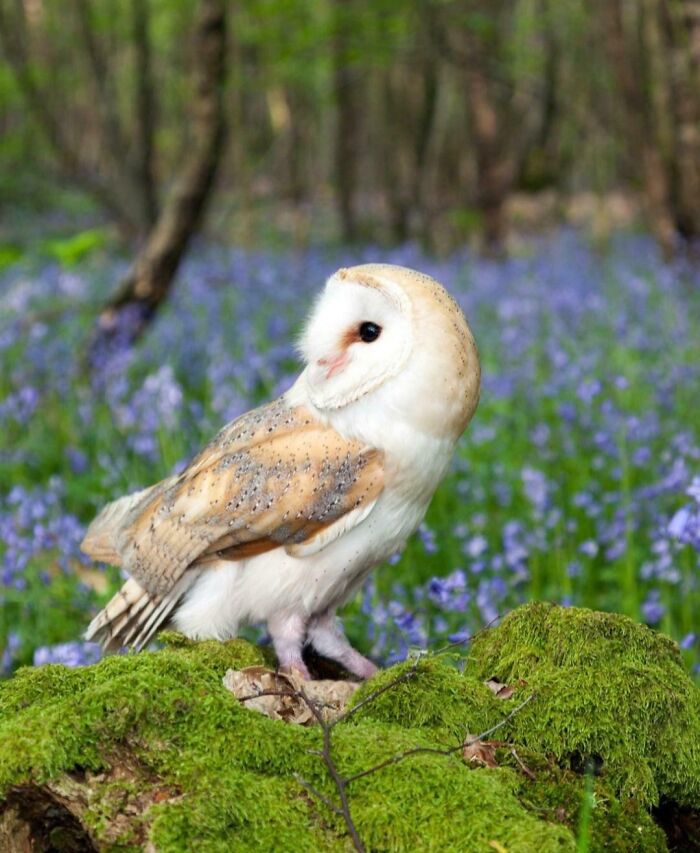
This very acute sense of hearing allows barn owls to capture prey hidden by vegetation or snow. Barn owls also have excellent low-light vision
MistWeaver80 Report
** 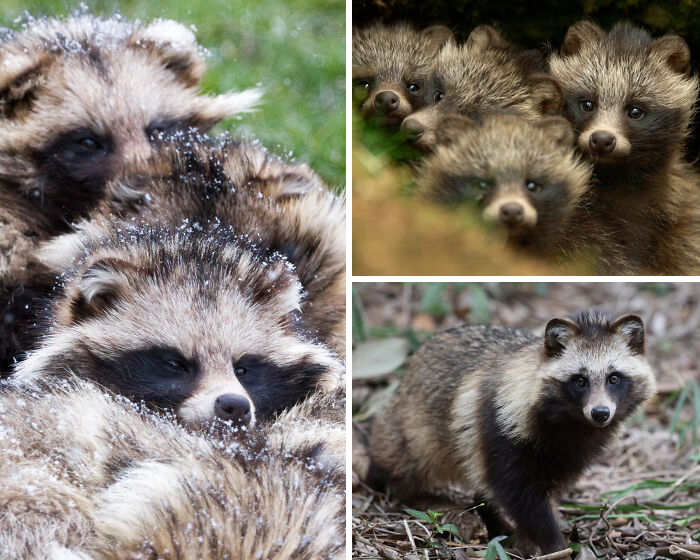
It’s the only member of the dog family that hibernates, able to put on 50% of its body weight in fat reserves as winter approaches, before snuggling down in its den, often with its partner.
IdyllicSafeguard Report
If you’ve never heard of the jaguarundi, don’t worry – most people haven’t. They’re wild cats most commonly found in Central and South America. What makes them interesting is how little we know about them and how mysterious they are. They’re classified as cats, but they’re much smaller, more similar in appearance to the weasel-like martens. However, their behavior is more like that of a puma. They also have 38 chromosomes like most Old World cats, while most South American cats have 36.
** 
Starting in the mid-1950s, more than 5% of the genetic markers in Scottish wildcats began to resemble those of domestic cats. After 1997, that figure jumped to as high as 74%.
MistWeaver80 Report
** 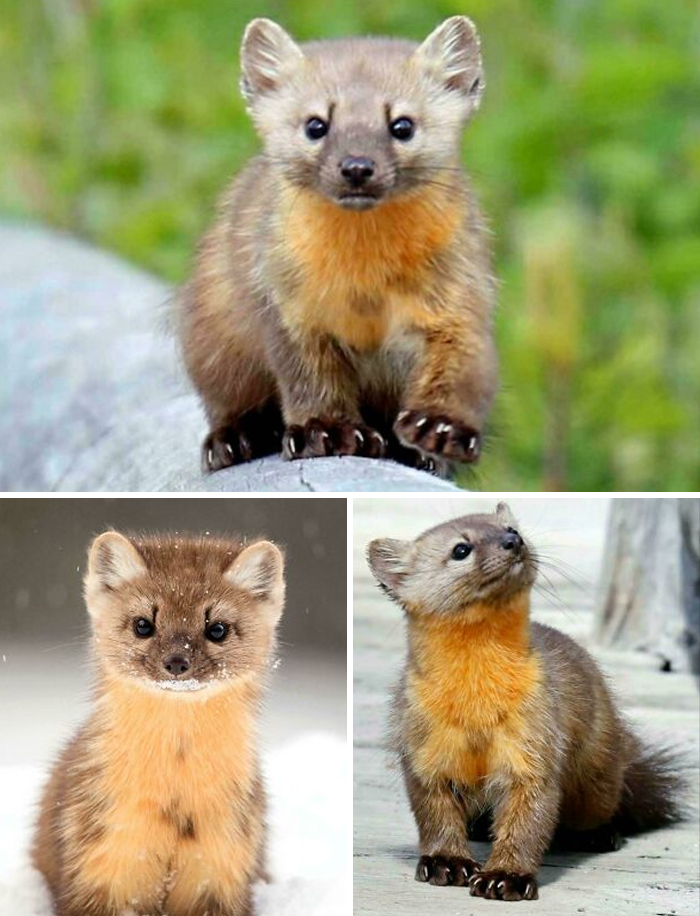
Which means that the fertilized eggs remain "dormant" for 6 months before implanting in the uterus; the embryos then rapidly gestate, and the kits are born about 27 days later, weighing just 28g (1oz) each.
SixteenSeveredHands Report
Despite jaguarundis being one of the most widespread cats in the Americas, we know relatively little about them. Why is that? In fact, jaguarundis are the least studied cats in the world. First of all, they’re incredibly difficult to trap. Arturo Caso, president of Predator Conservation, spent more than a year trying to trap two jaguarundis for his radio-collar research in Tamaulipes, Mexico.
** 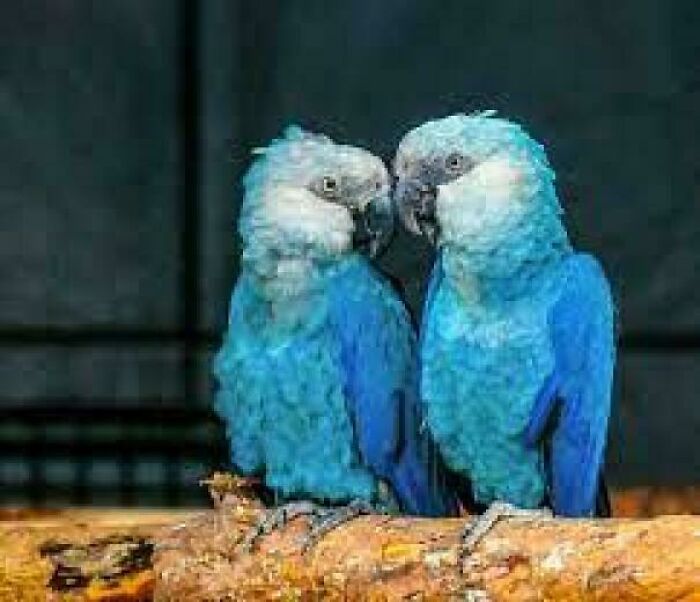
But after decades of conservation, a small population were reintroduced into the wild, and new ones have been born in the wild recently!
theportraitssecret Report
Another reason is that jaguarundis resemble other critters who aren’t even cats. Many people confuse them with otters, tayras, and other weasels. They have elongated backs and plain coats that are unusual for American wild cats, and even scientists have difficulty identifying them in the field. The third reason is much more practical: because they’re not under threat of going extinct, it’s difficult to secure funding and convince people that we need to study them.
** 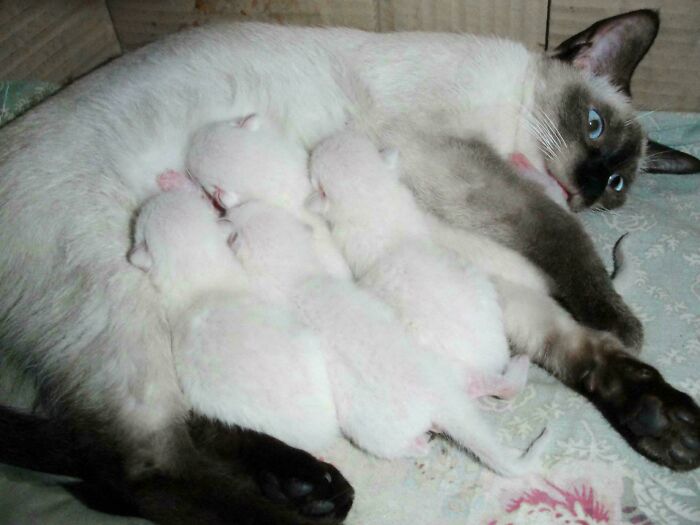
Their signature markings, or "points", begin to grow as they age, with their fur darkening in areas that are most susceptible to cooler temperatures. This is why their fur is usually darkest on their faces, ears, tails, and limbs!
CaitlinSnep Report
If you’ve never found regular squirrels to be cute, you probably haven’t seen the Japanese dwarf flying squirrel. A squirrel that flies seems like it’s straight out of science fiction, but this big-eyed critter isn’t – they’re just nocturnal. They live in trees and very rarely go down to the ground, and their wings, or rather, skin flaps (called patagia) help them to glide from tree to tree.
** 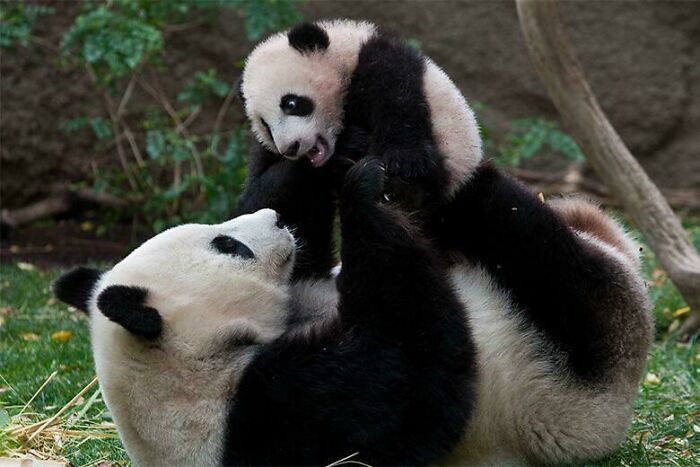
In the wild, pandas have no natural predators as adults and their breeding success rate is similar to some American black bear populations.
AJC_10_29 Report
** 
Believed extinct for over a century, one appeared suddenly at the front door of an ecolodge in a Colombian nature preserve, where researchers took pictures of it for two hours. Afterwards, it left and was never seen again.
theportraitssecret Report
If you’re worried that these patooties are in danger of extinction, rest assured – they’re currently listed as "Least Concern" by the IUCN (the International Union for Conservation of Nature). They live in well-protected areas and have a big population. And since they’re so elusive with their small stature and blending abilities, they’re good at evading predators, too.
** 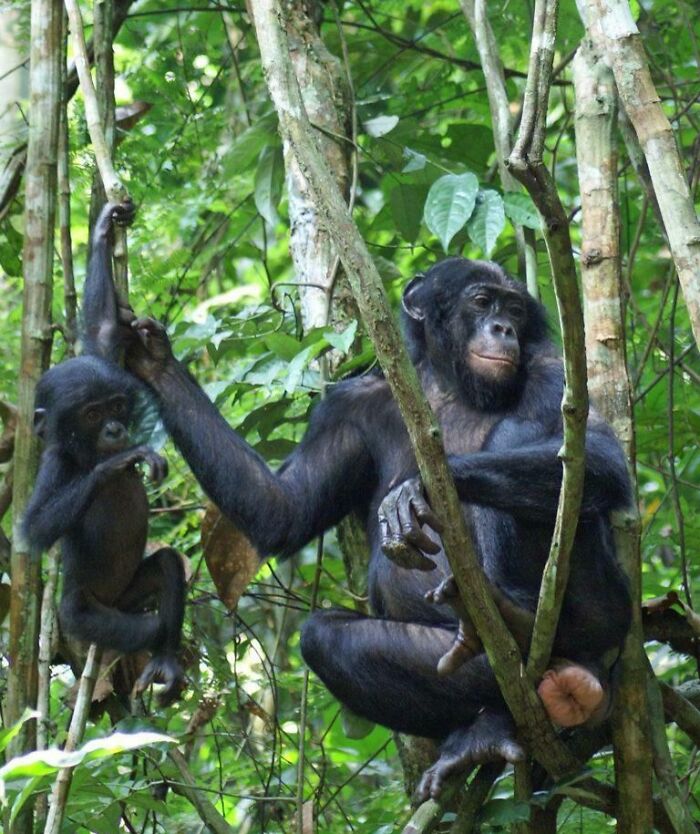
Females target males in 85% of their coalitions, and they occupy higher ranks compared to males when they form more frequent coalitions.
MistWeaver80 Report
Which animal fact from this was your favorite, Pandas? Let us know in the comments, and don’t forget to share some cute animal trivia we might’ve missed here. As always, if you’d like to see more wholesome animal content, check out our previous publications featuring the "Awwducational" subreddit here, here, and here!
** 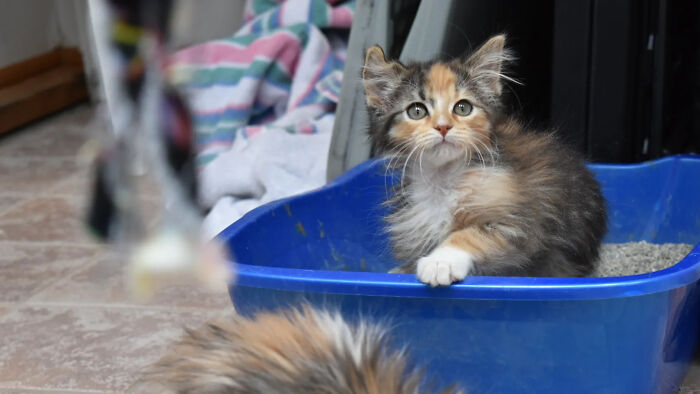
This means that a female cat can have a different color gene on each of her X chromosomes, with one for "red" (orange) and one for "black" (not orange.) Male cats need an extra chromosome to be calicos.
CaitlinSnep Report
** 
Despite the name, they and other stink badgers are not true badgers, and are instead the closest living relatives of the skunk.
AJC_10_29 Report
** 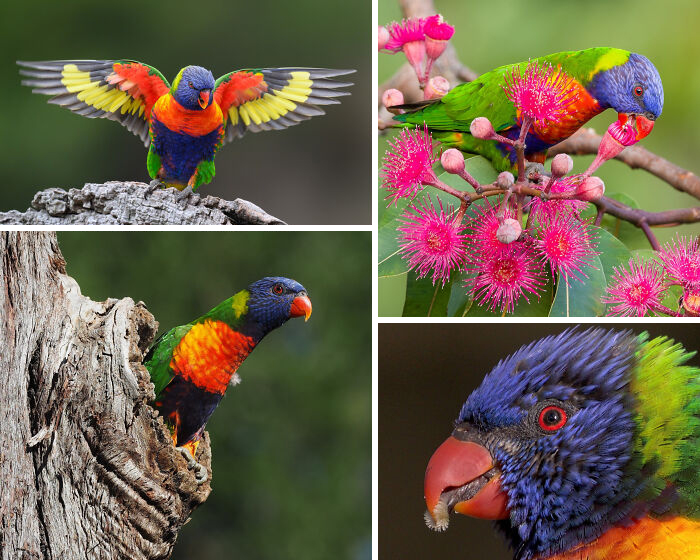
At night, they roost communally, perching close together and occasionally hanging upside down or lying on their backs, feet in the air.
IdyllicSafeguard Report
** 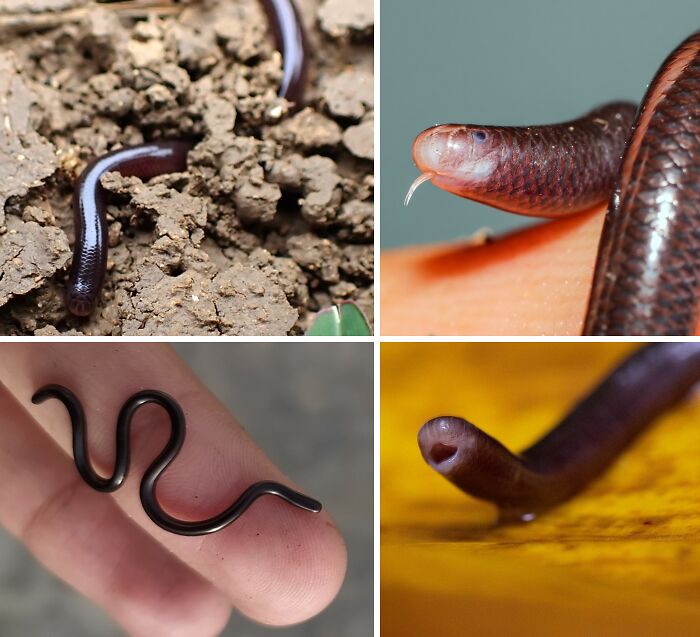
It looks and acts like a worm — some 13 cm (5 in) long and subterranean — but it’s one of the world’s smallest snake species.
IdyllicSafeguard Report
** 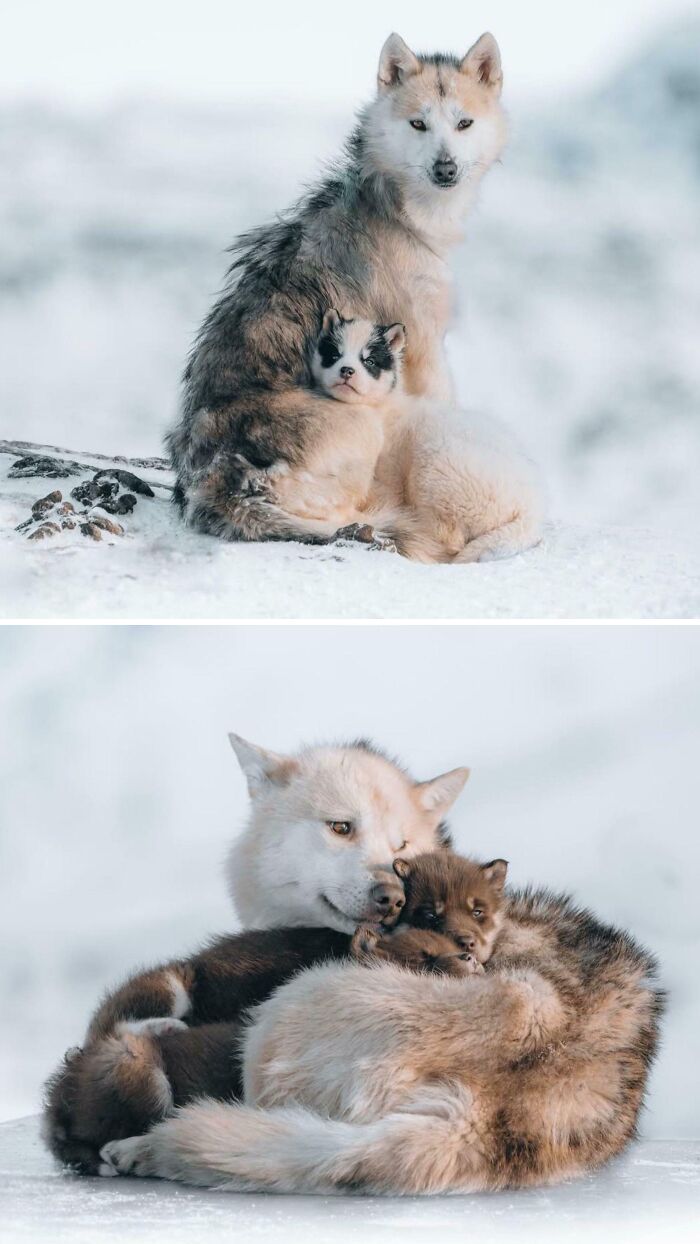
Greenland sled dogs don’t share much DNA with wolves, despite a reputation for having been interbred.
MistWeaver80 Report
** 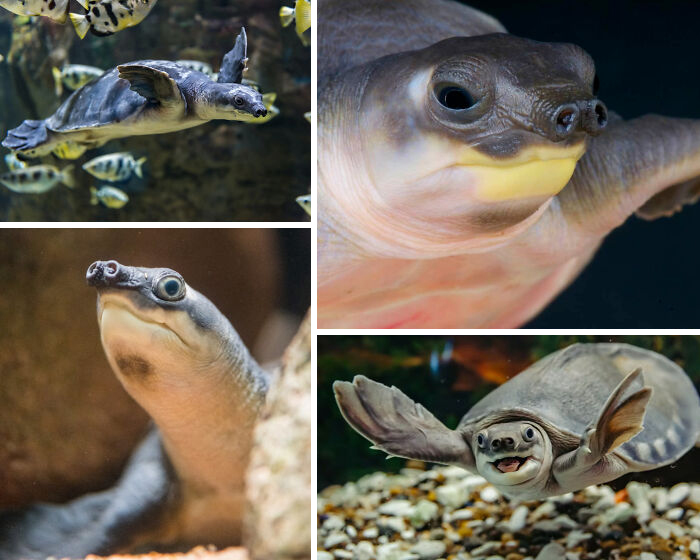
It lives in the rivers of northern Australia and southern New Guinea, using its pig-like nose to "snorkel" without exposing the rest of its body.
IdyllicSafeguard Report
** 
A great defense against the snakes and ocelots that share its wet rainforest habitat. Additionally, if all else fails, this rat can drop its tail to confuse or distract a predator.
IdyllicSafeguard Report
** 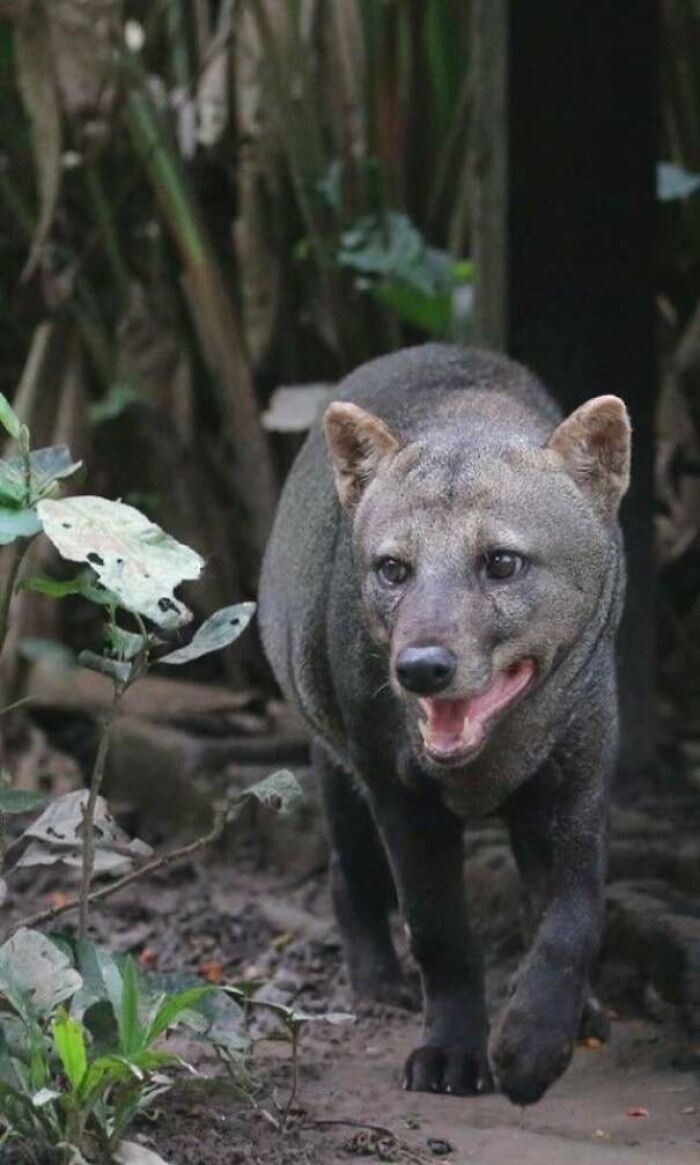
Unique features of their species not found in other canids include females being one third larger than males and both genders not reaching sexual maturity until 3 years old.
AJ_Crowley_29 Report
** 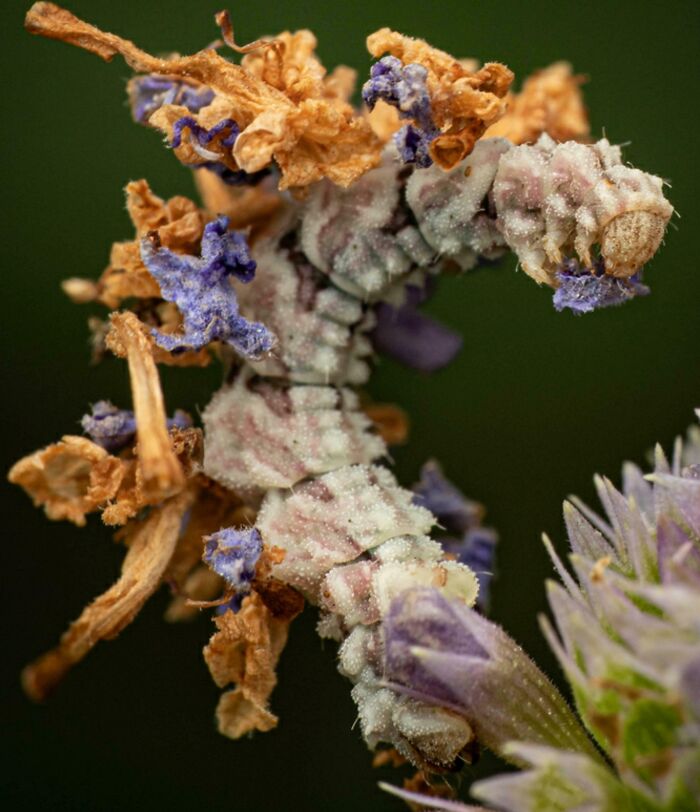
Using flower petals and foliage from the plants that it feeds upon, "gluing" the pieces onto its body with silk; when the caterpillar moves to a new host plant, it adjusts the disguise to match its new surroundings.
SixteenSeveredHands Report
** 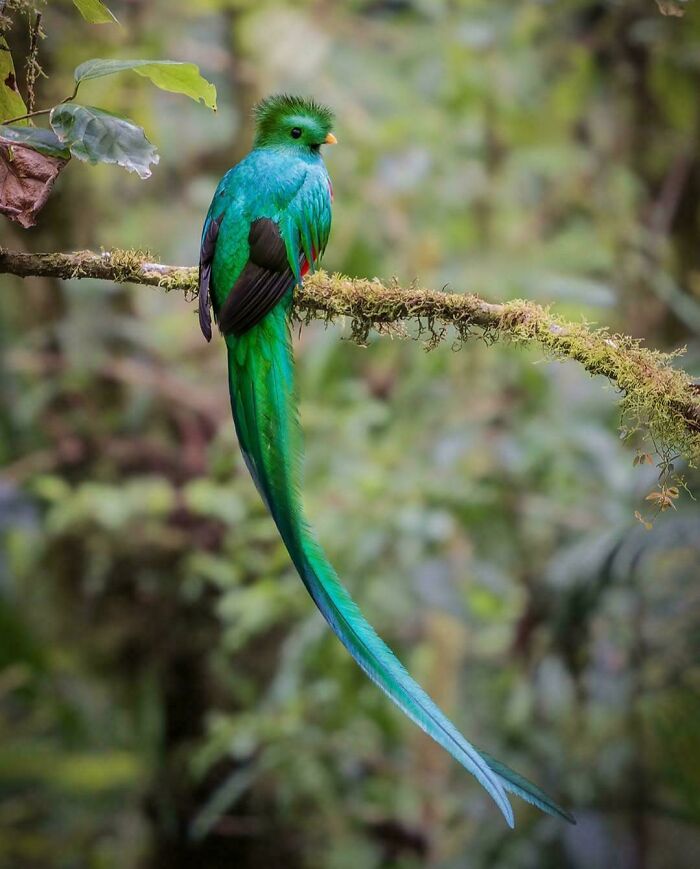
They play an important ecological role in the cloud forests, helping disseminate the seeds of at least 32 tree species.
MistWeaver80 Report
** 
Each female mates with multiple males and, in a single season, lays up to 10 clutches that are raised by different males in her harem.
IdyllicSafeguard Report
** 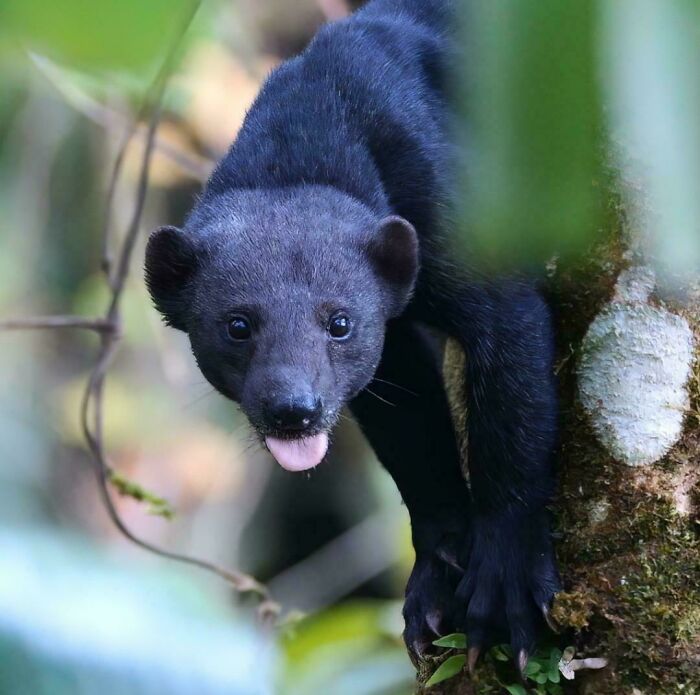
They live as semi-arboreal omnivores in forests ranging from The Southern Yucatan to Northern Argentina & are also well known for their intelligence, having been seen ripping unripe bananas from trees to save for later.
ExoticShock Report
** 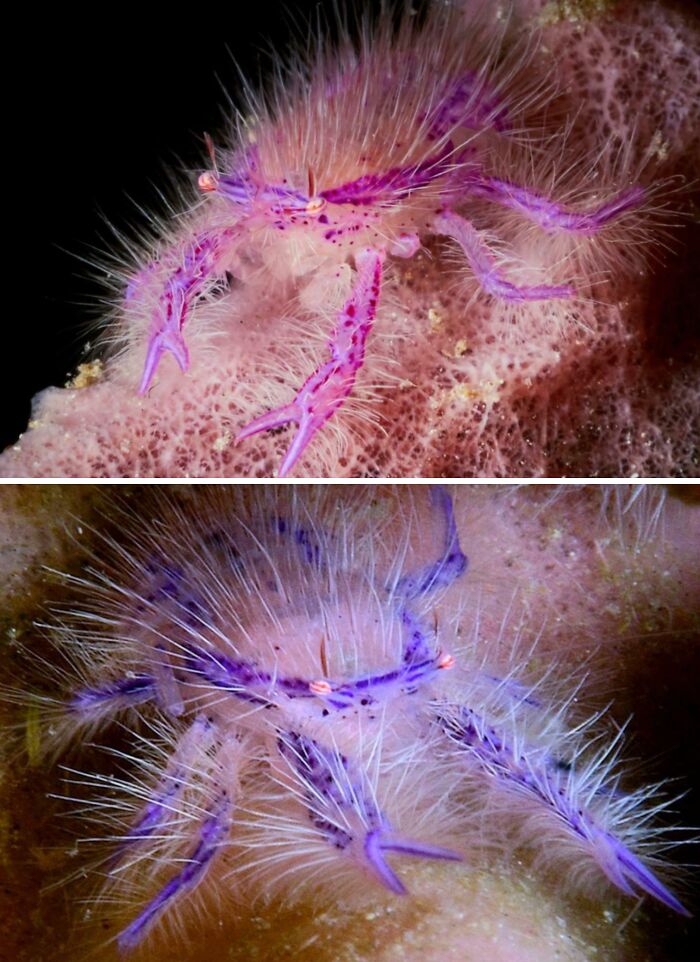
This species of crab has a strikingly colorful, fuzzy-looking appearance, and it feeds on various bits of detritus that are collected in its own "fur."
SixteenSeveredHands Report
** 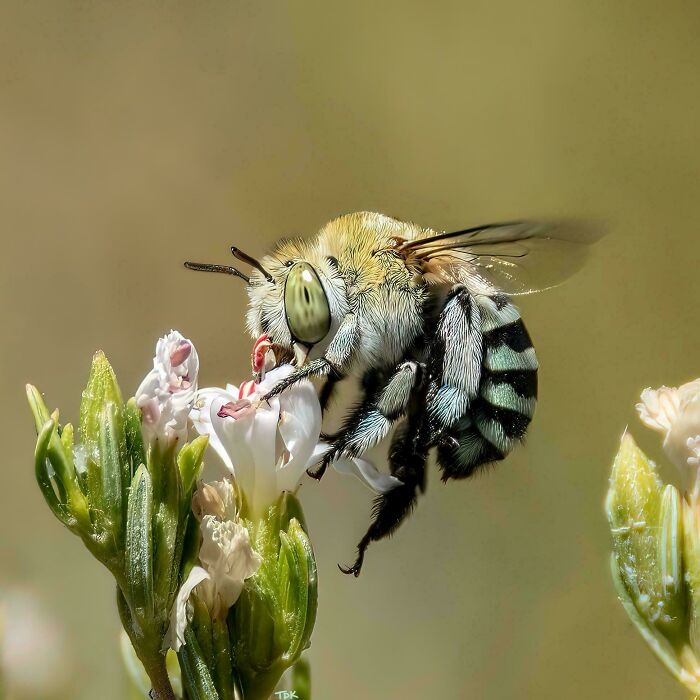
Blue Banded Bees perform a special type of pollination called ‘buzz pollination’. Blue Banded Bees can grasp a flower and shiver her flight muscles, causing the pollen to shoot out of the pollen capsule. She can then collect the pollen for her nest and carry it from flower to flower, pollinating them as she goes.
flippingtimmy Report
** 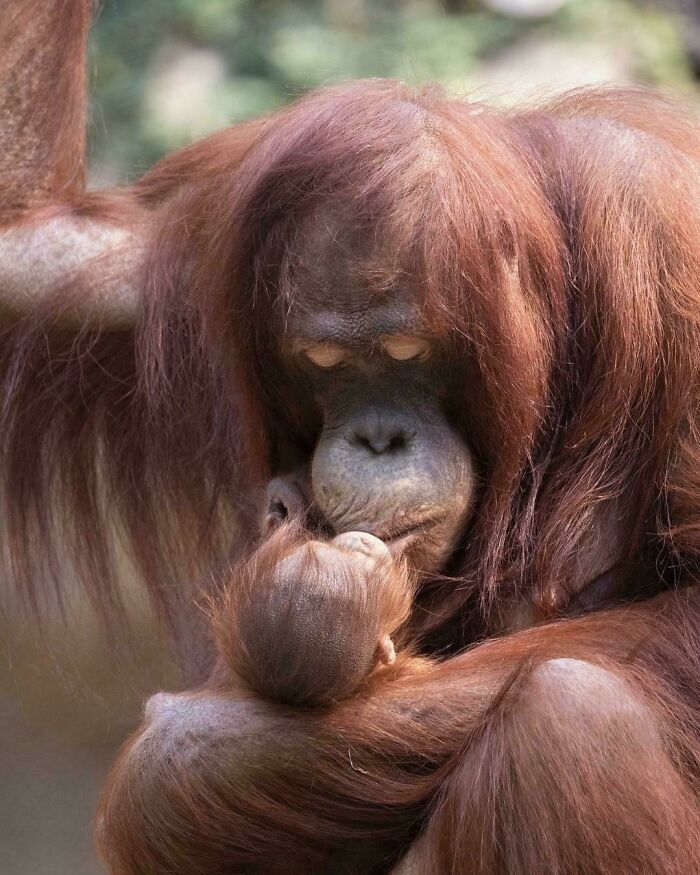
Because they spend so much time raising their offspring, females will typically only have around 3 to 4 children in their lifetime.
ExoticShock Report
** 
With its skinny snout, it sniffs and searches through leaf litter for its favourite food: earthworms.
IdyllicSafeguard Report
** 
It bites when threatened, and it’s venom contains tetrodoxin, the same neurotoxin in the venom of it’s very distant cousin, the blue ringed octopus.
theportraitssecret Report
** 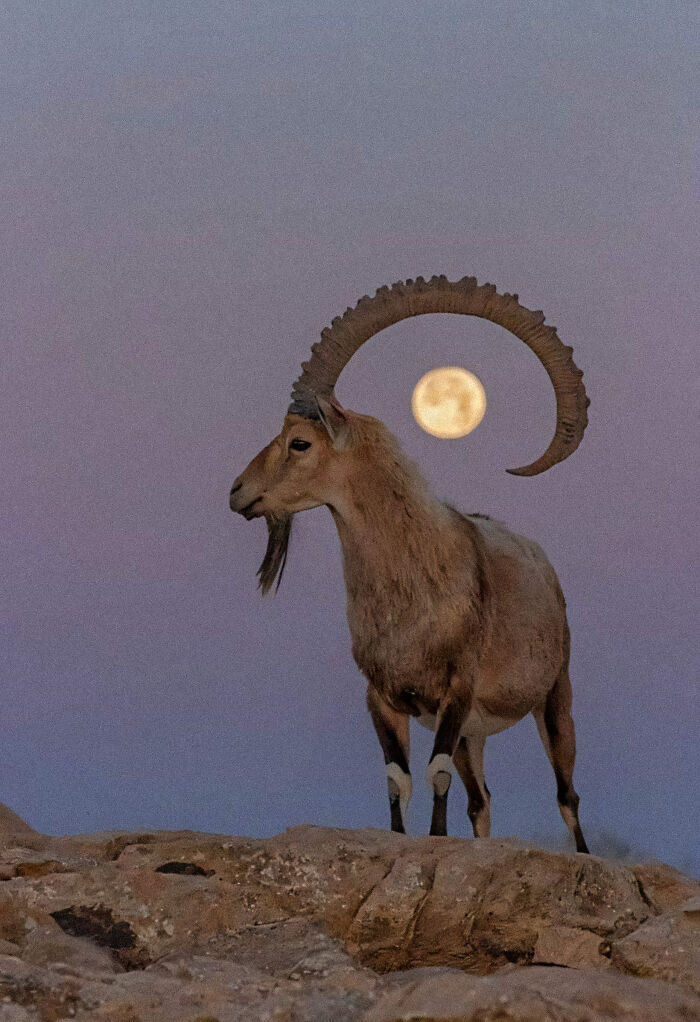
These nimble climbers’ highly developed hooves, which offer exceptional traction, enable them to easily scale virtually vertical cliffs. They can obtain food in their rocky surroundings and avoid predators thanks to this capacity.
cake329 Report
** 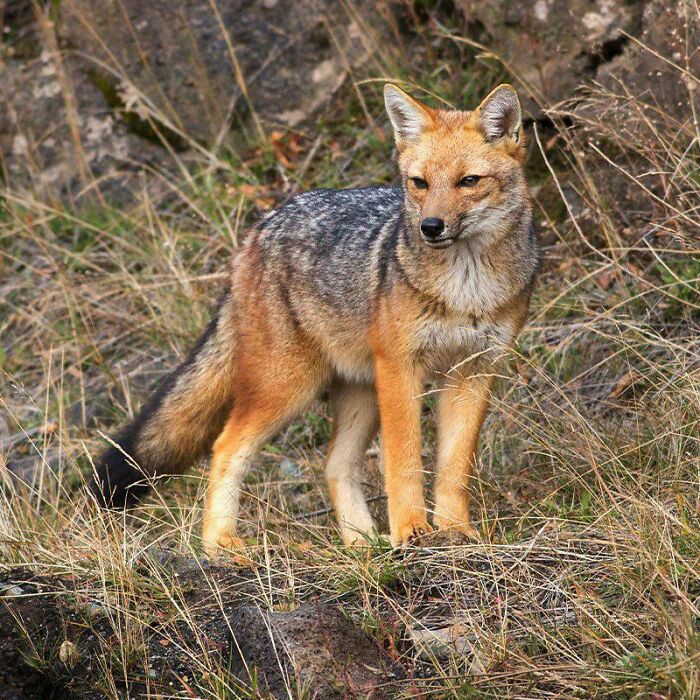
It is an opportunistic feeder that primarily targets small prey, most importantly invasive European rabbits which it helps control the numbers of.
AJC_10_29 Report
** 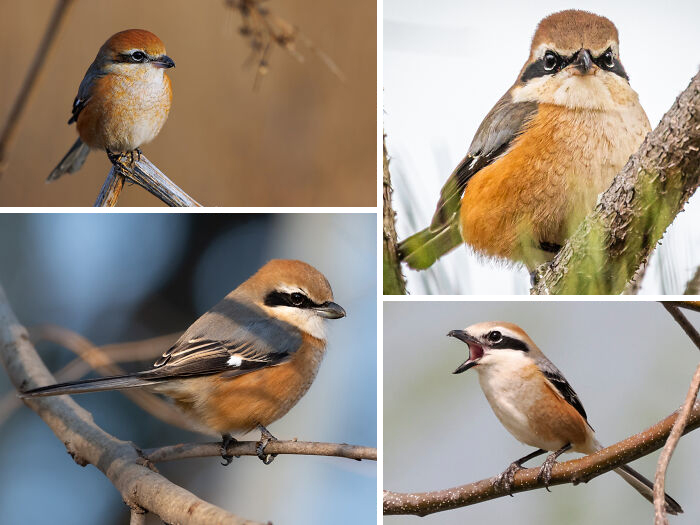
In some regions, farmers use its call to time their work and avoid the winter frosts. The shrike’s cries also serve as warnings, staking its claim over hunting grounds.
IdyllicSafeguard Report
** 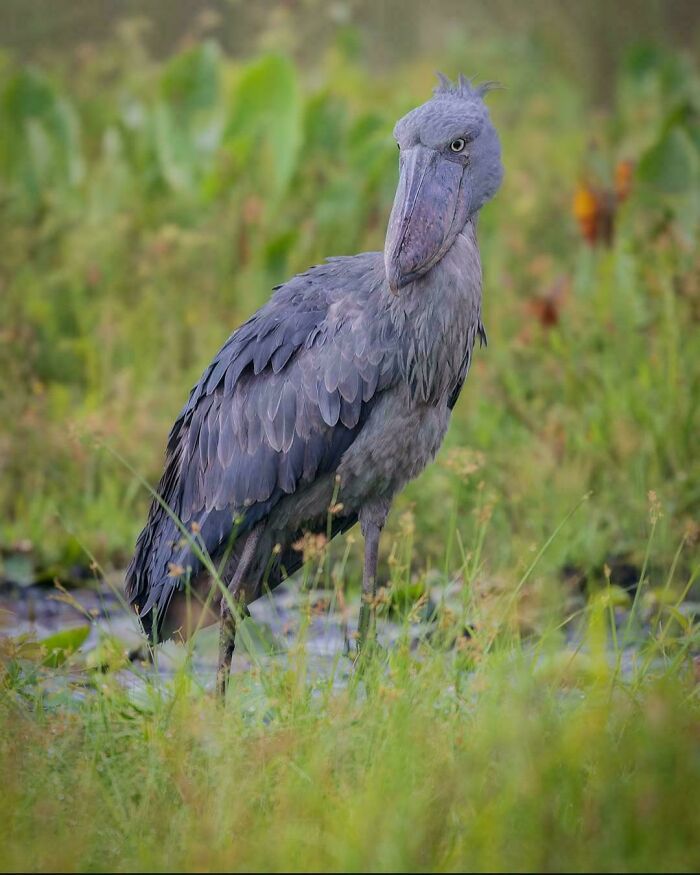
Researchers studying these birds have been able to come within 6 feet of a shoebill stork on its nest. The shoebill stork will not threaten humans, but will only stare right back at them. They stand 110 to 140 cm tall, with some being 152 cm tall.
MistWeaver80 Report
** 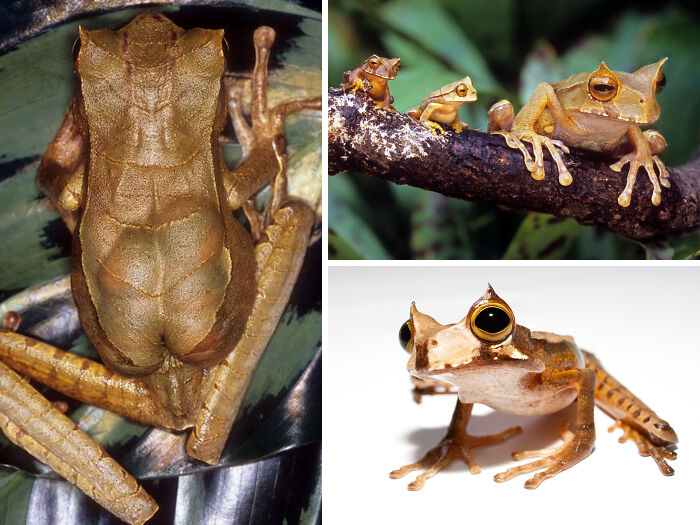
The female carries the eggs in a pouch on her back, each in its own chamber, until they emerge as fully-formed froglets.
IdyllicSafeguard Report
** 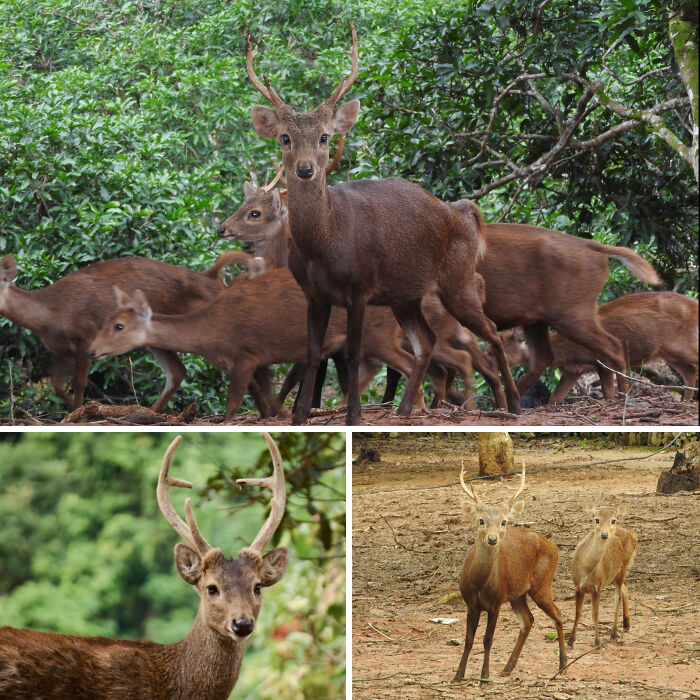
It’s only found on the small Indonesian island of Bawean and is considered ‘critically endangered’ — with an estimated population of less than 300 individuals.
IdyllicSafeguard Report
** 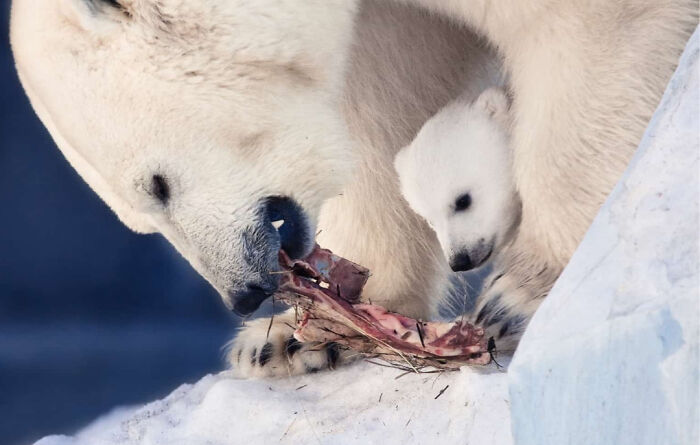
They assimilate the majority of it directly into their own body fat & don’t digest carbohydrates or proteins as well as Brown Bears do.
ExoticShock Report
** 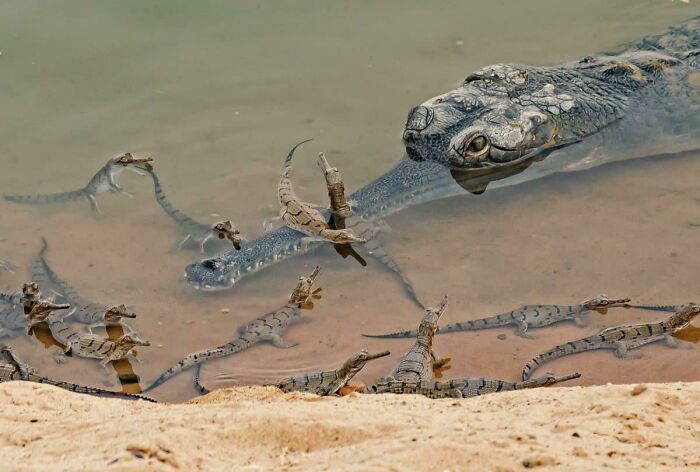
The male gharial is distinguished from the female (pictured here) by a large, bulbous protuberance on his nose.
CaitlinSnep Report
** 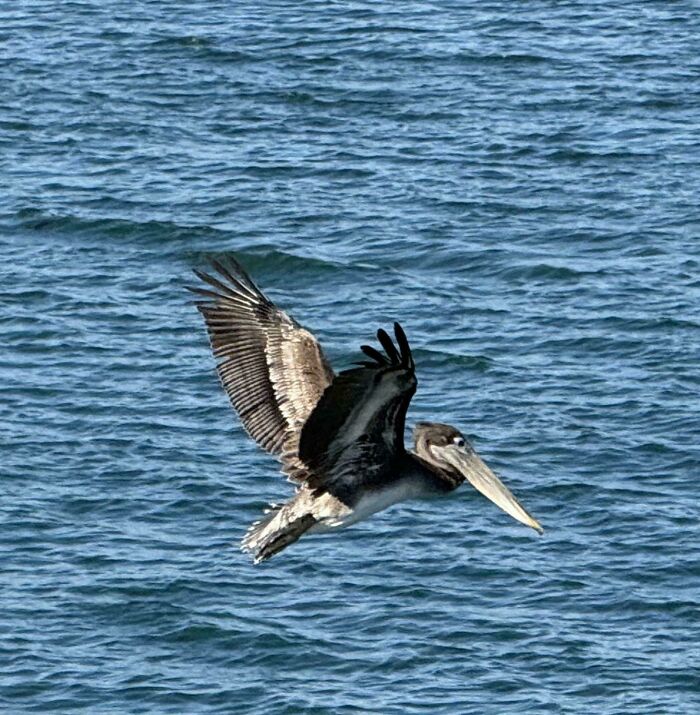
DDT runoff was causing the shells on their eggs to be very thin. Since DDT was banned, their numbers have steadily increased and in 2009, they were officially removed from the Endangered and Threatened list.
HealthWealthFoodie Report
** 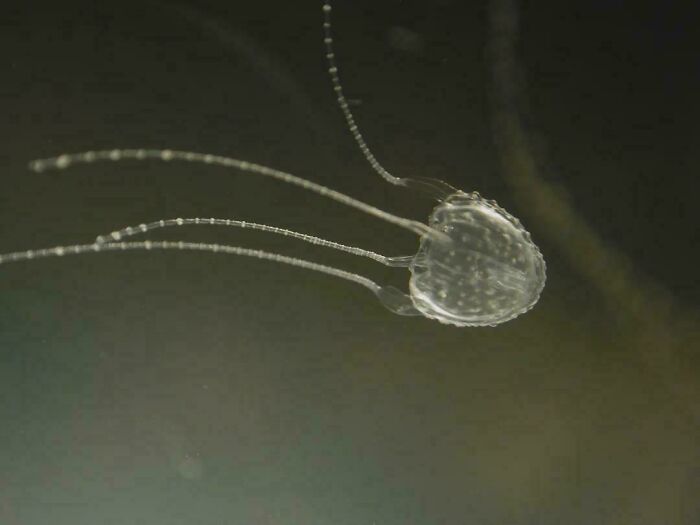
Not only is it the world’s smallest jellyfish, but also one of the most venomous, and can be near impossible to spot due to being translucent.
theportraitssecret Report
** 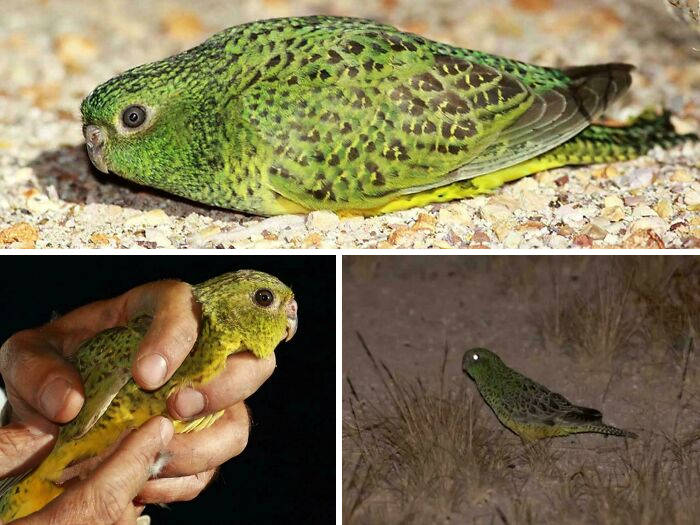
One of Australia’s most elusive birds, this nocturnal parrot lives in isolated arid regions, spending most of its time on the ground and hiding within tunnels of spinifex grass.
IdyllicSafeguard Report
** 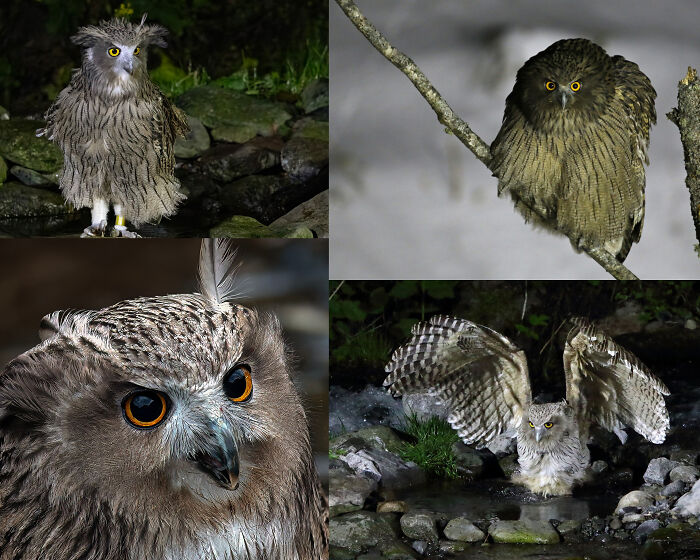
It is endangered — it’s estimated that less than 2,000 individuals hunt the cold rivers of northeast Asia.
IdyllicSafeguard Report
** 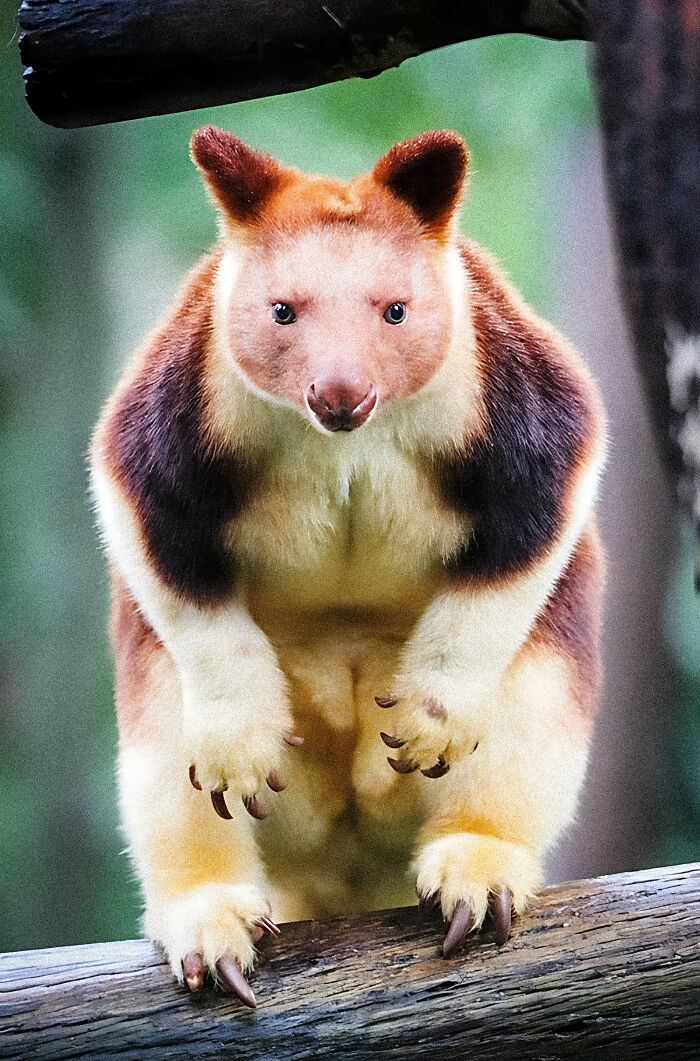
These tree-kangaroos live mostly in trees, as opposed to their terrestrial cousins. their strong forelimbs and long tail helps them jump on treetops.
cake329 Report
** 
They use light to deter predators by startling them or to attract larger predators to their location to feed on whatever might be feeding on them - this is called the burglar alarm theory.
PyroFarms Report
** 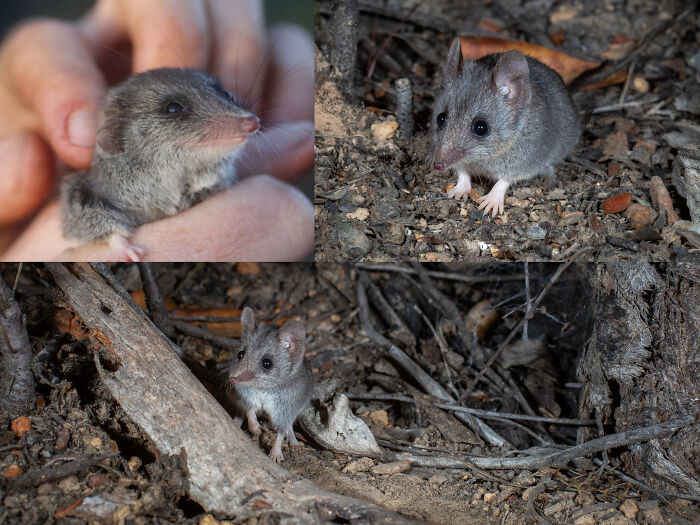
In 2019–2020, catastrophic bushfires swept across the island, burning over 90% of the dunnart’s habitat. The species was feared extinct, but a few were found to have survived — perhaps just 50–100 individuals.
IdyllicSafeguard Report
** 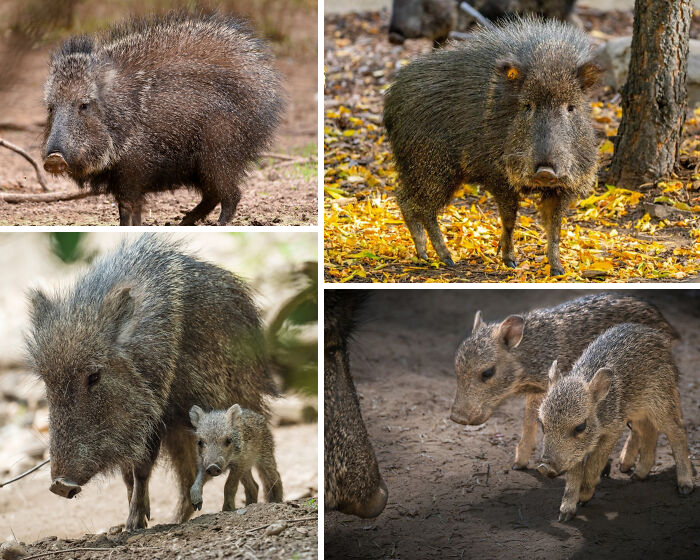
In the early 1970s, a living population was found in an isolated area of Paraguay — in a region known as the Gran Chaco. This species is the largest and rarest of the three living peccaries.
IdyllicSafeguard Report
** 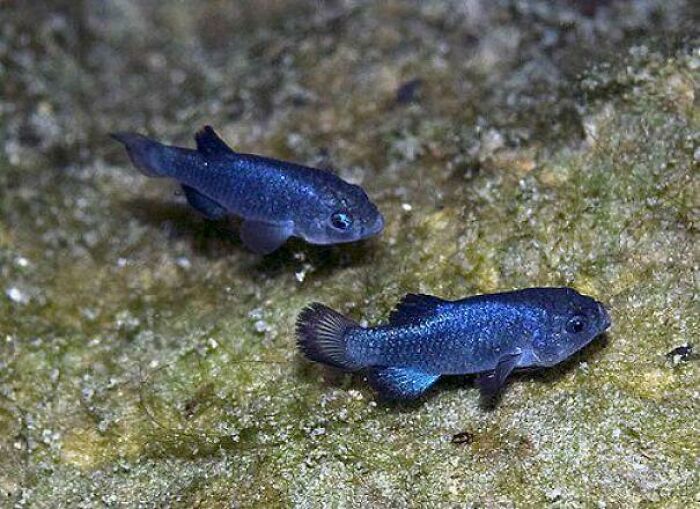
It’s native to the United States. They’re found only in the water filled cave system that gives them their name, and extensive efforts have been made to preserve them.
theportraitssecret Report
** 
And then incorporating those cells into its own body, where they continue to photosynthesize, allowing the sea slug to survive without food for months at a time.
SixteenSeveredHands Report
** 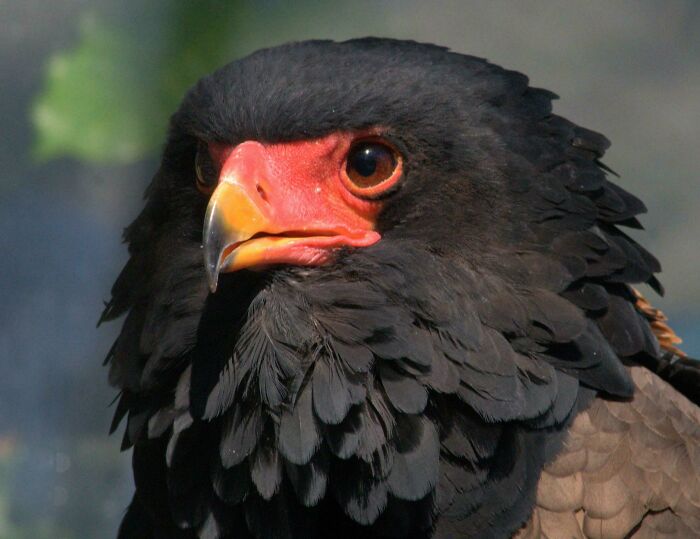
Their plumage is basically black, white, and chestnut, while their faces and legs are bright red. Such birds are famous for their fantastic aerial displays consisting of great swoops and loops.
cake329 Report
** 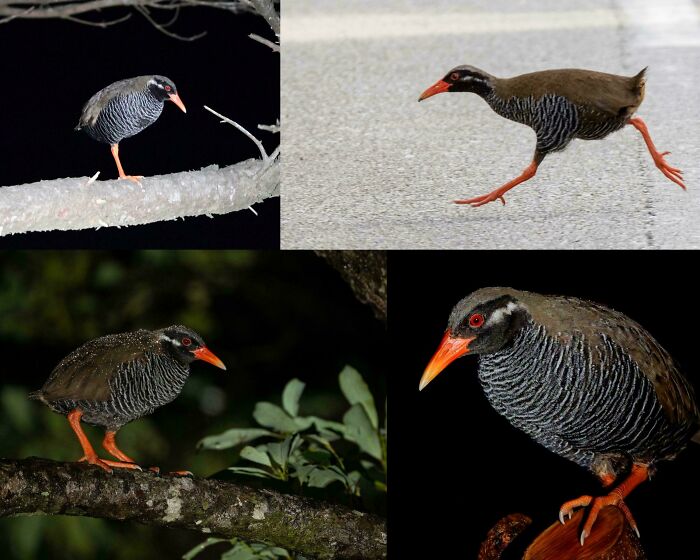
Before nightfall, it uses its powerful clawed feet to climb trees, where it sleeps to avoid nocturnal-hunting pit vipers. In the morning, it drops back down in a graceless fluttering of wings.
IdyllicSafeguard Report
** 
It was once nearly hunted to extinction but since has been successfully reintroduced to many parts of its natural range.
AJ_Crowley_29 Report
** 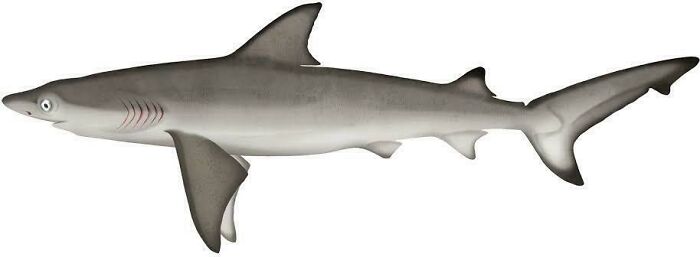
Difficult to approach or even photograph, these timid sharks grow to 3-4 feet long and inhabit the coastal waters of northern Australia, Papua New Guinea, and the Solomon Islands.
AJC_10_29 Report
** 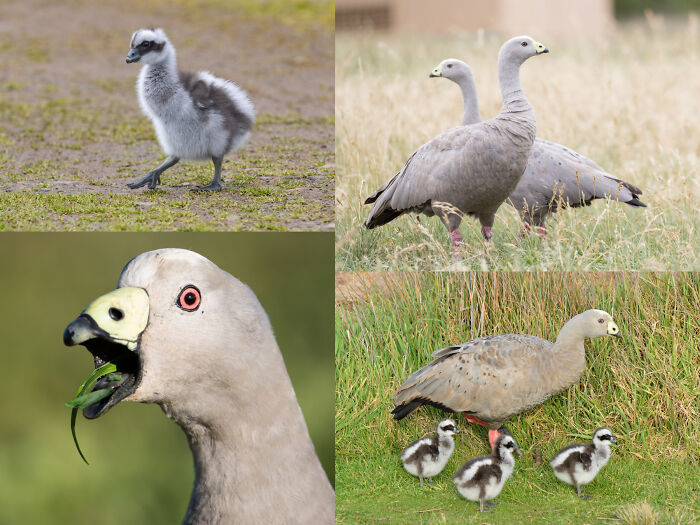
An aggressively protective parent, it chases away larger animals, including humans, by battering them with the hard "wrist" bones on its wings and pecking with its knobby beak.
IdyllicSafeguard Report
** 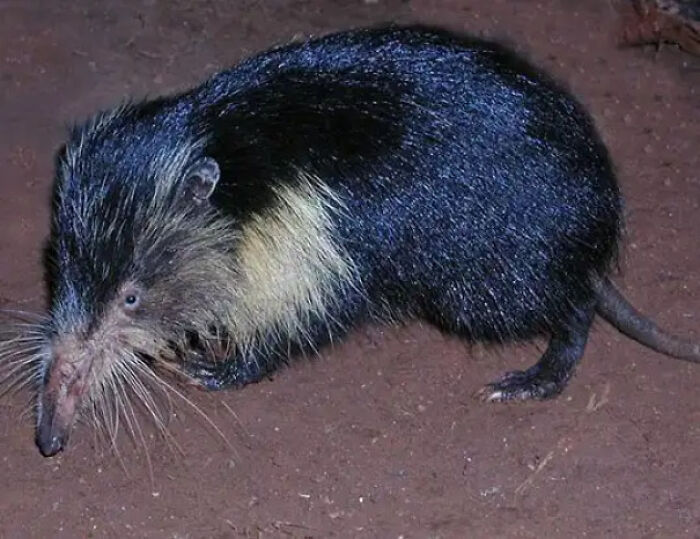
Though it superficially resembles a rat or shrew, it is actually in its own family, with only one other extant species. Both species of solenodon are nocturnal, primarily insectivorous, and have a venomous bite.
CaitlinSnep Report
** 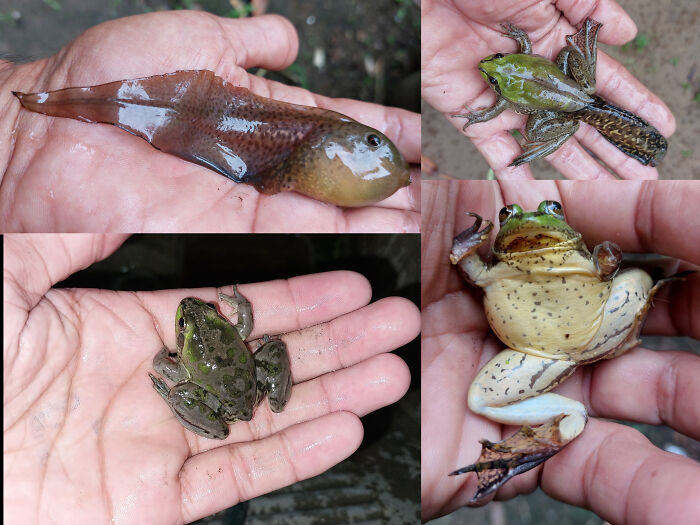
It eventually metamorphoses into a shrunken adult frog, only some 7 centimetres (2.7 in) long.
IdyllicSafeguard Report
** 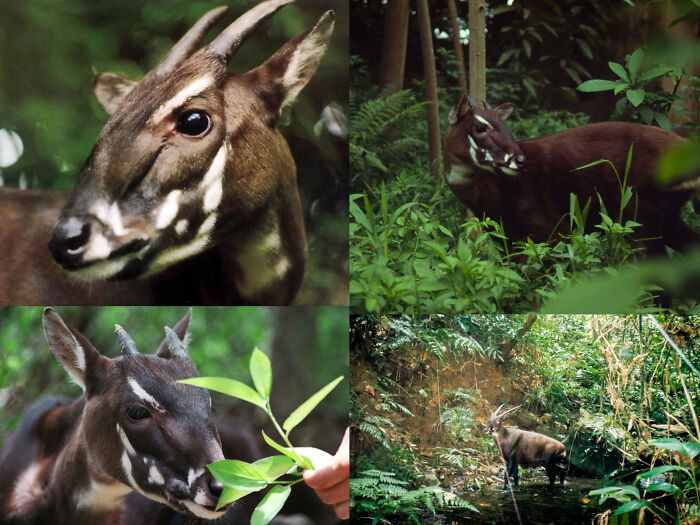
Discovered by science in 1992, it has never been directly observed alive by researchers in the wild and may number fewer than 100 individuals.
IdyllicSafeguard Report
** 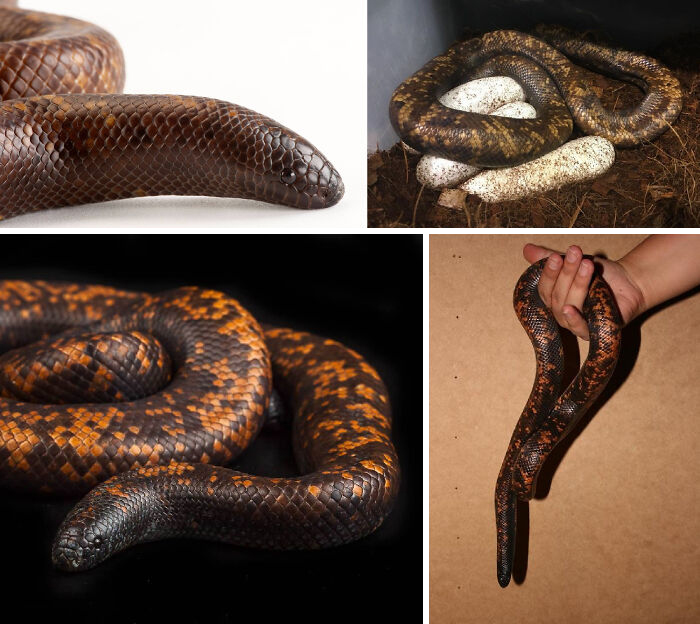
Its common name is a misnomer, it is actually a species of boa. Unlike most boas, they lay one to three enormous eggs that may represent up to half of the female’s body weight.
ReturntoPleistocene Report
** 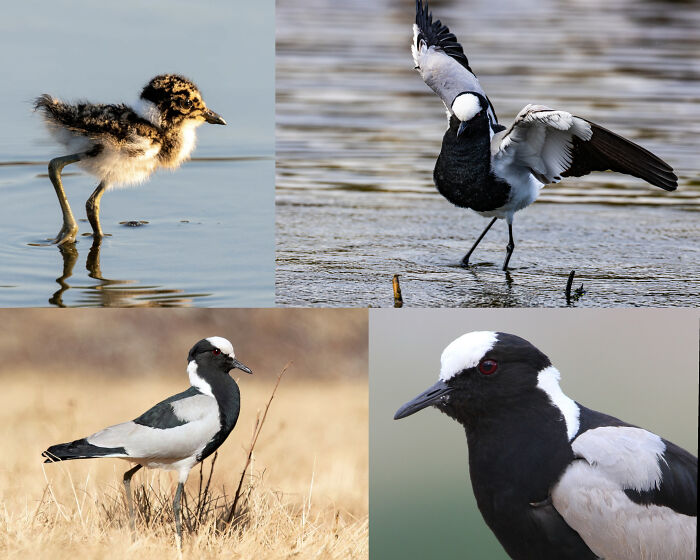
It’s an exceedingly bold bird when defending its chicks, known to attack raptors and go after elephants using the sharp spurs on its carpal (wrist) joints.
IdyllicSafeguard Report
** 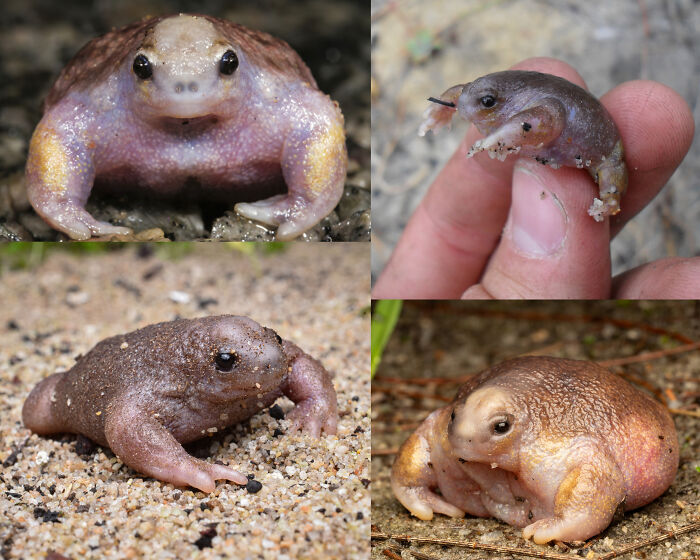
Adapted to semi-arid habitats far from water, its tadpoles develop inside their eggs and hatch as tiny frogs.
IdyllicSafeguard Report
** 
They digest it so efficiently that bamboo protein supplies them with at least half of their calories, which is on par with the carnivorous diets of Wolves.
ExoticShock Report
** 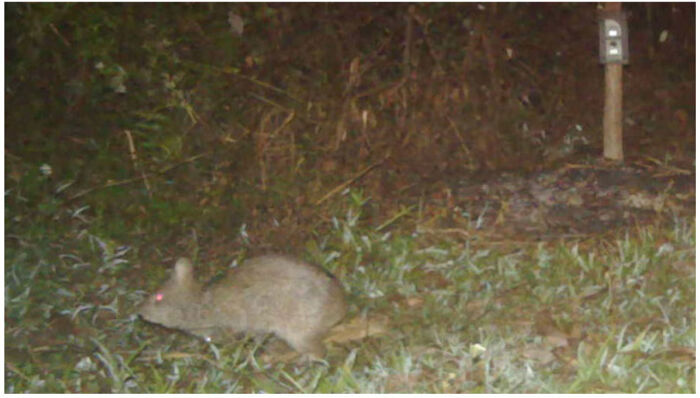
It’s one of the rarest Lagomorphs in the world and has a patchy distribution. This is one of the only publicly available photos taken of it.
IchTanze Report
** ![Close-up photos of tiny creatures showcasing 100 awesome facts about animals you probably didn’t know.](https://www.boredpanda.com/blog/wp-content/uploads/2025/11/691498f803ae4_cute-educational-animal-facts-awwducational__700.jpg?utm_campaign=rebelboost_true “Close-up photos of tiny creatures showcasing 100 awesom