Mexican talavera is still made, but I understand that the formula changed a few years back because of the lead content of the glaze. As a result, people with the original tiles have had trouble matching them, even here in Mexico.
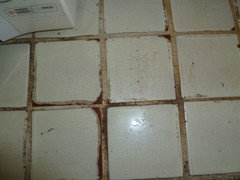
I had the original talavera on my kitchen counters and loved it ... for maybe six weeks. The grout was sealed but stained badly, especially from coffee. No amount of scrubbing helped, and in fact, I suspect we may have scrubbed off the sealant, leading to worse staining. The uneven surface was annoying because nothing sat flat, but even worse, the edges and corners of the tiles started chipping and wearing because of dishes and cookware being slid around. Then the glaze itself began to crack ... below is how it looked after just a few years. Never EV…
Mexican talavera is still made, but I understand that the formula changed a few years back because of the lead content of the glaze. As a result, people with the original tiles have had trouble matching them, even here in Mexico.
I had the original talavera on my kitchen counters and loved it ... for maybe six weeks. The grout was sealed but stained badly, especially from coffee. No amount of scrubbing helped, and in fact, I suspect we may have scrubbed off the sealant, leading to worse staining. The uneven surface was annoying because nothing sat flat, but even worse, the edges and corners of the tiles started chipping and wearing because of dishes and cookware being slid around. Then the glaze itself began to crack ... below is how it looked after just a few years. Never EVER again!
Don’t get me wrong, it’s lovely decorative tile, and on the backsplash it was like new after seven years when I gutted the kitchen. But IMO it’s not at all suitable for a kitchen counter that gets hard daily use.