Our reading stack is always diverse and this month is no different. Sometime’s we are in the mood for Chuck Klosterman’s outsider take on Football and sometimes we dive into Agustina Bazterrica’s dark dystopian worlds. Here’s what’s on our nightstands right now.
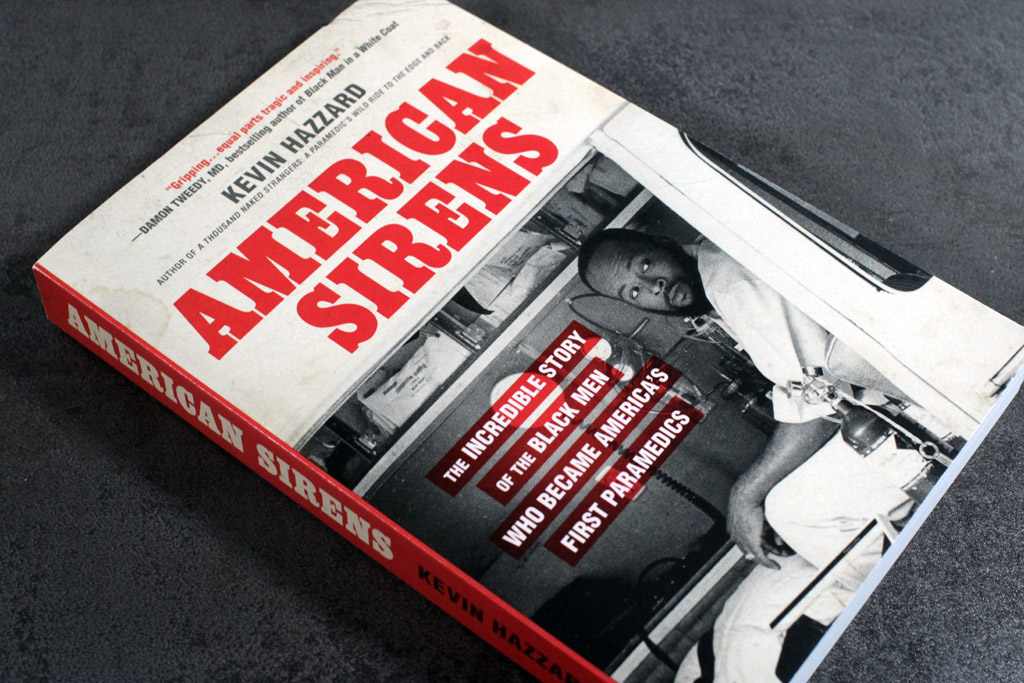
American Sirens — Kevin Hazzard
Kevin Hazzard, a journalist and former paramedic, tells the story of Freedom House EMS in Pittsburgh—Black men who helped shape modern emergency medicine when the country barely had anything like today’s ambulance system. Hazzard writes with the pace of someone who’s worked a scene: fast details, human stakes, an…
Our reading stack is always diverse and this month is no different. Sometime’s we are in the mood for Chuck Klosterman’s outsider take on Football and sometimes we dive into Agustina Bazterrica’s dark dystopian worlds. Here’s what’s on our nightstands right now.
American Sirens — Kevin Hazzard
Kevin Hazzard, a journalist and former paramedic, tells the story of Freedom House EMS in Pittsburgh—Black men who helped shape modern emergency medicine when the country barely had anything like today’s ambulance system. Hazzard writes with the pace of someone who’s worked a scene: fast details, human stakes, and a clear sense of how institutions grind people down. If you’ve read his memoir A Thousand Naked Strangers (Scribner, 2016), you’ll recognize the same eye for gallows humor and procedural reality—just aimed here at a deeper, often erased history.
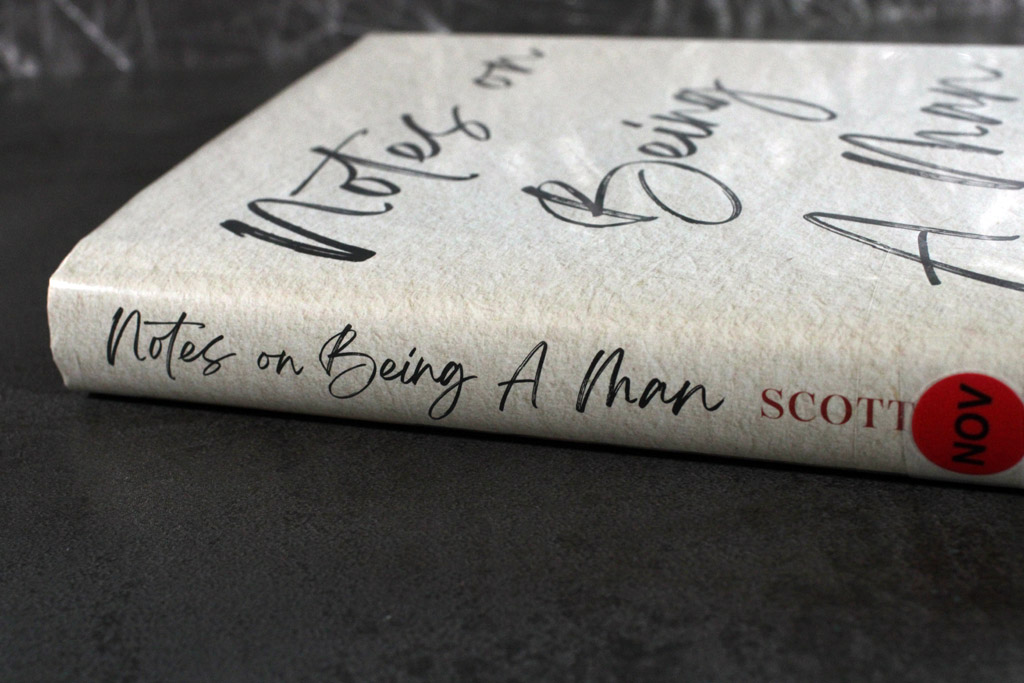
Notes on Being a Man — Scott Galloway
Scott Galloway—NYU Stern marketing professor, entrepreneur, and cohost of the Pivot podcast—writes directly to men (and anyone raising boys) about loneliness, identity, and what adulthood asks of you when the script stops working. It reads like a mix of cultural analysis and practical memo, with plenty of plainspoken life advice and a few bruises along the way. Galloway has built a mini-library of big-swing nonfiction—The Four, The Algebra of Happiness, and The Algebra of Wealth among them—so he knows how to turn complicated social data into something you can actually talk about over coffee.
Football — Chuck Klosterman
Chuck Klosterman, the critic behind Sex, Drugs, and Cocoa Puffs and The Nineties, takes American football seriously as culture—less “who should start at QB?” and more “why does this sport sit in the middle of our attention economy?” He writes in that Klosterman way: a little philosophical, a little pop, and always willing to follow a weird idea until it turns sharp. Even if you don’t track the NFL, the book plays like a field guide to the business, mythmaking, and social gravity that gathers around the game.
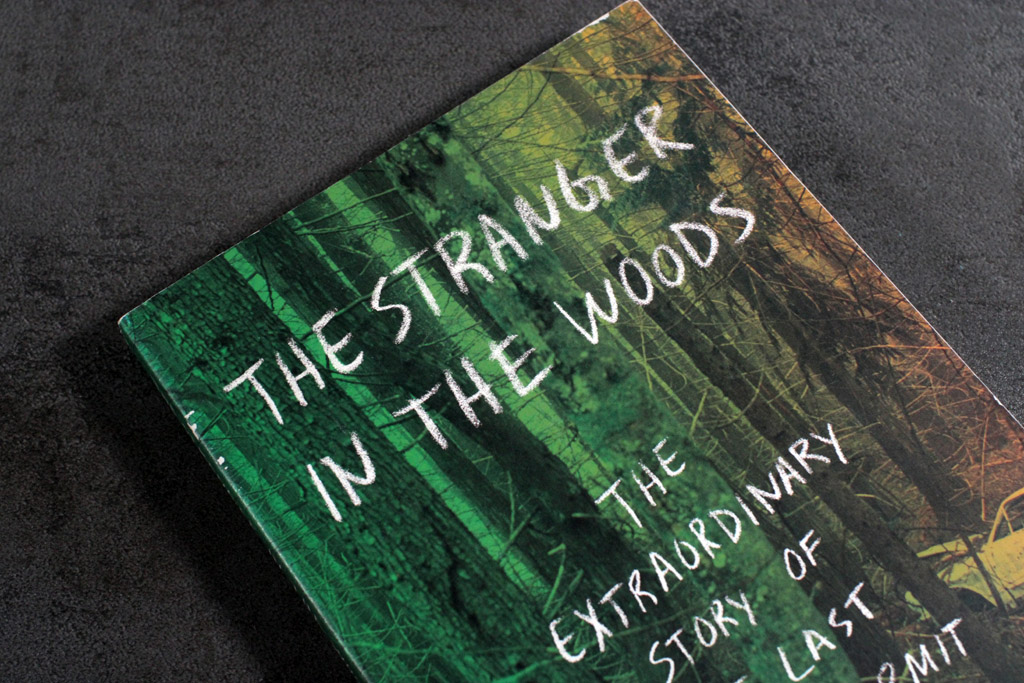
The Stranger in the Woods — Michael Finkel
Michael Finkel—also known for True Story and the art-world caper The Art Thief—reports on the real-life case of Christopher Knight, a man who lived alone in the Maine woods for decades. Finkel keeps the focus on motive and psychology rather than cheap spectacle, which makes the book feel quietly unsettling in the best way. It’s a study in solitude, modern convenience, and the stories we project onto people who step outside the normal social contract.
It Can’t Happen Here — Sinclair Lewis
Sinclair Lewis—satirist, social critic, and the first American to win the Nobel Prize in Literature (1930)—imagines a U.S. where a charismatic political figure rides public anger into authoritarian rule. The novel isn’s subtle or shy, and it resonates with our current political climate.
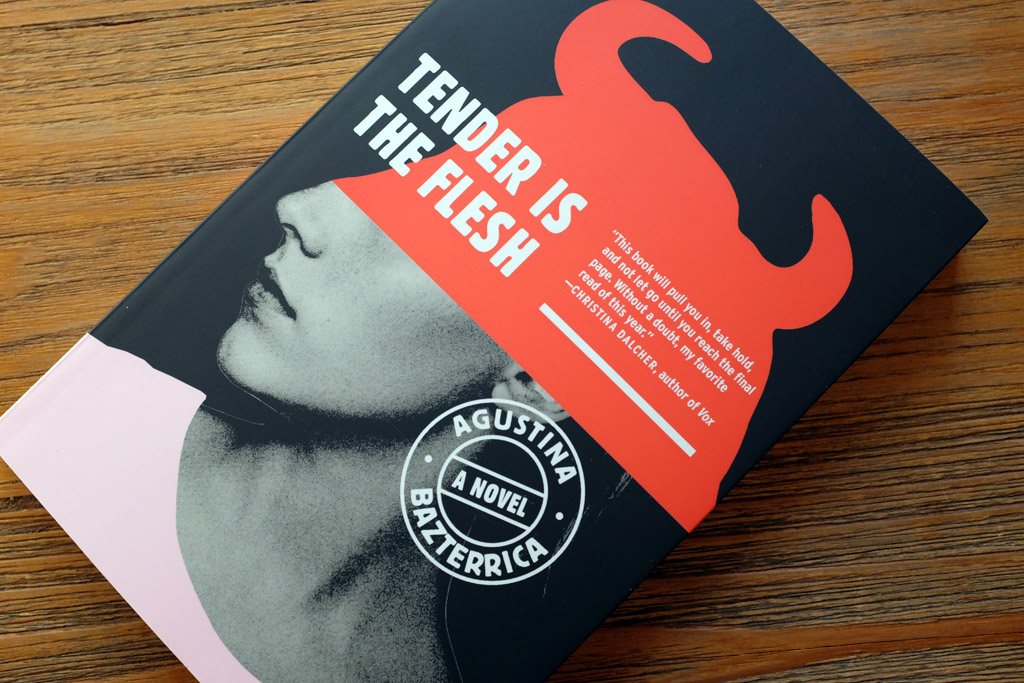
Tender Is the Flesh — Agustina Bazterrica
Agustina Bazterrica, an Argentine novelist and essayist, builds a dystopian setup that normalizes the unthinkable. The book is intense, following a man who works in the food supply chain which keeps him close to the machinery of that new normal—and close to the self-justifications people use to survive it. Bazterrica has published two novels and a short story collection, and her work tends to stare straight at the cultural stories we tell ourselves to avoid looking at what we’re doing.
Absolution — Jeff VanderMeer
Jeff VanderMeer returns to the unsettling landscape of his Southern Reach universe with Absolution, a fourth installment connected to the Annihilation / Authority / Acceptance series. VanderMeer’s fiction often mixes eco-horror with dream logic. This one leans into that signature mood and returns to the Southern Reach during an early timeline. Bureaucracies chase mysteries they can’t manage, nature behaves like an argument, and characters try to keep their footing when reality refuses to hold still.
The Buffalo Hunter Hunter — Stephen Graham Jones
Stephen Graham Jones—prolific horror writer, professor, and author of The Only Good Indians and My Heart Is a Chainsaw—brings his voice to a historical-horror frame that plays with vampire lore and American memory. Jones writes with a storyteller’s rhythm: conversational, jagged, funny, and then suddenly devastating. Expect a book that treats genre as a tool for talking about history and identity, with dread that creeps in through voice as much as plot.
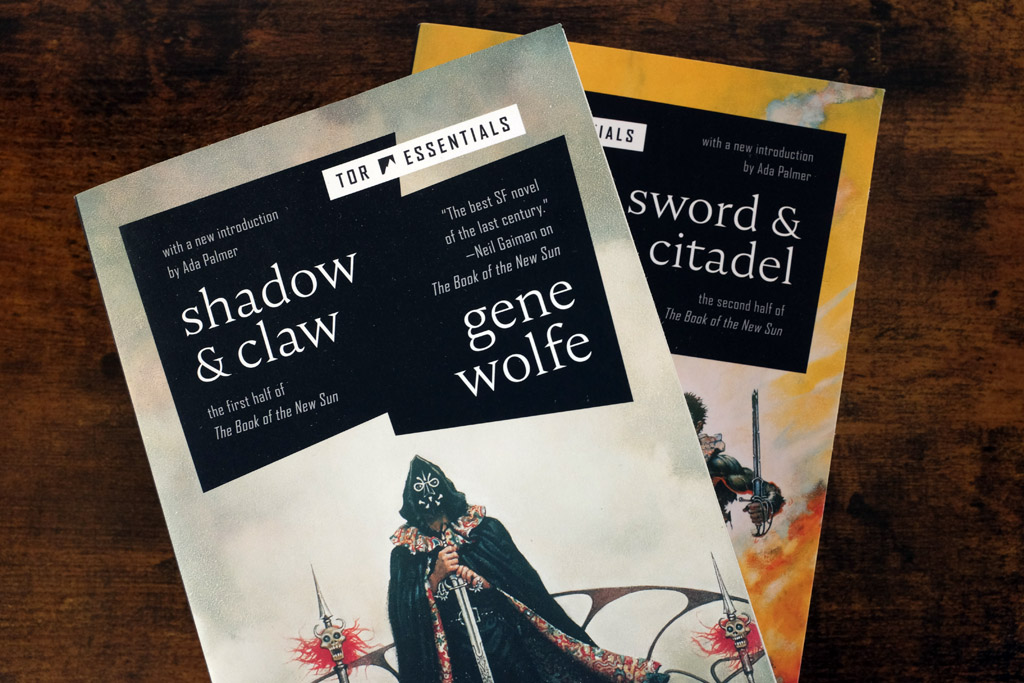
Shadow & Claw — Gene Wolfe Gene Wolfe—one of the great American stylists of science fiction and fantasy, also known for The Fifth Head of Cerberus, Peace, and the Latro novels—kicks off his legendary Book of the New Sun saga with this omnibus of the first two volumes (The Shadow of the Torturer and The Claw of the Conciliator). It’s framed as a memoir from Severian, an apprentice in a guild of torturers who gets cast out and pushed into a strange, decaying far-future world (Urth) where history feels half-remembered and every conversation carries subtext. The interesting part is how you’re always piecing together what’s happening, what’s implied, and what your narrator might be hiding.