For many players, the appeal of a certain style of RPG is not about massive open worlds or endless loot grinds. It is about charm, timing-based combat, expressive characters, and stories that balance humor with emotional weight. No game showcases this more than Paper Mario, with perhaps Paper Mario: The Thousand-Year Door being the only other. But this particular blend of turn-based mechanics and playful presentation has become increasingly rare, especially as larger studios chase spectacle over personality.
While Nintendo has stepped away from the roots of the series, other developers have stepped in to reinterpret what makes this subgenre special. Across indie and mid-sized studios, creati…
For many players, the appeal of a certain style of RPG is not about massive open worlds or endless loot grinds. It is about charm, timing-based combat, expressive characters, and stories that balance humor with emotional weight. No game showcases this more than Paper Mario, with perhaps Paper Mario: The Thousand-Year Door being the only other. But this particular blend of turn-based mechanics and playful presentation has become increasingly rare, especially as larger studios chase spectacle over personality.
While Nintendo has stepped away from the roots of the series, other developers have stepped in to reinterpret what makes this subgenre special. Across indie and mid-sized studios, creative teams have embraced clever battle systems, puzzle-driven exploration, and handcrafted worlds. These games do not simply imitate a beloved formula. These five games expand on it, remix it, and sometimes take it in surprising new directions while preserving the spirit that fans crave.
5) The Outbound Ghost
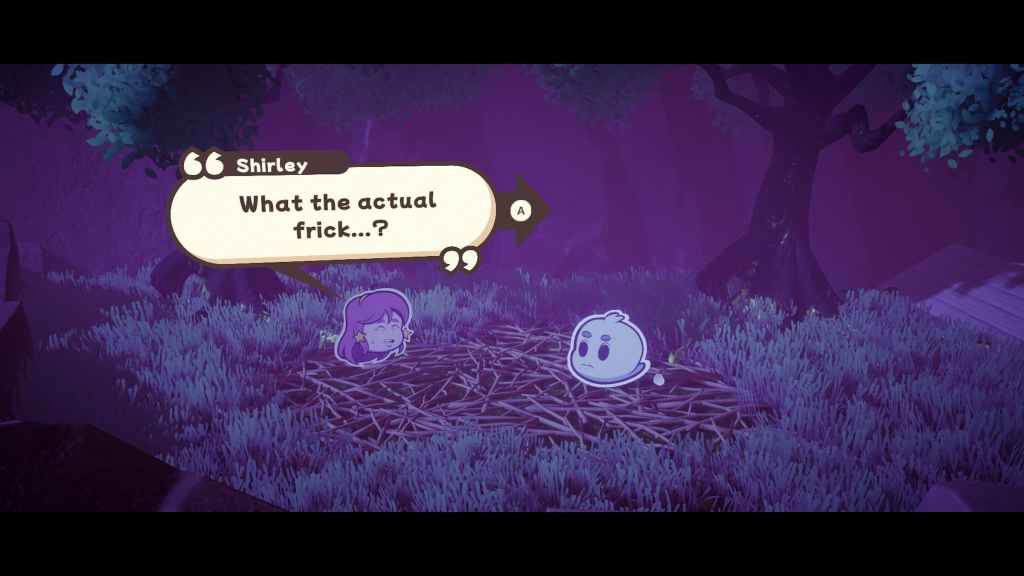 image courtesy of conradical games
The Outbound Ghost wears its inspiration proudly, especially in its visual style. Characters are flat, paper-like ghosts outlined against a storybook world, immediately evoking the charm of classic storybook RPGs. That aesthetic is not just surface-level. It informs the tone of the entire game, which balances humor with surprisingly reflective themes about identity and closure.
Combat is turn-based and timing-focused, emphasizing positioning and pattern recognition rather than raw statistics. Battles often feel like small puzzles, with enemies requiring specific approaches to defeat efficiently. The sheer depth of the combat is staggering and may overwhelm some Paper Mario players. But once it clicks, it allows for incredibly clever combos and strategies.
Exploration is where The Outbound Ghost truly shines. Environmental puzzles are frequent and cleverly integrated into the world. Players use abilities tied to their ghostly nature to manipulate objects, uncover secrets, and progress through areas that feel handcrafted rather than procedurally designed.
Narratively, the game explores themes of regret and unfinished business through a lighthearted lens. While the narrative could have more depth, especially with its characters, it mirrors the balance of humor and heart that fans love. Of all the entries on this list, The Outbound Ghost feels closest in tone and visual identity, making it an easy recommendation for anyone craving that familiar charm.
4) Born of Beard
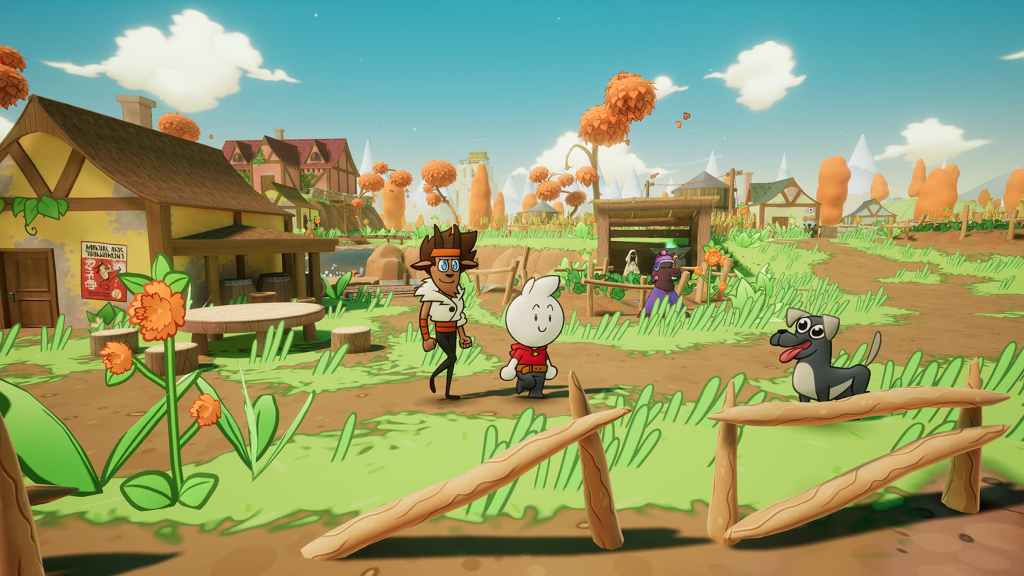 image courtesy of wildArts games
Born of Bread takes the concept of a whimsical RPG world and leans into it fully. Set in a universe populated by sentient food and fantastical creatures, the game immediately establishes a playful identity. Its bright visuals and expressive animations create a world that feels alive and inviting. The storytelling reflects this, remaining lighthearted but earnest, focusing on themes of belonging and purpose. For players who love expressive companions, interactive combat, and colorful worlds, Born of Bread captures many of the qualities that made classic RPGs so memorable.
The battle system is where Born of Bread draws the strongest parallels. Combat features turn-based encounters enhanced by interactive elements that reward timing and attention. Blocking, attacking, and special abilities all involve player input, ensuring that battles remain engaging throughout the adventure.
What sets Born of Bread apart is its emphasis on party synergy. Characters bring unique abilities that interact in meaningful ways, encouraging experimentation. Choosing the right companions can dramatically change how battles unfold, adding strategic depth without overwhelming complexity.
Puzzle design is equally thoughtful. Dungeons frequently ask players to think creatively, using character abilities in combination to solve environmental challenges. This keeps exploration fresh and reinforces the idea that progression is tied to cleverness rather than grinding, echoing many of the same fundamentals of Paper Mario.
3) Sea of Stars
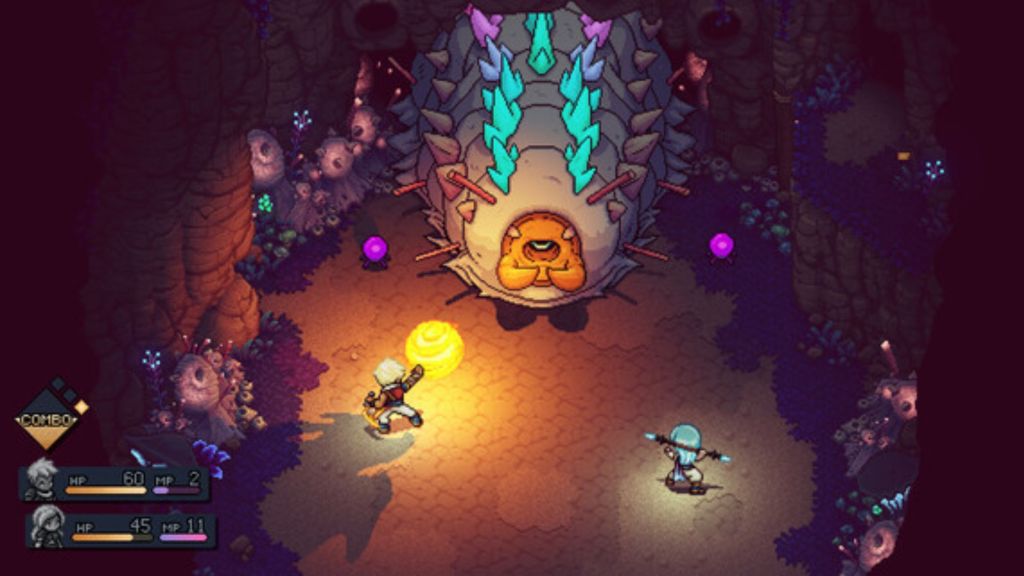 Image courtesy of Sabotage Studio
Sea of Stars approaches the genre from a slightly different angle, blending traditional JRPG influences with modern design sensibilities that make it feel like *Paper Mario *meets Chrono Trigger. Its pixel art aesthetic is lush and meticulously animated, creating a world that feels timeless yet contemporary. Narratively, Sea of Stars leans into epic fantasy while maintaining moments of humor and warmth. Its characters are earnest and likable, and the story unfolds at a measured pace that encourages investment.
Combat is turn-based but highly interactive. Timing-based attacks and blocks are central to success, rewarding precision and focus. The standout mechanic is the lock system, where enemies prepare powerful abilities that players can interrupt by exploiting weaknesses. This transforms battles into strategic puzzles rather than simple exchanges of damage.
Exploration emphasizes fluidity. Characters can climb, swim, and interact with the environment in ways that reduce friction and maintain immersion. Puzzles are integrated seamlessly throughout the world, often requiring players to manipulate objects or coordinate abilities in intuitive ways. The world of Sea of Stars is a delight to experience, even when there are no puzzles or encounters in sight.
While its tone is more serious than some alternatives, Sea of Stars shares the philosophy that combat should be active and engaging. It appeals strongly to players who value timing-based mechanics and thoughtful encounter design over pure nostalgia. Its characters and world offer plenty of personality while still striking a balance between charming and weighty narratives.
2) Clair Obscur: Expedition 33
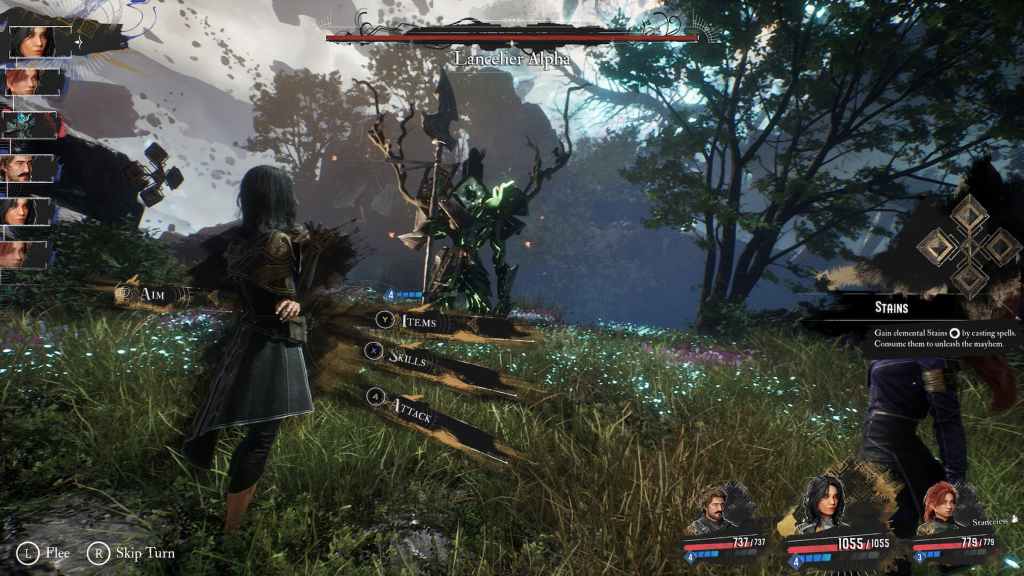 image courtesy of sandfall interactive
Like Sea of Stars, Clair Obscur: Expedition 33 departs from the norm. While its aesthetic leans toward painterly realism rather than storybook charm, its core mechanics embody the spirit of interactive turn-based RPGs. Its aesthetic may be wildly different, but in a way, it feels like an evolution of the paper-like world and characters of Paper Mario.
Combat blends traditional turn-based structure with real-time elements that demand precision. Timing attacks, defensive maneuvers, and ability execution require active participation, making every encounter feel tense and deliberate. Battles often resemble rhythm-based challenges layered atop strategic decision-making. Puzzles and exploration emphasize atmosphere and discovery. Environments feel surreal and symbolic, encouraging players to pay attention to visual cues and environmental storytelling. Progression often requires observation rather than explicit instruction.
Narratively, the game tackles darker themes, focusing on mortality, inevitability, and resistance. While this marks a tonal departure, it demonstrates how the core principles of interactive combat and thoughtful pacing can thrive in very different settings. For players seeking a mature, experimental evolution of familiar mechanics, Clair Obscur: Expedition 33 offers a compelling glimpse into how this style of RPG can grow beyond its origins while retaining what makes it special.
1) Bug Fables: The Everlasting Sapling
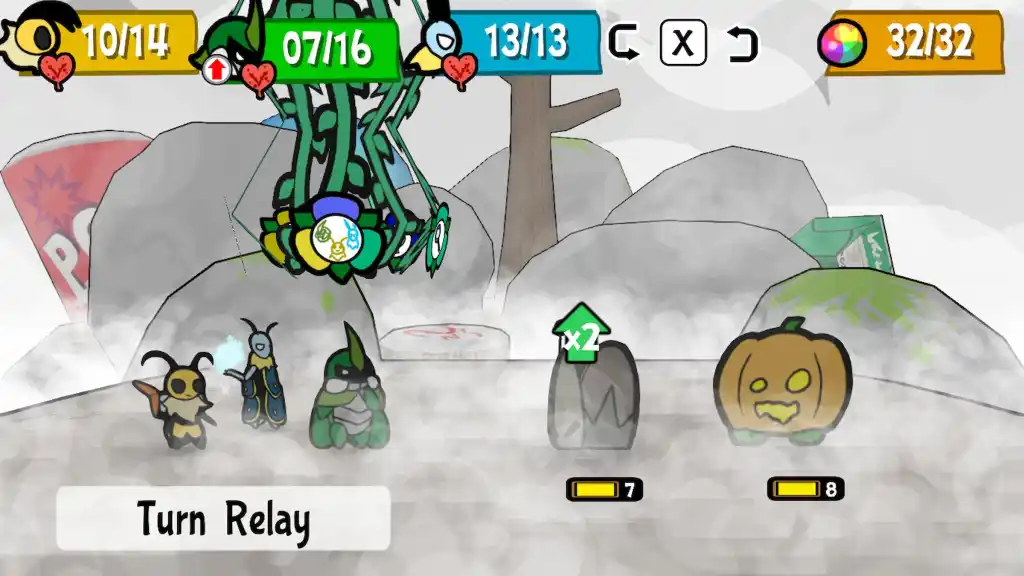 image courtesy of moonsprout games
Bug Fables: The Everlasting Sapling is often considered the gold standard for modern Paper Mario alternatives, and for good reason. Its art style immediately recalls classic paper-inspired RPGs, with flat characters and expressive animations that convey personality with minimal dialogue. Everything about the game feels like Nintendo’s classic series, almost to the point where it feels like it was involved with development.
The battle system is where Bug Fables truly excels. Turn-based encounters are enhanced by action commands, resource management, and a badge-like system that allows players to customize their abilities. Positioning matters, enemy patterns are varied, and strategy is rewarded consistently. Those familiar with Paper Mario will feel right at home with Bug Fables.
One of the game’s strongest elements is its party dynamic. The three main characters each bring distinct abilities that extend beyond combat. Field skills are used to solve puzzles, access hidden areas, and interact with the world in meaningful ways. This integration between exploration and battle feels seamless. And while players only have three cast members to use, the bond and stories between them more than make up for this.
The story strikes a perfect balance between humor and sincerity. While the world is charming and often funny, it also explores themes of legacy, duty, and cooperation. For many fans, Bug Fables feels like a natural evolution of the formula rather than a simple imitation. No game feels more like Paper Mario than Bug Fables, and fans have been eager to see what Moonsprout Games is working on, with many hoping there will be a sequel.
What do you think? Leave a comment below and join the conversation now in the ComicBook Forum!