Competition between the United States and China could help drive global progress, but only if both powers exercise restraint in sensitive areas such as nuclear technology and artificial intelligence, Singapore President Tharman Shanmugaratnam has said.
Speaking at the annual meeting of the World Economic Forum in Davos on Wednesday, Tharman said rivalry between the two superpowers could yield broad benefits if innovations were widely shared and not allowed to undermine global stability.
Innovations born of competition could lead to “mass flourishing” if the gains were shared widely, he said. “They will compete furiously in new t…
Competition between the United States and China could help drive global progress, but only if both powers exercise restraint in sensitive areas such as nuclear technology and artificial intelligence, Singapore President Tharman Shanmugaratnam has said.
Speaking at the annual meeting of the World Economic Forum in Davos on Wednesday, Tharman said rivalry between the two superpowers could yield broad benefits if innovations were widely shared and not allowed to undermine global stability.
Innovations born of competition could lead to “mass flourishing” if the gains were shared widely, he said. “They will compete furiously in new technologies, and for economic supremacy that will not be without benefit for the world.”
He added that both superpowers had to recognise that accommodation and flexible cooperation would serve the national interests of both parties.
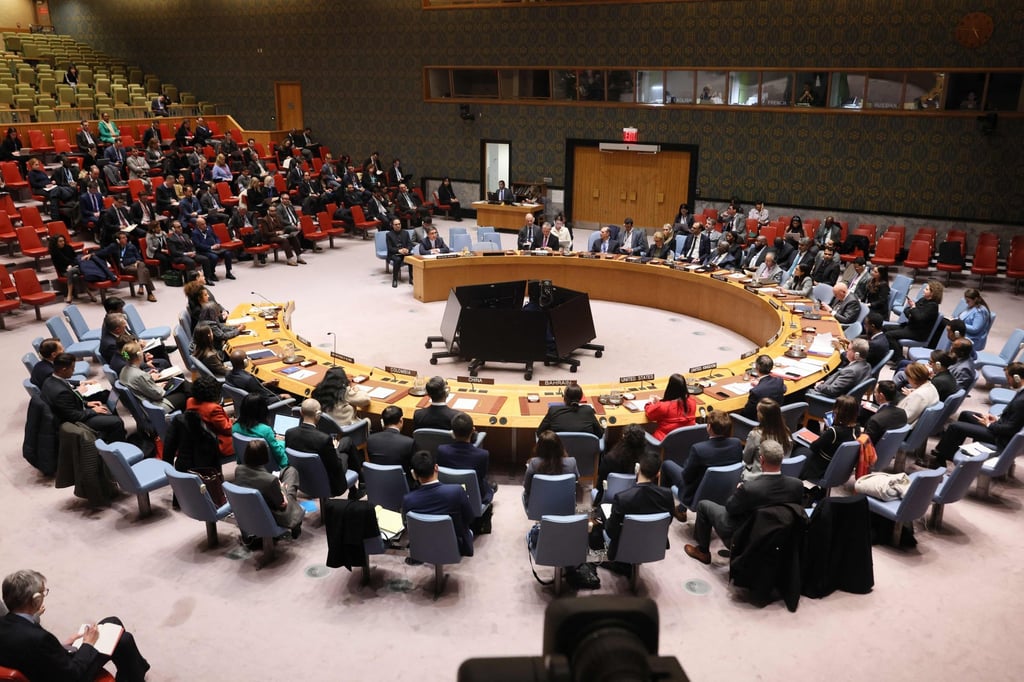
Members of the UN Security Council during a meeting on the situation in Iran at the UN headquarters in New York City on January 15. Photo: Getty Images via AFP
Tharman warned against silent acceptance of diminishing norms and trust in multilateral institutions such as the United Nations, noting that the world was now a multipolar one.