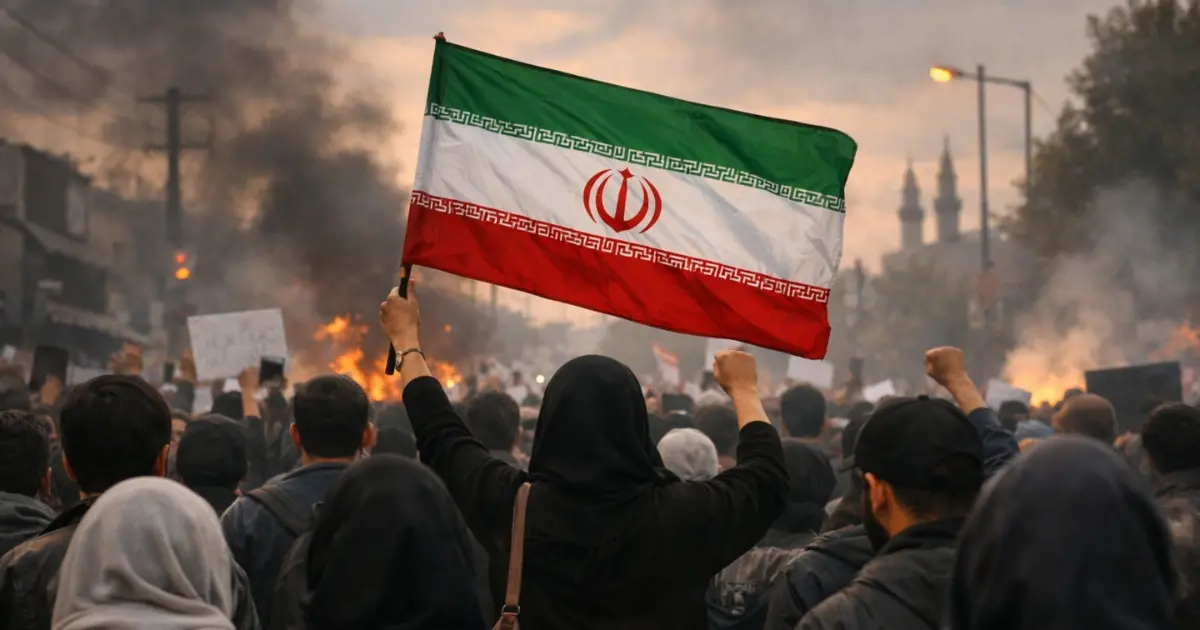
Since late last year, the protests taking place in Iran have gone beyond the country’s internal socio-political agenda and have become one of the main topics of regional and international political debate. On the one hand, these processes are assessed as an open manifestation of social, economic, and institutional problems that have accumulated in Iranian society over a long period of time. On the other hand, some approaches argue that the protests are not limited solely to spontaneous public discontent, but are being directed within the framework of the geopolitical interests of certain external actors.
It is precisely these contradictory yet not mutually exclusive approaches that make it necessary to analyze the events observed in Iran not only as an expression of socio-economic grie…
Since late last year, the protests taking place in Iran have gone beyond the country’s internal socio-political agenda and have become one of the main topics of regional and international political debate. On the one hand, these processes are assessed as an open manifestation of social, economic, and institutional problems that have accumulated in Iranian society over a long period of time. On the other hand, some approaches argue that the protests are not limited solely to spontaneous public discontent, but are being directed within the framework of the geopolitical interests of certain external actors.
It is precisely these contradictory yet not mutually exclusive approaches that make it necessary to analyze the events observed in Iran not only as an expression of socio-economic grievances but also within a broader and multidimensional political and security framework, in the context of the country’s internal political stability, security mechanisms, and regional-geopolitical balances.
Causes of the protests – an internal Iranian perspective
Iran’s Ambassador to Azerbaijan, Mojtaba Demirchilou, who was in Iran during that period and directly observed the processes on the ground, stated in an interview with APA that the initial phase of the protests was shaped not by political calls, but by socio-economic grievances.
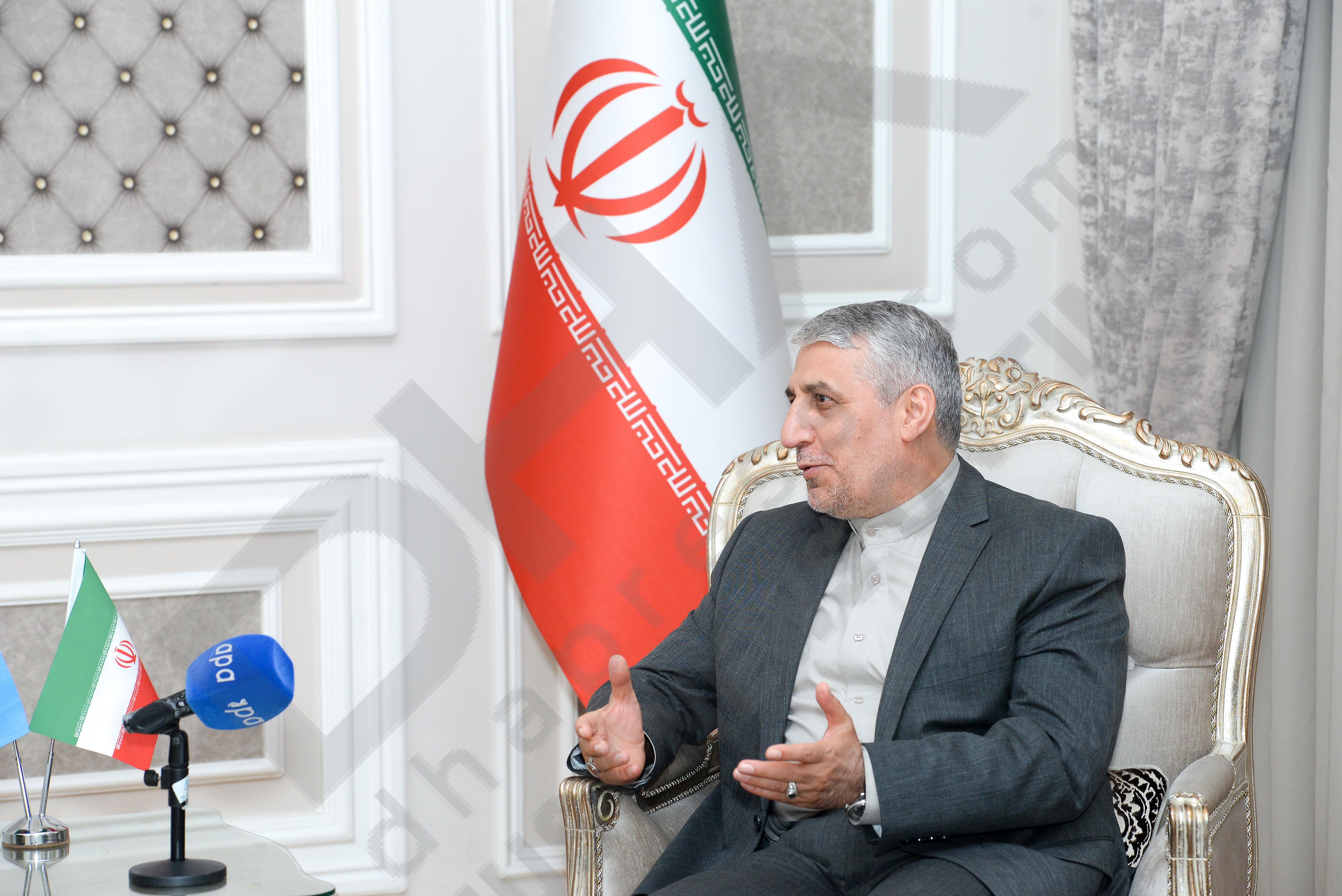
According to him, at the outset of the process, public concerns related to economic reforms, pricing policies, and everyday living conditions came to the forefront as the main motivating factors. In this regard, the ambassador emphasized that at the initial stage the protests did not pursue the goal of political confrontation, but rather emerged as an expression of socio-economic demands: “In late December, the government’s announcement of a new reform package regarding the prices of subsidized gasoline and basic food products created instability in the market and led to protests by the ‘Bazaar’ community, which possesses socio-political influence alongside its economic role. The closure of shops was assessed as a symbolic expression of this discontent. At the initial stage, the protests were peaceful in nature, and the government was able to bring the situation under control through President Pezeshkian’s dialogue with entrepreneurs. However, on January 8–9, calls by radical opposition groups operating abroad shifted the process to a different plane. Peaceful protests were quickly replaced by violence and riots, with civilian facilities and security forces deliberately targeted.”
The ambassador believes that although economic difficulties created real grounds for dissatisfaction, the transformation of the protests into a security crisis was the result of a pre-planned scenario driven by external factors.
Mojtaba Demirchilou assesses certain statements voiced by U.S. officials as clear examples of interference in the internal affairs of another state. According to him, such irresponsible statements, which contradict the fundamental principles of international law, are part of the “hybrid war” being waged against Iran and demonstrate the existence of a targeted strategy aimed at destabilizing the country.
Regional perspective – how Iran’s neighbors see the causes

Turkish political commentator and professor Aylin Ünver Noi told APA that the protests observed in Iran are rooted in long-accumulated socio-economic problems, which have deepened further against the backdrop of the impact of sanctions on the economy: “The main reason for the recent protests in Iran is the deepening economic crisis within the country over a long period and the social discontent it has generated. High inflation, unemployment, rising prices of basic daily necessities, and the persistent impact of sanctions on the economy have increased social tension among broad segments of the population. At the same time, dissatisfaction related to freedoms, opportunities for political participation, and governance mechanisms has existed in society for years as structural problems, creating fertile ground for protests.”
Syrian political commentator Ammar Kahf, for his part, links the causes of the protests in Iran not only to internal social grievances, but also to a broader regional and strategic context.
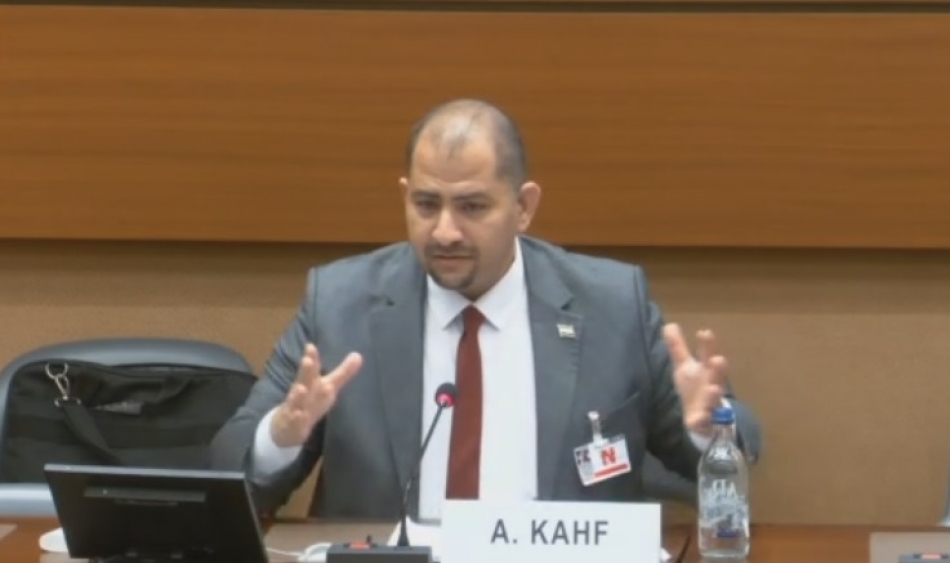
In his view, although the current protests differ from previous waves in terms of scale and intensity, they are essentially the result of the internal burden created by Iran’s long-standing security-centered and proxy-based regional strategy.
“The allocation of a large portion of Iran’s resources to external fronts, particularly to financing proxy forces, has led to a weakening of social welfare and institutional resilience within the country,” Ammar Kahf told APA.
The view from across the ocean
American political commentator Paolo von Schirach assesses the unrest in Iran as the result of long-accumulated dissatisfaction within Iranian society.

In his opinion, a serious sense of fatigue and distrust toward the government has formed in Iranian society, and this has now transformed into discontent not only among isolated social groups, but across broad segments of the population.
The American expert told APA that, alongside internal factors, the current weakness of the Iranian state is also one of the main causes of the unrest: "The difficult state of the economy, the shortage of basic daily necessities, and the sharp decline in social welfare have further increased tensions in society. At the same time, the fact that the Iranian army and the Revolutionary Guard Corps have suffered serious blows as a result of attacks carried out by the US and Israel in recent months stands out as an additional factor weakening the state’s security capabilities."
Western perspective – what does France see?
French political commentator Gilles Mihaeli, in his comments to APA, explained the causes of the protests in Iran through a long-term and multi-layered structural crisis.
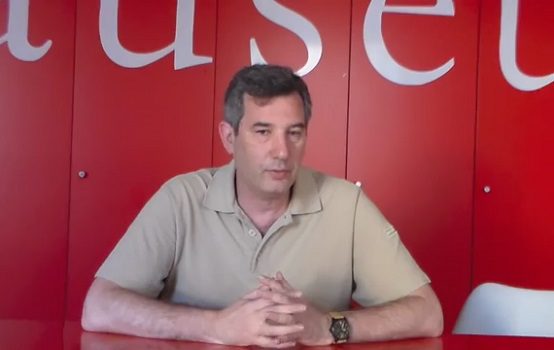
In his view, the current unrest is not merely the result of momentary social dissatisfaction, but the culmination of political, economic, and ideological problems that have accumulated over the past 25 years: “Inflation, the devaluation of the national currency, unemployment, housing shortages, and a sharp decline in purchasing power have deepened despair within society. Western sanctions, systemic corruption, and poor economic governance have seriously limited the state’s ability to maintain social stability.”
Possible regional impacts
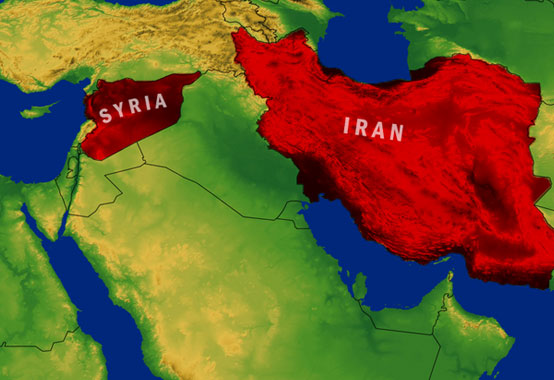
The protests taking place in Iran are not limited solely to the country’s internal political stability; they are also assessed as a factor with potential impact on the region and the Middle East. Given that Iran has played an important role for many years in regional security, energy, and political processes, the uncertainty emerging within the country is being closely monitored by neighboring states and regional actors. The course of these processes raises the possibility of changes in Iran’s regional policy priorities, a reduction in opportunities for external intervention, or, conversely, the selection of a tougher foreign policy line to divert attention. In this regard, it appears likely that events in Iran may influence political and security discussions across a wide geography, from Syria to Türkiye.
Turkish political commentator and professor Aylin Ünver Noi assesses the possible impact of the protests in Iran on Türkiye mainly through the prism of security, economy, and regional stability: “Any large-scale instability would not only deepen Iran’s own problems, but would also create additional risks for regional countries, including Türkiye. The fact that the protests have not so far reached the level of regime change is assessed by Ankara primarily as a manageable situation.”**
**Syrian political analyst Ammar Kahf **emphasized that although the protests in Iran are unprecedented in terms of scale and intensity, they remain unclear so far in terms of unified leadership and a concrete political program. Qahf added that Iran has already significantly retreated militarily and politically in Syria compared to previous years.
What could happen next?
Professor Aylin Unver Noi believes that at this stage, the protests are unlikely to result in a change of government, and the processes may be shaped more towards managing socio-economic discontent.
Ammar Kahf, on the other hand, assesses the consequences of the events in Iran more through the prism of gradual and indirect changes.
In his view, the probability that the protests will lead to an immediate and radical change of power in the near term is not high; however, the processes may draw the Iranian state into a prolonged phase of internal preoccupation: “The final outcome of events will depend on the nature of the political transformation that will take place in Iran. If changes proceed along a more pragmatic line focused on internal recovery, this could have a stabilizing effect for the region. Otherwise, uncertainty and a weak central authority could generate new risks.”
Will the United States intervene in Iran?
One of the main questions at the center of international debates amid the protests in Iran is whether the United States will directly intervene in the processes. Taking into account Washington’s previous regional experiences, current global priorities, and potential risks, this issue is assessed not only in military terms but also across political, diplomatic, and strategic dimensions. The U.S. position is characterized by a cautious approach shaped by the course of events.
According to the assessment of** American political commentator Von Schirach**, direct U.S. intervention in the protests in Iran at the current stage would be an extremely complex and risky scenario both politically and militarily.

In his view, Washington is unable to accurately predict the depth and consequences of the processes unfolding inside Iran: “This uncertainty is one of the main factors preventing the United States from making hasty decisions. Sanctions can only be effective when applied with broad international participation, whereas limited sanctions imposed unilaterally by the U.S. may not force the Iranian authorities to take serious steps back. Military intervention is even more problematic, as strikes in urban environments where unarmed protesters are present could lead to humanitarian consequences and produce the opposite political effect. The U.S. can take tough steps only if there is a clear objective, a broad coalition, and a long-term strategy. Otherwise, Washington’s position will remain limited to a policy of cautious pressure.”
Final political conclusion
Although the protests in Iran are essentially rooted in socio-economic problems, the course of the process has taken them beyond the narrow framework of internal dissatisfaction into a multidimensional political and security arena. While internal structural crises, governance deficiencies, and the pressure created by sanctions have formed a real foundation, the positions and statements of external actors have led to the protests being interpreted within a geopolitical context. The current situation indicates that Iran has entered a decisive phase not only in terms of its internal stability, but also with regard to regional balance and security architecture. The outcome of the processes will be determined by internal political decisions and the behavior of the international environment.
Faiq Mahmudov
Ilgar Khudiyev
Daryanur Jafarova