What can we do to make games that could be considered art?
Hello all! With 2025 behind us now, it has been the time to compile our experiences from the last 12 months and look at what the future brings us. Last year has been massive for the Kalia project on the technical front, with the game finally entering "alpha" stage and many of its systems and mechanics maturing into a state very close to finalized. The journey ahead is still long as the next hurdle to overcome is filling out content for the game’s planned 10 or so chapters, but the path has never seemed clearer for Kalia and the Fire Staff!
However, this devlog is not about the technical aspects of the game, or its development plans. Rather, I’ve been wanting to discuss the **evolution of the core cultural values behind t…
What can we do to make games that could be considered art?
Hello all! With 2025 behind us now, it has been the time to compile our experiences from the last 12 months and look at what the future brings us. Last year has been massive for the Kalia project on the technical front, with the game finally entering "alpha" stage and many of its systems and mechanics maturing into a state very close to finalized. The journey ahead is still long as the next hurdle to overcome is filling out content for the game’s planned 10 or so chapters, but the path has never seemed clearer for Kalia and the Fire Staff!
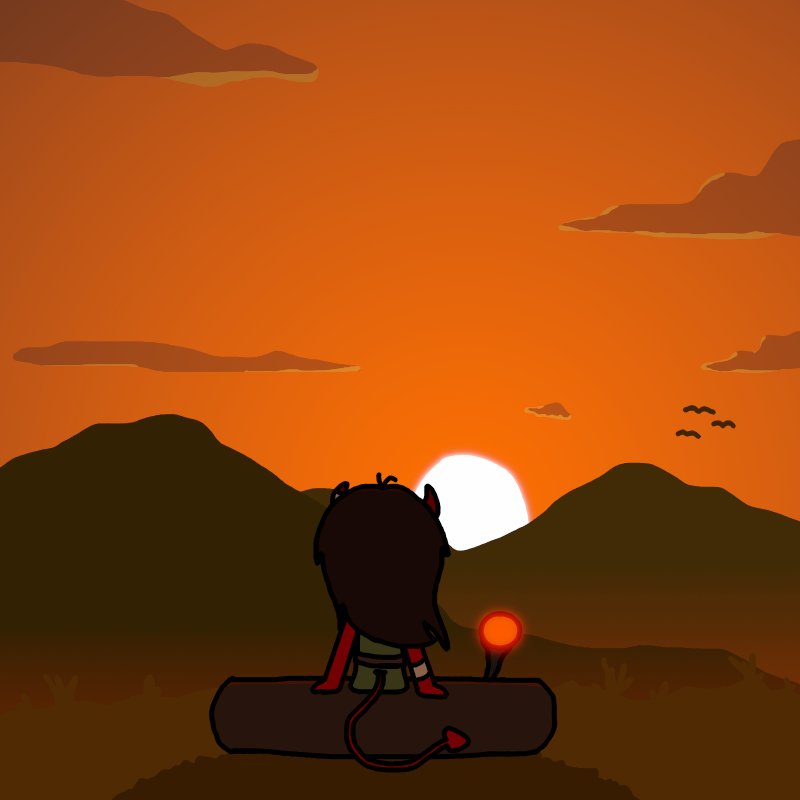
However, this devlog is not about the technical aspects of the game, or its development plans. Rather, I’ve been wanting to discuss the evolution of the core cultural values behind the project, which have also seen a major change in the last year, thanks to a lot of soul-searching around the game’s narrative and my own personal life. What started as me wanting to share a story and create an experience around Kalia’s character has evolved into a desire to use the medium of games as a way to showcase real-life cultures, environments and experiences to the greater world; elevating it, celebrating it, and hopefully sharing valuable messages through the games I develop. I’m aware it is quite the ambition for a lone indie dev, but I also believe we as creators should allow ourselves to dare to dream.
 ****
****
THE CONTEXT
It doesn’t matter if you’re a writer, composer, visual artist or game developer. The context in which you’ve grown up in, your life experiences and perspective leave a trace in your works. Some may try to sanitize it out, but in doing so end up stripping their creation of its passion. Instead, I believe that the best works are those that lean in heavily on the authors’ own experiences, since they’ll inevitably be what they know best and feel the most passionate about. In this section, I’d like to provide some context for the background behind the Kalia project and its cultural influences, as an example.
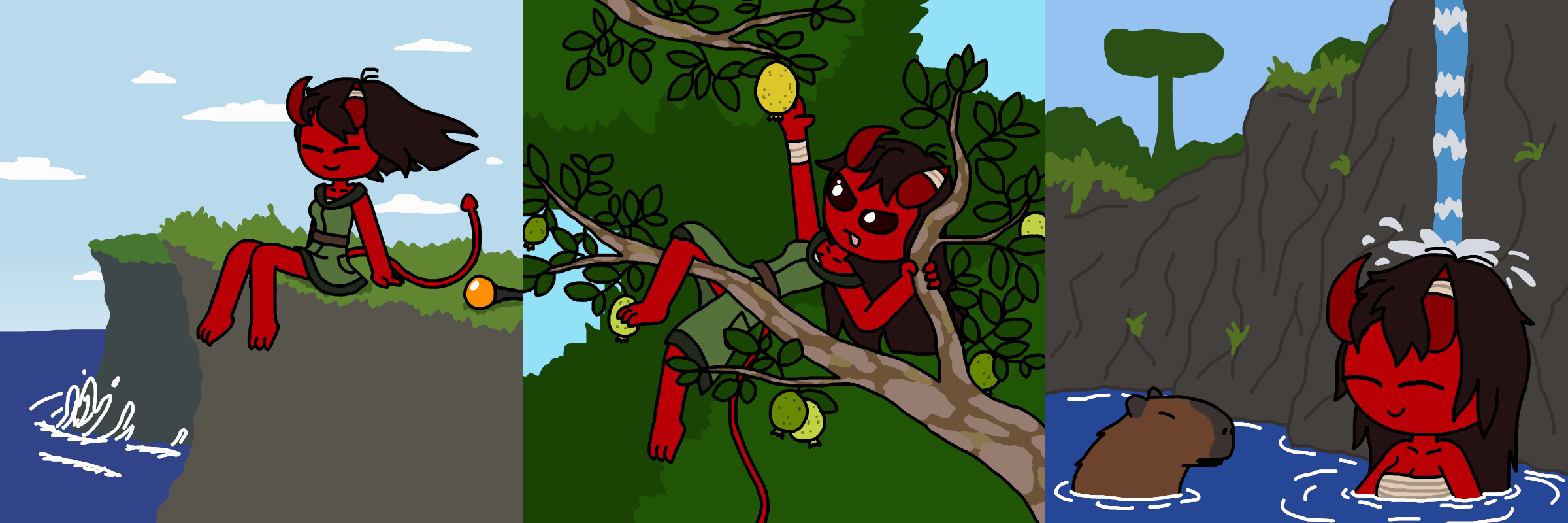
Kalia’s story is the brainchild of a Southern Brazilian who got to grow up in an interior city during the late 90s all the way to the 2000s and 2010s. Since it used to be a backwater region away from the Brazilian core and still catching up with development, it provided for very interesting childhood memories and experiences, many of which have left their mark on myself. Showering under waterfalls, climbing trees for guava fruit, going camping in the wilderness, hiking up the lush hills... I could spend far too long reminiscing.
*Kalia’s character was subconsciously created out of these experiences. *The bucolic environments, colonial era culture and exotic locations to explore naturally made for a great setting for a video game.
When thinking of Brazil, most foreigners will immediately think of Rio de Janeiro, Carnaval, the Amazon Jungle... And to be fair, these are memorable for a good reason! But there’s obviously a massive blind spot in how much foreigners know about Brazil and the regions outside of its core, such as the Northeast, Center and South. For example, did you know some of the higher regions in the South can actually experience snowfall during the winter?
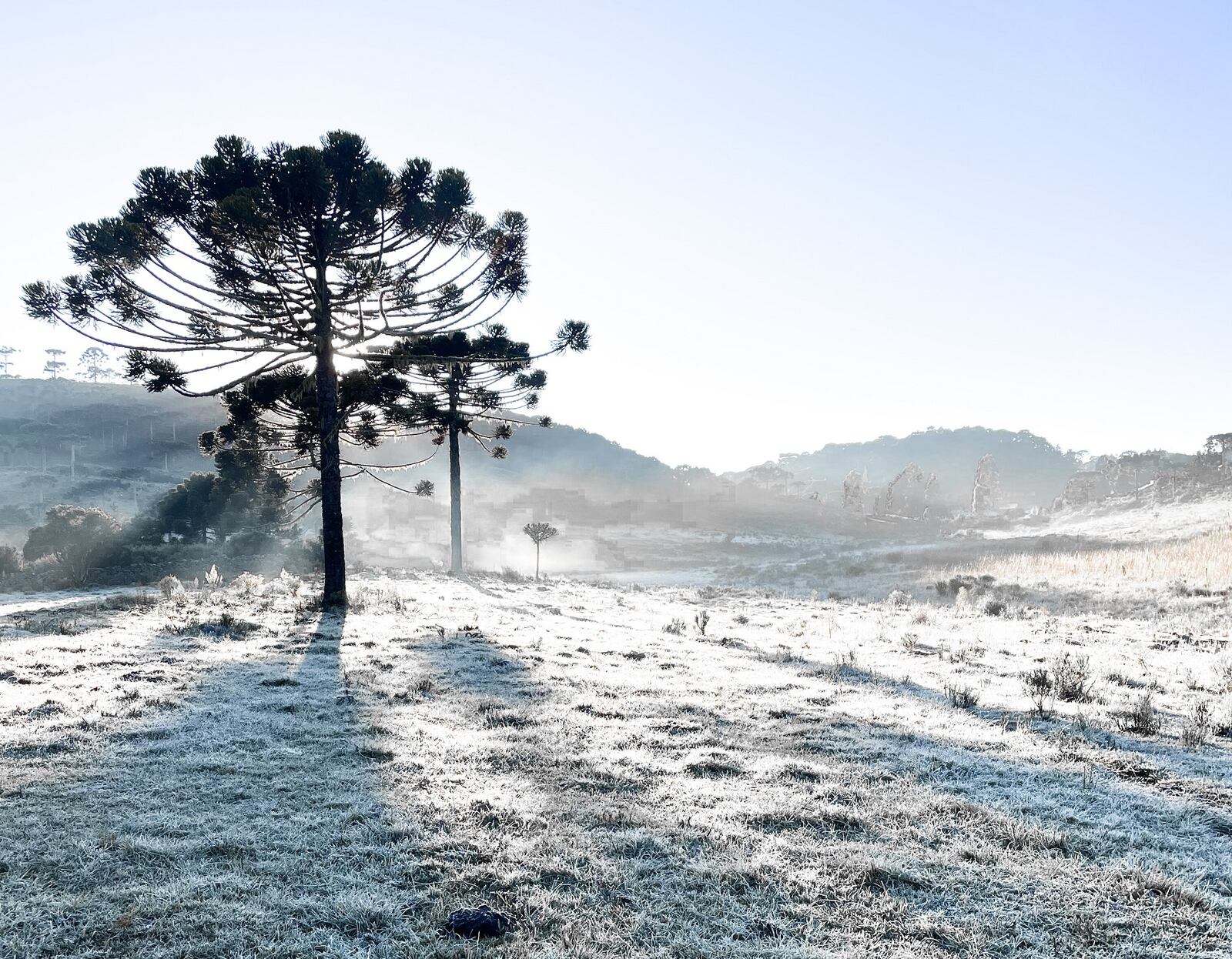
(Snowy morning in the highlands of the Brazilian South. Source: R7)
Southern Brazil is brimming with local culture, eager to be shared but still timid in some aspects. 2025 for me was a year of reconnecting with my birthplace and realizing the value our local culture has that I’ve took for granted for so long. The sub-tropical jungles, the pampas, the araucária trees, the wildlife (including the beloved capybaras!), the unusual mixture of Germanic and Italian cultures with the Brazilian landscape which has created an unique blend of "Tropical Germanic" not commonly seen in media...
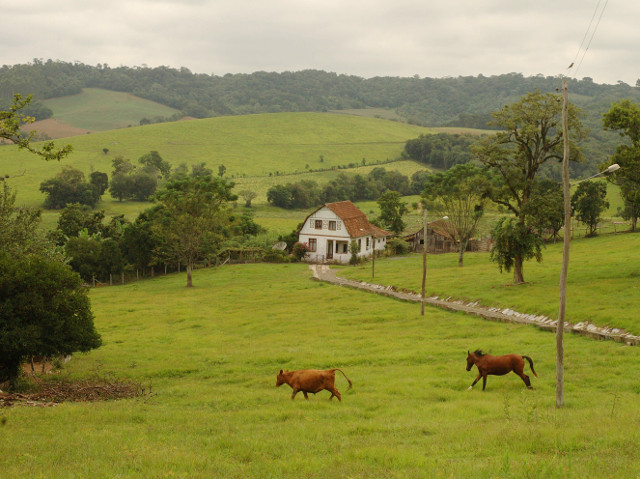
(The Southern Brazilian bucolic landscapes that serve as an inspiration for Kalia’s setting. Source: Epagri)
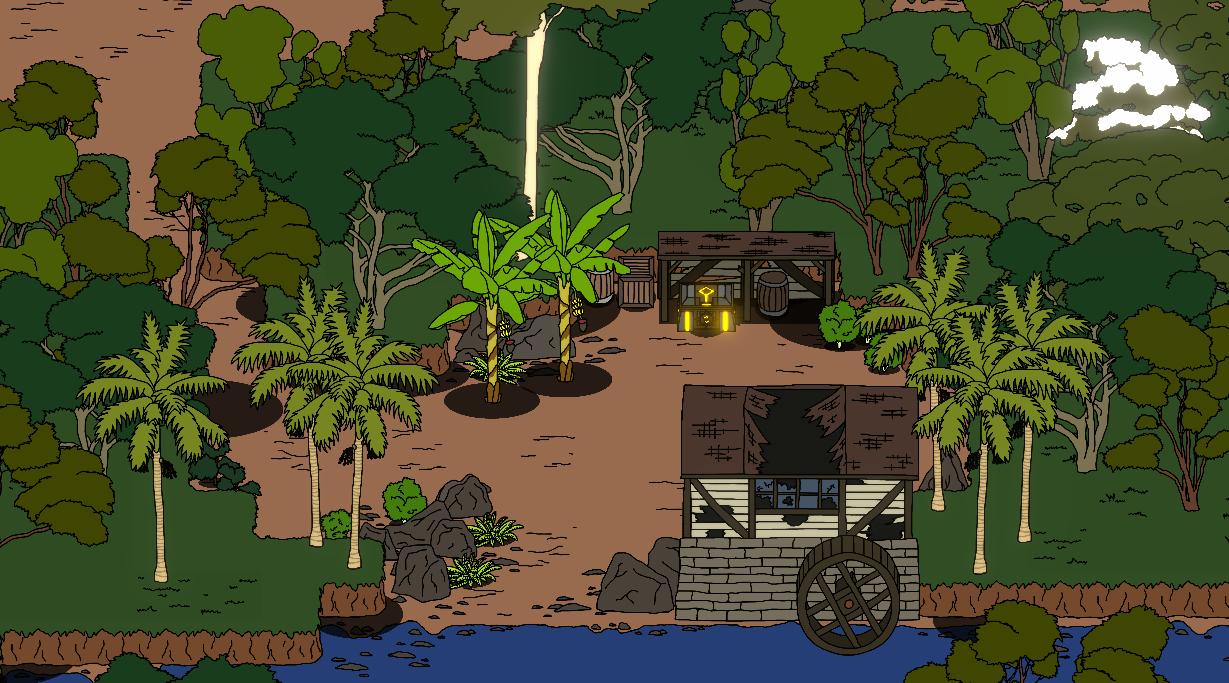
(An environment in KatFS inspired by the Brazilian South’s interior region, with a dilapidated water mill.)
Oh and how could I possibly forget the "Largest Oktoberfest of the Americas"?
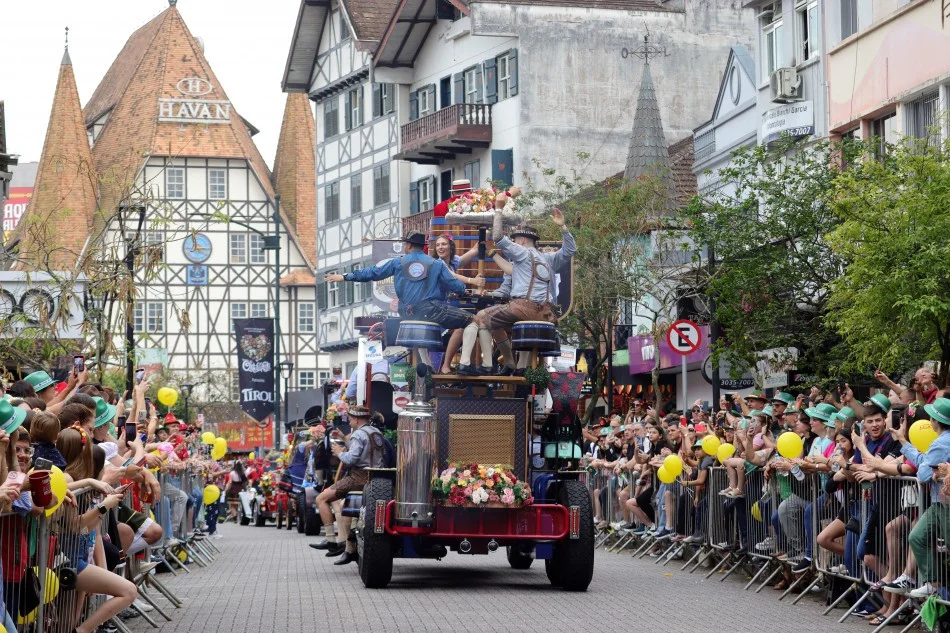
(Source: Blumenau City Hall)
However, Southern Brazil goes beyond "Tropical Germanic". When showcasing our local cultures, we have a duty to include the native peoples, who have unfortunately had to endure centuries of marginalization within their own lands: the Kaigang, Xokleng and Guarani in Southern Brazil, the Mapuche in Chile and Argentina, the countless other peoples in other parts of Brazil such as the Yanomami, Guajajara and the tribes of the Xingu. Even the ancient civilizations of the Mayans, Incans and Aztecans which were sadly destroyed by colonial expansionism. Still, their cultures have had its influence in the region, leading to an unique blend not seen anywhere else in the world.
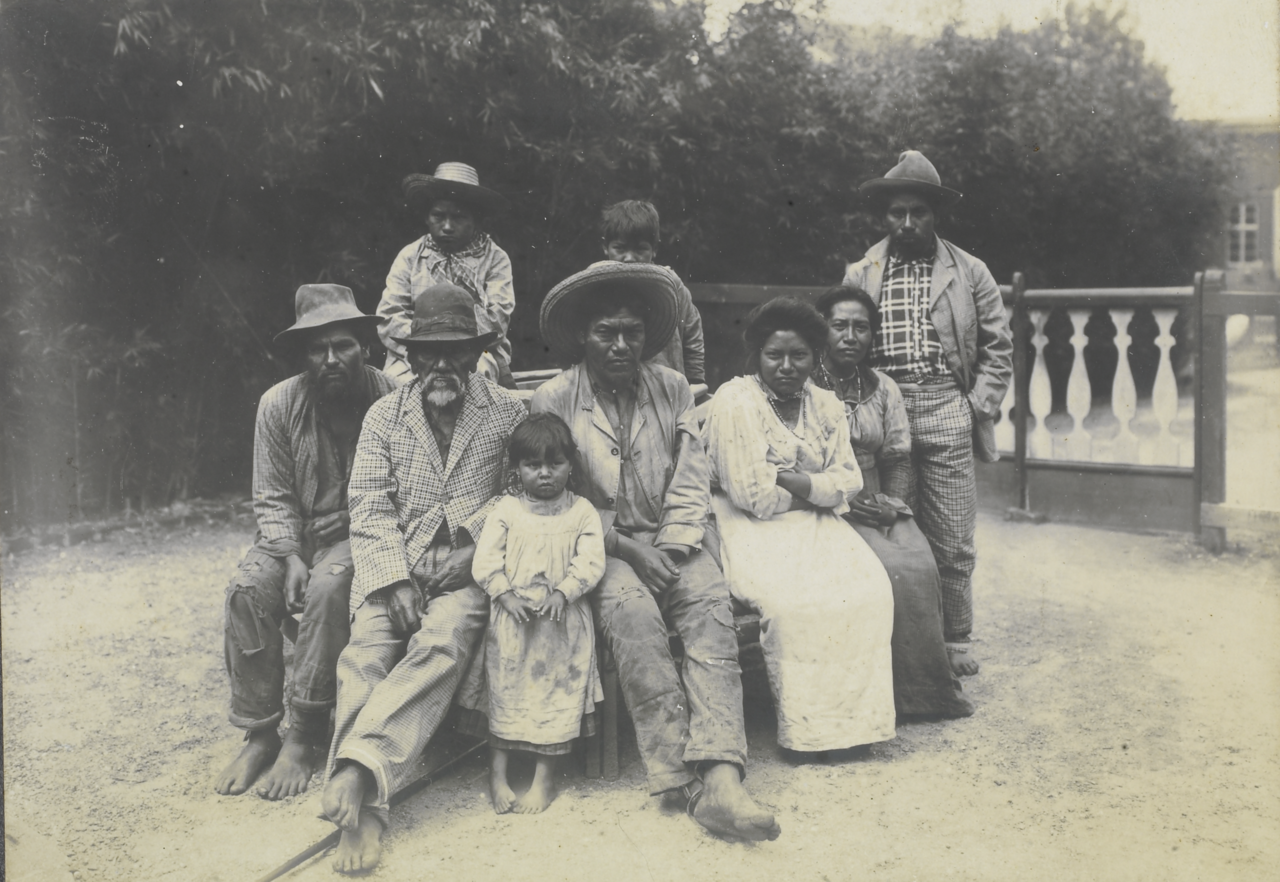
(Historical photo of Kaigang native people. Source: Brazilian National Archive)
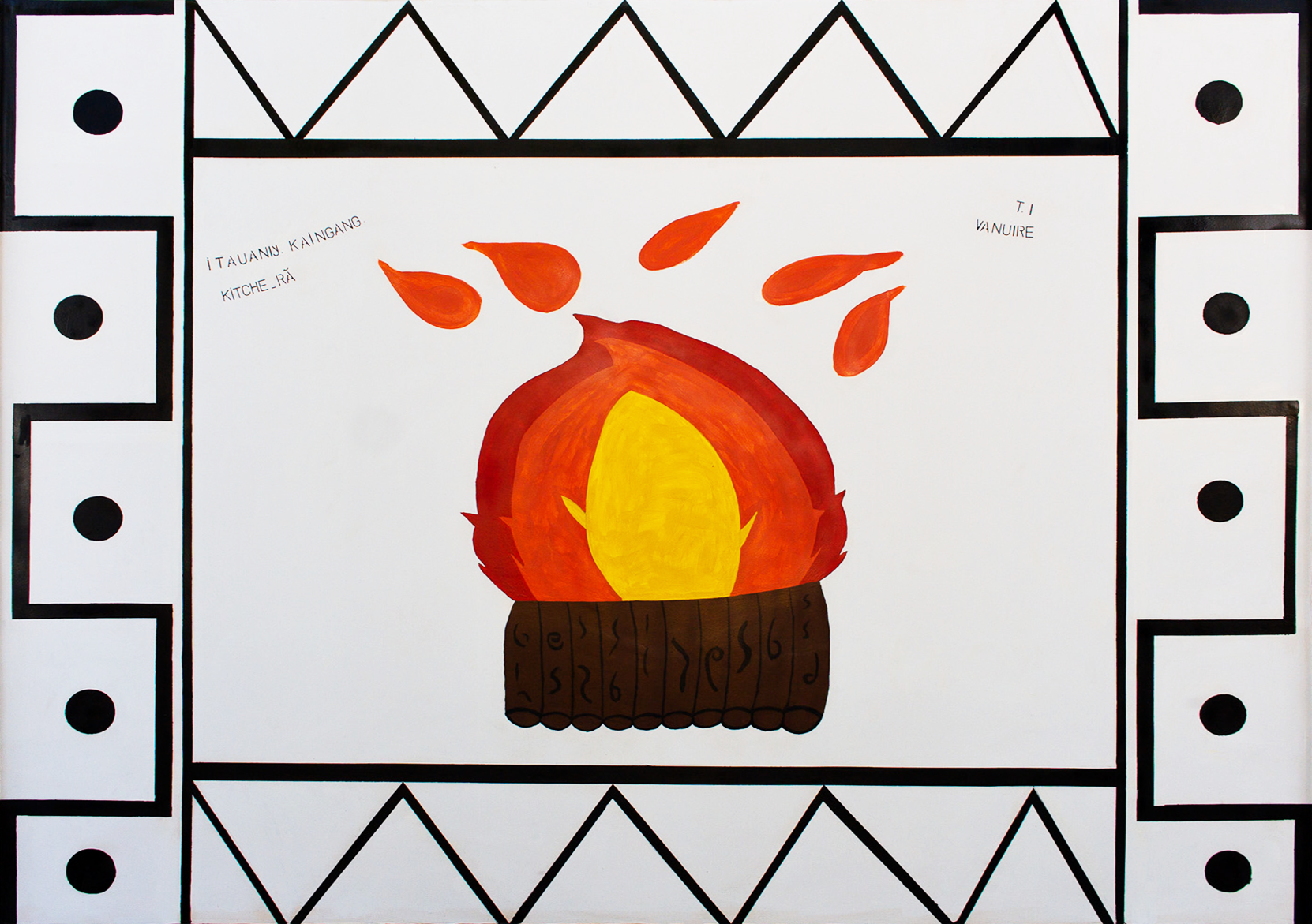
(Coincidentally, bonfires are an important symbol in Kaigang culture. Source: Índia Vanuíre Museum)
Obviously this comes with additional challenges. When taking inspiration from other cultures you’re not natively from, even if they may have an influence in your life, **it is crucial that you do not accidentally end up **commodifying them. Cultural influences should be something to be celebrated and shared, not merely used as an aesthetic for a product. Research is crucial, and if possible it should be done with the consultancy of people who are native to these cultures if possible.
Some may see the lack of global awareness of these places and cultures as unfortunate. However, as a creator I see it as an opportunity. My own life experiences not only provides me with inspiration for my projects, but these experiences are novel by nature of not being widely known about or witnessed through media. While being the global cultural core might have its perks, one advantage that we in the periphery have is novelty value. Our culture has not been mass exported globally, it has not reached saturation, it doesn’t feel generic, it doesn’t need to stereotype itself to stand out.
All you need to do as a creator is learn to cherish what you’ve got and not take it for granted. Have sincere pride in it, so much that you wish to share it with the world.
APPLYING CULTURE TO GAMES
When it comes to the practical application of all this cultural background to a game, an easy mistake to make is to only take loose surface-level elements and ignore the full context. Culture doesn’t form out of nowhere, but rather it is a function of the environment, the people, the history of a society. Gastronomy, architecture, mythology, customs all have a reason to exist the way they are. This is why just experiencing a culture, while important, isn’t enough to get a full understanding of it. Researching it is just as important, even for those that have grown immersed in a culture, and can even lead to a renewed passion for it.
There is also a choice to be made in how to represent real life cultures in a game, or any other sort of media. Should the culture be presented as a copy of the original, or should it be "fictionalized"? Spoiler alert, for the Kalia project I have opted for the fictional route, but there’s a case to be made for either way.
**Representing a culture as it is in reality is obviously the better way to stay true to life and showcase it in a sincere form. **This method can also make use of existing anthropological research to fill in the gaps. However, it is not very flexible: You’ll want to keep things accurate lest you accidentally misrepresent a culture, and for that you’ll require extensive research (albeit an argument could be made that personal interpretation of one’s own culture is also what shapes it - do not do that for cultures other than your own however!). This method is more appropriate if you’re using our own world as the setting, since it’s assumed that all its cultural baggage would be inherited with it.
Alternatively, you can use culture as a base for a fictional setting. **This enables you to "customize" it to better fit your world and narrative, albeit the same concerns against misrepresenting it should be in place. **It turns the task of showcasing a culture through media into less of an analytical process, and more of a creative one, as you’ll have to world-build it into place. This is the method I’ve chosen to represent my own culture in the Kalia project.
One interesting thing that can be done with a fictional fantasy setting is "canonizing" the myths and legends of the cultures you intend to represent into the reality of the setting. In fact, most fantasy settings do this to an extent - many European fantasy staples such as gnomes, fairies and dragons have come from real life legend and folklore. As previously mentioned however, it remains crucial that the origin and meaning of these legends is researched and implemented into their fantasy rendition, otherwise you’d risk ending up with a shallow cultural representation.
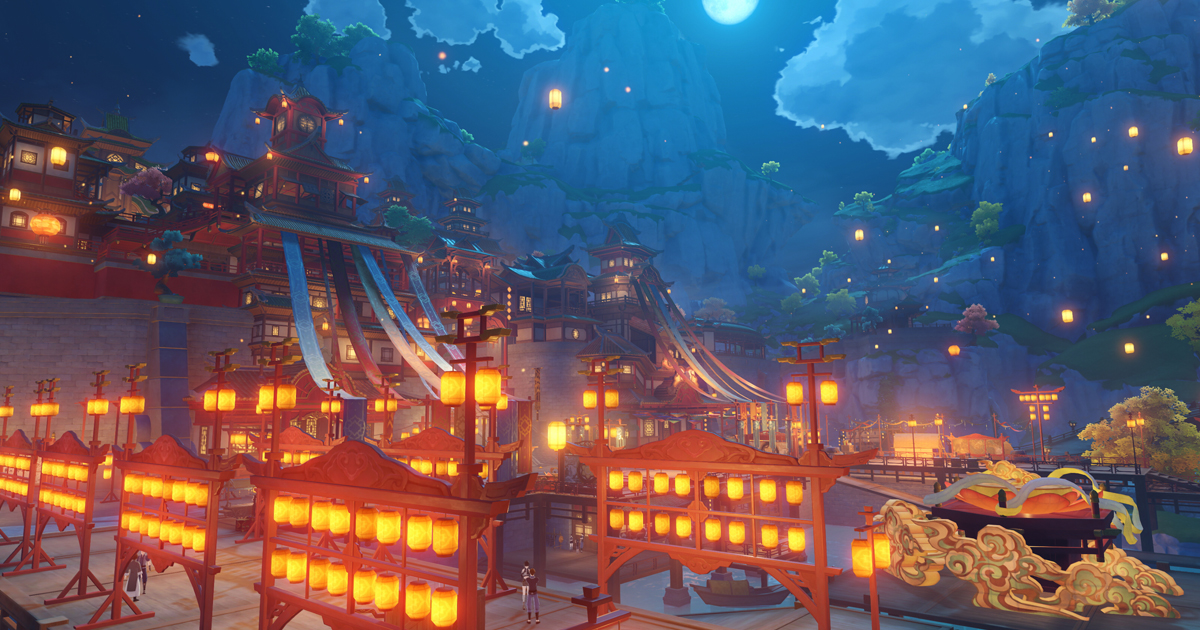
(Genshin Impact showcases Chinese culture and environments through a fictional setting. Its influence has even earned recognition from the Chinese government!)
When the project started years ago, it was centered on the character of Kalia herself. The setting was a secondary element, an afterthought, assumedly uninspired even. KatFS would have been set in generic European-style fantasy ruins, and likely wouldn’t have held much artistic and cultural value outside of the narrative itself. The earliest build of KatFS still had that generic style, albeit I’d argue there was an early yearning for something more going on with the statues:
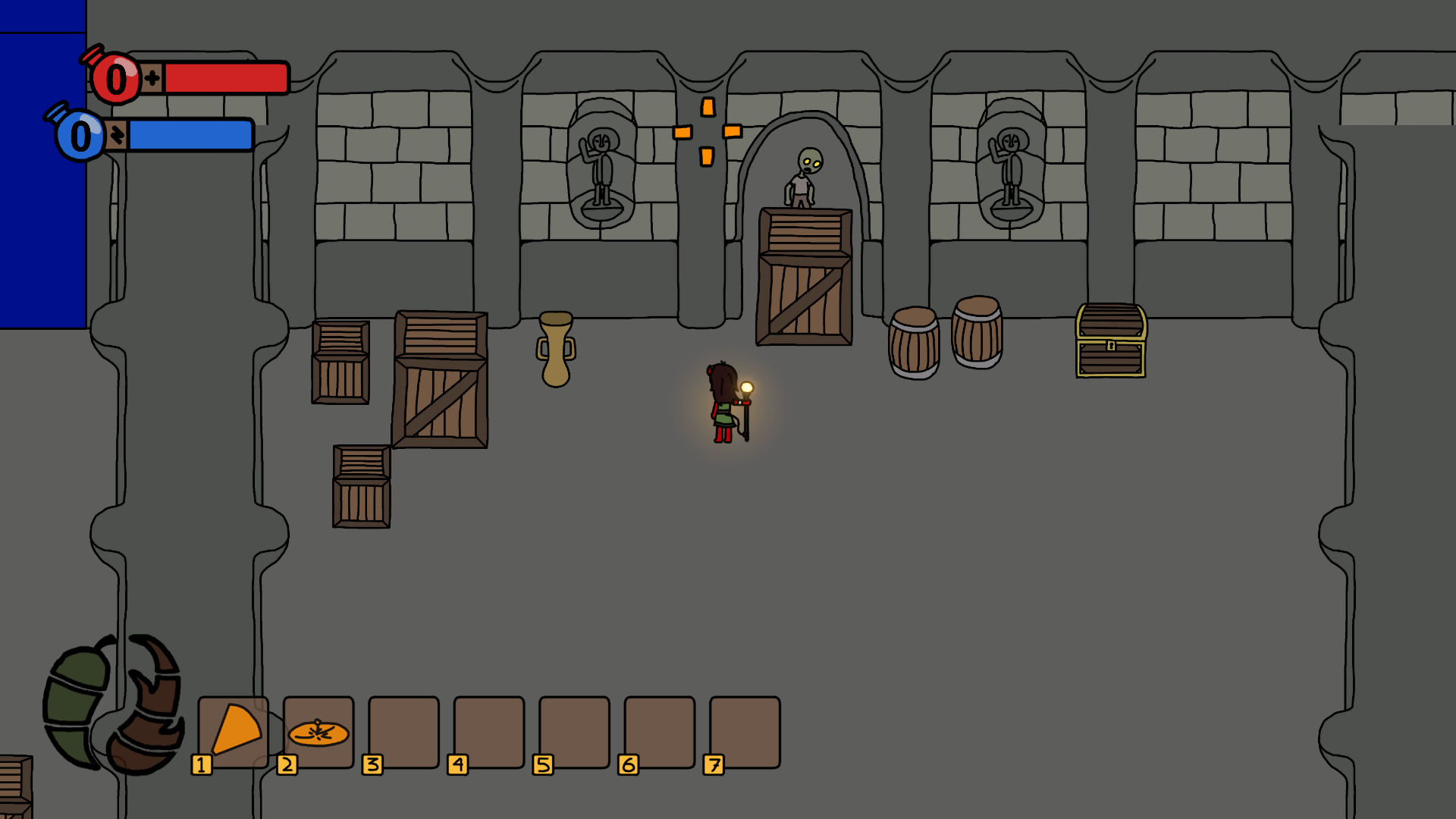
(Earliest KatFS build, with a more generic dungeon as its setting.)
The idea for KatFS came to being while I was personally taking a Master’s Course in Sweden, far from my hometown. Development started during my last few months in Sweden and continued after I was back home. As I reconnected to the places, experiences and cultures I have grown up with, I began to feel a deeper respect and connection with my homeland, and a desire to represent it through my projects. Kalia wouldn’t be just the "Red Demon Girl" anymore, she would be the "Brazilian Red Demon Girl"!
The first steps were to abandon the generic European style of ancient dungeon in favor of something more local. Unfortunately, Brazil is not home to any large ancient ruin complexes (by that I mean pre-colonial times), but thankfully I didn’t have to look far, as Latin America is the home to many interesting ancient cultures such as the Maya, Aztec and Inca.
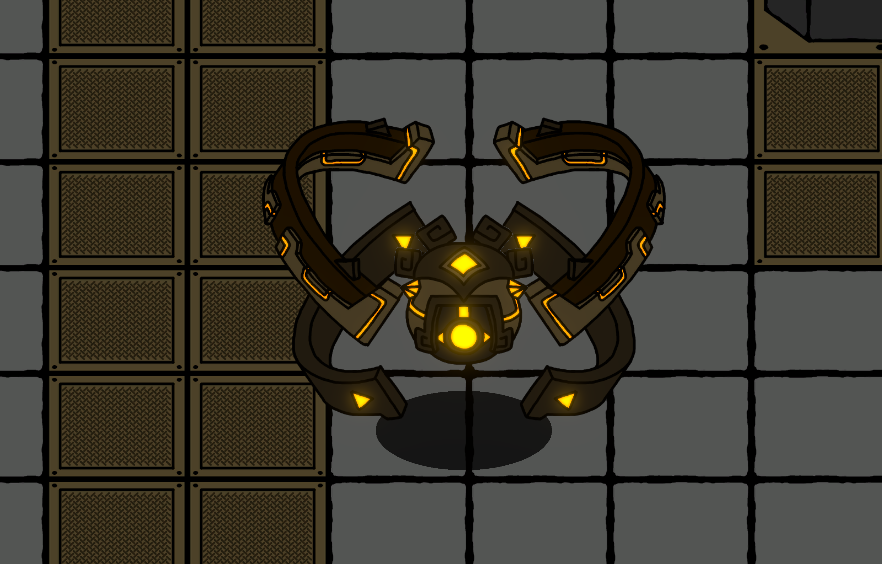
(The "Staff Guardian" boss in KatFS, an enemy that heavily uses Meso-American motifs in its design, particularly with the rings and crown.)
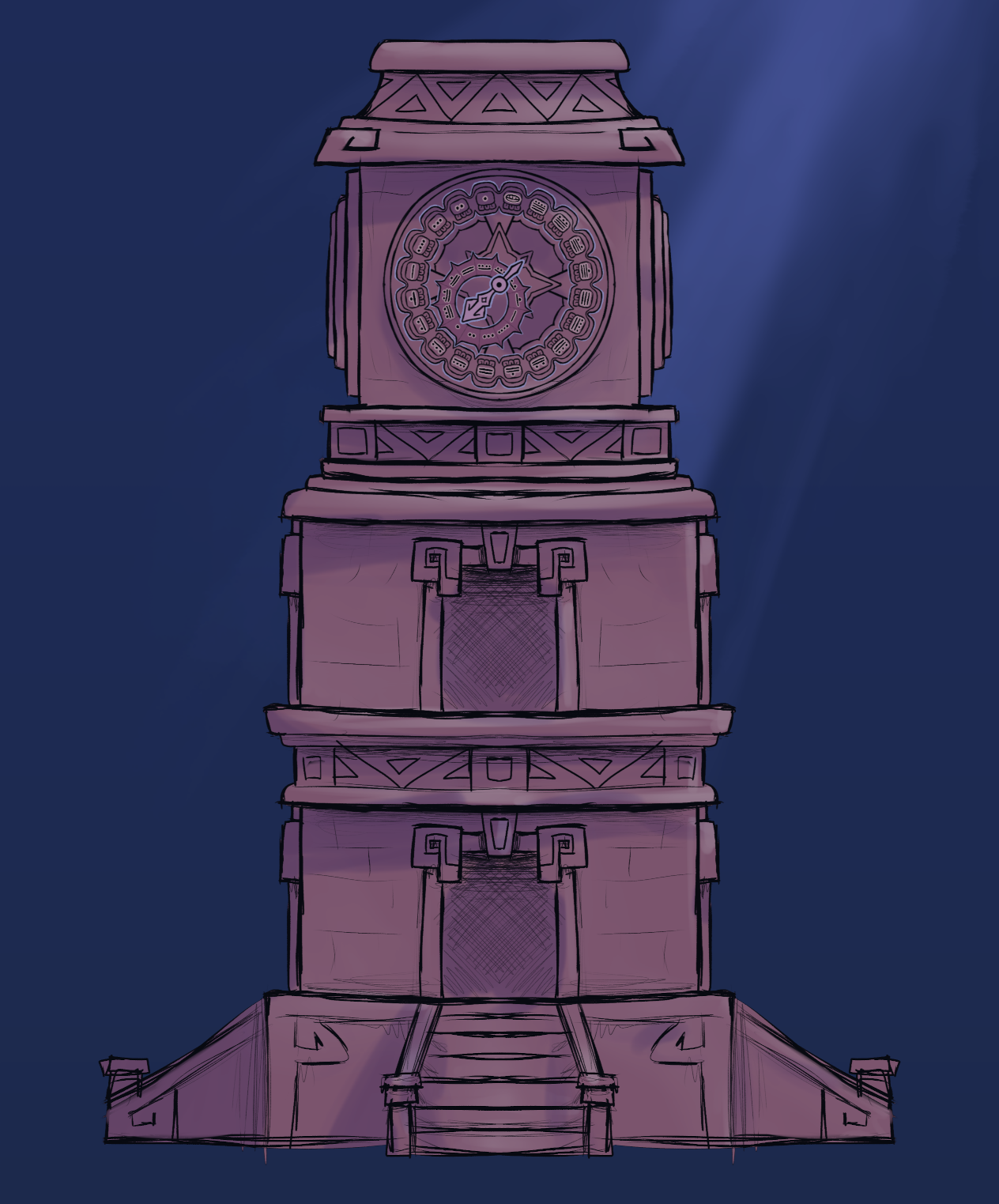
(Concept art for the Meso-American inspired ancient ruins in KatFS, courtesy of Diantha Crystal!)
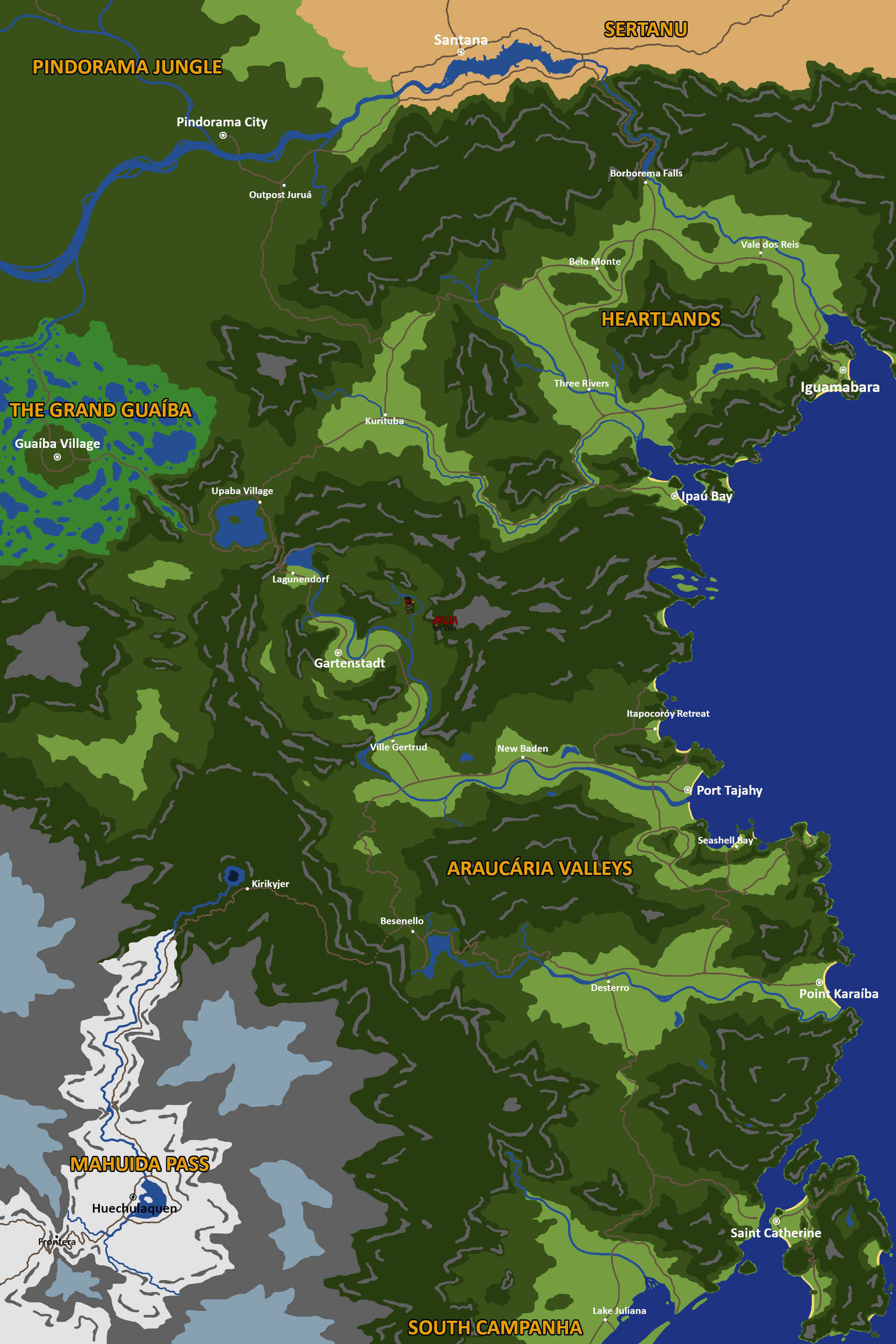
This was already a big step, but what about the world outside of the ruins in KatFS? The next step was to bring my own locale into the game’s setting, remixed through an entirely fictional setting. Kalia would live in a subtropical jungle tucked between the araucária-filled hills. She’d climb trees for bananas or guava fruit. She’d make jussara juice (for those unaware, it’s a local sibling of açaí). She’d feed the saguis on her porch, bathe with capybaras and listen to the bem-te-vi birds sing. She’d have a life that seems exotic for international audiences, but quaint and familiar to Brazilians, particularly those in the South.
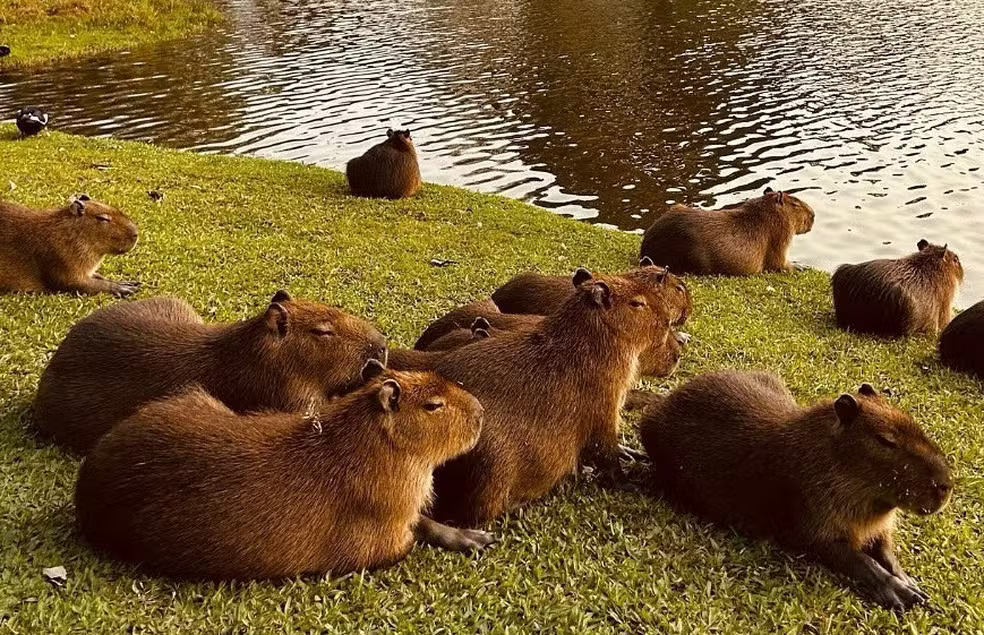
(Capybaras, an internet favorite, are native to Southern Brazil! Source: G1)
And then, the world-building snowballed. The neighboring village gained a name: Gartenstadt. A Germanic name, but that’s not unheard of in Southern Brazil. Not a name given out nilly-willy either, but rather a mirror of real life etymology: "Garden City" or "Cidade Jardim", a term that’s been used indirectly by cities in the region. The region would feature that "Tropical Germanic" style previously mentioned, instead of the usual Germanic style. Buildings are simpler, built out of wood and clay rather than stone. Cassava would be a staple crop. Dishes would be inspired by Southern Brazilian gastronomy. The rabbit hole had no end.
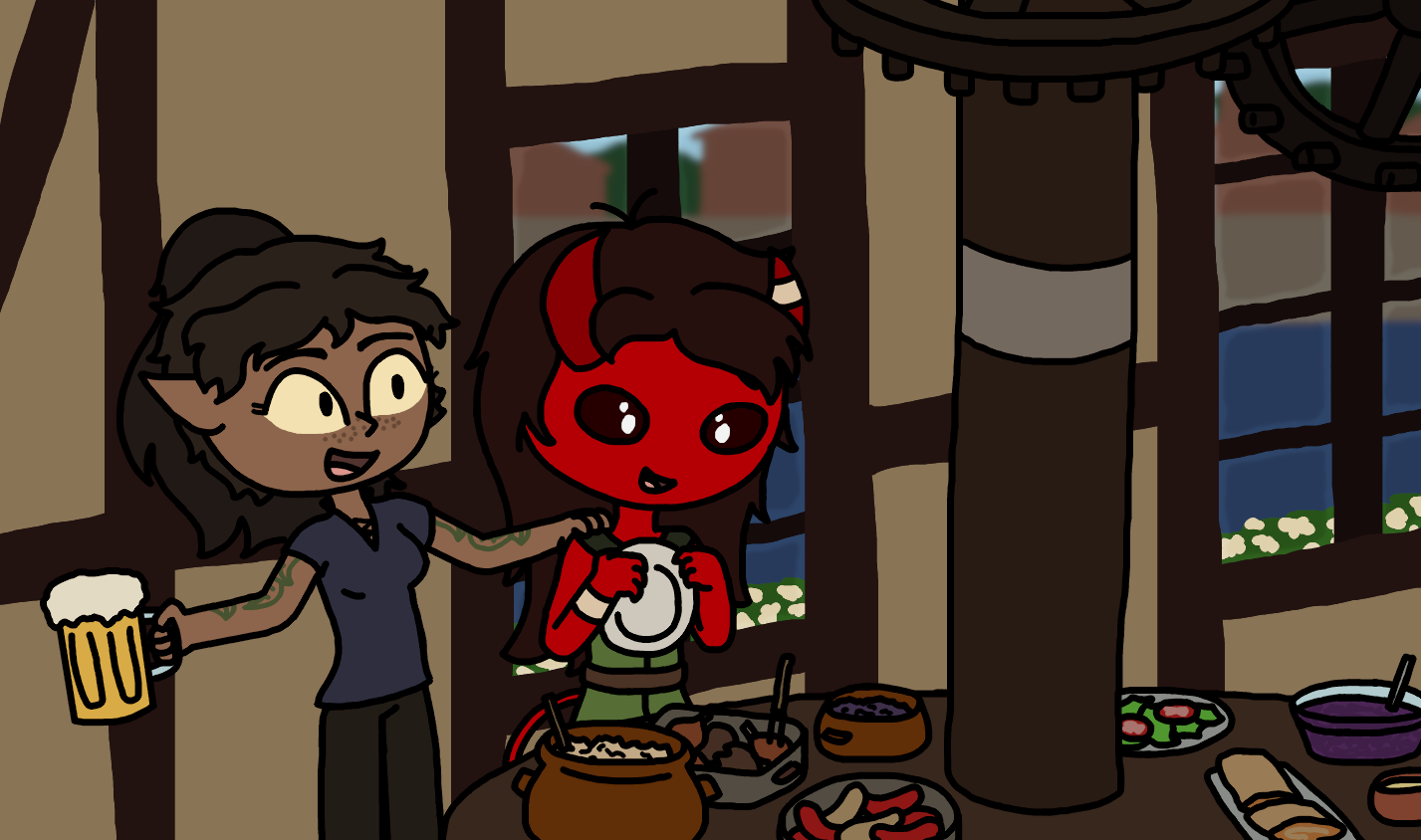
(The best way to get one interested in a culture is through the stomach!)
Kalia as a character retroactively gained an association with a real-life figure local to Southern Brazil. German botanist Fritz Müller, who had connections in academia to Charles Darwin and lived most of his life in Southern Brazil. Historical records describe him as wearing simple raggedy clothes, walking around barefoot with a cane, being close to nature and the earth. In Kalia’s lore, she is blessed by the spirit of a long-gone druid who takes pity on her and grants her the ability to commune with nature’s energies. I have since decided that this druid figure (and Kalia herself to some extent) should pay homage to Müller. In my opinion, respectful homages to real life historical figures can show a deeper connection to the cultures and history being represented in a game.
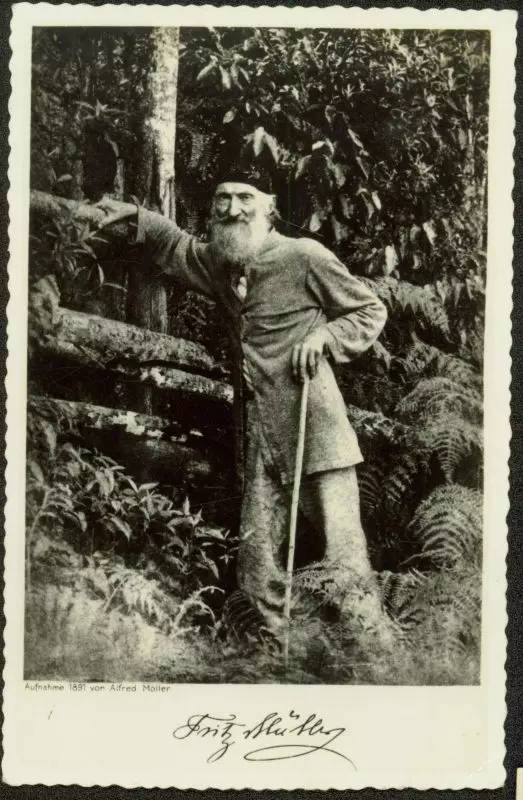
(Historical photo of Fritz Müller, a retroactive inspiration for Kalia’s character. Source: Fritz Müller Ecological Museum)
And then finally, the Tropical Oktoberfest would be canonized in the setting, with this artwork being a culmination of Kalia’s cultural shift. The clothes, the dance, the accordion, the buildings and magical monument, everything in this piece is a remix of my local culture through the Kalia project. And the best part, if you take out the magical stuff, it’s all a reality that anyone could experience (well, assuming they have the means to travel here).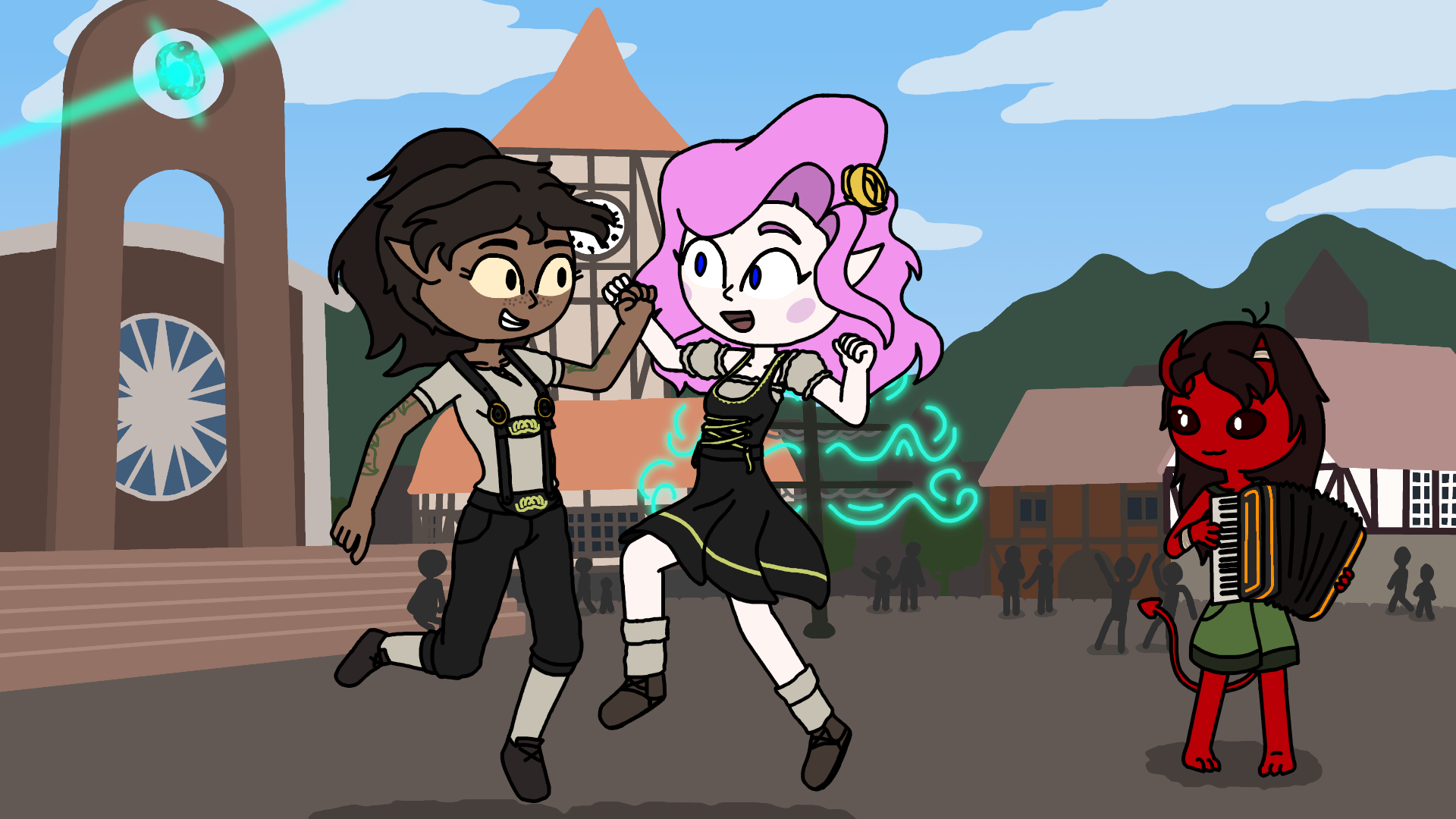 (Yes, Tropical Oktoberfest is canon in Kalia’s world!)
**GAMES AS CULTURE ** Just like culture isn’t formed in a vacuum, it also isn’t static. As it gets exercised, it evolves, adapts to changes in the world, mingles with other cultures. Our modern culture has been the result of decades, centuries, millennia of experiences, artistic works, word of mouth and other cultural activities.
Taking that in consideration, there’s a possible interpretation to be made: If we create games that are able to interface with cultural influences, not only may we be helping in share them to a wider audience, but couldn’t we be leaving our mark in the process of cultural development? Culture and art walk hand in hand, and many cultural staples have come from past works of art. Characters, tales, mythology, music, even movies in more recent history. So why not games?
Gaming as an art form is still in its infancy. Unlike writing, music or film, we still debate whether games be considered art. But it is important that we as creators also ask ourselves "what can we do to make games that could be considered art?". There’s not definitive answer, but at least for myself, a major step towards it is whether games can be capable of leaving a cultural impact, even if just a tiny one. This ambition, to potentially leave a mark in my region’s cultural zeitgeist while simultaneously sharing it to the wider world, has been the motivator that has kept the project going even through many technical and mental-health related hurdles. Not just going, but aiming bigger (while still remaining realistic!).
**However, all the cultural baggage in the world won’t help if you don’t have a solid game and narrative to support it and give it staying power. **It doesn’t have to be the next Half Life or Super Mario, it just has to be good and sincere. Specially if you’re an indie dev like me, trying to bootstrap a project. We may not have the budget or manpower for eye-melting graphics, thousand-dollar orchestras or a 50-hour long epic story. But we all should have our own life and cultural experiences. This might even be an area where game developers of the Global South have an edge.
*GAMES AS A MESSAGE
*Originally, I wasn’t going to include this section as it could be a bit controversial. But I feel it must be said.*Previously, I mentioned how games, like any other work of media, are a product of the context behind their authors. However, it is important to also mention the influence of its time period. Right now, we are living through unprecedented times - global paradigms have been broken, the future seems uncertain, fringe ideologies are becoming more attractive, for better and worse.
So far I’ve made my case for why game creators should embrace cultural influences. Well, I also think it’s just as important that they embrace messaging. There is a point to be made that we shouldn’t want our games to feel condescending or preachy when it comes to presenting a message, but at the same time ideology goes hand in hand with culture and art.** Just like sanitizing your work out of culture leads to a bland experience, so does sanitizing it out of any ideological or dare I say, political messaging.**
Kalia is being developed during an era where we have witnessed rampant imperialism and neocolonialism around the world. Systems of oppression turned up to eleven, aimed at all directions, turned inwards even. In the face of it all, if a creator has any ambition to be seen, it feels that making a statement is crucial. Her debut game, Kalia and the Fire Staff, is about maintaining hope and moving forward even at your darkest hour, which in my mind is the first step towards overcoming the times we find ourselves in. This message will be maintained throughout her whole planned story, but it is also set to feature themes of fighting oppression and imperialism, of working collectively to achieve goals, and of overcoming petty biases for the greater good. Represent your culture, leave your mark on it, and leave a message. And make a good game too, obviously!
CONCLUSION
This has been an introduction to the cultural aspects of my game, KatFS, but I also hope it could spark some interest in the subject of games as culture. The perspectives presented here are my own, and it’s fine to have different ones, but I still hope they left some impact. Elevating Kalia from a simple story to a means of sharing and celebrating cultures has renewed my passion in the project and added extra stake to it, and in the field of indie development, you need all the passion and motivation to carry you to the finish line.
If you are interested in the journey of KatFS’s development, I’ve been doing monthly technical devlogs, but I’m also considering doing additional devlogs on the cultural influences for the project. While KatFS is still rather modest when it comes to its cultural scope, I hope it can be the foundation for her future stories featuring a world inspired by Southern Brazil and surrounding regions, a fantastical setting exotic to many but familiar to my fellow countrymen and countrywomen.
Thank you for reading! And if you’ve been a long time follower of the project, thank you for your continued support! I hope this devlog is something we can all look back to in the future as a small token in elevating games culturally and artistically.