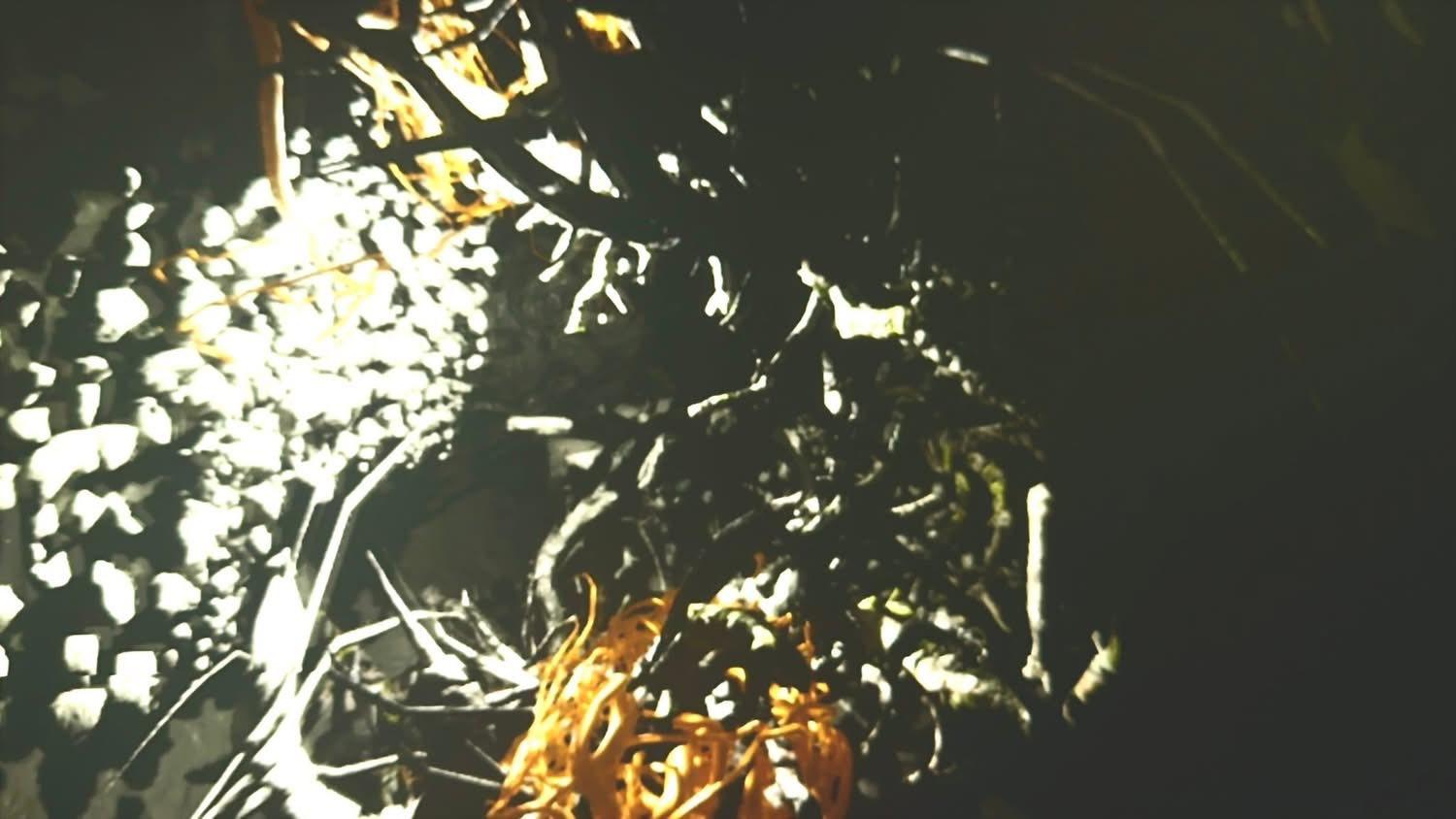
If you visit the Oldham Theatre Atrium, there is a small room in the corner that produces a multisensory 15-minute experience of the subterranean world. The Observatory & DuckUnit’s Membrane explores the connection between ancient cave art and cinema in an installation that brings together virtual reality, field recordings, film foley methods, and synthesis effects.
Membrane is currently on view until the end of January at the Asian Film Archive’s "Matter Matters". This exhibition delves into forgotten film cultures and histories through contemporary art at the Oldham Theatre Atrium, the National Archives of Singapore, as part of Singapore Biennale 2025.
Life spoke to DuckUnit about inspiration and challenges, since the group took part in the collaborative project.
(Photo: DuckUnit)
Can you share the moment of inspiration behind Membrane? Why did you draw a connection between cave painting and cinema?
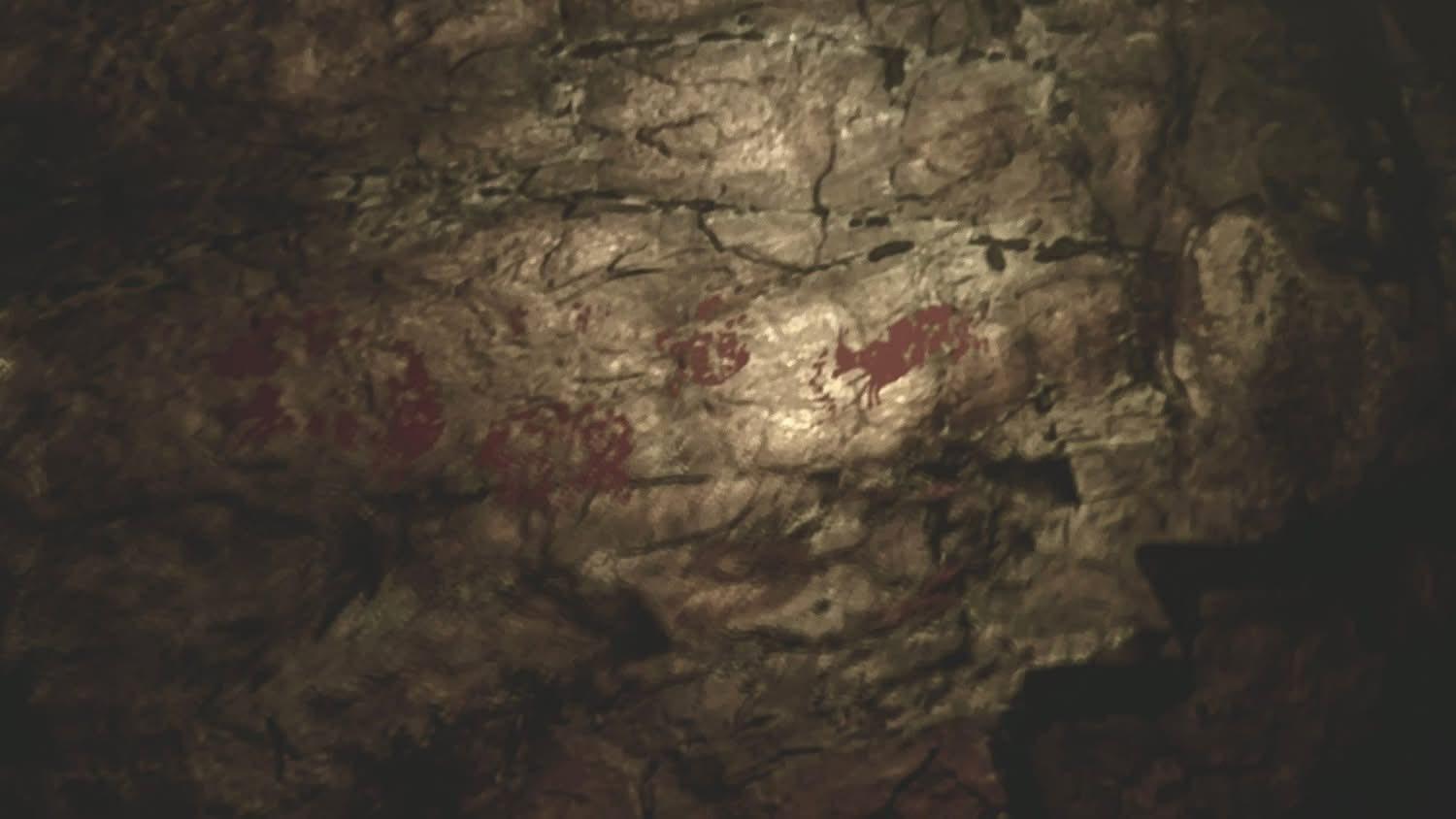
The moment of inspiration likely came when we encountered handprints in a cave in Indonesia up close. That experience gave us a profound sense of unity with the images and with the time in which they were created. The passage of time conceals many narratives that remain unknown to us and this is one of the reasons we drew a connection between cave paintings and contemporary cinema. Both serve as vessels for human expression and storytelling across different epochs, revealing the continuity of our quest for meaning and understanding.
(Photo: DuckUnit)
Can you discuss the challenges and how you tackled them?
One of the most significant challenges has been the endeavour to connect our current experiences with stories that have yet to be articulated within historical contexts. This endeavour is inherently complex, as it involves navigating the nuances of time and memory. We chose to approach this challenge through the lens of emotion, feeling and inquiry, embracing questions that remain unanswered. Our travels to places that still bear marks of human presence, such as handprints, have provided us with valuable material to explore these themes, allowing us to engage with the past while reflecting on its relevance to our present.
What was your first impression when you heard of the Singapore Biennale’s theme of "pure intention"?
The theme of "pure intention" resonates deeply with the core of our artistic practice, as it emphasises the importance of authenticity in the narration and presentation of our surreal concepts. In a landscape where objective truths may be elusive, the purity of intention becomes a guiding principle, informing both the purpose and the content of our work.
Anything you want to add?
The exploration and understanding of human experiences from the past – particularly those that were inscribed in the world during epochs devoid of the knowledge we possess today – are of paramount importance. Beyond the answers we may deem correct within our current understanding, what remains are the questions left behind by those who came before us. These inquiries not only inspire our imagination but also serve as a reminder that, regardless of how much we advance, we may find ourselves increasingly distant from definitive answers that may never truly exist. This ongoing dialogue with the past invites us to continuously seek deeper understanding and connection.