Chiang Mai Design Week 2025 has returned with the theme "Local Plus: Creativity, Technology, Sustainability". The theme emphasises that local communities are ready to expand, create opportunities and grow internationally.
Imhathai Kunjina, director of the Creative Economy Agency Northern Regional Office, explained the event drives a vision of three goals: Homecoming – supporting the return of Chiang Mai’s new generation of creative people to contribute to their hometown; Local Sustainable Living – strengthening cultural and environmental capital to ensure long-term resilience; and New Opportunities – creating new opportunities for entrepreneurs, designers and creative networks to grow and expand into new markets.
Although the theme focuses on local assets, international exhibitor…
Chiang Mai Design Week 2025 has returned with the theme "Local Plus: Creativity, Technology, Sustainability". The theme emphasises that local communities are ready to expand, create opportunities and grow internationally.
Imhathai Kunjina, director of the Creative Economy Agency Northern Regional Office, explained the event drives a vision of three goals: Homecoming – supporting the return of Chiang Mai’s new generation of creative people to contribute to their hometown; Local Sustainable Living – strengthening cultural and environmental capital to ensure long-term resilience; and New Opportunities – creating new opportunities for entrepreneurs, designers and creative networks to grow and expand into new markets.
Although the theme focuses on local assets, international exhibitors from Taiwan, China, Russia and France are also attending the event, which ends tomorrow, to share their culture and exhibit handicrafts and creative design items.
Exhibitions and activities take place at 68 venues throughout Chiang Mai in areas such as Klang Wiang, Chang Moi-Tha Phae and Sanpakoi.
Here are some Design Week highlights.
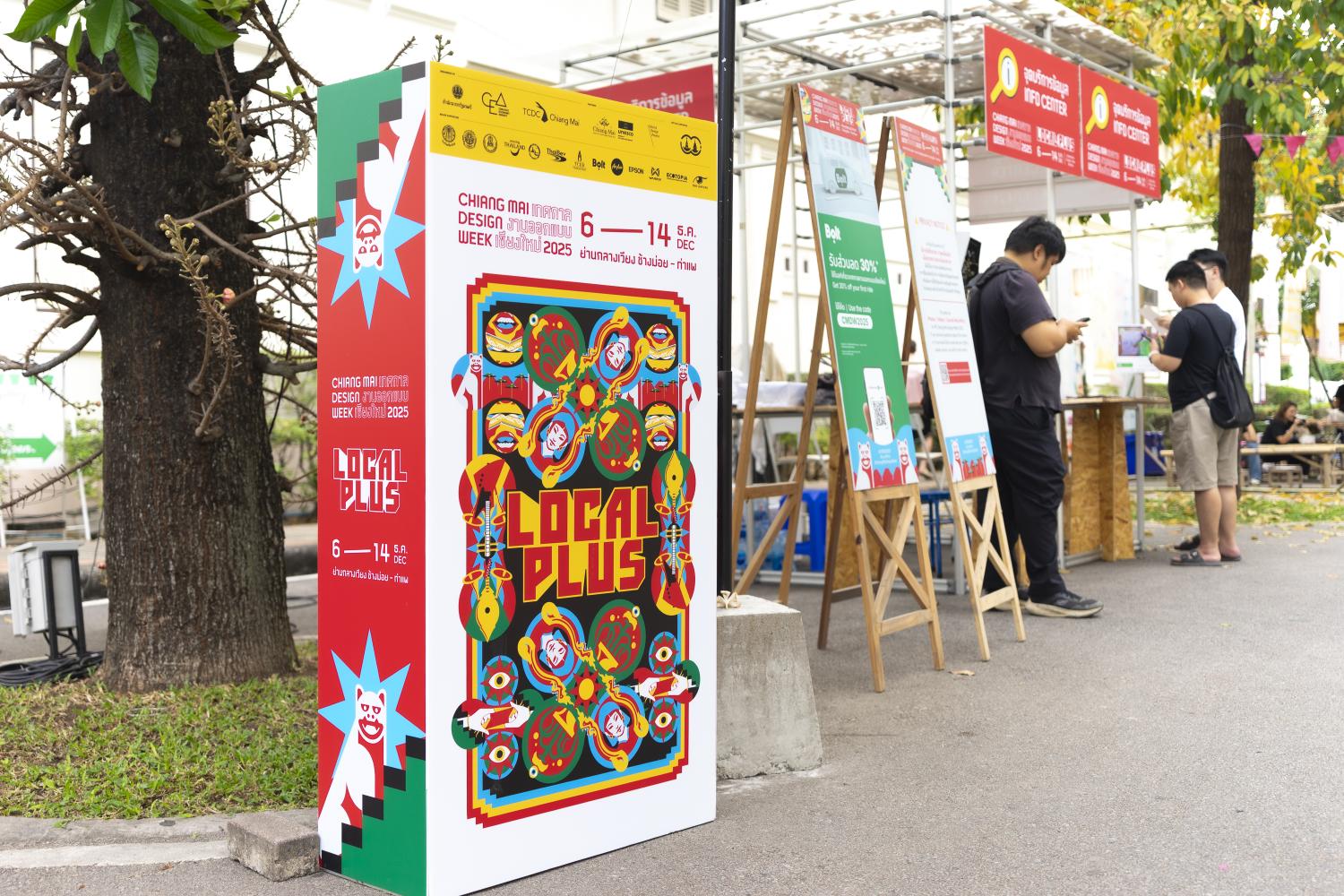
The theme of Chiang Mai Design Week 2025 is ‘Local Plus’. photos courtesy of CMDW 2025
**Venue: **TCDC Chiang Mai Exhibition: Make Scents, Make Sense
According to the Ministry of Commerce, Thailand’s fragrance industry in 2024 generated revenue of approximately 12.6 billion baht. By 2028, the revenue can potentially increase to approximately 15.9 billion baht. Since this is a significant industry, two floors of the TCDC building in Chiang Mai have been allocated for "Make Scents, Make Sense" to present information and samples of local fragrance brands.
Located on the 1st floor, "The World Of Scent" zone states that today, sensory design has become an essential factor in product and architectural design and hospitality. Among the five senses, smell is most deeply connected to our emotions and memory because it bypasses the multiple stages of processing that other senses must go through.
Olfactory perception engages neural pathways associated with past experiences, personal interpretations and external environment. In some cultures, the aroma of certain flowers signifies joy and life while other flowers may be associated with death and ritual practices.
"The Role Of Scent" section explains that scent is also associated with faith (use of incense, aroma sticks and flowers in rituals), beauty (use of scent to create charm), concealment (deodorants, air fresheners and detergents to cover unpleasant odours) and healing (aromatherapy to help treat patients suffering from stress, depression and Alzheimer’s disease).
The final section, "The Sense Of The Local Collective Scent", displays fragrance samples created by amateur and professional perfumers. The key ingredients are Thai Arabica coffee and smoked Litsea cubeba (mountain lemongrass), selected because of their abundance in the North.

‘Lanna Bharata’.
Venue: The Golden Triangle Hangdong **Exhibition: **Lanna Bharata
The Golden Triangle Hangdong, an antique store run by siblings Prem and Piti Tuntisak, hosts "Lanna Bharata".
Prem explained the idea for "Lanna Bharata" was born when he was in India and noticed similarities between Lanna and Indian antiques and handicrafts. Thus, he wanted to tell a story about Indian art influences on Lanna art.
On a wall, two items – Teakwood Carved Relief Panel: Ramakien Scene From Chiang Mai Thailand Mid-20th Century; and Teakwood Carved Panel From Gujarat, India Early 20th Century – are showcased next to each other.
The Thai Ramakien on the panel shows the influence of India’s Ramayana. Viewers may think flowers in the Indian panel look like the Thai kanok pattern.
There are historical items which are intricately carved with elaborated details. A late 19th-century Anglo-Indian Almirah Cabinet represents a fusion of European design and Indian craftsmanship. Meanwhile, an early 20th century Pali Canon Cabinet from Chiang Mai reflects a furniture style which was popular across Southeast Asia during the colonial period. As with many antique furniture and decorative items, there are some traces of damage that add an interesting story to them.
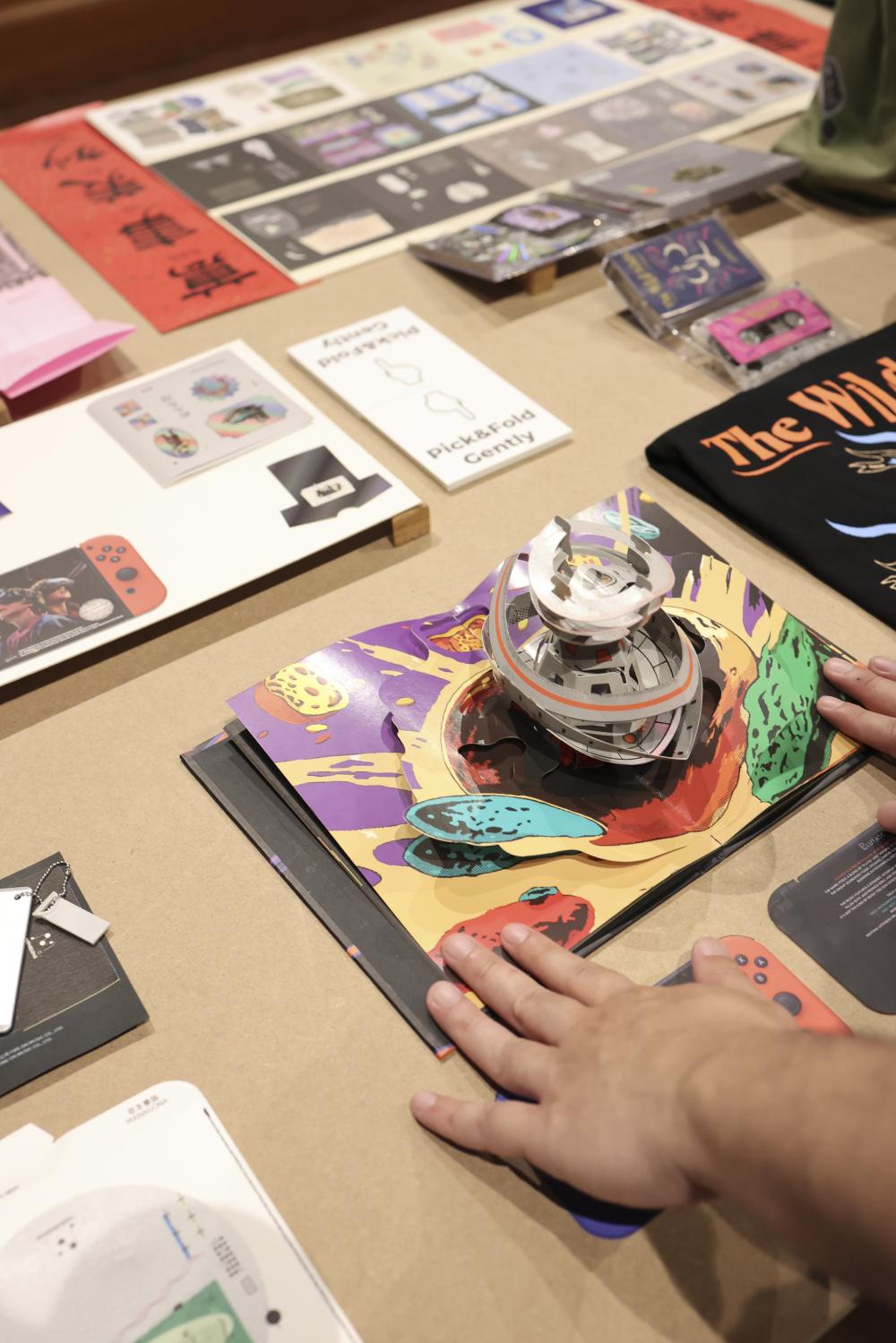
‘Taiwan Beats Music Scene’.
**Venue: **Chiang Mai City Arts & Cultural Center Exhibition: Taiwan Beats Music Scene
Huang Chun Hao, an international delegate co-ordinator with the Taipei Music Expo, created the "Taiwan Beats Music Scene". The exhibition is divided into four sections: artistic music albums; music merchandise; posters and photos of live performances in Taiwan; and music and technology. Huang also scouts for Thai artists to perform in Taiwan, and Nixsa is one such artist whom he recently discovered.
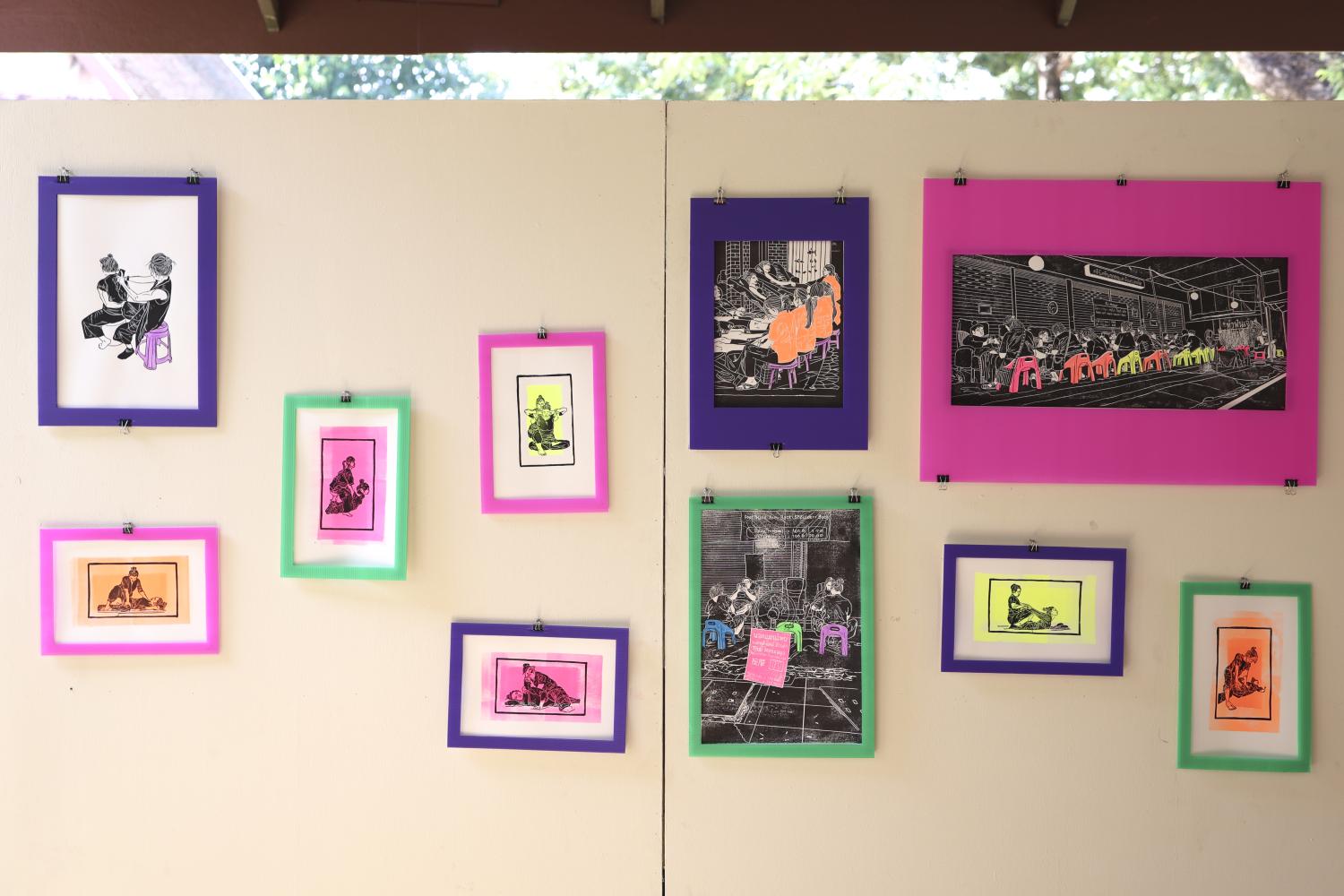
‘Sen’.
Venue: Chiang Mai Historical Centre **Exhibition: **Sen
"Sen" was created by Camille Fauchier & DJoo Cuer. Fauchier, a French art performer, has a special interest in gesture interaction between people. She is interested in Thai massage and studied techniques at Wat Pho for two months before travelling to Chiang Mai to study tok sen, a Lanna massage technique.
Her experience in massage inspired her to create printmaking pieces which depict several massage postures. Some pieces are in the shape of sandals. Fauchier explained that she chose this shape because sandals were used as a pressing tool during the creation process. As sandals have a thin sole, they allow her to better feel the relief of artwork when she presses it.
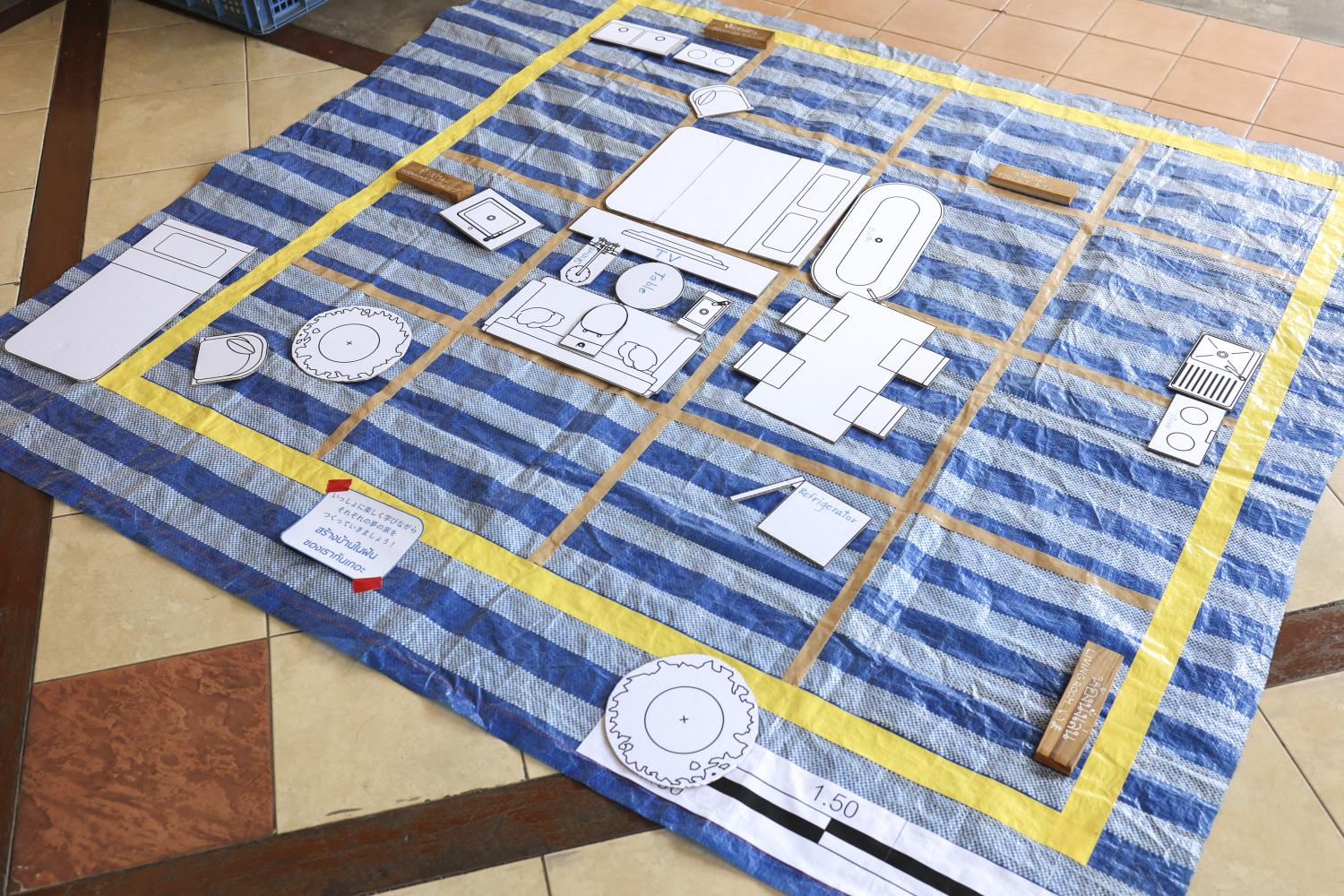
‘Yumeie’. photo courtesy of CMDW 2025
Venue: Various locations Exhibition: Yumeie
The education programme Yumeie, which means dream houses in Japanese, allows children to express their ideas about daily life, safety and the future through household items, such as a dining table, a refrigerator and a TV. The activity encourages children to raise questions about the environment in their neighbourhood. For example, what kind of agreement should people who live in the same area have regarding noise control?
Additionally, there is a workshop for participants to discuss an agreed assembly point during a disaster, especially if they cannot use mobile phones. In the exhibition, there is an emergency backpack located next to images of items such as a torch, a T-shirt, a bottle of water, a mobile phone, a box of matches, a toothbrush, a can of fish, medication and a stuffed doll. Viewers can decide which items are necessary for them.
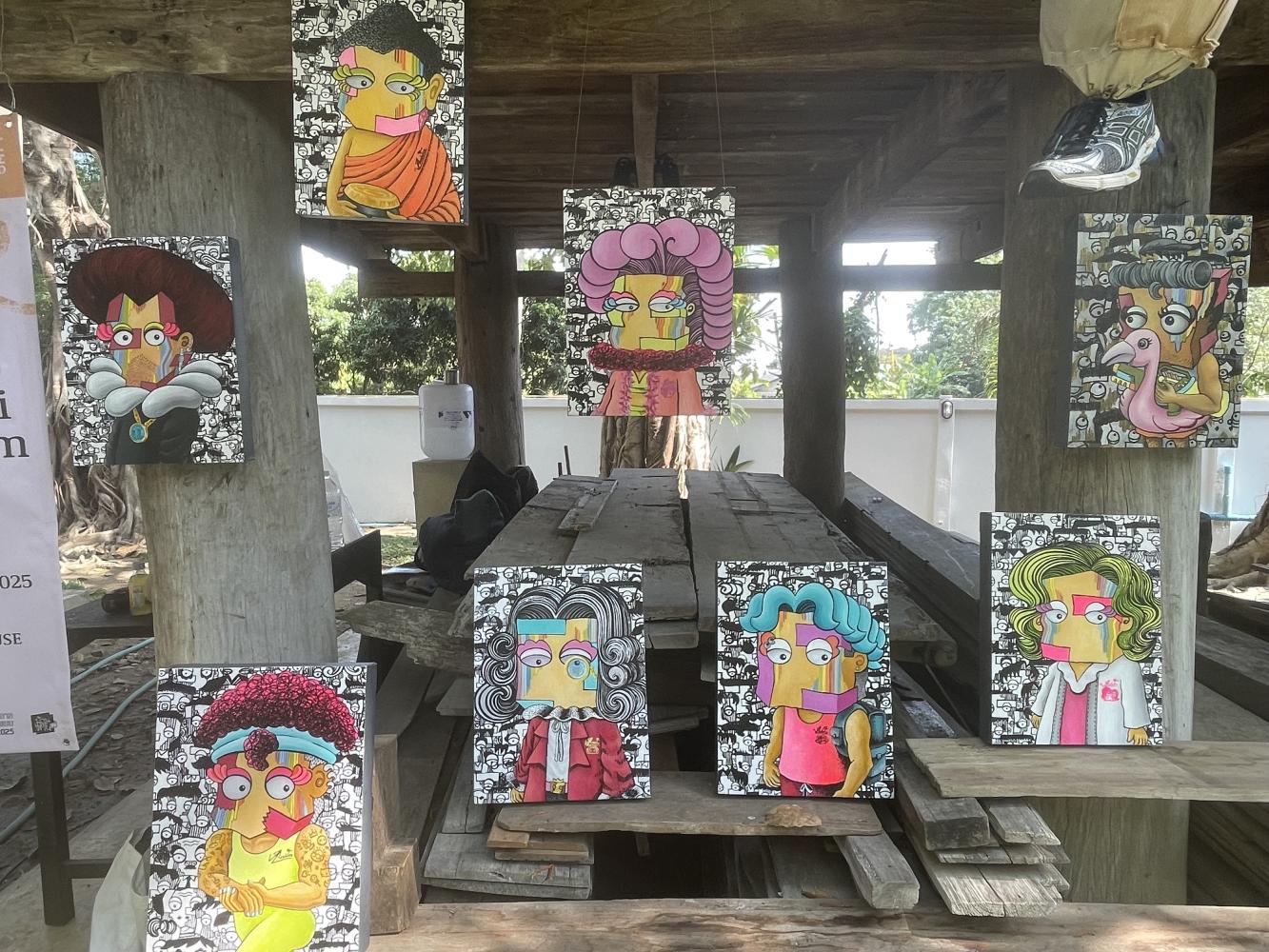
Paintings by Charinrat Singhan. Photos: Suwitcha Chaiyong
**Venue: **De Siam Warehouse **Exhibition: **Mango Art Festival: Treasure Discover
Unfortunately, "Mango Art Festival: Treasure Discover" ended on Wednesday. The De Siam Warehouse is a large furniture warehouse covering over 30 rai and the exhibition was created by northern art galleries from provinces such as Nakhon Sawan, Phrae, Nan and Chiang Rai.
All paintings by rookie artist Charinrat Singhan, aka LANWANN, sold out. Charinrat explained the collection was initially inspired by her LGBTI friends. One painting imagines how an LGBTI person in the Baroque era would look. Another depicts an LGBTI monk.
Another Chiang Rai artist, Surayuth Jitmanowan, created a series on long thin canvases sized 12cm by 100cm that featured his cat. Surayuth explained that he wanted to challenge viewers with a new framing.
For more information, visit chiangmaidesignweek.com.

‘Mango Art Festival: Treasure Discover’. Photos: Suwitcha Chaiyong
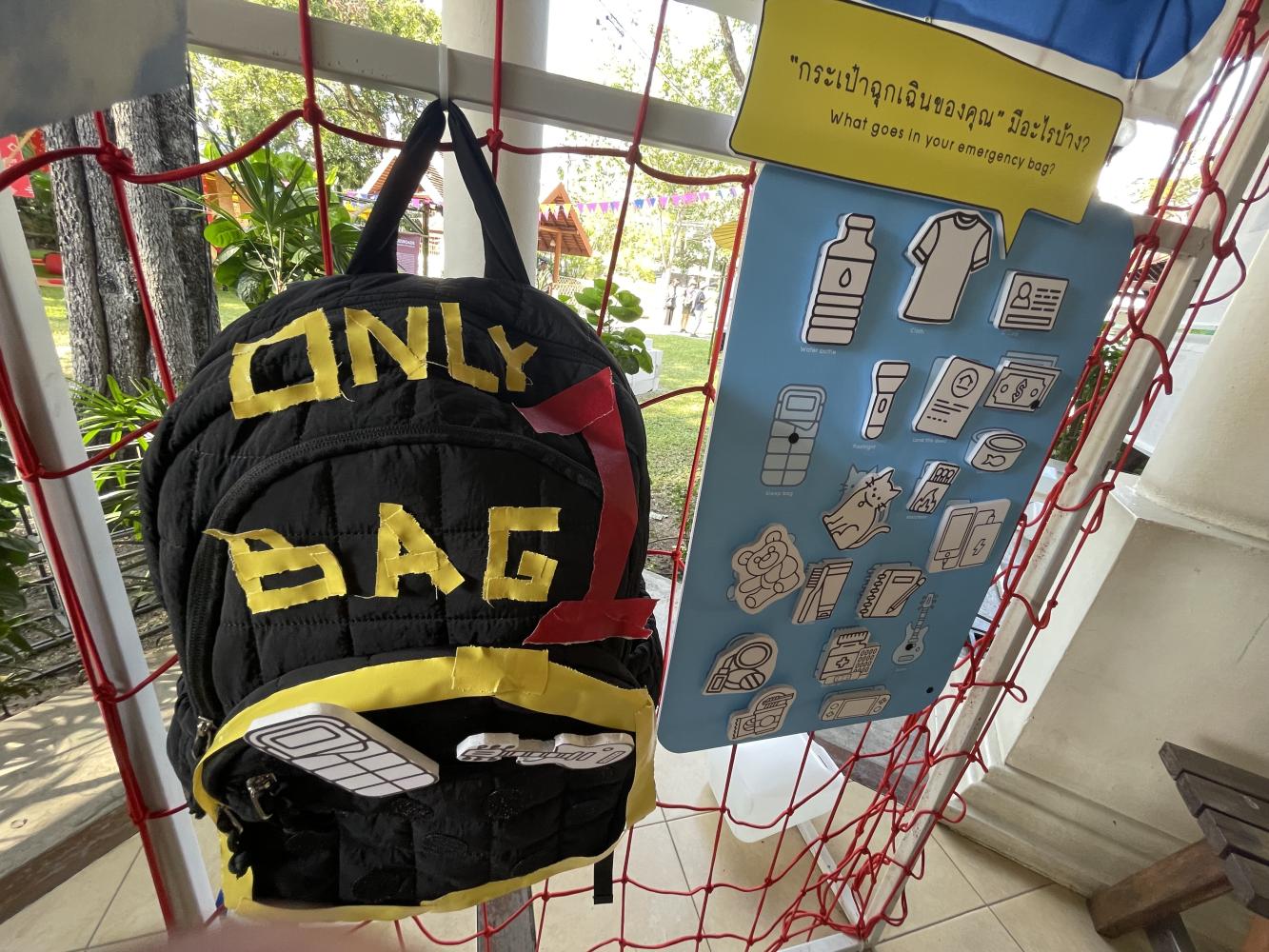
‘Yumeie’.