START
Guest beware! These common surfaces, hotel room amenities, and features could be harboring germs or worse. Here’s how to keep safe.
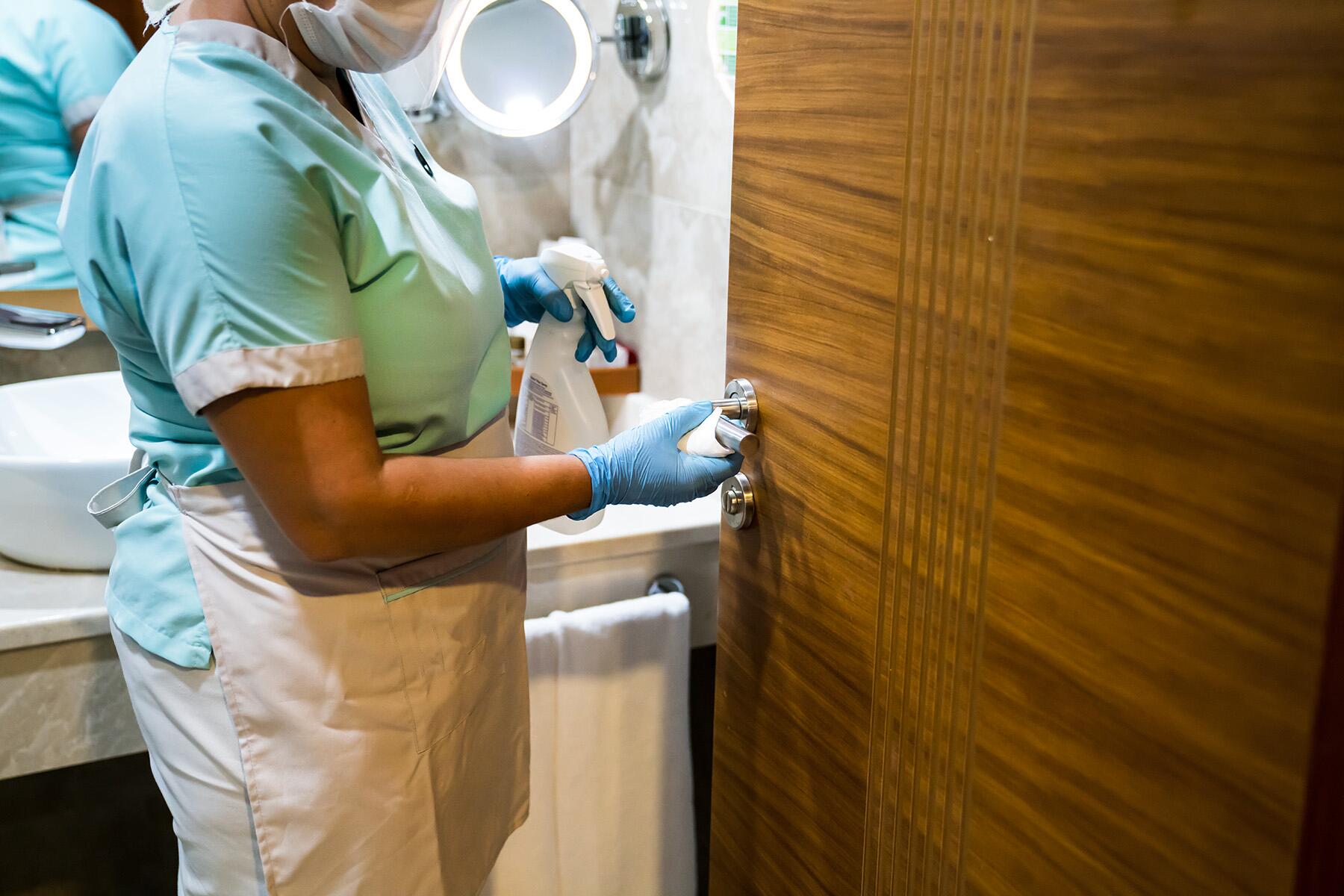
Even in the most high-end stays, hotel rooms can look sparkling clean at first glance, but germs and grime often lurk in places you wouldn’t expect. Beyond the usual suspects like TV remotes, toilet flush handles, and decorative pillows, there are plenty of overlooked spots that can be more germy than they seem.
While daily housekeeping helps maintain cleanliness, tight turnaround times can make it tough to thoroughly clean every surface. “With check-out at 11 a.m. and check-in at 3 p.m., …
START
Guest beware! These common surfaces, hotel room amenities, and features could be harboring germs or worse. Here’s how to keep safe.
Even in the most high-end stays, hotel rooms can look sparkling clean at first glance, but germs and grime often lurk in places you wouldn’t expect. Beyond the usual suspects like TV remotes, toilet flush handles, and decorative pillows, there are plenty of overlooked spots that can be more germy than they seem.
While daily housekeeping helps maintain cleanliness, tight turnaround times can make it tough to thoroughly clean every surface. “With check-out at 11 a.m. and check-in at 3 p.m., that limits how long housekeeping can spend cleaning each room,” says Mona Murahwa, a professional cleaner with experience in boutique hotels and the founder of natural cleaning supply brand Cleaning Mama. “If they have 15 rooms to finish in that four-hour window, they only have about 15 to 20 minutes for each. That is not long enough to deep clean every surface, as disinfectants need to sit for five to 10 minutes to effectively kill bacteria.”
Because of those time pressures, cleaners are trained to focus on high-touch and high-visibility areas, like counters and mirrors. “If a carpet looks clean, they might skip a thorough edge-to-edge vacuum to save three minutes for the bathroom,” says Murahwa.
Here’s what to keep an eye on when you check into your next hotel stay, and a few simple ways to keep germs at bay.
1 OF 10
Faucet Handles and Shower Controls
Faucet handles and shower controls are prime spots for germs due to a mix of moisture and frequent use. “Guests often grab the faucet or shower knobs with unwashed hands right after using the toilet, leaving behind germs that unfortunately don’t just rinse away,” says Murahwa. “Bathrooms are designed to handle water, but they don’t always have the best ventilation, so moisture ends up getting trapped in crevices and aerators, which leads to microbial growth.”
While these areas are typically cleaned by housekeeping, Murahwa notes they aren’t always sanitized thoroughly, leaving microbes like Legionella and Pseudomonas to thrive, sometimes turning a steamy shower into a potential source of infections or respiratory issues.
To reduce risk, Murahwa recommends wiping handles with a disinfectant and running hot water for a few minutes before showering. “Run the fan during your shower and for 15 to 30 minutes afterward. This helps reduce humidity and dry out fixtures,” she says.
2 OF 10
Shower Curtains
“Shower curtains are one of the most overlooked areas of hotel rooms and even homes,” says Murahwa, noting that many assume anything involved in the shower must be clean. “The issue is that they stay damp longer than almost anything else in the bathroom, making them hotspots for bacteria, mold, and biofilm,” she says. This can trigger allergy-like symptoms, asthma flare-ups, or skin irritation in people with sensitivities or weakened immune systems.
Even though fabric curtains are typically machine washable, taking them down, washing, and rehanging takes time, which is often why many properties only replace or launder them when they look visibly dirty.
Murahwa recommends checking the bottom hem and folds, where plastic and vinyl liners trap soap scum and body oils. “If you spot any black, green, or pinkish slime, or if it looks grimy or smells musty, tell the front desk you need a replacement.” Another simple step: fully extend the curtain after showering so it can dry more quickly.
3 OF 10
Hairdryers
“Hairdryer handles are high-touch and low-priority,” says Murahwa, noting that guests tend to grab them after doing their hair, applying makeup, and touching other bathroom surfaces, leaving behind hair products, skin oils, and bacteria. “Since they are often stored next to the sink, they are also prone to aerosolized droplets and humidity, adding to their germiness,” she says.
Although visible, hairdryers rarely make the top of housekeeping checklists. “If you have room in your bag, bring your own hairdryer,” advises Murahwa. “If you have to use the one in your hotel room, wipe down the handle and buttons before turning it on and let it run pointed away from your face for a few seconds to clear out dust and loose particles.” Running the dryer can blow contaminated air and debris directly onto your face and scalp, causing irritation or inflamed hair follicles.
4 OF 10
Mattress Covers and Mattresses
Mattresses, the place where all guests sleep, can be especially prone to germs, while mattress covers can pick up dead skin, body oils, body fluids, and even bed bugs, posing allergy, respiratory, and infection risks, says Brandon Crudup, general manager of Play Park Hospitality, who has experience training housekeeping teams, including leading hygiene protocol training at the brand’s hotels. “Accidents do happen in beds, but guests will not always report them, leaving it up to a housekeeper to find,” he adds.
If a mattress protector is thin, damaged, improperly fitted, or not fully waterproof, fluids and microbes can seep into the mattress below, where they’re harder to remove. Before settling in, pull back the sheets to check for a clean, intact protector. Avoid placing bare skin directly on the mattress or cover, and consider using a top sheet or extra towel as a barrier if the protector looks worn or questionable.
5 OF 10
Headboard
“It’s right at the head of where people sleep or watch TV in bed; should someone sneeze or cough, germs could easily get on this area and accumulate,” says Crudup about why headboards can be a germ hotspot. With guests sitting up, leaning back, or resting their heads and hands against it, headboards can harbor fungi, dust mites, mold, dead skin, and body oils, creating allergy, respiratory, and infection risks.
This spot is often missed during routine cleaning since it can be hard to reach, and fabric headboards are especially tricky to sanitize. Crudup recommends avoiding direct contact with bare skin or hair. As well, use an extra pillow or a folded towel as a barrier when sitting up in bed.
6 OF 10
Rugs and Mats
Rugs, mats, and carpets are dirty by design. Every step pushes dirt, bacteria, skin cells, and other debris into the fibers, including E. coli, Staphylococcus, Salmonella, and fungi that can cause athlete’s foot. “Constant foot traffic grinds these particles deeper into the visible pile and the backing, where they can’t be extracted by vacuuming alone,” says Murahwa. “Getting those out requires professional hot water extraction or steam cleaning, which hotels do infrequently because of the cost and drying time involved.”
To minimize exposure, pack slip-on shoes or flip-flops for quick trips around the room. “Absolutely do not walk barefoot on hotel carpets, especially if you have any cuts, scrapes, or skin sensitivities,” says Murahwa. “Additionally, keeping your luggage off the floor helps avoid picking up bacteria and pests that want to hitch a ride home in your suitcase.”
7 OF 10
Coffee Maker Buttons and Handles
Because coffee maker buttons and handles are particularly prone to contamination from frequent use by different people, skin-associated germs can gradually build up on external components like buttons, handles, and side surfaces, says Julia Kopczyńska, a microbiologist at Omni Calculator, where she creates tools that help people make smarter health choices.
“These hotspots can harbor skin- and respiratory-associated bacteria, such as Staphylococcus and Streptococcus species, some of which may cause illness, particularly in individuals with weakened immune systems,” she says. For an extra layer of protection, wipe down these areas and make a habit of washing or sanitizing your hands before and after using the coffee machine.
8 OF 10
Barware, Coffee Cups, and Utensils
In many hotel rooms, barware, coffee cups at the coffee station, and other utensils are sometimes rinsed by hand rather than run through a dishwasher. “If utensils are hand-washed inconsistently, improperly dried, or stacked incorrectly, they can easily become hotspots for residual bacteria,” says Kopczyńska, noting that they may even harbor environmental bacteria or fecal-associated bacteria such as E. coli, which can potentially transfer between users.
“For most healthy travelers, the risk is low, but people with weakened immune systems, open cuts, or oral sensitivities should be more cautious.” If you’re unsure about the cleanliness of the barware in your room, Kopczyńska recommends washing items with soap and hot water before using them. “Alternatively, requesting a glass from the hotel bar, where cups are typically washed in a dishwasher at high temperatures, can reduce the risk of exposure to germs.”
9 OF 10
Luggage Racks
Luggage racks often support bags and shoes that have traveled everywhere from airport floors to busy city streets. “Since luggage is placed directly on the rack, microbes from the outside world can easily accumulate, turning it into a potential germ hotspot,” says Kopczyńska, noting that this can include a mix of viruses and bacteria, including SARS-CoV-2, Staphylococcus aureus, E. coli, and Salmonella.
“While the risk of direct infection from luggage is generally low, contaminated surfaces could contribute to indirect transmission through hand contact, particularly when combined with inadequate hand hygiene,” says Kopczyńska. For extra peace of mind, a quick wipe of the rack’s straps or surface before placing your bag can help reduce germs.
10 OF 10
Upholstered Chairs and Sofas
Upholstered chairs and sofas get heavy use from different guests, exposing the fabric to skin bacteria, sweat, and environmental microbes. “The fabric can also hold moisture, giving bacteria and fungi a cozy place to linger longer than on hard surfaces,” says Kopczyńska, noting this can include Staphylococcus aureus, E. coli, and fungi like mold or yeast.
Housekeeping usually focuses on visible surfaces, while upholstery is rarely disinfected daily since soft furnishings are harder to clean. “Even with vacuuming or spot cleaning, microbes can remain trapped in the fabric fibers,” says Kopczyńska.
To reduce exposure, avoid placing luggage or personal items directly on chairs and sofas. “Laying on the couch with shoes on is another way to transfer several kinds of microbes to the furniture fabric,” she adds.