
APNIC Academy training workshop participants at APNIC 60.
“A program that sharpened not only technical skills but also our responsibility to bring this knowledge back to our communities.”
Harris Chen, Prosecutor
While participants had many reasons for joining the APNIC Academy training sessions at APNIC 60, the idea of developing skills to uplift and share with their communities was expressed by more than one.
This blog post covers some of the insights gained by the community members who participated, and what made…
APNIC Academy training workshop participants at APNIC 60.
“A program that sharpened not only technical skills but also our responsibility to bring this knowledge back to our communities.”
Harris Chen, Prosecutor
While participants had many reasons for joining the APNIC Academy training sessions at APNIC 60, the idea of developing skills to uplift and share with their communities was expressed by more than one.
This blog post covers some of the insights gained by the community members who participated, and what made this training different.
The workshops in a nutshell
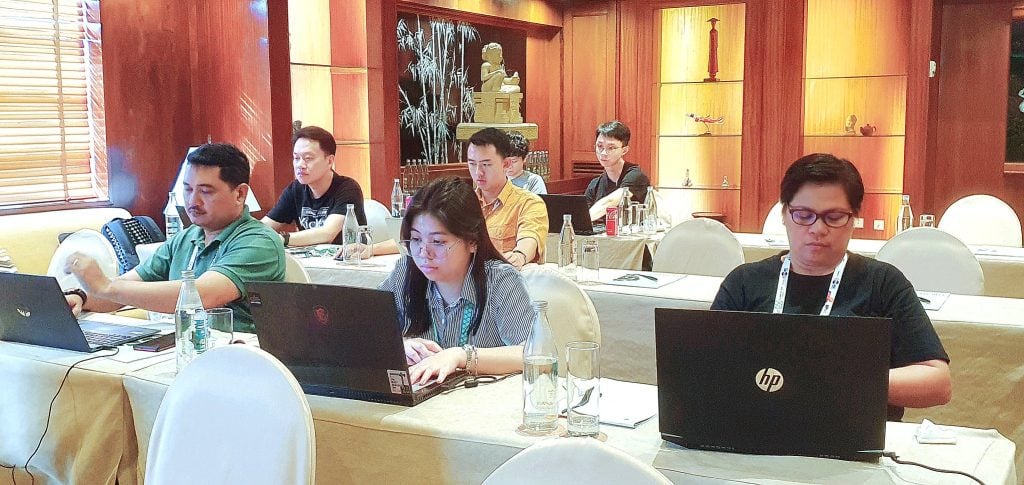 Figure 1 — Participants in the Advanced Routing Workshop (Train-the-Trainer).
APNIC Academy training ran from 4 to 7 September 2025 as part of APNIC 60 in Da Nang, Viet Nam. It brought together 88 learners from 20 economies in two separate tracks to learn about advanced routing, and network management, monitoring, and security.
The Advanced Routing Workshop deepened understanding of Border Gateway Protocol (BGP) and advanced routing concepts, and equipped participants with expertise to design, implement, and troubleshoot complex routing infrastructures. Additionally, the workshop included ‘train-the-trainer’ support for community champions planning to conduct training and lead capacity building efforts in their own local communities.
The Network Management, Monitoring, and Security Workshop provided learners with practical skills and knowledge for securing networks, managing complex systems, and effectively monitoring performance to minimize downtime and risks. Together, the group worked through relevant protocols and tools for security controls, configuration management, and network telemetry.
Personal learning, community impact
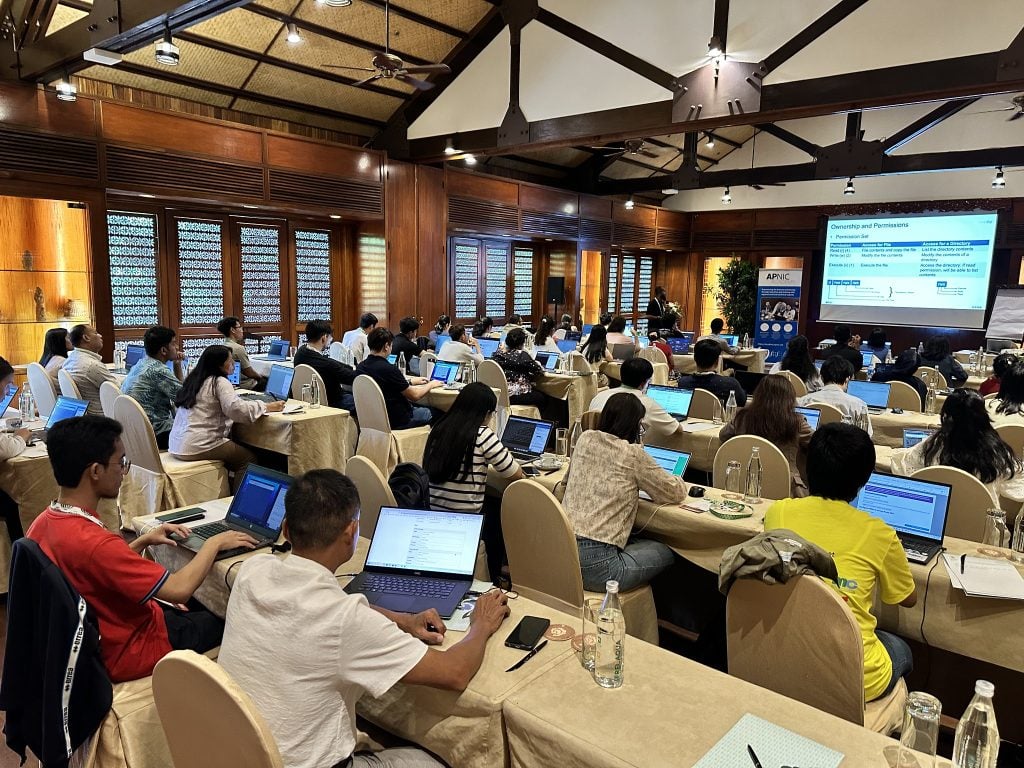 Figure 2 — Participants in the Network Management, Monitoring, and Security Workshop.
Vichet Eoung appreciated the ‘train-the-trainer’ approach, saying he felt more capable of transferring technical knowledge through structured training to his local community as a result.
What stood out to Reynaldo Fajardo Jr. was the idea that network security is a collective responsibility, requiring everyone to “follow good practices to prevent, detect, and recover from risks such as unauthorized access, misuse, modification, or disruption of network resources”.
Saima Nisar appreciated the explicit links made between technical topics, like KINDNS and Domain Metrica, and higher level security initiatives in the Domain Name System (DNS) that are built on shared community responsibility. The impact of the training was increased, she said, by the blend of theory and practice.
The connection between tangible operational skills, like configuring Resource Public Key Infrastructure (RPKI), and achieving the vision of ‘Internet integrity’ was also noted by Muhammad Lufti Santoso. He felt that the curriculum was meticulously designed to address the operational challenges facing network engineers today, and to make a “direct, practical contribution to the global, collaborative effort” on which the Internet is built.
According to Mr Santoso, the workshops successfully bridged the ‘what’ and ‘how’ of technical skills and implementations, with a ‘strategic why’. He elaborated that this transformed a training exercise into “a meaningful act of community responsibility” with a direct link “between an individual engineer’s skills and the resilience of the regional and global Internet”.
What will you learn to shape the Internet?
A global, open, stable and secure Internet is built on critical infrastructure, essential cybersecurity operations, and advanced network technologies. APNIC provides a growing library of free training and information resources to support the professional development needs of our Members and community.
Check out the list of upcoming APNIC Academy events to find offerings that are relevant to your interests. And consider attending APRICOT 2026 from 4 to 12 February in Jakarta, Indonesia to take part in APRICOT Masterclass and APNIC Academy training while networking with your peers.
| Rate this article |
The views expressed by the authors of this blog are their own and do not necessarily reflect the views of APNIC. Please note a Code of Conduct applies to this blog.