Platformers helped define video games as a medium. They taught generations how to hold a controller, how to time a jump, and how to explore imaginative worlds built around movement and discovery. Few people on the planet do not know who Mario is, and some of the most iconic franchises in gaming history emerged from this genre, becoming mascots not just for studios but for entire console generations. These series shaped childhoods, pushed technical boundaries, and created characters that still resonate today.
Yet the industry has changed. As budgets ballooned and priorities shifted toward live service games and cinematic experiences, many classic platforming franchises were left behind. Despite strong fan demand and proven legacy appeal, some of the most beloved names in platforming …
Platformers helped define video games as a medium. They taught generations how to hold a controller, how to time a jump, and how to explore imaginative worlds built around movement and discovery. Few people on the planet do not know who Mario is, and some of the most iconic franchises in gaming history emerged from this genre, becoming mascots not just for studios but for entire console generations. These series shaped childhoods, pushed technical boundaries, and created characters that still resonate today.
Yet the industry has changed. As budgets ballooned and priorities shifted toward live service games and cinematic experiences, many classic platforming franchises were left behind. Despite strong fan demand and proven legacy appeal, some of the most beloved names in platforming have gone untouched for years or even decades. These four series stand out not just for what they were, but for how deeply their absence is still felt.
4) Ape Escape
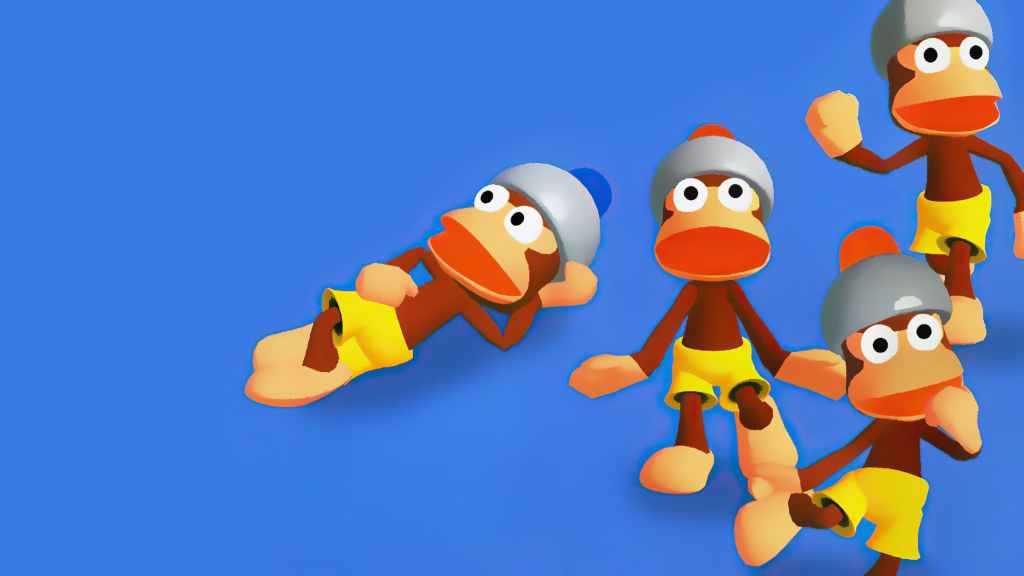 image courtesy of sony entertainment
Ape Escape was one of PlayStation’s most inventive and charming platforming series, and its originality remains unmatched. First released in 1999, the game was designed specifically to showcase the DualShock controller, using both analog sticks in ways players had never experienced before. One stick controlled movement, while the other operated gadgets like nets, slingshots, and stun clubs. This control scheme made capturing monkeys feel tactile and chaotic, perfectly matching the game’s playful tone.
The series became popular for its creativity and humor. Each monkey had a distinct personality, complete with silly animations and unpredictable behavior. Levels spanned different time periods, from prehistoric jungles to futuristic cities, keeping the gameplay fresh. Later entries refined the formula, adding more gadgets, smoother controls, and even multiplayer modes.
Despite its popularity, Ape Escape has not received a full new entry since Ape Escape: On the Loose and Ape Escape 3 in the mid-2000s, with the last original console release arriving in 2005. Since then, the franchise has been reduced to cameos, remasters, and nostalgia-driven appearances in other PlayStation properties.
What makes its abandonment especially frustrating is how well it would fit today’s market. With modern controllers and renewed interest in character-driven platformers, Ape Escape feels like a series waiting to be rediscovered rather than reinvented. Astro Bot, one of the greatest 3D platformers ever made, prominently showcased the Apes, leading many to believe a remake or new game is on the horizon.
3) Rayman
 image courtesy of ubisoft
Rayman is one of the most visually distinctive platforming franchises ever created. Introduced by Ubisoft in 1995, the series immediately stood out thanks to its hand-drawn art style, surreal worlds, and limbless hero. Early games were challenging, precise, and rich with personality, earning critical acclaim and a devoted fanbase.
The franchise evolved significantly over time. Rayman 2: The Great Escape successfully transitioned the series into 3D, offering expansive levels, fluid movement, and a more narrative-driven experience. Later, Rayman Origins and Rayman Legends returned to 2D roots with stunning animation, tight controls, and some of the best level design in modern platforming. Rayman Legends, in particular, is often cited as one of the greatest platformers ever made.
Despite this success, the series has been dormant since 2013. Ubisoft shifted focus toward larger franchises and live service projects, leaving Rayman without a clear future. Creator Michel Ancel’s departure further complicated matters, and while the character remains recognizable, no new mainline game has been announced in over a decade. Rayman’s last appearance was as a side character in one of Mario + Rabbids: Sparks of Hope’s DLCs.
Rayman remains iconic because it proved platformers could be artistic, challenging, and joyful all at once. Its absence feels less like a natural ending and more like a missed opportunity to continue one of the genre’s most refined formulas. With local co-op games returning, it feels odd not seeing Ubisoft invest in Rayman, especially after the success of Rayman Legends.
2) Castlevania
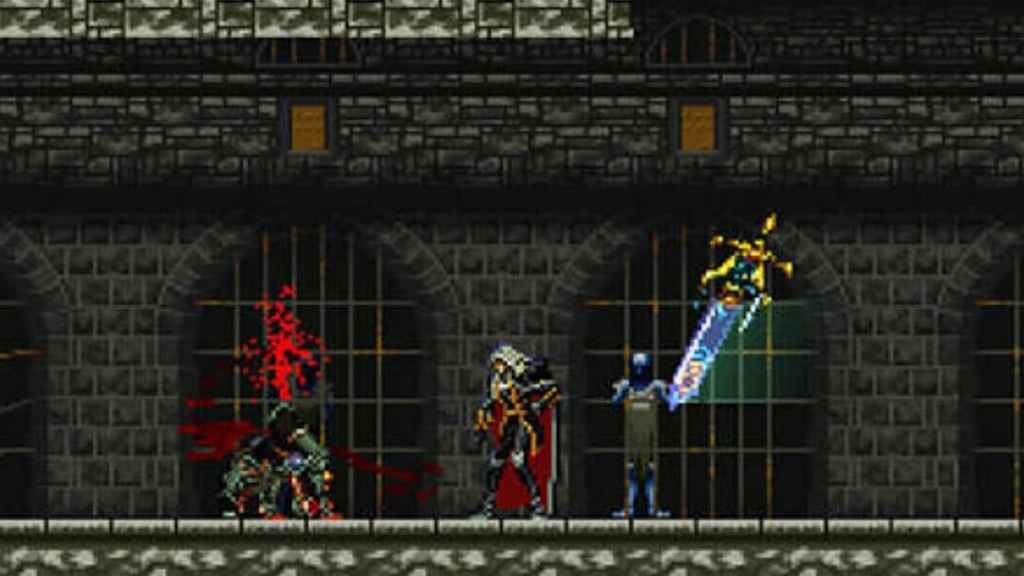 image courtesy of konami
Castlevania occupies a unique place in platforming history. Debuting in 1986, the series blended tight action platforming with gothic horror aesthetics, creating a tone unlike anything else at the time. Early entries emphasized deliberate movement, punishing enemy placement, and memorization, rewarding patience and mastery. The older games were some of the most challenging titles of their time.
The franchise evolved dramatically with Castlevania: Symphony of the Night, which helped define the Metroidvania subgenre. Exploration, RPG elements, and nonlinear progression transformed the series into something deeper and more replayable. Subsequent entries expanded on this formula, particularly on handheld systems, earning passionate fans and critical praise.
Despite its influence, Castlevania has not seen a new mainline platforming entry since Castlevania: Lords of Shadow 2 in 2014, and that title marked a major departure from the classic formula. While the Netflix series revived interest in the brand, Konami has largely limited the franchise to collections and mobile projects.
The abandonment stings because Castlevania helped shape modern game design. Its DNA lives on in countless indie titles, yet the series itself remains absent. Fans continue to hope that its legacy will eventually inspire a true return to form. For now, they must rely on indie projects like Hollow Knight: Silksong and the upcoming Bloodstained: The Scarlet Engagement to satisfy the Castlevania aspect of the Metroidvania genre.
1) Banjo-Kazooie
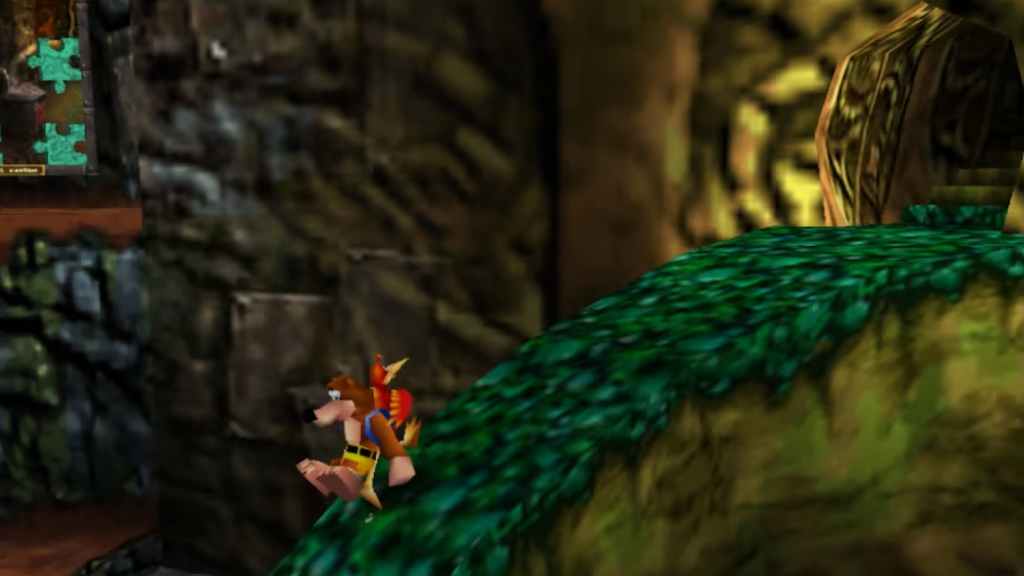 image courtesy of microsoft
Few platforming series inspire as much hope as Banjo-Kazooie. Released in 1998 by Rare, the original game became an instant Nintendo 64 classic. Its vibrant worlds, clever humor, and collectible-driven design set a standard for 3D platformers. Banjo-Tooie expanded on this with larger levels, interconnected worlds, and deeper mechanics, solidifying the duo as icons.
What made Banjo-Kazooie special was its personality. Dialogue was expressive without voice acting, characters were memorable, and exploration felt rewarding rather than overwhelming. The games struck a perfect balance between challenge and accessibility, making them beloved by players of all ages, even today.
The series’ decline began after Microsoft acquired Rare. Banjo-Kazooie: Nuts and Bolts, in 2008, took the franchise in a radically different direction, focusing on vehicle building rather than traditional platforming. While creative, it divided fans and marked the last new entry in the series, ultimately signaling the end of the dynamic duo.
It has now been over fifteen years since Banjo-Kazooie received a proper sequel. Despite constant fan demand and renewed interest in platformers, the franchise remains dormant. Its absence is especially painful because its core appeal remains timeless. In an era where nostalgia and craftsmanship are celebrated, Banjo-Kazooie feels like the ultimate abandoned treasure.
Banjo’s last appearance was in Super Smash Bros. Ultimate, an inclusion that sparked hope for a return. But there were no remakes or new games following this collaboration between Microsoft and Nintendo. Rumors still swirl, keeping hope alive for fans, and other developers continue to release Banjo-Kazooie-inspired games like Yooka-Layle to fill the gap left by this beloved series’ absence.
What do you think? Leave a comment below and join the conversation now in the ComicBook Forum!