The United States is poised to officially withdraw from the World Health Organization this Thursday, a move that has drawn significant criticism for its anticipated negative impact on both American and global health.
The decision also appears to violate US law, which mandates Washington pay $260 million in outstanding fees to the UN health agency.
President Donald Trump had given notice of the US departure, effective in 2025, with US law requiring a year’s notice and all fees settled before leaving.
Over the past year, numerous global health experts, including WHO Director General Tedros Adhanom Ghebreyesus, have urged a reconsideration of the decision.
“I hope the U.S. will reconsider and rejoin WHO,” he told reporters at a press conference earlier this month. “Withdrawing from…
The United States is poised to officially withdraw from the World Health Organization this Thursday, a move that has drawn significant criticism for its anticipated negative impact on both American and global health.
The decision also appears to violate US law, which mandates Washington pay $260 million in outstanding fees to the UN health agency.
President Donald Trump had given notice of the US departure, effective in 2025, with US law requiring a year’s notice and all fees settled before leaving.
Over the past year, numerous global health experts, including WHO Director General Tedros Adhanom Ghebreyesus, have urged a reconsideration of the decision.
“I hope the U.S. will reconsider and rejoin WHO,” he told reporters at a press conference earlier this month. “Withdrawing from the WHO is a lose for the United States, and it’s a lose for the rest of the world.”
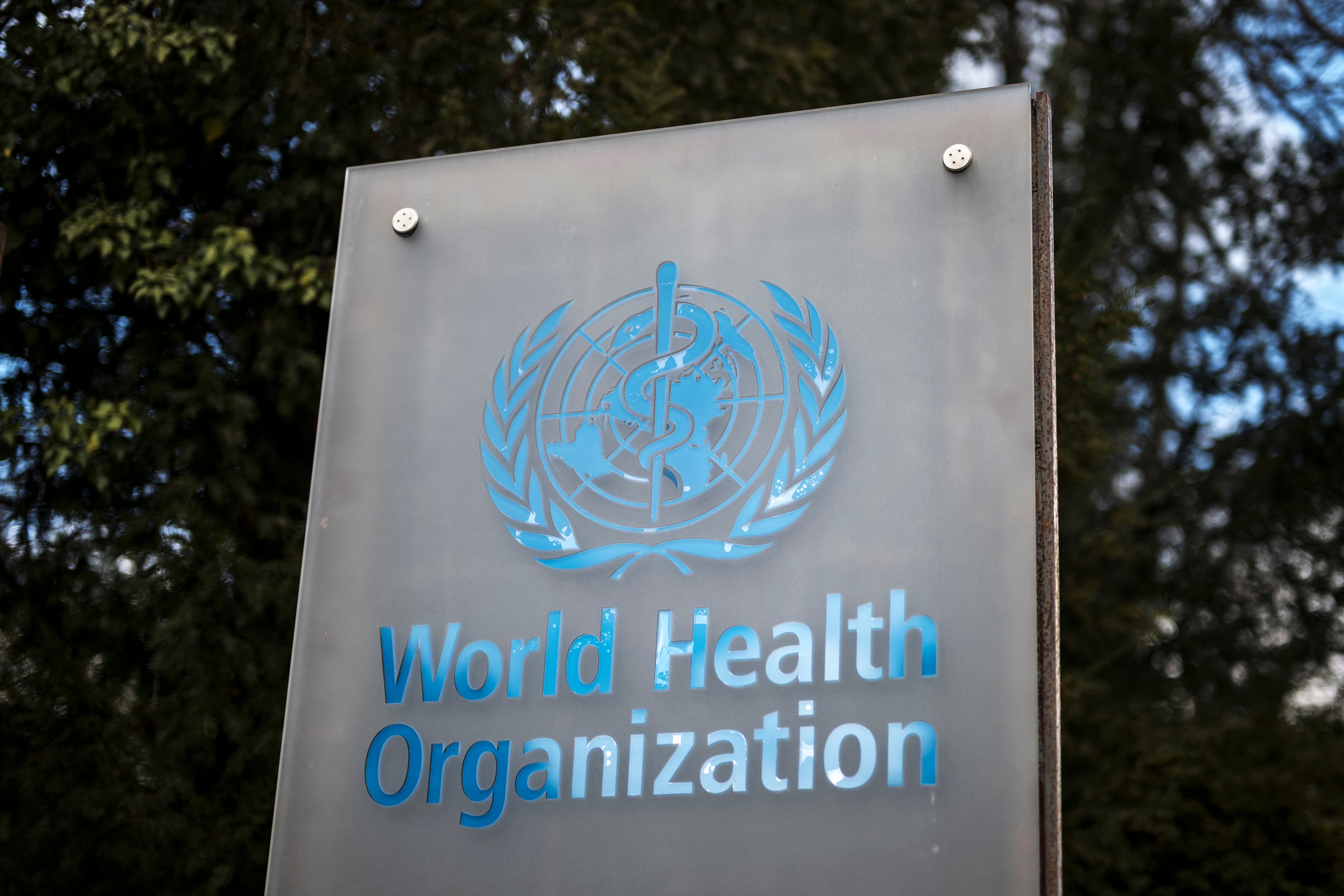
A sign of the World Health Organization (WHO) displayed at their headquarters in Geneva on March 13, 2025. (AFP via Getty Images)
The WHO also said that the U.S. has not yet paid the fees it owes for 2024 and 2025. Member states are set to discuss the U.S. departure and how it will be handled at the WHO’s executive board in February, a WHO spokesperson told Reuters by email.
The U.S. State Department did not respond to questions about whether the U.S. could leave without paying its fees, or what the departure may mean for global collaboration.
“This is a clear violation of U.S. law,” said Lawrence Gostin, founding director of the O’Neill Institute for Global Health Law at Georgetown University in Washington, a close observer of the WHO. “But Trump is highly likely to get away with it.”
Speaking to Reuters at Davos, Bill Gates – chair of the Gates Foundation, a major funder of global health initiatives and some of the WHO’s work – said he did not expect the U.S. to reconsider in the short-term.
“I don’t think the U.S. will be coming back to WHO in the near future,” he said, adding that when he had an opportunity to advocate for it, he would. “The world needs the World Health Organization.”
What it means
For the WHO, the departure of the U.S. has sparked a budgetary crisis that has seen it cut its management team in half and scale back work, cutting budgets across the agency. Washington has traditionally been by far the U.N. health agency’s biggest financial backer, contributing around 18% of its overall funding. The WHO will also shed around a quarter of its staff by the middle of this year.
The agency said it has been working with the U.S. and sharing information in the last year. It was unclear how the collaboration will work going forward.
Global health experts said this posed risks for the U.S., the WHO and the world.
“The U.S. withdrawal from WHO could weaken the systems and collaborations the world relies on to detect, prevent, and respond to health threats,” said Kelly Henning, public health program lead at Bloomberg Philanthropies, a U.S.-based non-profit.