I. COSMOLOGICAL ANTECEDENTS
13,800,000,000 Big Bang singularity: cosmic inflation, creation of all particles of matter and counterpart antimatter, and the laws of physics governing their interactions; expansion and cooling of space, emergence of the first elements → formation of the observable Universe, its galaxies, solar systems, stars, planets, moons, asteroids and comets
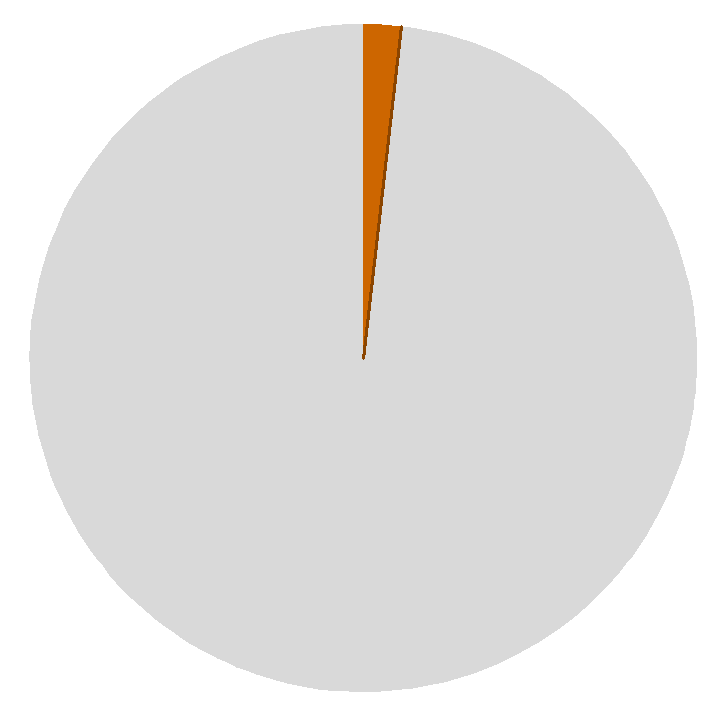 13,550,000,000 ignition of hydrogen stars, bathing the Universe in…
I. COSMOLOGICAL ANTECEDENTS
13,800,000,000 Big Bang singularity: cosmic inflation, creation of all particles of matter and counterpart antimatter, and the laws of physics governing their interactions; expansion and cooling of space, emergence of the first elements → formation of the observable Universe, its galaxies, solar systems, stars, planets, moons, asteroids and comets
13,550,000,000 ignition of hydrogen stars, bathing the Universe in first light of cosmic dawn → helium in stars fusing into carbon, leading to stellar nucleosynthesis of all elements; earliest galaxies and black holes forming 290 million and 400 million years after the Big Bang
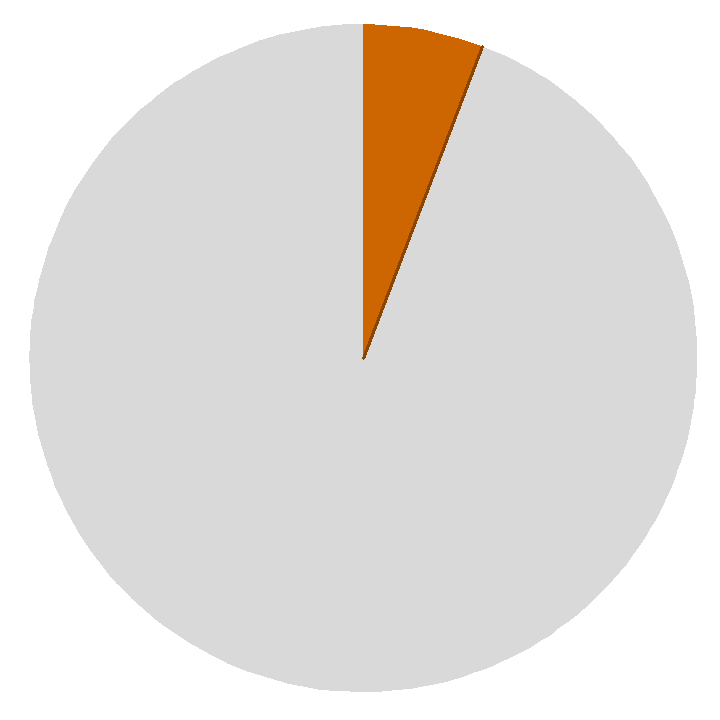 13,000,000,000 aggregation of stars into the Milky Way galaxy: now a warped spiral disc of 100 billion stars, one of 200 billion galaxies in the observable Universe
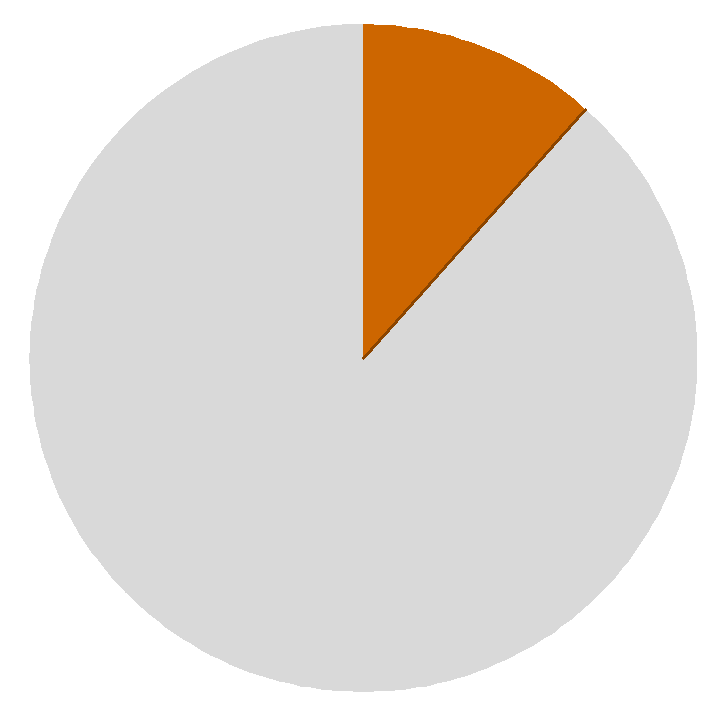 12,200,000,000 earliest water: an interstellar vapour, and repository for oxygen
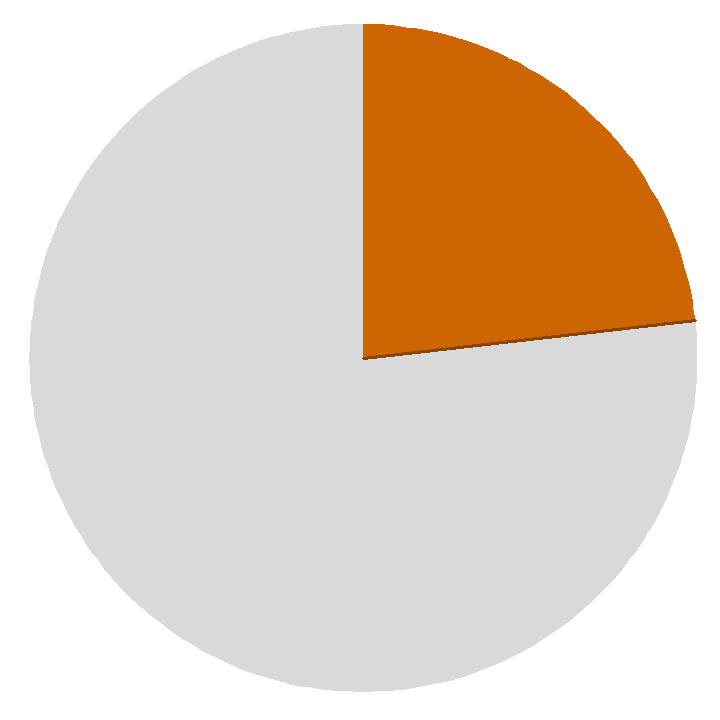 10,600,000,000 Cosmic Noon: the zenith of star production in the Universe → some 10.6 billion years later, 95% of all stars that will ever exist have already been born
 4,570,000,000 formation of the Sun and Solar System within the Milky Way, orbiting a supermassive black hole, Sagittarius A*, at its Galactic Centre every 220 million years
 4,510,000,000 formation of the Moon from a massive impact of protoplanet Theia with proto-Earth, during chaotic instability of the giant planets
 4,500,000,000 formation of planet Earth with 510 million km² of surface area, orbiting the Sun on a yearly cycle, rotating eastward on a day-night cycle around a tilted axis that perpetuates opposing polar seasons
 4,400,000,000 formation of Earth’s oceans and moist atmosphere, protected from solar wind and cosmic rays by Earth’s magnetosphere generated by its iron core
4,400,000,000 earliest subduction of Earth’s crust → continental plate tectonics by at least 3.5 billion years ago, unique to Earth in the Solar System; plate boundaries shifting continuously
4,400,000,000 formation of Earth’s oceans and moist atmosphere, protected from solar wind and cosmic rays by Earth’s magnetosphere generated by its iron core
4,400,000,000 earliest subduction of Earth’s crust → continental plate tectonics by at least 3.5 billion years ago, unique to Earth in the Solar System; plate boundaries shifting continuously
 4,300,000,000 basaltic rock glass catalyses formation of RNA (Hadean Eon): long-strand molecules carrying information across self-replicating generations and synthesising peptides → pre-biotic RNA world?
II. HUMAN ANCESTRY AND EVOLUTION1. Evolution of life on Earth
4,000,000,000 earliest life on Earth: single-celled prokaryotic Archaea (Hadean Eon, 3.7-4.2 billion years ago), each a vesicle of inherited genes composed of stable DNA, instructing the translation of RNA in ribosomes into proteins that catalyse metabolic reactions, driving reproduction → planet Earth harbouring the only life in the Universe?
 3,500,000,000 photosynthesising bacteria amongst the Archaea (Archean Eon), converting sunlight into chemical energy to power cellular activity → cyanobacteriathe most abundant of all organisms ever existing on Earth
 3,400,000,000 earliest atmospheric oxygen, present at low levels (Archean Eon) → aerobic and anaerobic microbes evolving the metabolic pathways that drive planetary biogeochemical cycling of elements H, C, N, O, S, essential to all life on Earth
 3,260,000,000 a gigantic meteorite strikes Earth (Archean Eon ), triggering a global tsunami, boiling the world’s ocean, lowering sea level, darkening the sky, churning up nutrients for iron-cycling microbes
3,200,000,000 emergence of Earth’s first continents from the ocean (Archean Eon, 3.3 to 3.2 billion years ago), supporting microbial mats in Earth’s first land ecosystem
3,260,000,000 a gigantic meteorite strikes Earth (Archean Eon ), triggering a global tsunami, boiling the world’s ocean, lowering sea level, darkening the sky, churning up nutrients for iron-cycling microbes
3,200,000,000 emergence of Earth’s first continents from the ocean (Archean Eon, 3.3 to 3.2 billion years ago), supporting microbial mats in Earth’s first land ecosystem
 2,330,000,000 the Great Oxygenation Event: 1-10 million years of rapidly accumulating atmospheric oxygen (Proterozoic Eon), a product of photosynthesis and energy source for complex life
2,100,000,000 early multicellular life, with cell-to-cell signalling and coordinated responses (Proterozoic Eon) → the human body containing 28-36 trillion cells in hundreds of mutually-dependent types, plus a similar order of commensal microbes without which we die
2,330,000,000 the Great Oxygenation Event: 1-10 million years of rapidly accumulating atmospheric oxygen (Proterozoic Eon), a product of photosynthesis and energy source for complex life
2,100,000,000 early multicellular life, with cell-to-cell signalling and coordinated responses (Proterozoic Eon) → the human body containing 28-36 trillion cells in hundreds of mutually-dependent types, plus a similar order of commensal microbes without which we die
 1,640,000,000 earliest Eukaryotes amongst the Prokaryotes (Proterozoic Eon ), arising from the merger of an archaeon with a bacterium:single-celled and multicellular → sexual reproduction with meiosis and recombination of genetic material from two parents
 1,500,000,000 giant viruses associating with red algae (Proterozoic Eon ): viruses present from the dawn of cellular life?
 1,000,000,000 earliest fungi amongst the Eukaryotes (Proterozoic Eon ): shallow-water estuarine Ourasphaira giraldae
890,000,000 earliest Metazoa – animals – amongst the Eukaryotes: ctenophore ‘combjellies’ with neurones and muscles, yet no sense of self, segregating from fungal lineages (Proterozoic Eon?)
1,000,000,000 earliest fungi amongst the Eukaryotes (Proterozoic Eon ): shallow-water estuarine Ourasphaira giraldae
890,000,000 earliest Metazoa – animals – amongst the Eukaryotes: ctenophore ‘combjellies’ with neurones and muscles, yet no sense of self, segregating from fungal lineages (Proterozoic Eon?)
 717,000,000 massive volcanism and outgassing triggers Snowball Earth glaciation lasting 56 million years : the most extreme interval of icehouse climate in Earth’s history → further brief snowball episodes
 700,000,000 Neoproterozoic Oxygenation Event: 100 million years of rising photosynthesis with lengthening days as Earth’s rotational speed slows, improving conditions for complex life
 635,000,000 earliest stem Cnidaria amongst the animals (early Ediacaran Period ), ancestor of jellyfish and immortal hydrozoans: decentralised nervous system on a sleep/wake cycle → without sleep we die
 550,000,000 earliest bilaterian animals, with left-right symmetry (Ediacaran Period): burrowing Ikaria with mouth and gut; segmented Yilingia with paired legs and musculature; roundworm Uncus, earliest of now the most numerous and diverse animal phylum, variable also in personality
 540,000,000 explosion in animal diversification over 20 million years (earliest Cambrian Period ); emergence of modern body plans, resolving to phyla over 40 million years
 535,000,000 earliest chordates amongst the bilaterians (Early Cambrian): pharyngeal gill slits, notochord and brain → unique cognitive abilities of the human brain
520,000,000 ancestral vertebrates amongst the chordates (Cambrian Period), with stomach, gill arches, camera-type eyes, and olfactory organ
535,000,000 earliest chordates amongst the bilaterians (Early Cambrian): pharyngeal gill slits, notochord and brain → unique cognitive abilities of the human brain
520,000,000 ancestral vertebrates amongst the chordates (Cambrian Period), with stomach, gill arches, camera-type eyes, and olfactory organ
 520,000,000 earliest acute visual perception: compound and stalked eyes of stem arthropods (Cambrian Period) → vision catalysing animal diversification
500,000,000 first colonisation of land by plants: greenalgae of the Middle Cambrian Period , probably facilitated by fungi → continental greening that creates soils, Earth’s single most biodiverse habitat, and meanders rivers
520,000,000 earliest acute visual perception: compound and stalked eyes of stem arthropods (Cambrian Period) → vision catalysing animal diversification
500,000,000 first colonisation of land by plants: greenalgae of the Middle Cambrian Period , probably facilitated by fungi → continental greening that creates soils, Earth’s single most biodiverse habitat, and meanders rivers
 500,000,000 earliest excursions onto land by animals (Middle Cambrian): snails on tidal sandflats, 100 million years before full terrestrialisation among invertebrates, including millipedes
 480,000,000 radiation of vertebrates (Early Ordovician), possibly facilitated by genome duplication: aquatic with a mineralised skeleton, armour and scales
 479,000,000 earliest insects amongst the arthropods (Early Ordovician) → flight by 406 million years ago; modern insects exhibiting capacity for subjective experience, a marker for consciousness
 460,000,000 earliest vertebrate skeletons with living bone: Astraspis jawless fish (Ordovician Period) → self-repairing bones
445,000,000 mass extinction in two pulses across 1 million years, eliminating more than three-quarters of all species (Late Ordovician ), linked to volcanic activity
460,000,000 earliest vertebrate skeletons with living bone: Astraspis jawless fish (Ordovician Period) → self-repairing bones
445,000,000 mass extinction in two pulses across 1 million years, eliminating more than three-quarters of all species (Late Ordovician ), linked to volcanic activity
 432,000,000 earliest vascular plant: Cooksonia (mid-Silurian, Czechia, peri-Gondwana ), growing amongst giant fungi, kindling for the earliest wildfires fuelled by the oxygen product of photosynthesis
 430,000,000 evolution of paired nostrils amongst the fishes (Silurian Period), a prerequisite to the development of jaws → human nose detecting more than 1 trillion odours, categorised by associated memories
 420,000,000 earliest jawed vertebrates amongst the fishes (Late Silurian) → diversification of feeding niches; capacity for yawning and empathy, omnipresent across disparate modern lineages; synovial joints
 407,000,000 earliest acoustic communication, by aquatic vertebrates (Early Devonian): sound production and hearing for signalling, displaying and surveillance
407,000,000 earliest woody stems of vascular plants (Early Devonian, France, Gondwana ) → evolution driven by hydraulic constraints, pre-adapting plants for taller morphologies
407,000,000 earliest acoustic communication, by aquatic vertebrates (Early Devonian): sound production and hearing for signalling, displaying and surveillance
407,000,000 earliest woody stems of vascular plants (Early Devonian, France, Gondwana ) → evolution driven by hydraulic constraints, pre-adapting plants for taller morphologies
 395,000,000 earliest tetrapods amongst the vertebrates (Devonian Period, Poland, Euramerican shallow marine lagoons ): limbs replacing paired fins; still fully aquatic
 390,000,000 earliest forests (Devonian Period, Britain, Euramerica ) → three-dimensional terrestrial habitat, trees connected by mycorrhizal fungi; rising atmospheric oxygen and diminishing CO₂
 380,000,000 earliest vertebrate multi-chambered heart (placoderm fish, Devonian Period, Australia, Gondwanan onshore reefs ) → the human heartbeat a hearty, heartless or heartfelt rhythm, broken by emotional trauma
375,000,000 mass extinction in a series of pulses across 20 million years, eliminating more than two-thirds of all species (Late Devonian ), linked to anoxia associated with climatic cooling
380,000,000 earliest vertebrate multi-chambered heart (placoderm fish, Devonian Period, Australia, Gondwanan onshore reefs ) → the human heartbeat a hearty, heartless or heartfelt rhythm, broken by emotional trauma
375,000,000 mass extinction in a series of pulses across 20 million years, eliminating more than two-thirds of all species (Late Devonian ), linked to anoxia associated with climatic cooling
 350,000,000 earliest land vertebrates (Early Carboniferous, Britain, Euramerica ; possibly 30-50 million years earlier): semi-aquatic amphibian tetrapods, with blinking eyes and tongue → the human tongue detecting sweet, sour, salty, bitter and savoury tastes
340,000,000 earliest fully terrestrial tetrapod vertebrates, laying amniote eggs (Carboniferous Period, Britain, Euramerica ; possibly 15 million years earlier in Australia, Gondwana )
350,000,000 earliest land vertebrates (Early Carboniferous, Britain, Euramerica ; possibly 30-50 million years earlier): semi-aquatic amphibian tetrapods, with blinking eyes and tongue → the human tongue detecting sweet, sour, salty, bitter and savoury tastes
340,000,000 earliest fully terrestrial tetrapod vertebrates, laying amniote eggs (Carboniferous Period, Britain, Euramerica ; possibly 15 million years earlier in Australia, Gondwana )
 305,000,000 earliest evidence of parental care of offspring by a tetrapod: a varanopid synapsid (Carboniferous Period, Nova Scotia, Pangaea )
 289,000,000 earliest record of skin (reptile Captorhinus aguti, Permian Period, North America, Pangaea ), the largest organ among extant limbed vertebrates; defending, protecting and insulating the body, sensing texture and temperature
251,900,000 Earth’s largest mass extinction, eliminating four-fifths of all species during 61,000 years (Permian-Triassic transition ), caused by hot and acidifying CO₂ emissions from volcanic Siberian Traps , amplified by mega-El Niños → rapid biotic recovery
233,000,000 dawn of the modern world: major biological turnover linked to volcanism (Late Triassic ) → rapid diversifications and originations of conifers, insects, dinosaurs, reptiles and stem mammals
228,000,000 earliest pterosaur reptiles (Late Triassic), the earliest flying vertebrates, and one of only four animal groups known to have evolved powered flight, with insects, birds and bats
289,000,000 earliest record of skin (reptile Captorhinus aguti, Permian Period, North America, Pangaea ), the largest organ among extant limbed vertebrates; defending, protecting and insulating the body, sensing texture and temperature
251,900,000 Earth’s largest mass extinction, eliminating four-fifths of all species during 61,000 years (Permian-Triassic transition ), caused by hot and acidifying CO₂ emissions from volcanic Siberian Traps , amplified by mega-El Niños → rapid biotic recovery
233,000,000 dawn of the modern world: major biological turnover linked to volcanism (Late Triassic ) → rapid diversifications and originations of conifers, insects, dinosaurs, reptiles and stem mammals
228,000,000 earliest pterosaur reptiles (Late Triassic), the earliest flying vertebrates, and one of only four animal groups known to have evolved powered flight, with insects, birds and bats
 210,000,000 earliest warm-blooded stem mammals (Late Triassic ): faster metabolism sustaining endothermy in a cooler climate
201,300,000 mass extinction event, eliminating more than two-thirds of all species (Triassic-Jurassic transition), linked to volcanic CO₂ from the Central Atlantic Magmatic Province , equivalent to projections for CE 21ˢᵗ century anthropogenic emissions
178,000,000 earliest true mammals amongst the terrestrial vertebrates (Jurassic Period ): lactation, fur and endothermy; external ears; REM sleep;natural lifespan of 3,200 somatic mutations → humans averaging 47 annually
150,000,000 evolutionary transition to birds from therapod dinosaurs (Late Jurassic ): Archaeopteryx, with feathered body and wings, active flight, toothed beak and bony tail; birds sharing the air with pterosaurs until 66 million years ago
210,000,000 earliest warm-blooded stem mammals (Late Triassic ): faster metabolism sustaining endothermy in a cooler climate
201,300,000 mass extinction event, eliminating more than two-thirds of all species (Triassic-Jurassic transition), linked to volcanic CO₂ from the Central Atlantic Magmatic Province , equivalent to projections for CE 21ˢᵗ century anthropogenic emissions
178,000,000 earliest true mammals amongst the terrestrial vertebrates (Jurassic Period ): lactation, fur and endothermy; external ears; REM sleep;natural lifespan of 3,200 somatic mutations → humans averaging 47 annually
150,000,000 evolutionary transition to birds from therapod dinosaurs (Late Jurassic ): Archaeopteryx, with feathered body and wings, active flight, toothed beak and bony tail; birds sharing the air with pterosaurs until 66 million years ago
 135,000,000 major radiations of flowering plantsand their insect pollinators in the Early Cretaceous : an “abominable mystery” (Charles Darwin, 1879)
 101,500,000 aerobic bacteria embed into oxic sediment of the South Pacific Gyre (Cretaceous Period ); recovered after 101.5 million years from 5,700-m water depth and 70 m below seafloor, to grow into microbial communities
 92,000,000 earliest mammal louse (Cretaceous Period ) → body-, pubic- and head-lice, bedbugs, screwworms and botflies, fleas, ticks, scabies and chiggers amongst the ectoparasites of modern humans, with 300 worm and 70 protozoan endoparasites
66,000,000 abrupt mass extinction of non-avian dinosaurs, with three-quarters of all species, following the springtime impact of a 10-km wide asteroid at Chicxulub, Mexico (Cretaceous-Paleogene transition ) → rapid diversification of flowering plants and mammals
92,000,000 earliest mammal louse (Cretaceous Period ) → body-, pubic- and head-lice, bedbugs, screwworms and botflies, fleas, ticks, scabies and chiggers amongst the ectoparasites of modern humans, with 300 worm and 70 protozoan endoparasites
66,000,000 abrupt mass extinction of non-avian dinosaurs, with three-quarters of all species, following the springtime impact of a 10-km wide asteroid at Chicxulub, Mexico (Cretaceous-Paleogene transition ) → rapid diversification of flowering plants and mammals
 65,000,000 radiation of placental mammals (post-Cretaceous-Paleogene boundary): placenta, and birth of well-developed young → now occupying every continent and ocean
55,000,000 earliest primates amongst the mammals (Eocene Epoch ): brachiation; modern primates exhibiting sociality and social play amongst adults, as in other mammals and in birds
65,000,000 radiation of placental mammals (post-Cretaceous-Paleogene boundary): placenta, and birth of well-developed young → now occupying every continent and ocean
55,000,000 earliest primates amongst the mammals (Eocene Epoch ): brachiation; modern primates exhibiting sociality and social play amongst adults, as in other mammals and in birds
 44,000,000 divergence of Old World from New World primates (Eocene Epoch ): colour vision, opposable thumbs; capacity to grieve, as in other mammals, and to recognise deceptions; extended sexuality → extreme in humans
 34,000,000 freezing over of Antarctica , henceforth shrouding the continental landmass in ice
 30,000,000 a virus embeds its DNA into a primate’s genome, evolving into an endogenous retrovirus → active in modern humans: domesticated and territorial, protecting the placenta
25,200,000 earliest hominoids (apes) amongst the Old World primates (Tanzania, Oligocene Epoch ): tailless, enlarged brain; dawn of speech in contrasting vowel sounds – no language without vowels
30,000,000 a virus embeds its DNA into a primate’s genome, evolving into an endogenous retrovirus → active in modern humans: domesticated and territorial, protecting the placenta
25,200,000 earliest hominoids (apes) amongst the Old World primates (Tanzania, Oligocene Epoch ): tailless, enlarged brain; dawn of speech in contrasting vowel sounds – no language without vowels
 21,000,000 origin of oral-oral kissing amongst large apes (Afro-Eurasian, Miocene Epoch): intimate mirroring and mutual exchange of saliva → probable use by Neanderthals as well as modern humans
 16,800,000 earliest hominids (great apes) amongst the hominoid gibbons in Asia (Miocene Epoch ): larger body size and sexual dimorphism; tool kits; modern capacity for weighing evidence, empathy and consolation, infant laughter, sensitive gesturing, long-distance communication by rhythmic drumming; self-medication, as in other animals
 13,000,000 hominids Pierolapithecus catalaunicus in Spain , and Nyanzapithecus alesi in Kenya (Miocene Epoch ), possible ancestors of hominins and modern apes respectively, the former with upright posture; capacity for playful teasing
7,000,000 earliest hominin Sahelanthropus, then Orrorin and Ardipithecus, amongst the hominids in Africa : reduced canines, arboreal habit, bipedal capability
13,000,000 hominids Pierolapithecus catalaunicus in Spain , and Nyanzapithecus alesi in Kenya (Miocene Epoch ), possible ancestors of hominins and modern apes respectively, the former with upright posture; capacity for playful teasing
7,000,000 earliest hominin Sahelanthropus, then Orrorin and Ardipithecus, amongst the hominids in Africa : reduced canines, arboreal habit, bipedal capability
 4,200,000 replacement of the earliest hominins by Australopithecus spp. in Africa (Pliocene Epoch): fully upright, bipedal and free-striding gait – unique amongst mammals, slowing mobility, freeing the hands for dextrous activity
 3,300,000 earliest knapped stone artefacts: Lomekwian tools (Kenya ); hominin technological behaviour? → Paranthropus sp. using Oldowan tools by c. 2.8 million years ago

2. Human evolution
2,800,000 earliest human, Homo sp., amongst the hominins (Ledi-Geraru, Ethiopia ): rounded chin as Australopithecus afarensis, but smaller and slimmer molars as the later Homo habilis
 2,750,000 continuous use of stone tools by hominins during 300,000 years (Namorotukunan, Kenya ): early Oldowan tools knapped from basalt and other fine-grained rocks
 2,700,000 range expansion of hominin genus Paranthropus (East Africa), with powerful jaws and large dextrous hands; coexisting with humans
 2,600,000 incorporation of meat and marrow into generalist diets of hominins (Africa); hunting by ambush, stalking, and endurance pursuit of prey?
2,600,000 earliest stone tools produced by humans (Gona, Ethiopia ): Oldowan tools knapped from chert and other fine-grained cobbles, chopping through flesh, bone, bark
2,600,000 incorporation of meat and marrow into generalist diets of hominins (Africa); hunting by ambush, stalking, and endurance pursuit of prey?
2,600,000 earliest stone tools produced by humans (Gona, Ethiopia ): Oldowan tools knapped from chert and other fine-grained cobbles, chopping through flesh, bone, bark
 2,588,000 start of the current geological period of Quaternary glaciation (Pleistocene Epoch), possibly initiated by a supernova blast 150-300 light-years away, luminous as the full Moon
 2,400,000 Homo habilis in Africa, using stone tools for cleaving meat from bone
 2,120,000 earliest evidence of human ancestors outside of Africa: tool-using hominins in Shangchen, northern China
2,000,000 early Homo erectus, direct ancestor of modern humans, coexisting with Australopithecus – soon extinct, and Paranthropus (South Africa ): delayed maturity, enlarged brain and smaller teeth
2,120,000 earliest evidence of human ancestors outside of Africa: tool-using hominins in Shangchen, northern China
2,000,000 early Homo erectus, direct ancestor of modern humans, coexisting with Australopithecus – soon extinct, and Paranthropus (South Africa ): delayed maturity, enlarged brain and smaller teeth
 1,800,000 migrations of Homo erectus from Africa to Eurasia (Georgia ; to Lantian in northern China by 1.63 million years ago; to Java by 1.5 million years ago?); ecological success underwritten by postmenopausal care of young?
 1,770,000 earliest evidence of extended childhood (11-year old Homo, Dmanisi, Georgia ), characteristic of modern humans, linked to slow development of baby teeth
 1,700,000 earliest stone hand axes (Olduvai Gorge, Tanzania ): Acheulean tools, standardised for butchering, cutting, stripping, hammering, drilling → population mobility
 1,500,000 earliest organic tools: heavy-duty bone implements (Olduvai Gorge, Tanzania ), copying multistep know-how on stone knapping and trimming → spread of cumulative culture by 600,000 years ago
1,500,000 earliest control of fire, by Homo erectus (Koobi Fora, Kenya ): uniquely human capability, extending the day with firelight → cooked food improving nutrient uptake by 780,000 years ago
1,500,000 male-male alliances in Homo erectus social groups (Ileret, Kenya ): cooperative networks, perhaps including unrelated individuals
1,500,000 earliest organic tools: heavy-duty bone implements (Olduvai Gorge, Tanzania ), copying multistep know-how on stone knapping and trimming → spread of cumulative culture by 600,000 years ago
1,500,000 earliest control of fire, by Homo erectus (Koobi Fora, Kenya ): uniquely human capability, extending the day with firelight → cooked food improving nutrient uptake by 780,000 years ago
1,500,000 male-male alliances in Homo erectus social groups (Ileret, Kenya ): cooperative networks, perhaps including unrelated individuals
 1,450,000 hominins butchering and consuming other hominins (Koobi Fora, Kenya)
 1,400,000 replacement of Homo habilis by Homo erectus in Africa, also dispersing into eastern Europe and spreading west, establishing in western Europe by 1.1 million years ago
1,000,000 extinction of Paranthropus (South Africa), our last remaining sibling genus
1,400,000 replacement of Homo habilis by Homo erectus in Africa, also dispersing into eastern Europe and spreading west, establishing in western Europe by 1.1 million years ago
1,000,000 extinction of Paranthropus (South Africa), our last remaining sibling genus
 1,000,000 earliest record of Asian Homo longi clade, encompassing Denisovans, with primitive H. erectus plus derived H. sapiens features (Hubei Province, China ): similar developmental level to the H. sapiens sister group?
1,000,000 ancestral humans undergo the first of a series of bifurcations into weakly differentiated populations connected by gene flow (pan-Africa) → no single birthplace of modern humans
1,000,000 earliest record of Asian Homo longi clade, encompassing Denisovans, with primitive H. erectus plus derived H. sapiens features (Hubei Province, China ): similar developmental level to the H. sapiens sister group?
1,000,000 ancestral humans undergo the first of a series of bifurcations into weakly differentiated populations connected by gene flow (pan-Africa) → no single birthplace of modern humans
 900,000 population bottleneck for the ancestors of modern humans in Africa, reducing from c. 100,000 to 1,300 individuals, persisting for c. 100,000 years during drastic climate change → diaspora from Africa into Eurasia
900,000 Homo antecessor in western Europe (Gran Dolina, Spain ), closely related to the last common ancestor of Neanderthals, Denisovans and modern humans
900,000 flint scrapers associated with Homo antecessor (Gran Dolina, Spain), suitable for preparing animal hides → clothing?
900,000 population bottleneck for the ancestors of modern humans in Africa, reducing from c. 100,000 to 1,300 individuals, persisting for c. 100,000 years during drastic climate change → diaspora from Africa into Eurasia
900,000 Homo antecessor in western Europe (Gran Dolina, Spain ), closely related to the last common ancestor of Neanderthals, Denisovans and modern humans
900,000 flint scrapers associated with Homo antecessor (Gran Dolina, Spain), suitable for preparing animal hides → clothing?
 800,000 earliest cannibalism, in Homo antecessor (Gran Dolina, Spain), practised throughout human history; social motivation?
 773,000 possible last common ancestor of modern humans, Neanderthals and Denisovans (Grotte à Hominidés, Morocco ): mix of archaic and modern attributes, distinct from Homo antecessor and H. heidelbergensis
 700,000 rise of Homo heidelbergensis in Africa and Europe, possible ancestor of Homo sapiens and Homo neanderthalensis; supplementing meat with starchy plants
700,000 diminutive Homo floresiensis on the Indonesian island of Flores , probable descendent of Homo erectus
700,000 rise of Homo heidelbergensis in Africa and Europe, possible ancestor of Homo sapiens and Homo neanderthalensis; supplementing meat with starchy plants
700,000 diminutive Homo floresiensis on the Indonesian island of Flores , probable descendent of Homo erectus
 500,000 earliest abstract markings: a zigzag engraving on a freshwater-mussel shell by Homo erectus (Trinil, Java ) → uniquely human capacity for abstraction
500,000 earliest use of stone-tipped spears, by Homo heidelbergensis (Kathu Pan, South Africa ) for hunting large game
500,000 earliest abstract markings: a zigzag engraving on a freshwater-mussel shell by Homo erectus (Trinil, Java ) → uniquely human capacity for abstraction
500,000 earliest use of stone-tipped spears, by Homo heidelbergensis (Kathu Pan, South Africa ) for hunting large game
 476,000 earliest wooden construction (Kalambo Falls, Zambia ), of interlocking logs joined by a cut notch: walkway, platform, or shelter?
 450,000 rise of Neanderthals Homo neanderthalensis across Europe: similar brain size but fewer neurones compared to modern humans
 430,000 Denisovans diverge from Neanderthals (southern Siberia) → Tibetan Plateau and Laos by 160,000 years ago; subsequent interbreeding, possibly also with Homo erectus
 400,000 multiple hominin dispersals across Arabia (Nefud Desert ), during windows of desert greening at four-, three-, two- and one-hundred thousand years ago
400,000 mass communal hunting, of bison by ancestors of Neanderthals (Gran Dolina, Spain ): systematic butchering for meat and fat
400,000 widespread cultural diffusion of fire by 400,000 years ago; Neanderthals using iron pyrite to create sparks for making fire (Barnham, Britain, )
400,000 earliest evidence of food storage for later consumption: bone marrow (Qesem Cave, Israel ) → food economy, incentivised by anticipation of future need
400,000 multiple hominin dispersals across Arabia (Nefud Desert ), during windows of desert greening at four-, three-, two- and one-hundred thousand years ago
400,000 mass communal hunting, of bison by ancestors of Neanderthals (Gran Dolina, Spain ): systematic butchering for meat and fat
400,000 widespread cultural diffusion of fire by 400,000 years ago; Neanderthals using iron pyrite to create sparks for making fire (Barnham, Britain, )
400,000 earliest evidence of food storage for later consumption: bone marrow (Qesem Cave, Israel ) → food economy, incentivised by anticipation of future need
 320,000 long-distance transport of obsidian for fine blades and points, and ochrefor pigments (Olorgesailie, Kenyan rift valley ): trade? → technological transition to Middle Stone Age during intensifying climate swings
315,000 earliest evidence of our species, Homo sapiens (Jebel Irhoud, Morocco ): facial and dental structure similar to modern humans, yet still archaic elongation of the braincase
320,000 long-distance transport of obsidian for fine blades and points, and ochrefor pigments (Olorgesailie, Kenyan rift valley ): trade? → technological transition to Middle Stone Age during intensifying climate swings
315,000 earliest evidence of our species, Homo sapiens (Jebel Irhoud, Morocco ): facial and dental structure similar to modern humans, yet still archaic elongation of the braincase
 300,000 earliest carved wooden digging sticks, used by hominins to extract edible tubers and roots from the ground (Gantangqing, China )
 250,000 replacement of Homo heidelbergensis by Homo neanderthalensis in Europe, and by Homo sapiens in Africa over the subsequent 100,000 years
 230,000 earliest anatomically modern Homo sapiens, in eastern Africa (Omo-Kibish, Ethiopia ): chin and tall cranial vault
 210,000 Homo sapiens enter Eurasia (Greece ): first of multiple dispersals out of Africa by humans with early modern traits, including globular braincase and descended larynx facilitating spoken language
 200,000 wood age of Homo neanderthalensis (Schöningen, Germany ): horse-hunting spears, throwing sticks, shafts, digging and piercing sticks, designed and carved from fire-hardened wood
200,000 compassionamong Neanderthals (Cova Negra, Spain ): caregiving and collaborative parenting for a child with Down syndrome
200,000 recurrent interbreeding of Homo sapiens with Homo neanderthalensis (Eurasia and subsequently Siberia) → accumulation of modern traits through gene flow
200,000 earliest synthetic material: adhesive tar from stewed birch bark, used by Neanderthals for hafting stone tools (Campitello, Italy ) → pyrotechnology
200,000 wood age of Homo neanderthalensis (Schöningen, Germany ): horse-hunting spears, throwing sticks, shafts, digging and piercing sticks, designed and carved from fire-hardened wood
200,000 compassionamong Neanderthals (Cova Negra, Spain ): caregiving and collaborative parenting for a child with Down syndrome
200,000 recurrent interbreeding of Homo sapiens with Homo neanderthalensis (Eurasia and subsequently Siberia) → accumulation of modern traits through gene flow
200,000 earliest synthetic material: adhesive tar from stewed birch bark, used by Neanderthals for hafting stone tools (Campitello, Italy ) → pyrotechnology
III. CULTURAL DEVELOPMENT3. Hunter-gatherer nomads
 176,000 earliest social construction: underground edifices built from broken stalagmites by Neanderthals (Bruniquel Cave, France ) → material culture, augmenting the natural space
170,000 widespread use of clothing, setting humans apart from all other animals, evidenced in the divergence of clothing lice from head lice (Africa)
176,000 earliest social construction: underground edifices built from broken stalagmites by Neanderthals (Bruniquel Cave, France ) → material culture, augmenting the natural space
170,000 widespread use of clothing, setting humans apart from all other animals, evidenced in the divergence of clothing lice from head lice (Africa)
 160,000 coastal shellfish harvested by Homo sapiens in southern Africa , and by Neanderthals in the western Mediterranean → fatty acids boosting cognitive development
142,000 earliest symbolic ornaments: marine-shell beads made by humans in Morocco , spreading to the Levant: conscious experience of selfhood; painted beads by Neanderthals in Spain by 115,000 years ago
160,000 coastal shellfish harvested by Homo sapiens in southern Africa , and by Neanderthals in the western Mediterranean → fatty acids boosting cognitive development
142,000 earliest symbolic ornaments: marine-shell beads made by humans in Morocco , spreading to the Levant: conscious experience of selfhood; painted beads by Neanderthals in Spain by 115,000 years ago
 126,000 Homo with mix of archaic-human and Neanderthal traits (Nesher Ramla, Israel ): stone-tool industry, cooking meat; cultural exchange with humans?
 125,000 prelude to Earth’s Last Glacial Period: global average temperature never again as high until CE 2021, during intensifying anthropogenic warming
125,000 Neanderthals living and working in large groups (northern European plain ), evidenced by butchered 13-tonne elephants, each provisioning 100 people for a month; rendering fat from bones, eating maggots
125,000 prelude to Earth’s Last Glacial Period: global average temperature never again as high until CE 2021, during intensifying anthropogenic warming
125,000 Neanderthals living and working in large groups (northern European plain ), evidenced by butchered 13-tonne elephants, each provisioning 100 people for a month; rendering fat from bones, eating maggots
 120,000 burial of dead, by anatomically modern humans in Qafzeh Cave, Israel , and by Neanderthals in Tabun Cave, Israel : mortuary rituals, mourning the dead
110,000 last appearance of Homo erectus (Ngandong, Java ), 1.89 million years after its first appearance → the longest enduring species of human
120,000 burial of dead, by anatomically modern humans in Qafzeh Cave, Israel , and by Neanderthals in Tabun Cave, Israel : mortuary rituals, mourning the dead
110,000 last appearance of Homo erectus (Ngandong, Java ), 1.89 million years after its first appearance → the longest enduring species of human
 105,000 hoarding of non-utilitarian objects by Homo sapiens: crystals and ostrich eggshell fragments (Kalahari, southern Africa )
 100,000 possible first arrival of Homo sapiens in East Asia , attracted to verdant landscapes produced by strengthening monsoons
100,000 toolkit for mixing and storing pigments: ochre, charcoal,bone, hammerstones, grindstones and abalone-shell containers (Blombos Cave, South Africa ) → complex human cognition
100,000 earliest human etchings on rock: cross-hash decorations or symbols (Blombos Cave, South Africa) → conceptual imagination
100,000 possible first arrival of Homo sapiens in East Asia , attracted to verdant landscapes produced by strengthening monsoons
100,000 toolkit for mixing and storing pigments: ochre, charcoal,bone, hammerstones, grindstones and abalone-shell containers (Blombos Cave, South Africa ) → complex human cognition
100,000 earliest human etchings on rock: cross-hash decorations or symbols (Blombos Cave, South Africa) → conceptual imagination
 90,000 manufacture of bone harpoons, for hunting catfish (Semliki river, DR Congo ) → harpoons for hunting baleen whales by 2900 BCE, Brazil
90,000 fisher-hunter-gatherer Neanderthals eating mussels, crab, eels, sea bream and shark, dolphins and seals, hoofed game and waterfowl; pine-nut economy (Figueira Brava, Portugal )
90,000 manufacture of bone harpoons, for hunting catfish (Semliki river, DR Congo ) → harpoons for hunting baleen whales by 2900 BCE, Brazil
90,000 fisher-hunter-gatherer Neanderthals eating mussels, crab, eels, sea bream and shark, dolphins and seals, hoofed game and waterfowl; pine-nut economy (Figueira Brava, Portugal )
 78,000 earliest symbolic human burial, a 3-year old Homo sapiens (Panga ya Saidi Cave, Kenya ): funerary practices by our ancestors
 77,000 construction of bedding from sedges, topped with aromatic leaves containing insecticidal and larvicidal chemicals (Sibudu rock shelter, South Africa )
77,000 early modern Homo sapiens present in southeast Asia (Tam Pà Ling Cave, Laos ), possibly migrating through as early as 86,000 years ago, settling at least by 68,000 years ago
77,000 construction of bedding from sedges, topped with aromatic leaves containing insecticidal and larvicidal chemicals (Sibudu rock shelter, South Africa )
77,000 early modern Homo sapiens present in southeast Asia (Tam Pà Ling Cave, Laos ), possibly migrating through as early as 86,000 years ago, settling at least by 68,000 years ago
 75,000 earliest jewellery fashions: shifts in styles of threaded shell beads (Blombos Cave, South Africa)
73,000 earliest drawing by humans: criss-crossed lines on a grindstone drawn with red-ochre crayon (Blombos Cave, South Africa)
75,000 earliest jewellery fashions: shifts in styles of threaded shell beads (Blombos Cave, South Africa)
73,000 earliest drawing by humans: criss-crossed lines on a grindstone drawn with red-ochre crayon (Blombos Cave, South Africa)
 71,000 earliest heat-treatment of bladelets, for atlatl darts or arrows (Pinnacle Point, South Africa ): communication of complex technology → emergence of the modern mind
 70,000 cooking of crushed pulse seeds by Neanderthals (Shanidar Cave, Iraqi Kurdistan ): tolerance of bitter and astringent tastes → food culture
 65,000 rapid colonisation of Australia by early modern humans during 5,000 years (ancient Sahul): maritime exploration; transecting the continent along superhighways
 64,800 earliest symbolic cave paintings by Neanderthals ([La Pasiega Cave](https://doi.org/10.1126/science.359.6