- 27 Dec, 2025 *
Having shared why I quit professional audio engineering after 10 years in the industry, I feel like embarking on a nice nostalgia trip, unearthing some of the memories I hadn’t revisited for a very long time and sharing how I accidentally became a professional audio engineer.
The very first time I did something related to audio engineering was in 2014 when I had to produce a podcast episode for an assignment for a university course. I obviously didn’t know what I was doing.
I recorded the episode with my iPhone 4S (god I feel old) and somehow ended up using Cool Edit Pro to edit and process the audio. If you haven’t hear…
- 27 Dec, 2025 *
Having shared why I quit professional audio engineering after 10 years in the industry, I feel like embarking on a nice nostalgia trip, unearthing some of the memories I hadn’t revisited for a very long time and sharing how I accidentally became a professional audio engineer.
The very first time I did something related to audio engineering was in 2014 when I had to produce a podcast episode for an assignment for a university course. I obviously didn’t know what I was doing.
I recorded the episode with my iPhone 4S (god I feel old) and somehow ended up using Cool Edit Pro to edit and process the audio. If you haven’t heard of Cool Edit Pro—what about Adobe Audition? Yeah, Adobe acquired it!
I hadn’t fallen in love with audio engineering yet after doing the podcast episode, but it piqued my interest—the seed was planted.
Nov–Dec 2014: Nik Nocturnal opened my eyes
At the time, I was also in a band with the now-famous YouTube guitarist/musician, Nik Nocturnal (1.3M subscribers). We met in a “Class of 2018” Facebook group as we were about to start our first year of university and quickly bonded over our mutual love for metalcore music. He was creating demos for us and I asked him, “How did you get drums in the demos? We didn’t record any drums.”
“It’s MIDI drums,” he told me.
“What the hell are MIDI drums?”
That was how he ended up sharing his screen with me via Skype and showing me how he created our demos in Cubase 5. He not only showed me what sample libraries were, but also what it meant to mix a song.
WHAT DO YOU MEAN YOU COULD JUST PROGRAM DRUMS THAT SOUND REAL WITHOUT RECORDING THEM?!—my mind was blown.
Jan–Jun 2015: Becoming obsessed
Like an addict with a newfound drug, I was immediately hooked and became obsessed. I downloaded Cubase 5, installed my first drum library, which was Sennheiser’s free DrumMic’a, and spent days and nights playing, experimenting, learning and tinkering.
I learned about monitor speakers and audio interfaces, so I bought myself a pair of Mackie MR5 MK3 and a Focusrite Scarlett Solo. This was my crude but very first studio setup at the time:
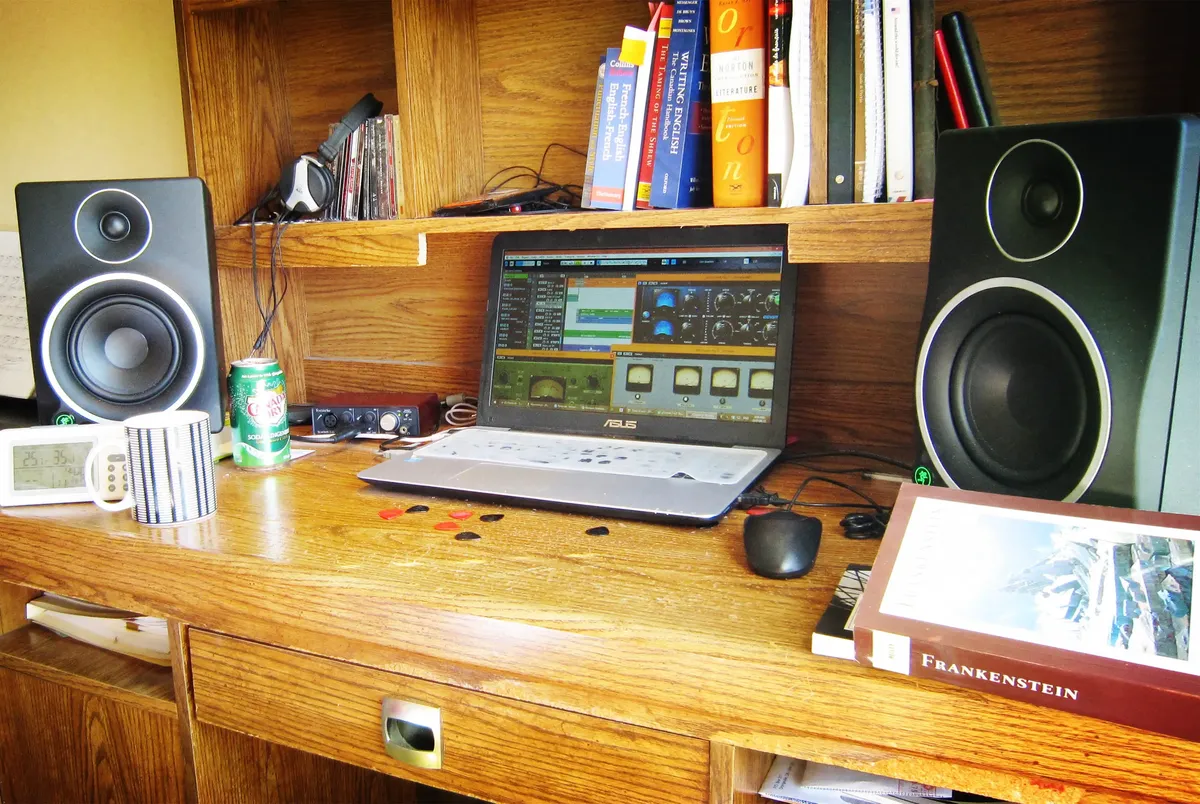
My first studio setup, photographed in April, 2015
I was renting a tiny room in off-campus housing and it quickly became way too small to build a functional bedroom studio, so I moved to a much bigger room in the same house that had enough space for a more proper setup:

A photo I took right after I moved to the bigger room in May, 2015
Below was the final form of my bedroom studio setup in that room before I moved to a dedicated studio room in 2021:
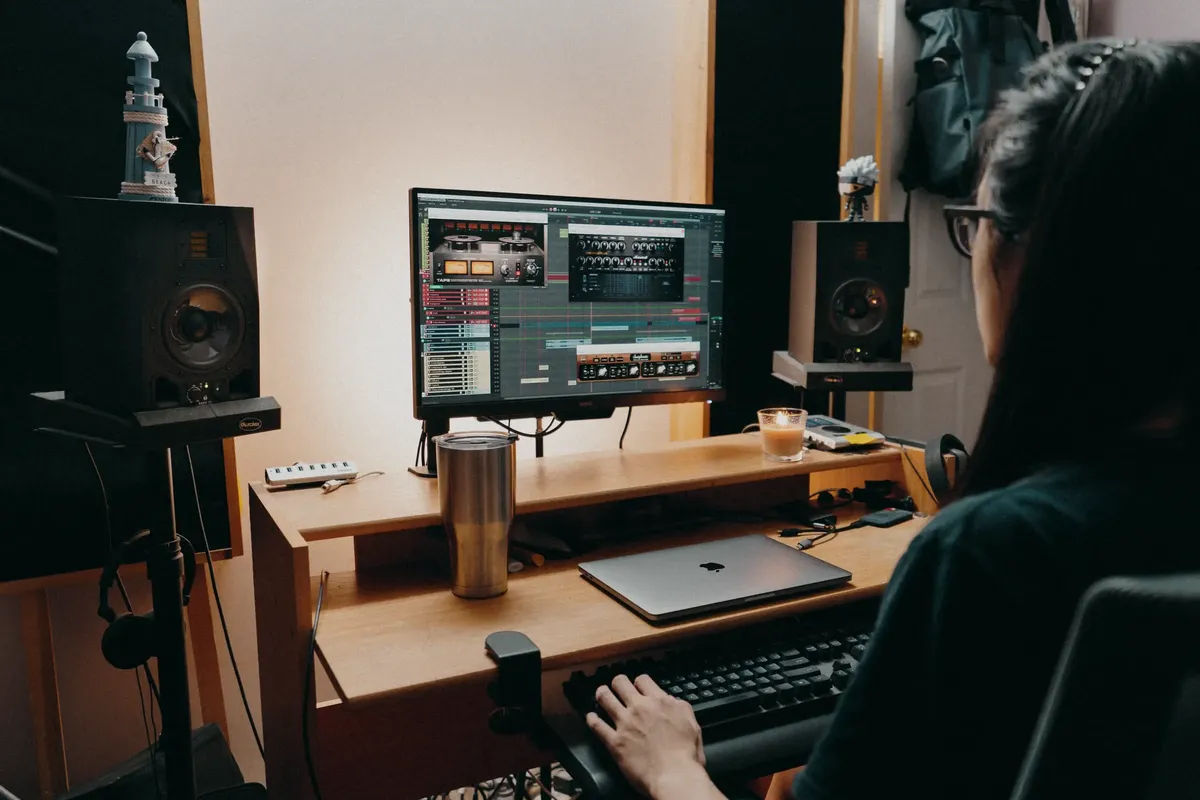
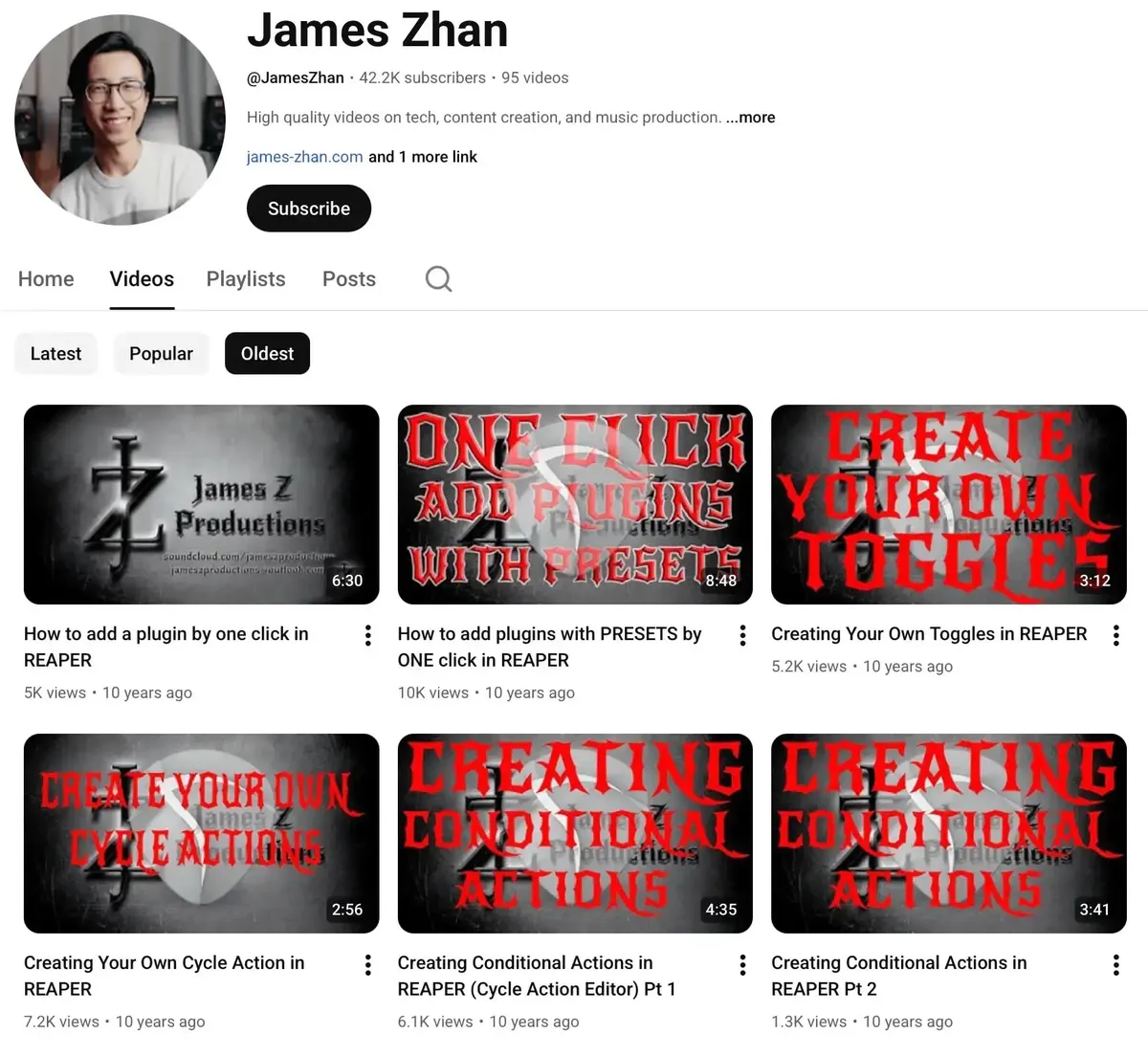
Within a month or two of obsessing over audio production, I switched to REAPER because I loved the crazily efficient workflows I could create with custom macros. Several badly made REAPER tutorial videos were born out of my then–newfound obsession over REAPER, which are still public on my YouTube channel:
I also learned about the importance of room acoustics for mixing and mastering music, and so I watched some YouTube videos, did some measurements and went to Home Depot to buy materials to DIY my own acoustic panels with the help of a friend:
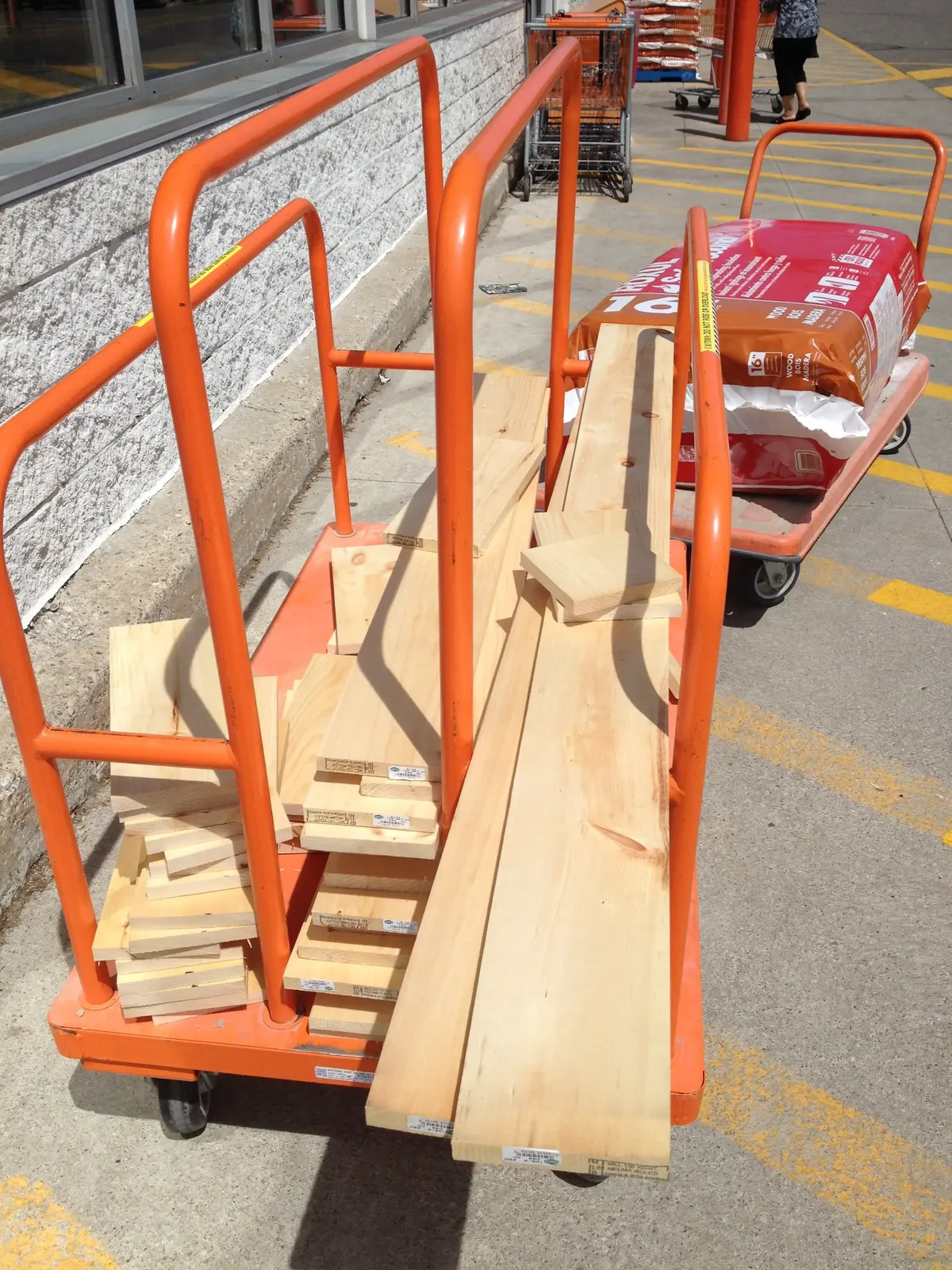
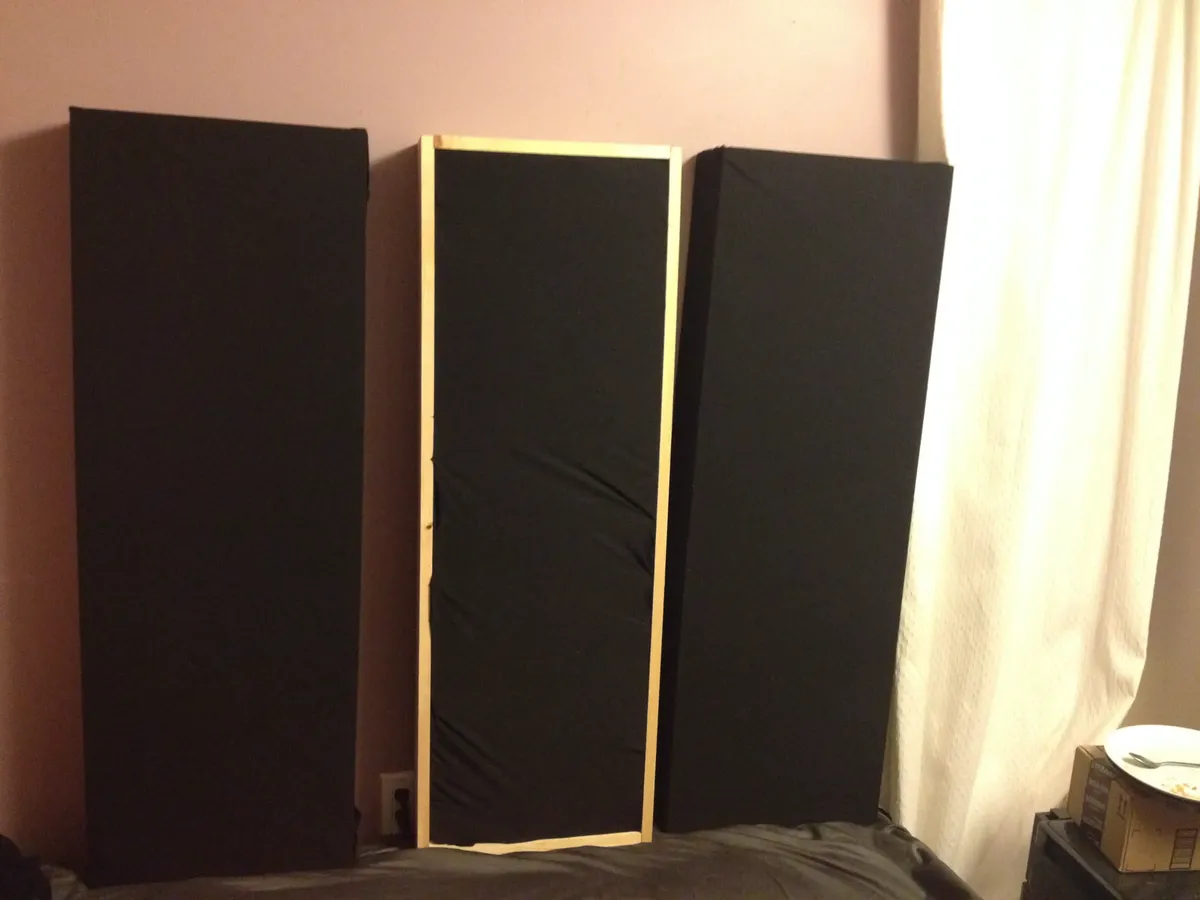
My DIY 6-inch acoustic panels
As modest as my bedroom studio looked, the acoustic panels actually improved the room’s acoustic response enough for me to efficiently mix and master music for the following five years that I lived there. I made some of my best sounding mixes listen in that bedroom studio.
Jun 2015–2016: Founded my studio business
I must have had a knack for mixing because, within six months, I was able to create pretty competitive mixes. As a broke university student who really didn’t want to work in retail, I thought it was worth a try to offer mixing and mastering services to bands, and so I founded my online studio and created a website to showcase my mix portfolio, which consisted of mostly remixes of famous metal songs.
I named my studio “James Z. Productions,” and I was young and naive enough to believe I had the graphic design skills to design my studio logo:
I even designed my business card and got 500 copies of it—yes, I was extremely eager, as you can tell.
Fun fact, I chose to use the initial of my last name in the studio name because I thought “Zhan” might be too ethnic and/or obviously Chinese for white males, who happen to make up the majority of metalheads. To this day, I’m not sure if that was necessary, and I’ll never be able to find out.
One thing I did then that I now believe was pretty smart in retrospect was promoting myself in Chinese social media in addition to Western ones.
I thought of doing this because, besides having some proficiency in writing Chinese, I learned through a combination of looking into resources on metal audio engineering in Chinese and talking to some metal musicians in China that China’s audio engineering scene lagged behind the Western one at the time. Most Chinese metalcore bands wanted to sound like Western ones, but audio engineers who specialized in mixing modern metalcore? were scarce in China. Those who could would charge rates that most metal bands couldn’t afford for results that didn’t meet the bands’ expectations.
I also learned that some established audio engineers in China were gatekeeping the scene by overstating the efficacy of expensive hardware audio processing units—which those audio engineers conveniently had—so that musicians would choose to work with them not because their portfolio sounded great, but because they had fancy gear. The truth is that these audio engineers didn’t know how to create the modern metalcore sound that all the Chinese metalcore bands were chasing after at the time.
With this knowledge, I thought I could enter the market and show everyone that expensive audio hardware wasn’t necessary to achieve the modern metalcore sound. I created a profile on a popular music social media platform in China. Then, I wrote a blog post debunking several audio engineering myths that I knew were popular in the rock/metal scene in China.
The post ended up going viral in the metal community on Chinese social media and I got quite some leads from that. One of the leads ended up being my first major client and the record we produced remains one of the favourite albums I worked on. As a result of the band touring extensively with the album, word of mouth about the Chinese-Canadian engineer who mixed and mastered their album for an affordable rate began to spread. Since then, I’d always had a steady stream of clients from Asia.
In the meantime, on the Western side, I befriended Corey Alexander, a metal audio engineer from Michigan, US, who was producing and co-writing Dead Eyes Always Dreaming’s debut album, Defilement of a Wretched Earth. He was looking for a mixing and mastering engineer for the album and I ended up joining the project to do just that. The album was quite a success and got the ball rolling with Western clients for my studio. Over the next few years, Corey and I continued to work on several projects together that were quite successful, which brought me more clients.
. . .
So that’s my audio engineer origin story. I didn’t actually grow up aspiring to be an audio engineer or to work in the music industry. I just discovered audio engineering, became obsessed with mixing and mastering music, got really good at it, and started mixing for profit because I wanted to earn money. Most of my clients were referrals from word of mouth, so I’d always had work to do, and before I knew it, I worked as a professional audio engineer for 10 years.
- Related: My audio engineering credits
Previous |
Reply via email. Subscribe to my blog via email or RSS feed.
Footnotes
1. I consider this one of my best and heaviest metal mixes: “You Have Nothing to Say” by LOTHAR ↩︎
2. Modern metalcore at the time had a very specific sound that most traditionally trained audio engineers couldn’t instinctively achieve without some learning. The sound required very specific and unconventional mixing methods. ↩︎