...
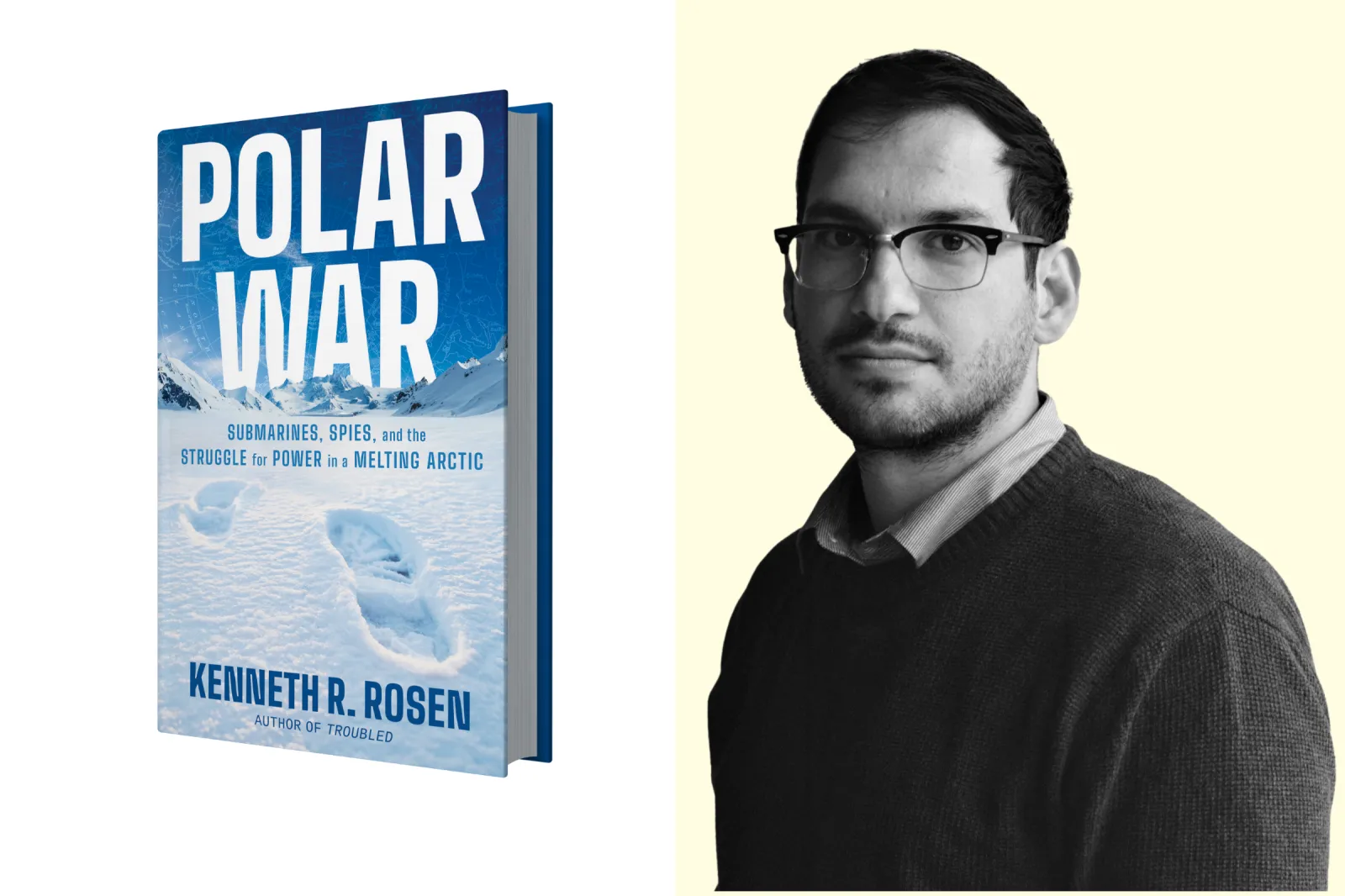
Award-winning journalist Kenneth R. Rosen spoke with Newsweek about his new book, Polar War: Submarines, Spies, and the Struggle for Power in a Melting Arctic, and about Greenland’s growing importance in global geopolitics. Since his first term, U.S. President Donald Trump repeatedly expressed interest in acquiring Greenland for economic and security reasons, even floating the possibility of using force—a threat he later walked back. The comments sparked backlash in Greenland, an autonomous territory within the Kingdom of Denmark…
...
Award-winning journalist Kenneth R. Rosen spoke with Newsweek about his new book, Polar War: Submarines, Spies, and the Struggle for Power in a Melting Arctic, and about Greenland’s growing importance in global geopolitics. Since his first term, U.S. President Donald Trump repeatedly expressed interest in acquiring Greenland for economic and security reasons, even floating the possibility of using force—a threat he later walked back. The comments sparked backlash in Greenland, an autonomous territory within the Kingdom of Denmark that has long sought greater independence. It also fueled tensions within NATO, prompting Denmark and other European allies to bolster their military presence on the island. In this conversation, Rosen discusses Greenland’s role in today’s shifting global order, what the United States can learn from its NATO allies about operating in the Arctic and the priorities of Greenlanders themselves. *This interview has been lightly edited and condensed for publication. *
...
**Newsweek: What do Trump’s renewed remarks about requiring Greenland signal about U.S. intentions in the Arctic today? **
**Kenneth R. Rosen: **It seems to me that the current administration in Washington believes thatclimate change is real and that it’s impacting the circumpolar north. And that has opened up a plethora of opportunities for both commercial access and defense expansion in the region. It seems as though Trump is making good on something he had raised during his first administration, which was both to get Greenland, but also a general militarization of the North. For the U.S., that’s primarily Alaska, but it’s also Greenland because of a base that we have in the North of the country. So, it’s sort of petering out from his first administration, and he’s doubling down on something that he’s long sought.
**We already operate [a] base on Greenland. What’s different about his insistence on "owning” it? **
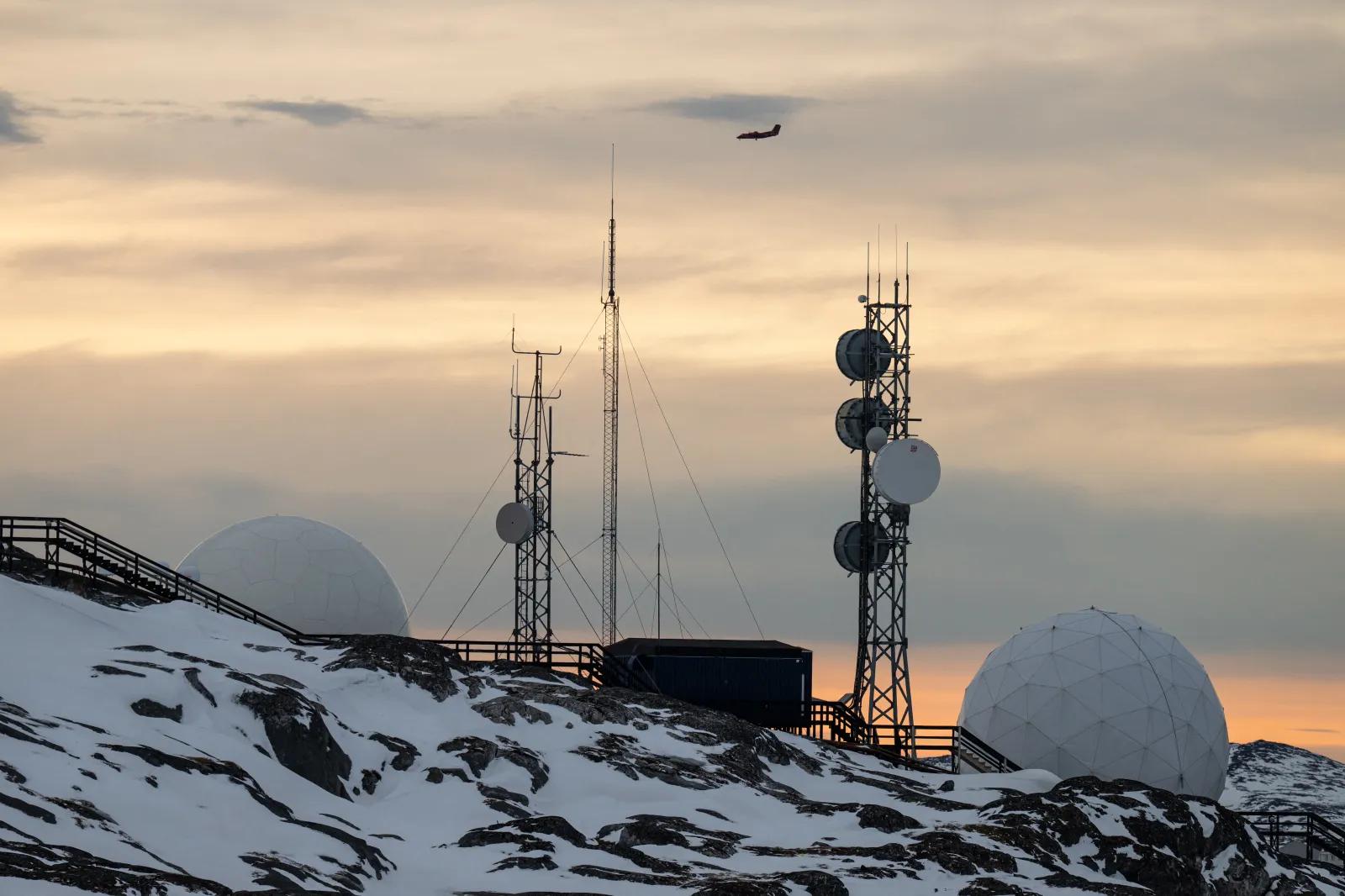
We have one base only, and we did have many more back in World War II, and sometimes during the Cold War, we operated several thousand troops out of the region, specifically in Greenland, but also elsewhere across the circumpolar North, including Canada and Alaska. What it seems that he wants is full access, but we already have [that] by virtue of our agreements with the Kingdom ofDenmark, which is the overseer of Greenland’s foreign policy and defense—pretty much carte blanche access to the Arctic island. We can get leases for drilling and mining. We could also expand our presence at Pituffik Space Base, which is the base in the north of the country. Why we haven’t done that in the past is not quite clear to me. It seems that we have an opportunity to do so, but we’ve put our military components and assets elsewhere, specifically in the Pacific and, of course, the Middle East and North Africa. But now is an opportunity to be able to work with our partners to increase our presence there.
...
**What can we learn from our partners? **
The book specifically focuses on how the U.S. has not been able to operate and work in the Arctic as well as some of its NATO partners can, and primarily the argument within the book is that in order for the U.S. to succeed in the Arctic and Arctic territories writ large is to lean on its partners who already have the competency and equipment and wherewithal to be able to operate in the frigid temperatures in the darkness of the North.
We can learn basic things about how to operate. We can learn about how to sustain operations in the Arctic. There’s a parable in the book about how U.S. Special Forces had gone to northern Sweden and thought that it was okay to go skiing with their shirts off even though it was 20 degrees Fahrenheit, so negative something Celsius, only to come back sunburned because they didn’t realize the reflective properties of the snow and the ice would lead them to being sunburned. So small things like that, this arrogance about the U.S. military being able to operate anywhere in the world is just not quite plainly true.
There’s also another instance in the book where I mention a group of special operators go out to St. Lawrence Island off the coast of Alaska and are met by a typhoon that sends them scurrying into a local resident’s home in order for protection because their tents got ripped away like tissue paper. So there’s just some fundamental ways of operating in the North that escapes American troops, it seems. And we only really have the 11th Airborne Division, which is based in Alaska and is our primary Arctic force.
**We’re also raising the ire of our NATO allies. What do you think is the biggest mistake the U.S. could make with our NATO allies on the issue, and why would we risk that tension? **
I think we’ve already made the biggest mistake, which is to threaten them, to threaten an accord that we’ve had for more than 70 years, to threaten partnerships that have oftentimes protected American interests abroad and domestically, has already undermined the NATO alliance and the cooperation that we have with so many of those partners who operate in the far north. And I’m thinking of the Scandinavian countries and the Nordic countries who live there year-round. The bellicose rhetoric that’s coming out of the White House is only serving to undermine our own national security, even though it purports to be in the best interests of our national security.
**What do you think we can do to fix that relationship? **
Stop tempting Denmark and stop berating our partners, both in Canada and in Greenland and in Denmark, the way that the current administration has, and to continue to work on defense contracts and bills that would support their ambitions in the North. If their defenses need assistance, then the U.S. can provide the assistance necessary to increase those defenses.

...
**How real do you think the competition for Greenland is between Russia and China? And how important is it strategically to us? **
There is no competition between Russia and China and Greenland. That has been summarily shot down over the years, including when China tried to help construct the Nuuk airport and to build it out to allow for international flights beyond Copenhagen. Russia is not anywhere near Greenland, though there was a TV show popular in Denmark that showed an idea of what that would look like having two Russian paratroopers land in the icy north and ruin the sovereignty that was already be held by Denmark, but other than that, fictional, there isn’t any issue. The primary concern with Russia and China is off the coast of Alaska and on the northern sea route, which runs the length of the Russian border with the Arctic Ocean.
**So how would you characterize our interest in Greenland? **
It’s not really clear what the interest is, especially given the fact that we already have all the access we need and all the agreements in place to expand that access where we want that. It seems, though, with the new national security report that the current administration’s focus is on a more hemispheric approach, meaning that it wants to focus on North America and America writ large as a bastion of defense, if you will, of the nation and our national security, rather than being messed up in conflicts in the Middle East or in the Pacific Ocean and elsewhere. So, it’s sort of a consolidation effort, but, again, it isn’t really quite to our interests or to our national security to be able to poke the bear and diminish a relationship that has only again served to be beneficial to our national security.
**The people of Greenland are often sidelined in a lot of these geopolitical debates. Your reporting talks about them a lot. What do you want the world to understand most about their priorities. **
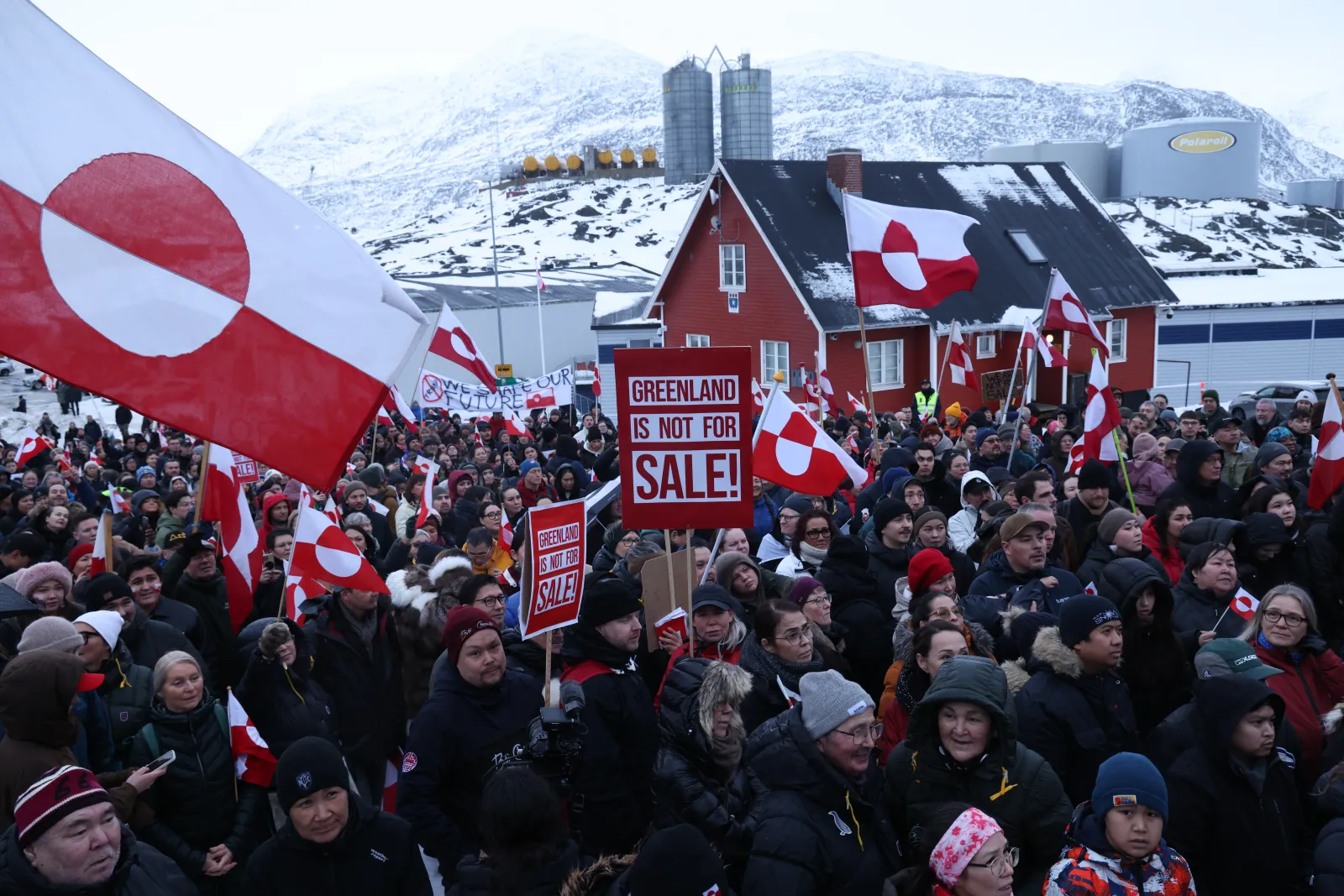
Greenlanders, who are primarily Inuits, have sought independence from the Kingdom of Denmark for decades. In 2008, they were issued a home rule, which allowed them more and more oversight over domestic affairs, with the exception of national defense and foreign affairs, which are still handled by the Kingdom of Denmark. The population of the Arctic Islands are around 57,000. There’s only 100 miles of roads, and the rest is covered in ice year-round. They, for a long time, tried to make their economy resilient and dependent on mining and fishing operations, but that just hasn’t happened in part because it’s so difficult to extract minerals and rare earths from Greenland. So they’ve shifted more toward wanting to negotiate and deal in other economies to grow their GDP rather than be an isolated island that is primarily benefited from agreements held by Denmark.
They’ve wanted to seek independence and self-determination since at least 2008 and this conversation coming out of D.C. now about the U.S. desire to capture and get Greenland only sets them back, and that’s probably the worst takeaway from the book is this notion that we’ve sidelined the Greenlandic people even further and set them back in their ambitions to be independent people in a democratic society, much like our own.
**Is there a person or a moment from your reporting that captures what the sovereignty means to Greenlanders today? To you? **
There’s a lot of back and forth in the country, a lot of the studies that have come out, the polls that come out to show what Greenlanders desire for their future, show that they like everything the way it is, but they also want independence. And since they’re relying on a huge block grant from the Kingdom of Denmark, it’s kind of a Catch-22. They need Denmark, but they also don’t want Denmark. There’s a couple chapters in the book that focus primarily on Greenland. And I think it shows really keenly how conflicted some of those Greenlanders are and their allegiances are split between Denmark and Greenland. And frankly, they just want to have a peaceful existence and go about shoring up their GDP and their economy in a good and beneficial way that would set them up on a road to independence.
You said how difficult it is to extract rare minerals from Greenland. Is that something that we would have a better advantage to do**,**** or it’s not really practical for anybody? **
It’s a product of both the lack of infrastructure—as I noted, there’s only 100 miles of road, and you need a lot more infrastructure in order to extract some of those minerals that exist there. Half a dozen to a dozen that would be of interest to the U.S. defense industry, but with the short summer months when it’s light, 24 hours a day, and the long winter months when it’s dark, 24 hours a day, to say nothing of the island still being icebound throughout much of winter, it’s a very short working period. So even if there were capabilities that the U.S. has, and I’m not saying they do, it would be on a much longer time frame to make those mines and those operations profitable than it would, say, in Alaska where there’s other infrastructure and people living throughout the state. You know, Greenland is so heavily covered in snow and ice, that the timeline for extracting minerals in a profitable manner would be counted in half centuries rather than decades, where you would find that in the other parts of the Arctic.
...
**What’s the most surprising thing you learned when researching this book? **
That nobody considered a war in the Arctic to be possible until the last two years. And now, given the statements coming out of the White House, it seems that it’s coming to fruition much quicker than people had anticipated.
**What do policy makers and journalists still consistently get wrong about Greenland in the Arctic? **
I can’t really speak to what other journalists are getting right or wrong, [or] the thinking of some of the policy advisors in the White House. But I can say that the renewed attention to the Arctic is beneficial. That they need for more focus on a region that is melting four to five times faster than the rest of the world and warming four to four times faster than the world is important. Whether or not we’re doing it as a country in the right and beneficial ways is yet to be determined.
**Looking ahead, how do you think the tension around Greenland plays out over the next few years, and what’s the most important lesson that readers should take from this? **
I think we should do everything that we can to support the Greenlanders’ efforts to become independent from Denmark while also respecting the sovereignty that Denmark does claim over the Arctic island. I think that while the news now around Greenland has largely settled, I don’t think it’ll be the last time we hear about the North in the coming year and certainly not in the next five years. You know, scientists are saying that by 2030 there will be no ice anymore in the Arctic Ocean during the summers, and that we should keep an eye on whether or not the Russian and Chinese forces are able to open up that Northwest Passage and bring more ships to our shores.
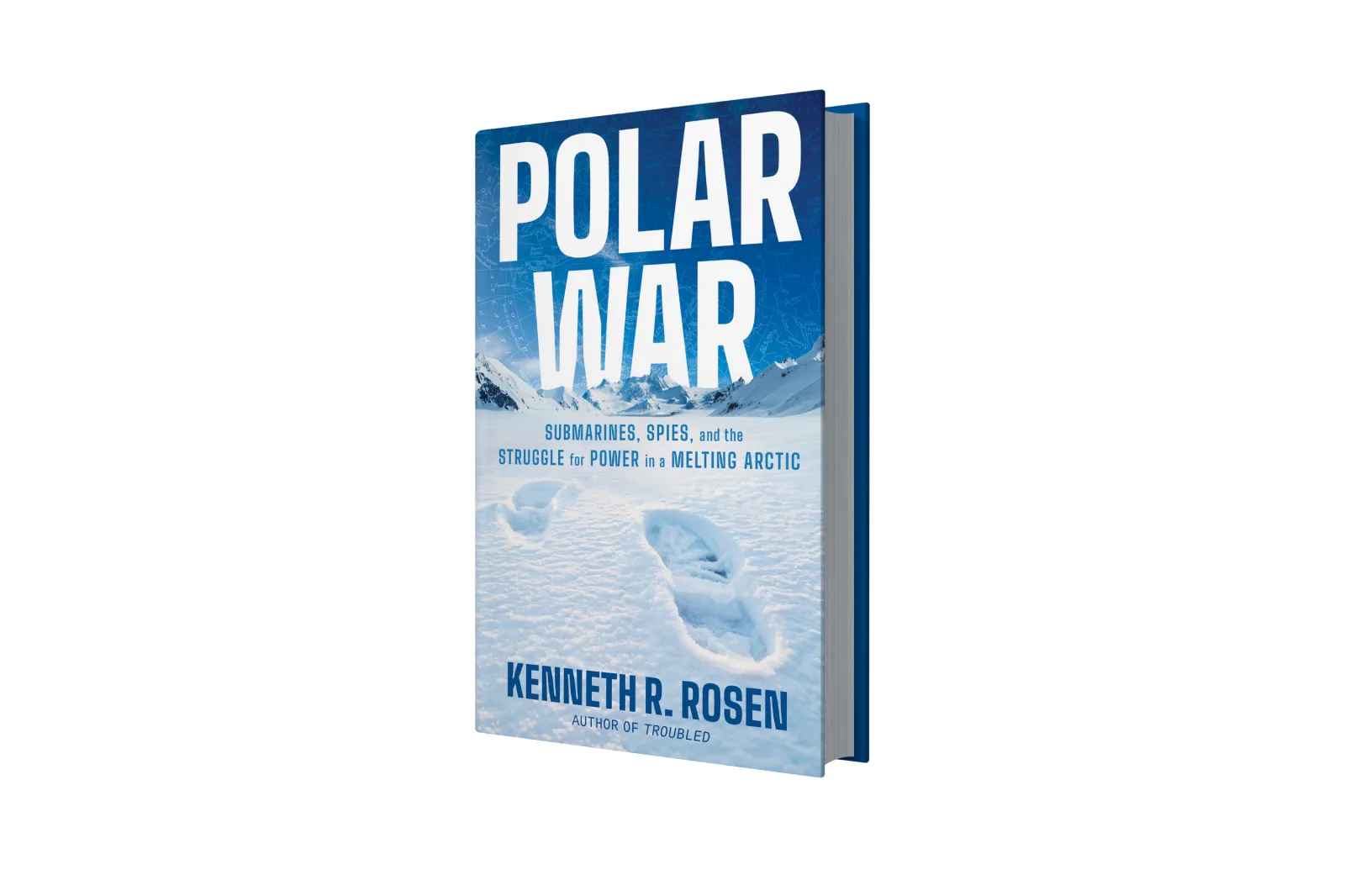
Courtesy of Simon & Schuster
**Just to follow up on that, so the ice melts, that’s the danger, is that then it makes it easier for Russia and China to get to us and makes our mainland more indefensible, or what’s the concern? **
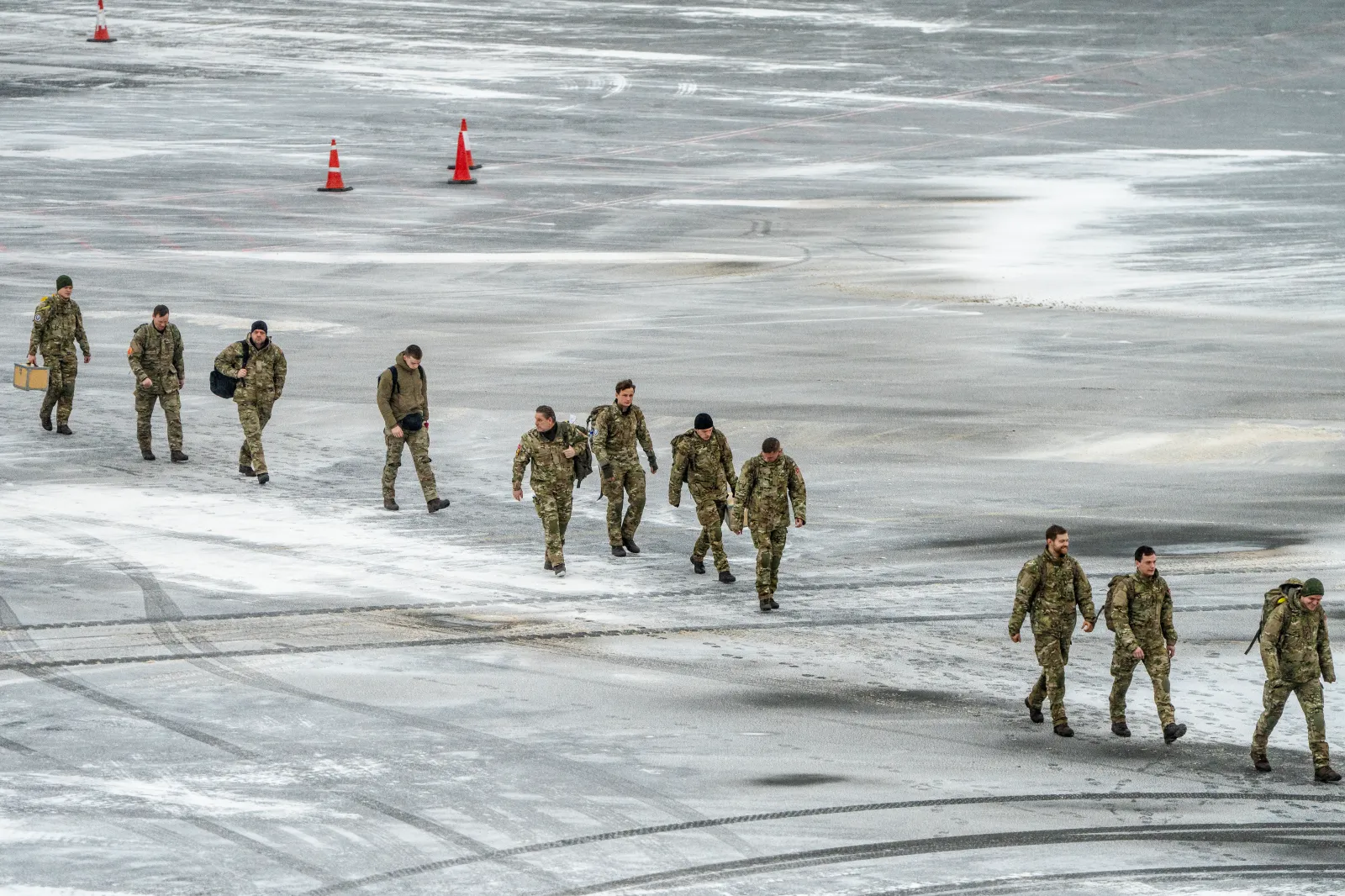
The danger more broadly is that more and more nations are going to be operating in the Arctic, given that there is a lack of sea ice. And if we’re unable to position ourselves with a force projection that is equivalent or better than Russia and China, we will not be the Arctic nation that we believe ourselves to be today.
**And is this an issue of our capability as well as location and assets? **
Not only our capability, but our assets—the lack the necessary icebreakers and also the sheer service member power to be able to operate up there. The U.S. Coast Guard has historically low recruitment. We simply just don’t have the coastline to compete with Canada or Russia when it comes to the far north. So we don’t have as big of a stake in the conversation as maybe we would like to, but we can leverage the Arctic Council and that governing body that oversees the circumpolar north to hopefully return it to a zone of cooperation and peace and less one of war.
Click here to read an excerpt from POLAR WAR: Submarines, Spies, and the Struggle for Power in a Melting Arctic by Kenneth R. Rosen.