Vote campaign posters on Phahon Yothin Road in Phaya Thai district, Bangkok. Nutthawat Wichieanbut
With just two weeks remaining before the general election on Feb 8, political parties are intensifying their campaigns, sharpening policy messages and deploying high-profile figures to win over undecided voters.
At this stage, the contest is no longer about long-term positioning but about momentum, perception, and strategic voting.
Analysts agree that how parties showcase economic issues, nationalism, and leadership credibility in these final days could determine not only who finishes first, but also coalition arithmetic after the vote.
Final push
The Bhumjaithai Party (BJT) has continued to rely on its traditional strengths: entrenched local political networks, influential "big h…
Vote campaign posters on Phahon Yothin Road in Phaya Thai district, Bangkok. Nutthawat Wichieanbut
With just two weeks remaining before the general election on Feb 8, political parties are intensifying their campaigns, sharpening policy messages and deploying high-profile figures to win over undecided voters.
At this stage, the contest is no longer about long-term positioning but about momentum, perception, and strategic voting.
Analysts agree that how parties showcase economic issues, nationalism, and leadership credibility in these final days could determine not only who finishes first, but also coalition arithmetic after the vote.
Final push
The Bhumjaithai Party (BJT) has continued to rely on its traditional strengths: entrenched local political networks, influential "big house" families, and the promotion of technocratic figures presented as professional managers, including Commerce Minister Suphajee Suthumpun, Finance Minister Ekniti Nitithanprapas, and Foreign Affairs Minister Sihasak Phuangketkeow.
The party has leaned into nationalist narratives, particularly amid lingering tensions along the Thai–Cambodian border.
The People’s Party (PP), meanwhile, has sought to reignite enthusiasm by bringing back Pita Limjaroenrat, former leader of the dissolved Move Forward Party, to help campaign.
His return has visibly energised the party’s base, complementing its continued focus on anti-corruption messaging and slogans such as "No Orange, No Clean Politics" and "Vote Orange to Topple Political Dynasties."
The Pheu Thai Party has accelerated its economic messaging, unveiling policies to address cost-of-living pressures. However, its headline proposal to create "nine new millionaires per day" has sparked intense criticism and forced party leaders into repeated clarifications, raising questions about message coherence.
The Democrat Party, for its part, has attempted to reclaim relevance by positioning itself as a guardian of good governance – promising crackdowns on corruption and "grey capital" – while concentrating resources heavily in its southern strongholds.
Economy is decisive
Political scientist Stithorn Thananithichot of Chulalongkorn University argues that in the final lap to the polls, campaigns must focus squarely on bread-and-butter economic issues.
"For BJT, we haven’t yet seen a dramatic, big-picture campaign push," he said. "What we see instead is targeted campaigning in winnable constituencies, with the prime minister and senior figures appearing in districts the party believes it must secure."
According to Mr Stithorn, BJT’s current strategy is more about reinforcing existing support than expanding it. Nationalist messaging on Thai–Cambodian relations has largely peaked, leaving little room for further gains. Legal action against rival candidates may weaken opponents, but it also risks backlash if perceived as state interference.
"If BJT wants to gain additional votes," he noted, "it must seriously compete on economic livelihood policies – traditionally Pheu Thai’s turf – but so far, we haven’t seen a strong policy package in that area."
PP regains momentum
Mr Stithorn observed that the PP has clearly benefited from Mr Pita’s return. "It has brought morale back and revived memories of the 2023 election, when many voters felt the party was unfairly blocked. This could trigger another ‘vote for hope’ effect."
Combined with ongoing scrutiny of government institutions such as the Social Security Office, the party has managed to keep its core narrative alive.
Mr Stithorn believes this resurgence could allow the PP to claw back seats from both Pheu Thai and BJT in competitive constituencies.
"At this point," he said, "PP has climbed back to roughly the same level as in 2023 – around 151 seats – which puts it neck and neck with BJT."
Pheu Thai’s mixed signals
Pheu Thai’s final-stage campaign, however, has drawn the most criticism. Mr Stithorn described its messaging as disjointed, particularly the "nine millionaires a day" policy.
"To put it simply," he said, "it’s like asking a scientist to run a lottery. It doesn’t fit the image of its prime ministerial candidate, Yodchanan Wongsawat, who has been gaining traction among the urban middle class."
While the policy may appeal to rural voters and traditional supporters, analysts warn it risks alienating middle-class and city voters who had begun reconsidering Pheu Thai as a stable alternative to both the PP and BJT.
"They need to fix this fast," Mr Stithorn said, "or the gains from Yodchanan’s image will be wasted."
Broader strategic battles
Another academic, Olarn Thinbangtieo, a political science and law lecturer at Burapha University, views the final phase as a fight not only for first place among the three major parties – PP, BJT, and Pheu Thai – but also for fourth place, which could prove pivotal in coalition negotiations.
He argues that PP’s ultimate goal is to win enough seats to form a single-party government, driven by lingering ambiguity over whether it would cooperate with parties linked to "grey" or "black" money. Bringing Mr Pita back, he said, helps but is unlikely to deliver a landslide win for the party.
"Mr Pita’s momentum was already curtailed by past controversies," Mr Olarn said. "His return adds something, but not enough to spark a dramatic landslide."
On Pheu Thai, Mr Olarn believes the party has benefited from being underestimated. Sensitive issues such as casino complexes and past scandals have been muted during the campaign, allowing it to quietly build support. Yet its latest populist push appears designed to reclaim wavering loyalists tempted by BJT.
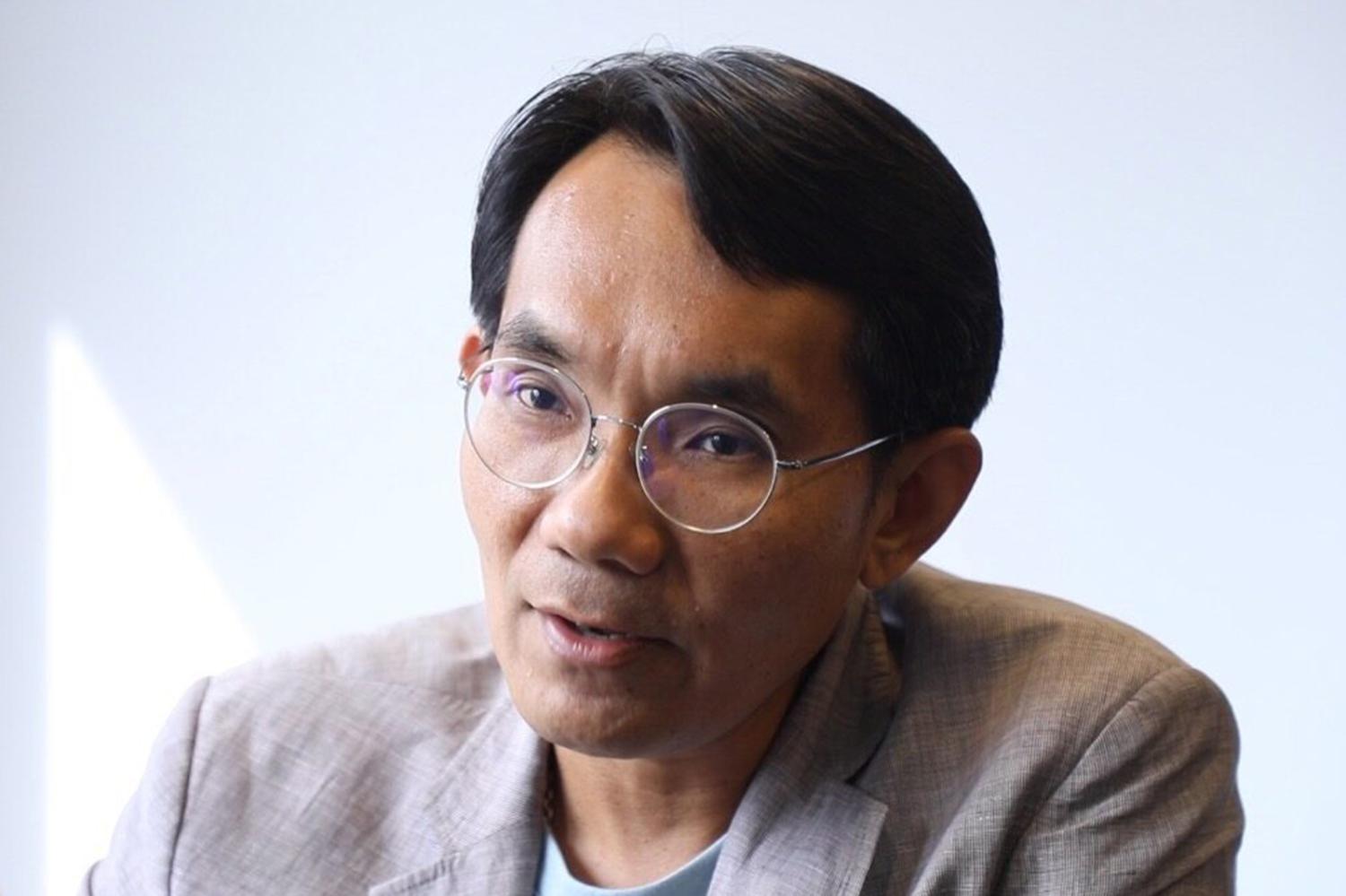
Olarn: 4th place may be critical

Stithorn: Economic issues key