•
•
December 10 2025
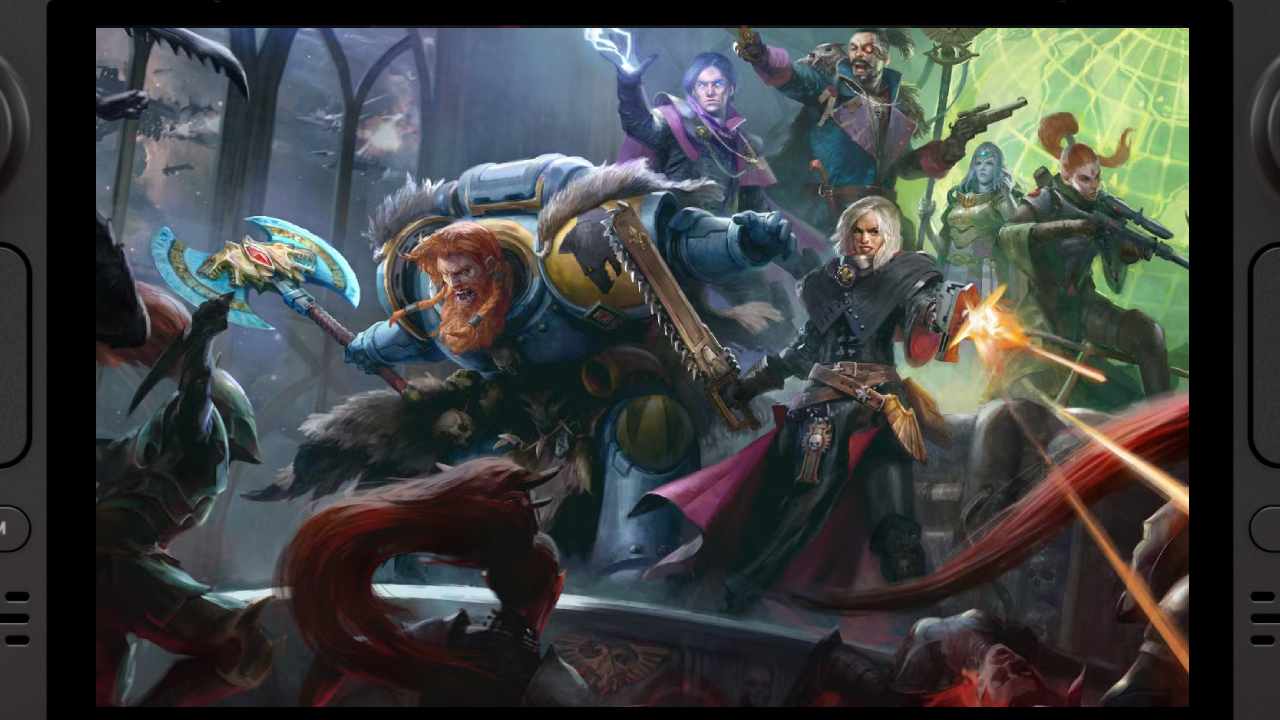
Owlcat Games’ Warhammer 40,000: Rogue Trader is making its Nintendo Switch 2 debut tomorrow. While little has been said about the upcoming port since its reveal, the upcoming handheld release of the killer 40K CRPG is only possible due to the game’s success on Valve’s Steam Deck.
In an interview with FRVR, Owlcat Games brand manager Anton Emelyanov revealed that the optimisations made for Valve’s handheld “provided a strong foundation for the new port” as they already made substantial memory optimisations for the device.
While there are unique optimisations made …
•
•
December 10 2025
Owlcat Games’ Warhammer 40,000: Rogue Trader is making its Nintendo Switch 2 debut tomorrow. While little has been said about the upcoming port since its reveal, the upcoming handheld release of the killer 40K CRPG is only possible due to the game’s success on Valve’s Steam Deck.
In an interview with FRVR, Owlcat Games brand manager Anton Emelyanov revealed that the optimisations made for Valve’s handheld “provided a strong foundation for the new port” as they already made substantial memory optimisations for the device.
While there are unique optimisations made for Nintendo’s specific hardware—as well as additional development to make use of “both touch functions and mouse controls” on the device—the two versions share a lot in common, and it’s the popularity of Rogue Trader on Valve’s machine that has led to this new release.
“Handhelds make it easier to commit to large story-driven text-heavy experiences.”
Owlcat Games brand manager Anton Emelyanov
Emelyanov explained that “desktop remains the primary platform” for its major releases, but “handheld audience share is growing steadily”. With TV-based consoles in third-place, handheld gaming like Steam Deck and Switch 2 is becoming the second most-popular way to play games like Warhammer 40,000: Rogue Trader and other CRPGs.
“CRPGs usually involve long sessions, reading, and turn-based gameplay, which depending on personal preferences works well in a portable format where players can pause at any moment,” the Owlcat developer said. “Handhelds make it easier to commit to large story-driven text-heavy experiences.”
While there have been some discussions around the power of the Steam Deck as well as the Nintendo Switch 2 in the face of more advanced hardware, Emelyanov argued that these machines are “good hardware for the genre”. With specific optimisations, Rogue Trader has become extremely playable on Valve’s machine (I personally played through the game entirely on Deck and it was a great time), and improvements made here will benefit the team’s new game: Dark Heresy.
“From a technical standpoint, the Deck is capable enough for a full-scale CRPG if the game is optimized properly, especially in terms of memory usage and loading times,” they said. “We see it as good hardware for the genre. More power would always give more flexibility, but the current model already performs reliably for the type of game we make.”
The Nintendo Switch 2 port of Rogue Trader comes after the success of the game on Steam Deck with many of its specific optimisations coming from the work fone for Valve’s handheld.
Of course, there is an issue with bringing some games to a portable device, and this is definitely true of Warhammer 40,000: Rogue Trader. Owlcat Games actually redesigned its UI specifically for the small screen of Valve’s handheld—which, in turn, is the foundation of the Switch 2 version’s UI—and this does remain a challenge for information-heavy games.
“The main challenge was ensuring that the CRPG interface remains readable and functional on a handheld screen without overwhelming the player,” Emelyanov said.
Nevertheless, the evidence is there: portable gamers love CRPGs. While the desktop PC audience reigns, the portable market is becoming a hot spot for the genre with developers like Owlcat and Larian going the extra mile to support Valve’s Steam Deck and other platforms.
About The Author
Lewis White
Lewis White is a veteran games journalist with over a decade of experience across digital and print. Formerly the Editor in Chief of Gfinity and VideoGamer, Lewis has a history of delivering original content and breakthrough interviews with iconic developers.
Favourite FRVR game: Pinball