A MUST TRY for Wagyu lovers!
If you are a Wagyu lover, you absolutely have to check out the new Yakiniku section at Shima Restaurant!
I adore Wagyu — it is probably my favourite ingredient of all time. I love it grilled as a steak, sliced thin for yakiniku, simmered in sukiyaki, deep-fried and tucked into a sandwich, and even chopped and eaten raw (though I still prefer it cooked).
Now at Shima, you can experience all of this in one set menu.
Shima, housed in Goodwood Park Hotel, is a long-standing institution in Singapore’s dining scene. Opened in 1980, it is widely regarded as the first teppanyaki restaurant in Singapore. They have now collaborated with **Yakiniku Ichiyuku…
A MUST TRY for Wagyu lovers!
If you are a Wagyu lover, you absolutely have to check out the new Yakiniku section at Shima Restaurant!
I adore Wagyu — it is probably my favourite ingredient of all time. I love it grilled as a steak, sliced thin for yakiniku, simmered in sukiyaki, deep-fried and tucked into a sandwich, and even chopped and eaten raw (though I still prefer it cooked).
Now at Shima, you can experience all of this in one set menu.
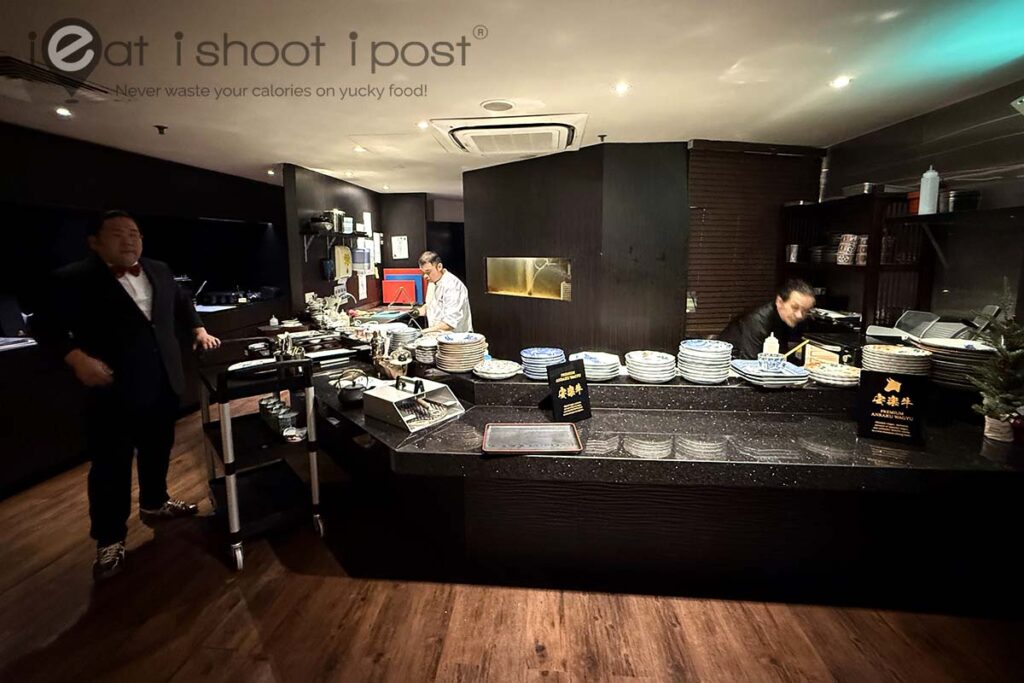
Shima, housed in Goodwood Park Hotel, is a long-standing institution in Singapore’s dining scene. Opened in 1980, it is widely regarded as the first teppanyaki restaurant in Singapore. They have now collaborated with Yakiniku Ichiyuku and Anraku Wagyu from Miyazaki Prefecture to introduce a brand-new yakiniku section at the restaurant.
I have had many Wagyu-focused degustation menus before, but I must admit that** this one was the most enjoyable.** The reason is simple: they do not overcomplicate things. They simply present excellent Wagyu in all the tried-and-tested forms that I love.
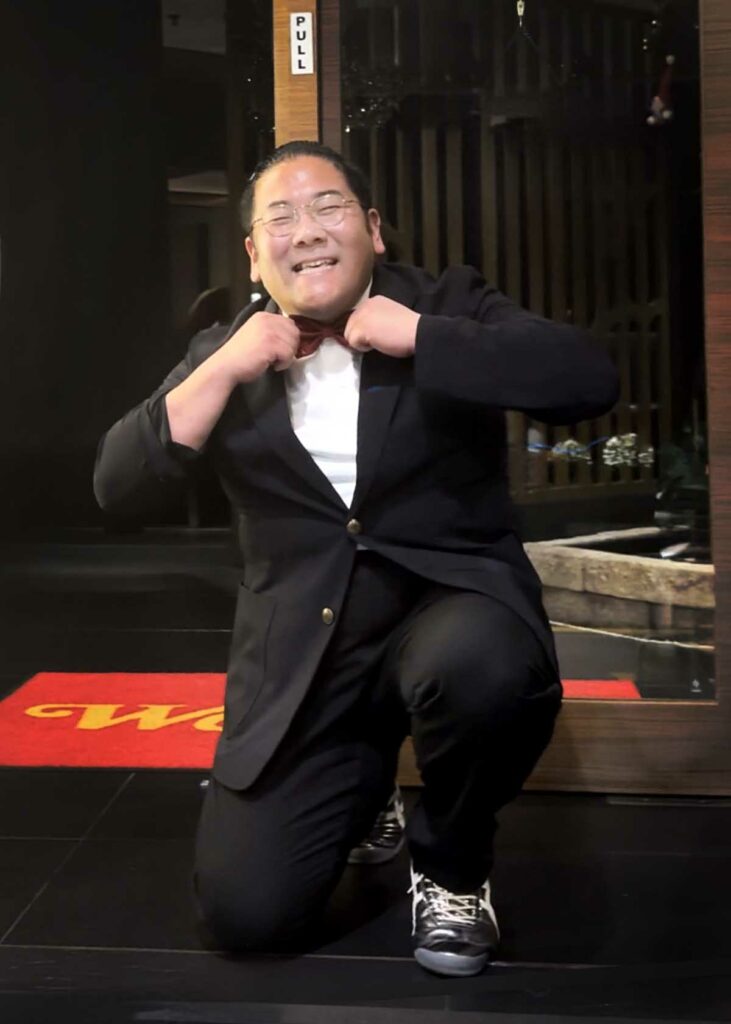
Another aspect of the Anraku Wagyu experience that made it truly memorable was the service manager, Shinji Kuwada. Aptly nicknamed “Mr Enjoy,” he was the most jovial and affable Japanese service manager I have ever met (and we have met a few, mostly in Japan).
He exudes a delightful, whimsical quirkiness that feels straight out of an anime — the kind of larger-than-life character who laughs in the most wonderfully over-the-top way and instantly sets the tone for a warm, unforgettable dining experience.
Do all Wagyu taste the same?
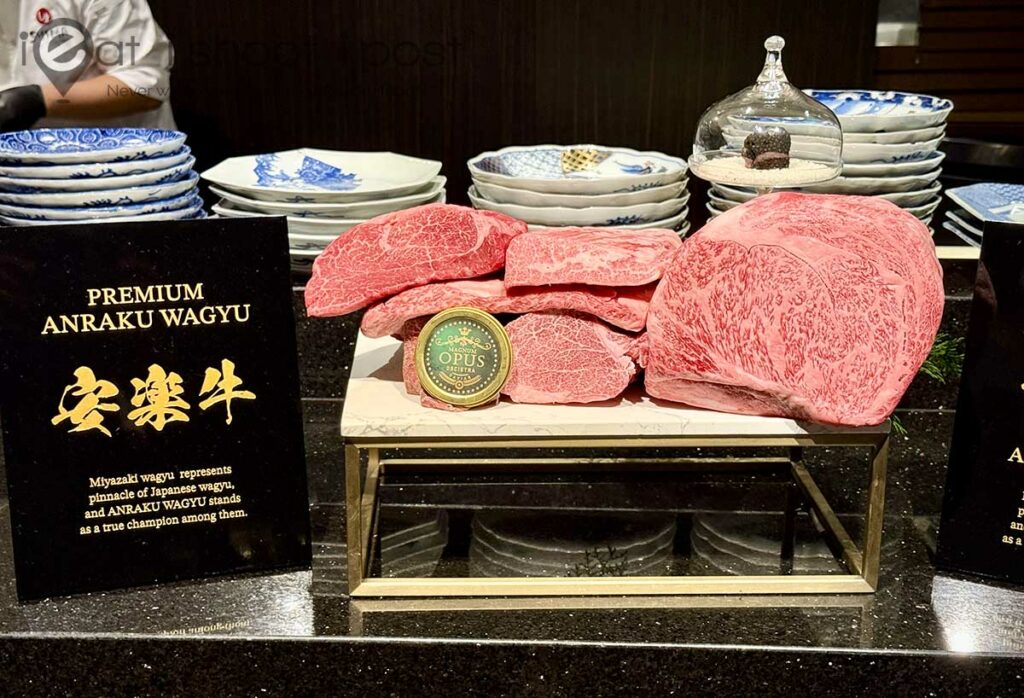
I used to think all Wagyu tasted the same. As long as it was A4 or A5, the flavour profile would be more or less identical, right? That presumption was even confirmed by a Japanese Wagyu supplier I spoke to a few years ago! So, I always considered the hype around different Wagyu brands was mostly clever marketing and heritage storytelling.
But Anraku Wagyu really made me rethink everything.
There was something noticeably different about the Wagyu this time around. The beefiness was more pronounced, the umami deeper, and even the texture and mouthfeel felt more refined. That curiosity pushed me to look more closely at Wagyu from different regions of Japan.
What role does** Miyazaki’s warmer climate **– compared to somewhere colder like Hokkaido – actually play in shaping the meat? And do all Japanese Wagyu farmers really follow the same practices? Or are there meaningful differences that affect what ultimately ends up on the plate?
Research on Wagyu and other cattle shows that higher temperatures tend to increase unsaturated fat (including oleic acid) in intramuscular fat. Oleic acid has a lower melting point (~13–16°C) than saturated fats, which contributes to that “melt-in-the-mouth” effect. Higher intramuscular fat + higher oleic acid = a better flavour carrier. Oleic acid doesn’t just melt beautifully — it holds and releases flavour extremely well.
Miyazaki Wagyu is consistently high in oleic acid. So when you chew it, the fat dissolves and spreads flavour across your palate. That enhances perceived umami. There are, of course, many other factors at play. If you’re keen on the nerdy details, just have a read of this excellent article atdestinationwagyu.com.
Anraku Wagyu – Miyazaki’s Premium Wagyu
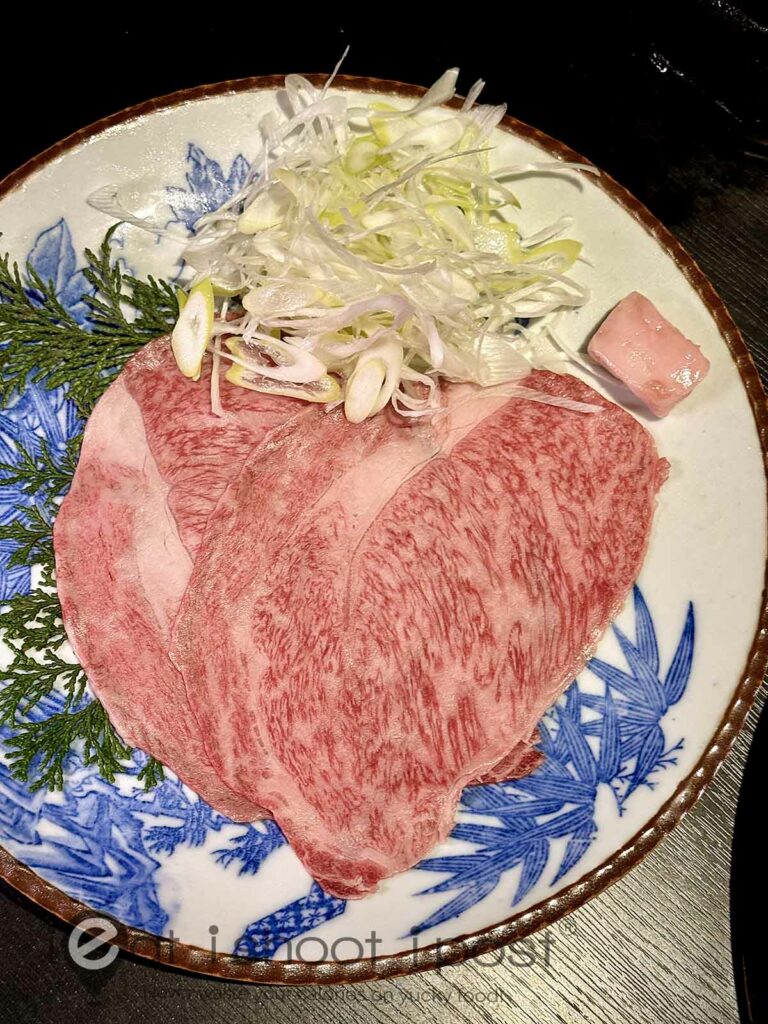
Anraku Wagyu comes from Anraku Livestock in Miyazaki Prefecture, a region famous for world-class Wagyu, having** won three of the last four Wagyu Olympics**. Within Miyazaki, Anraku Wagyu has been awarded Grand Champion four times at the “JA Miyazaki Keizairen Wagyu Carcass Competition,” as well as the Grand Champion title for three consecutive years at the “Kyushu Regional Wagyu Carcass Competition.” So we are really looking at the cream of Miyazaki Wagyu.
They keep a relatively small, tightly managed herd of around 2,000 Kuroge (Japanese Black) cattle, and more than 90% of their beef is graded A4 or A5. What really sets Anraku apart is their emphasis on low-stress, minimal-intervention farming.
While most cattle are dehorned to prevent injury and fitted with nose rings for easier handling, Anraku avoids these practices wherever possible. This is to reduce both physical and psychological stress on the animals. By keeping the cattle calmer throughout their lives, their natural muscle chemistry and fat deposition remain more stable. And this leads to better marbling, a more tender texture, and a cleaner, more intense beef flavour in the final product.
Wagyu Set Menus
There are two set menus currently available. We are showcasing the Premium Anraku Wagyu set today which is $298/pax ++. Purchase 2 sets of either and get $50 off.

Starters
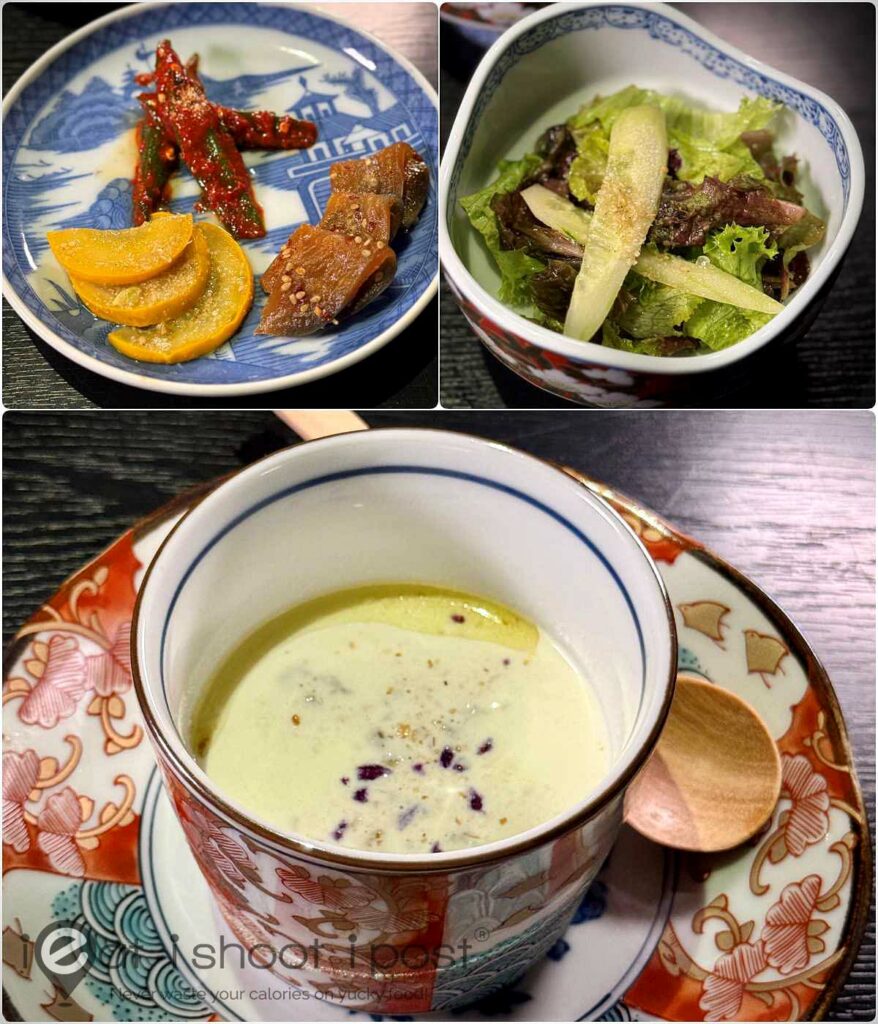
We began our meal with a cold edamame cream soup, accompanied by housemade pickles and a simple salad. Pleasant, but nothing extraordinary… yet.
Sukiyaki
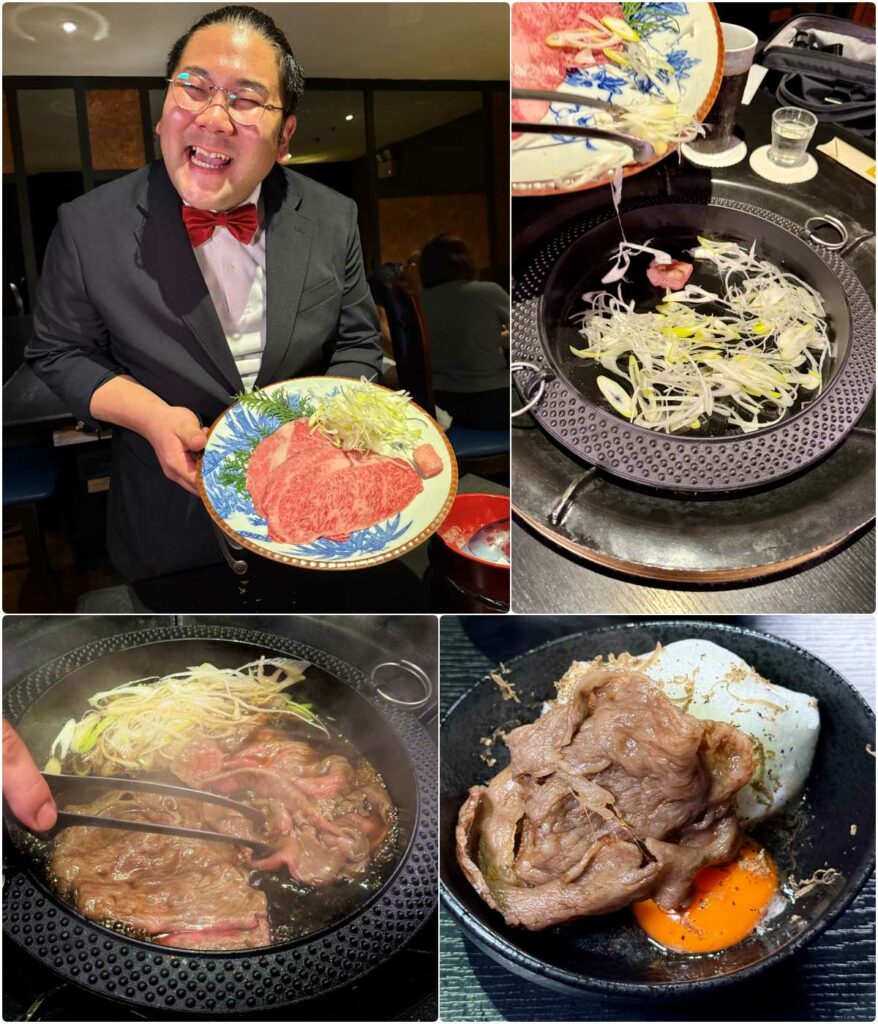
After the first three teasers, “Enjoy Man” came by to prepare our Sukiyaki course. It was done in the traditional manner, starting with the sukiyaki pan being oiled with Wagyu fat before sautéing the leeks and adding the sukiyaki sauce and meat. Fresh black truffles were then shaved over the egg, and the beef placed on top.
For an interesting twist, instead of serving just a raw egg, the whites were whipped into a meringue, adding a different texture to the meat. The sukiyaki beef was sublime, but I made the mistake of mixing all the egg white with the meat, which diluted the beef’s flavour.
My recommendation is to use only a portion of the whipped egg white so you can truly savor the rich flavor of the beef.
Wagyu Sushi
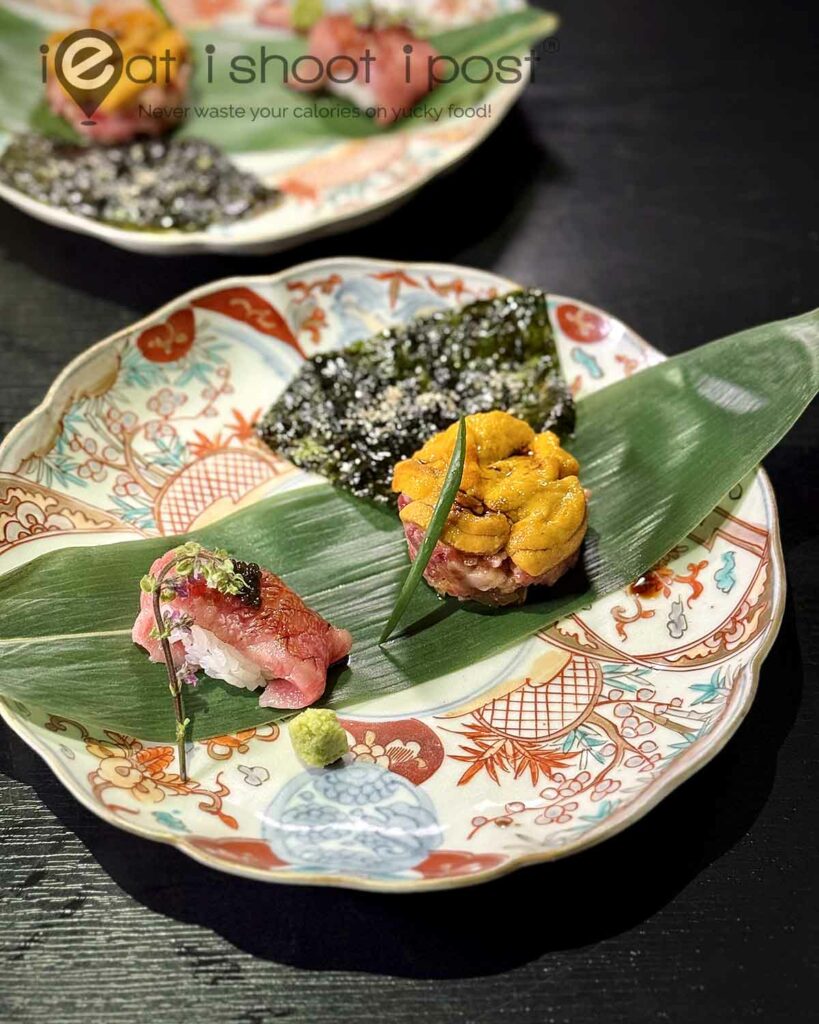
Next up, we were got to taste the Wagyu served raw. The first was a Wagyu “roll” — finely minced Wagyu tartare seasoned Korean style and topped with a generous spoonful of creamy, briny uni that added a luxurious depth to the dish.
Alongside that was another piece of sushi featuring a delicate slice of raw Wagyu laid over perfectly seasoned rice, allowing the buttery texture and rich marbling of the beef to take center stage.
Wagyu Steak
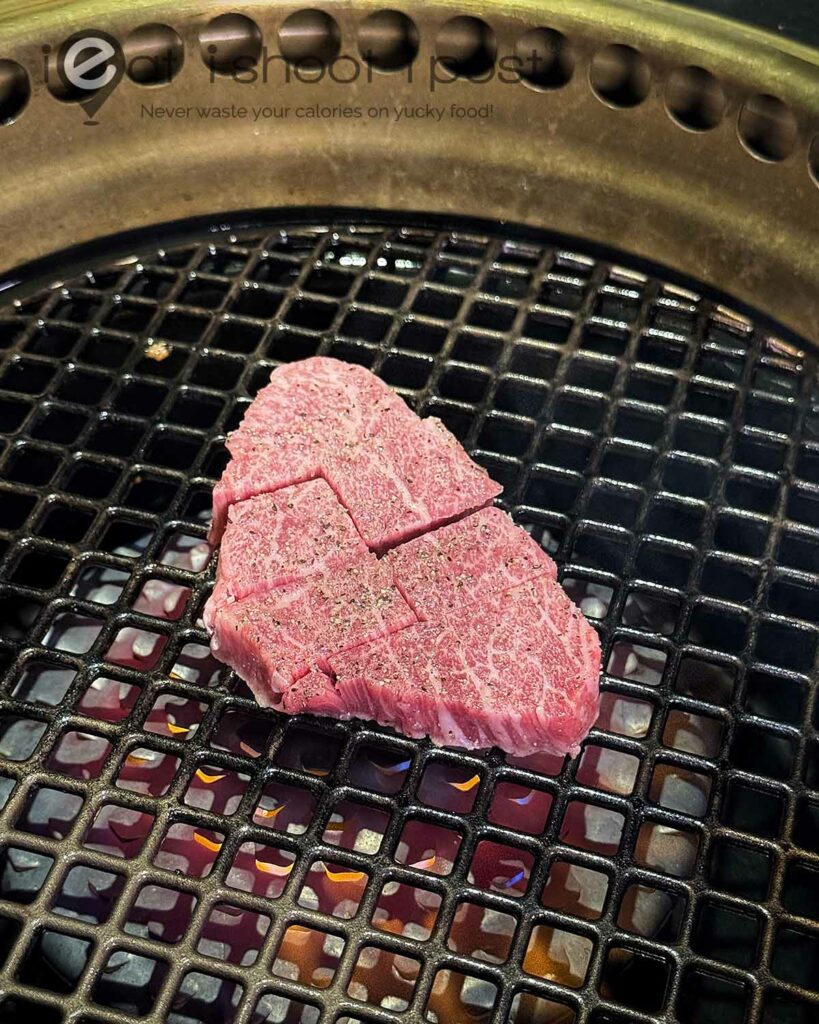
I had always avoided Hire (tenderloin) whenever possible, assuming ribeye was the more flavourful cut and that with tenderloin, you were only paying for tenderness.
But the quality of this Anraku Hire completely shifted my perspective – not just about tenderloin, but also about Miyazaki Wagyu as a whole. Seasoned simply with salt and pepper, its umami, tenderness, and mouthfeel were nothing short of extraordinary.
This was the moment I realized that not all Wagyu tastes the same. And that Miyazaki Wagyu is far more than just marketing hype!
Wagyu Sando
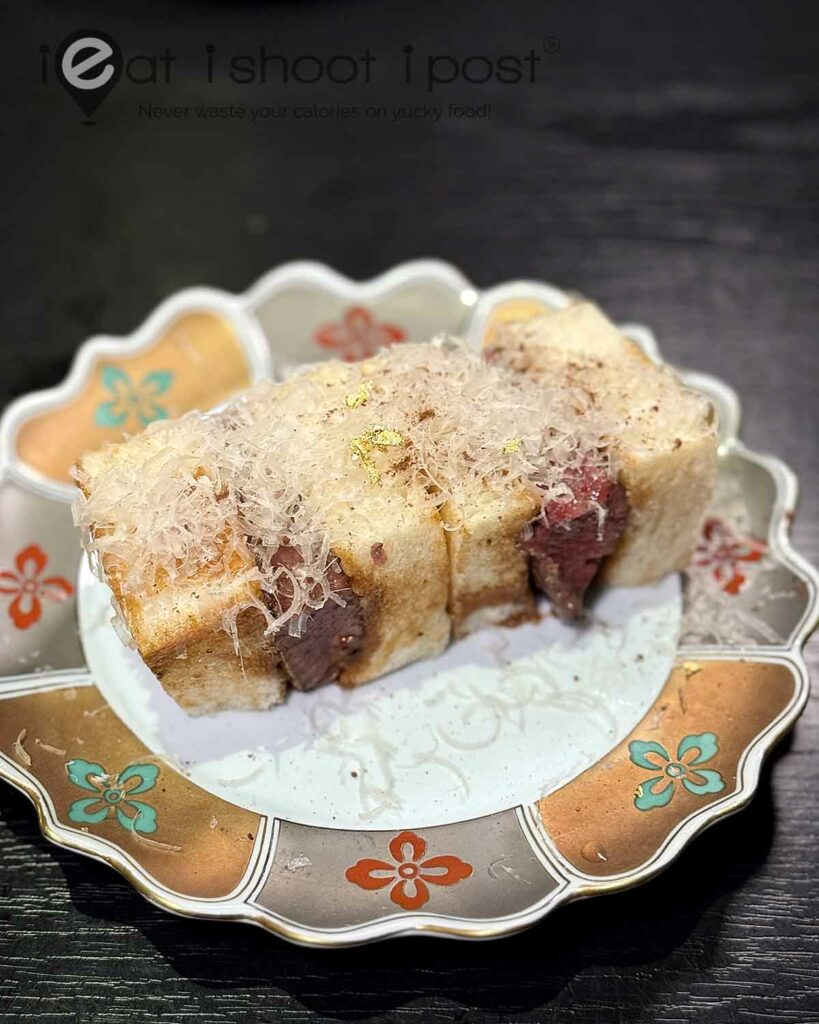
For a Wagyu sando to truly succeed, the beef must be incredibly tender to bite through effortlessly. While the Ichiyuku cutlet sandwich wasn’t as visually impressive as many I’ve seen on social media, it worked brilliantly because the beef was unbelievably tender.
Instead of being breaded and deep-fried, the beef was simply seared and served on toasted shokupan. It is easily the best Wagyu sando I’ve ever tasted.
Chilled Tomato with Jelly
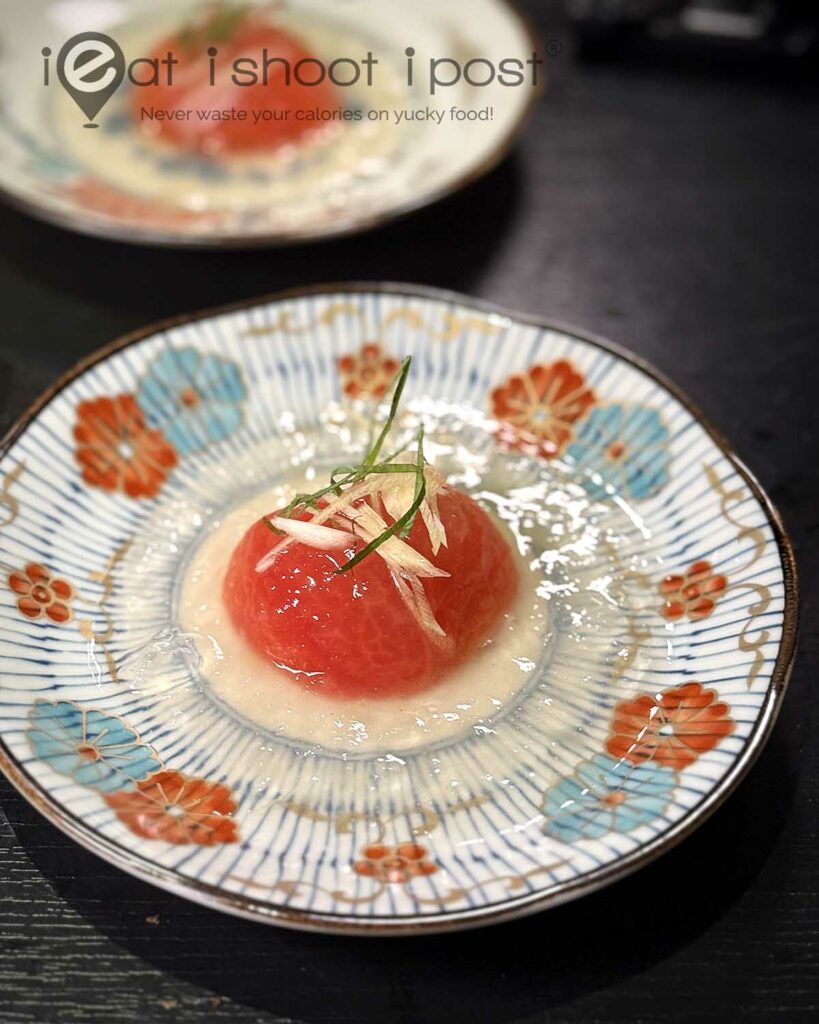
Just before the main event, we were given a delightful palate cleanser of chilled tomato with a tasty jelly made from chicken stock.
Wagyu Yakiniku
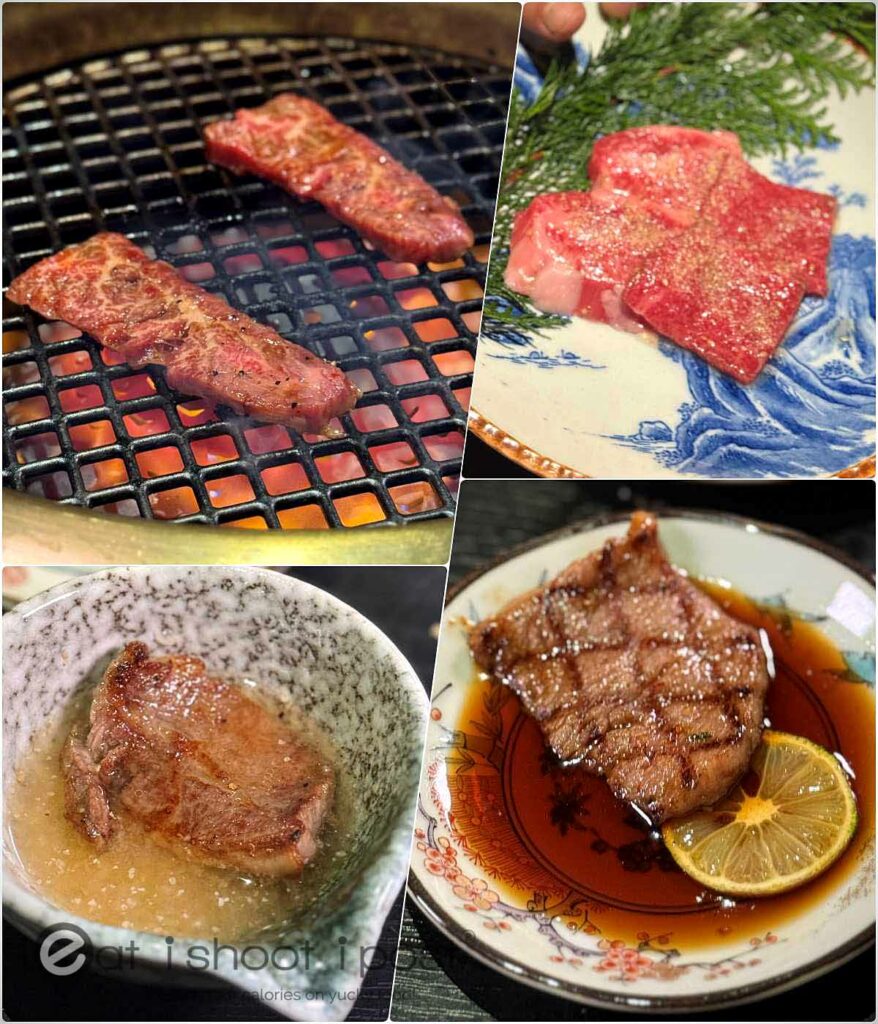
After all the delicious preamble, we finally arrived at the main event: **five cuts of Anraku Wagyu, grilled to perfection by “Enjoy Man” with much finesse, **and served with two carefully crafted sauces which accentuating both the flavour and the luxurious mouthfeel of the meat. It was one of my most memorable Wagyu moments.
Somen
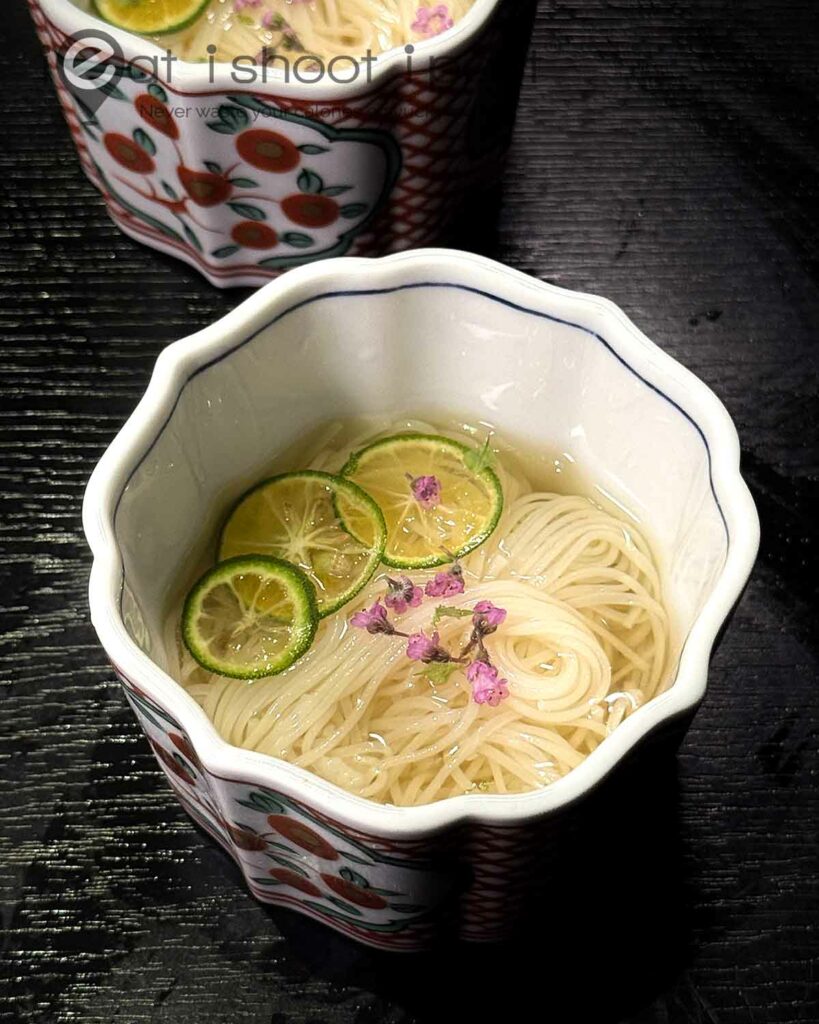
We rounded off the wagyu with a small portion of cold somen in a refreshing, chilled dashi with fresh lime. Perfect for cutting through all that richness from the beef.
Dessert
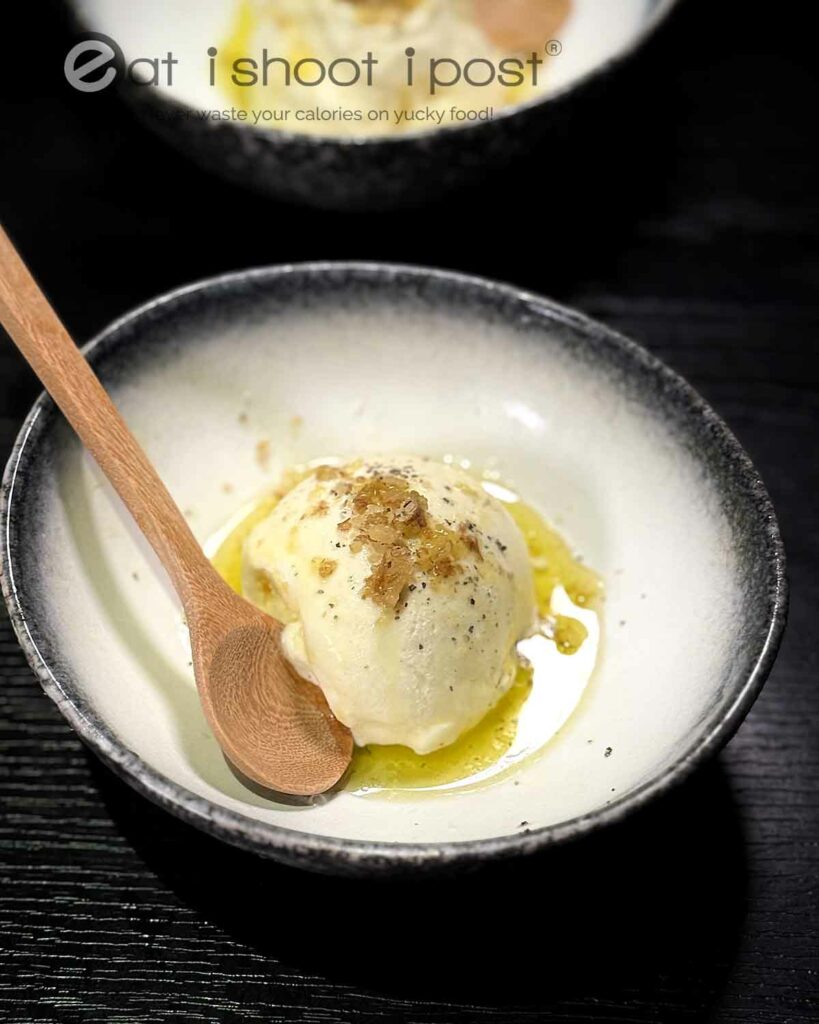
Dessert was an intriguing combination of vanilla ice cream, black pepper and extra virgin olive oil — a pairing that sounded far-fetched at first, but proved to be a surprisingly perfect match.
Watch short reel of our experience
Conclusion
If you love Japanese wagyu, this one’s a must-try. Not only do you get a taste of Miyazaki’s finest Wagyu, you get to enjoy it in all its most popular forms. And if, like me, you’ve always thought that all wagyu is basically the same, this experience might just change your mind — it certainly did mine.
Disclosure: this was a media tasting.