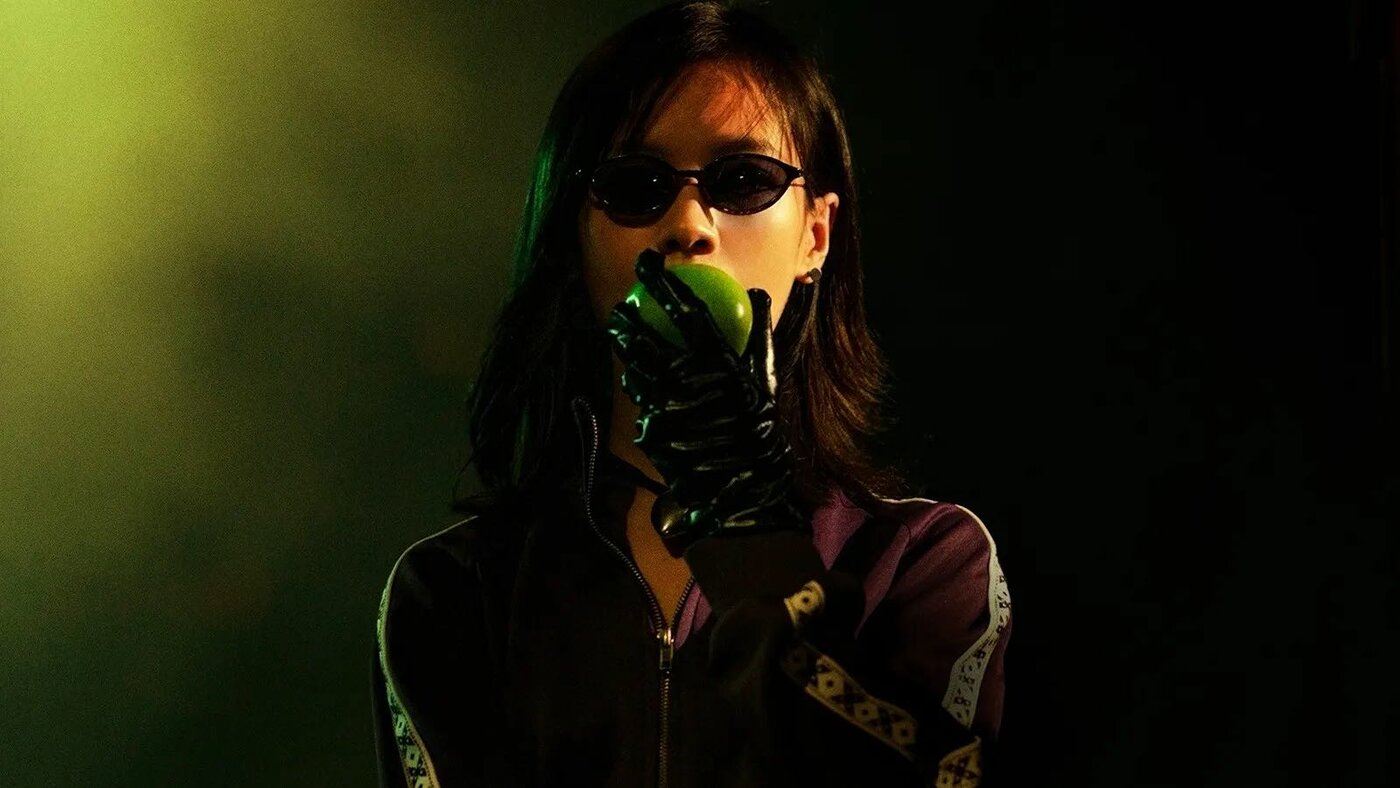
*Resurrection *(Bi Gan, 2025).
It’s difficult to feel pessimistic about the fate of cinema while watching a film like *Resurrection *(2025). Bi Gan’s third feature—his biggest and most ambitious production to date—is a work of art so unabashedly convinced of the medium’s capacity for wonder that the belief becomes contagious. Bi’s previous films—both set in Guizhou, his native province in Southwest China—radiate that same devotional love; like Resurrection, they’re pitched along the nebulous border between hallucinations and waking life. *Kaili Blues *(2015) and Long Day’s Journey into Night (2018) do not just mimic an oneiric aesthetic but actually move like dreams, nowhere mo…
*Resurrection *(Bi Gan, 2025).
It’s difficult to feel pessimistic about the fate of cinema while watching a film like *Resurrection *(2025). Bi Gan’s third feature—his biggest and most ambitious production to date—is a work of art so unabashedly convinced of the medium’s capacity for wonder that the belief becomes contagious. Bi’s previous films—both set in Guizhou, his native province in Southwest China—radiate that same devotional love; like Resurrection, they’re pitched along the nebulous border between hallucinations and waking life. *Kaili Blues *(2015) and Long Day’s Journey into Night (2018) do not just mimic an oneiric aesthetic but actually move like dreams, nowhere more convincingly than when Bi performs his high-wire act: the long, unbroken take, a meticulously choreographed feat of continuous motion that elevates his films to an ethereal, mesmeric realm. In his debut feature, the director undertook a 41-minute tracking shot that follows characters around a riverfront village; in his sophomore effort, the long take stretched across the film’s entire second hour, a 3D journey that sends us gliding down a cable tramway and into a sepulchral town.
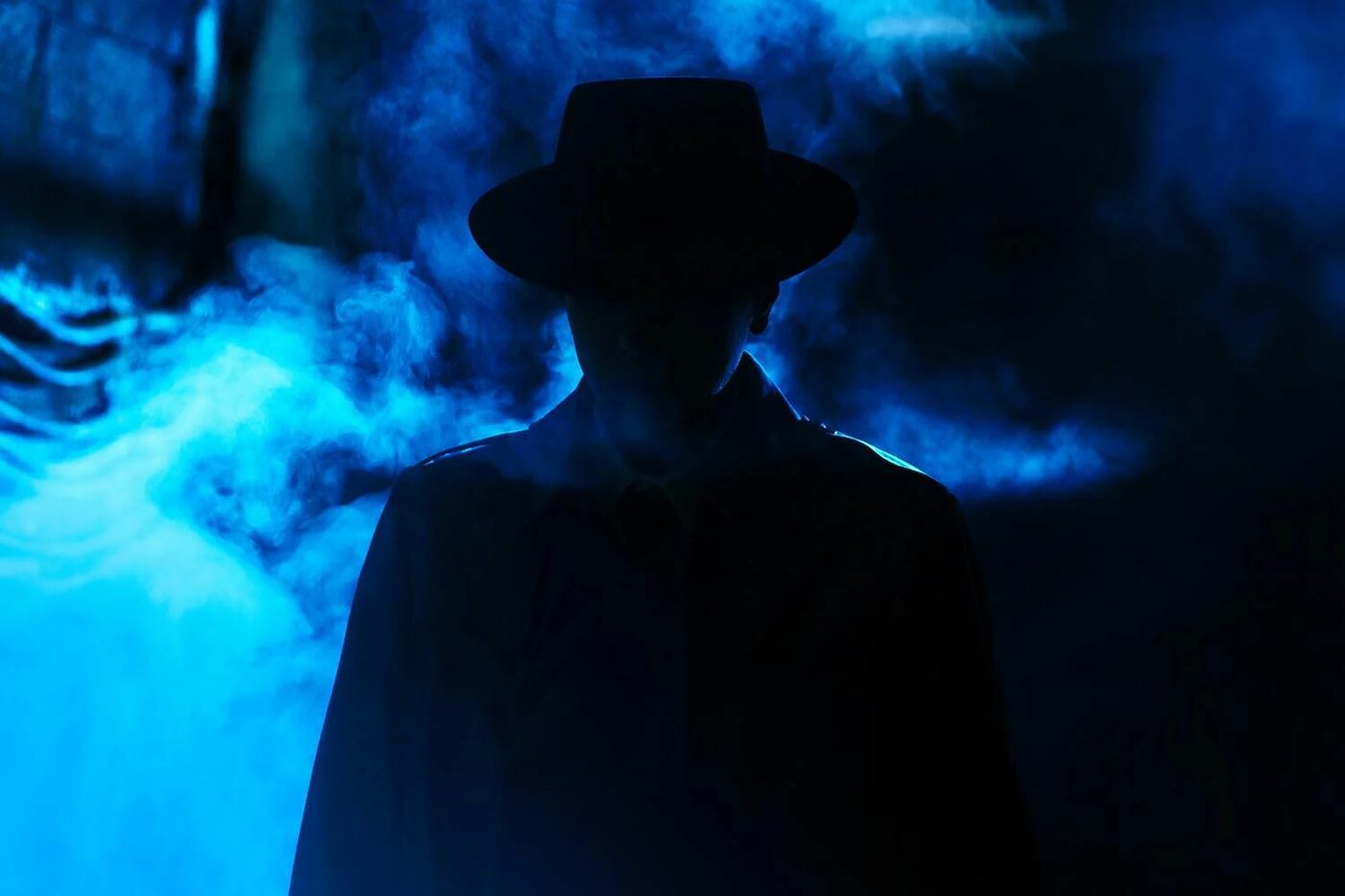
Resurrection too features one such sequence, but it is a measure of the film’s majesty that the 36-minute shot is only one of many sensational moments. Split into five chapters—each orbiting one of the senses and told in a distinct cinematic style—and sprinting through the twentieth century, Resurrection begins as a Blade Runner–esque sci-fi fairy tale. “In a wild era,” a title card warns, humanity has discovered that it is possible to achieve immortality if they are willing to stop dreaming altogether. But there are a select few who’d rather live shorter, more vivid lives, enlivened by those nighttime visions. Bi and his cowriter Zhai Xiaohui call them “Fantasmers,” melancholic wanderers who “bring chaos to history” and “make time jump”; they’re eternally pursued by the “Big Others,” vigilantes who can tell truth from fiction and must awake the Fantasmers to keep chronologies in check.
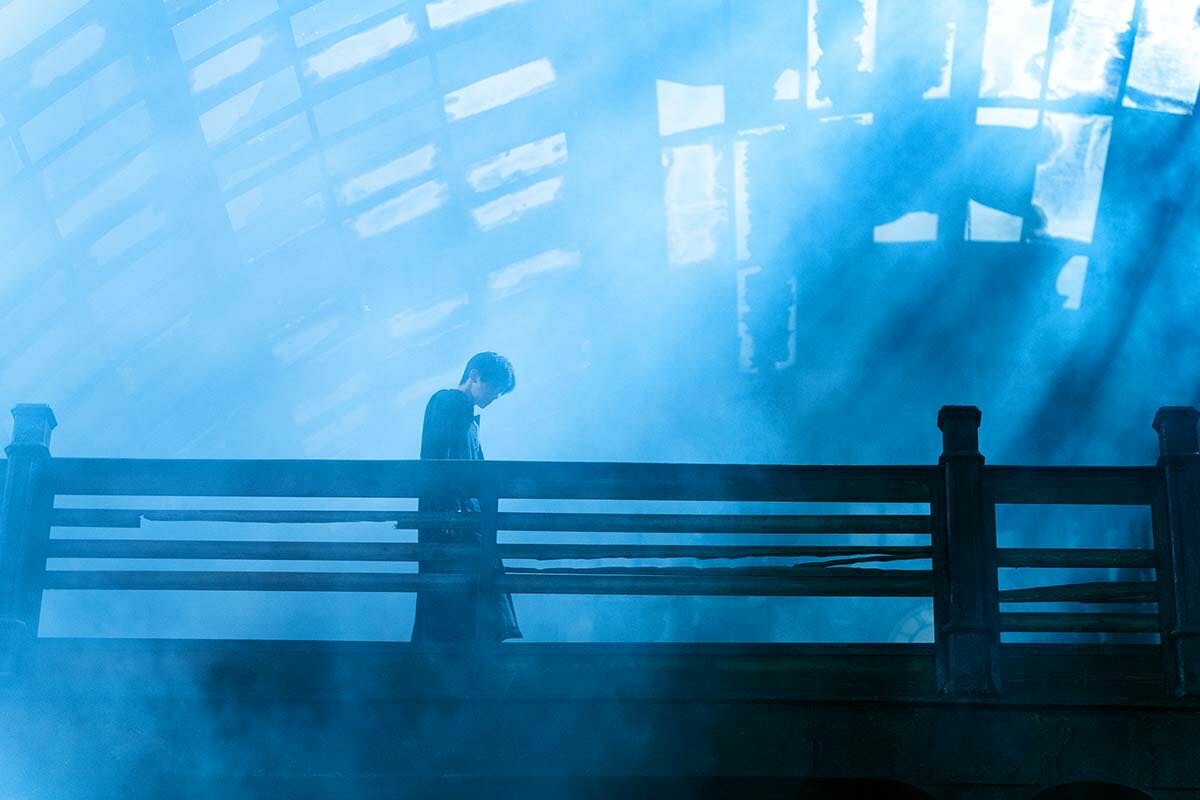
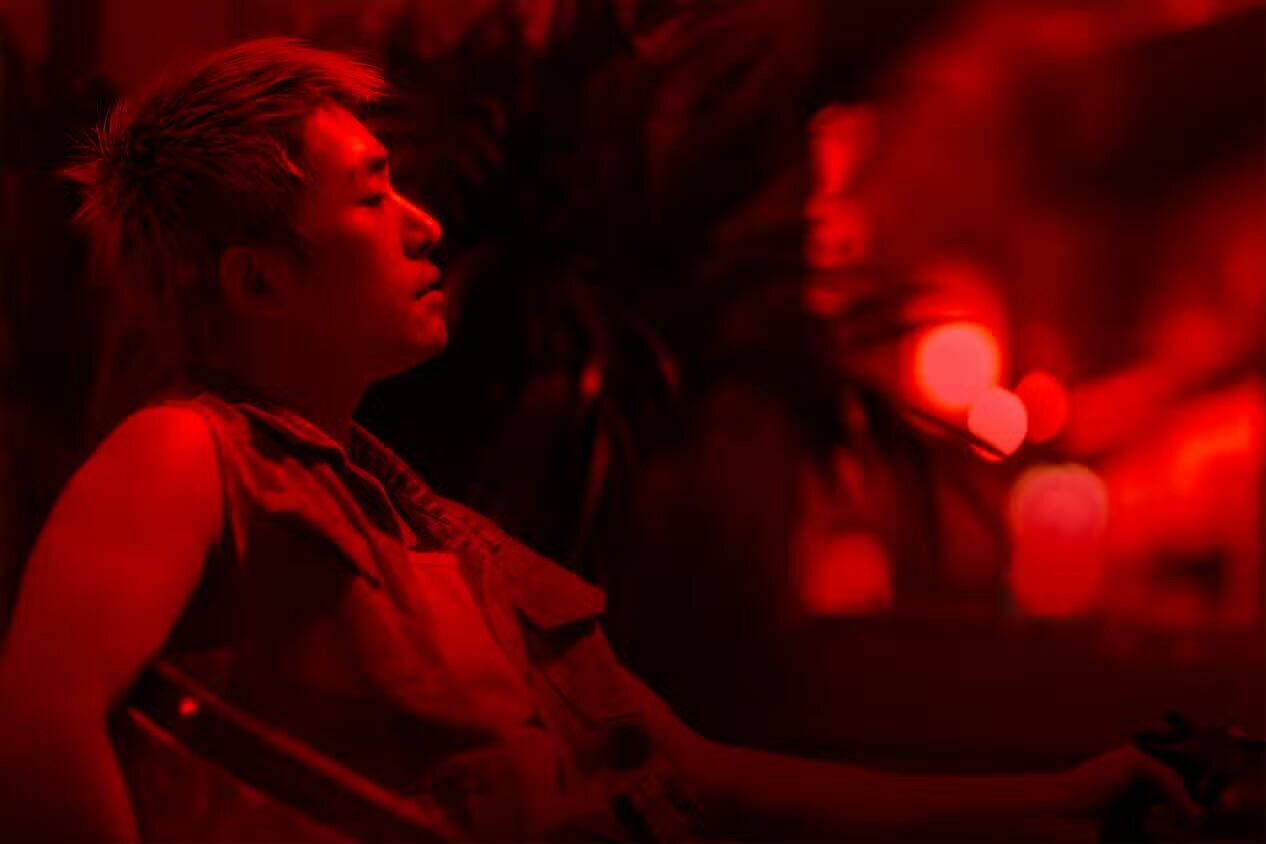
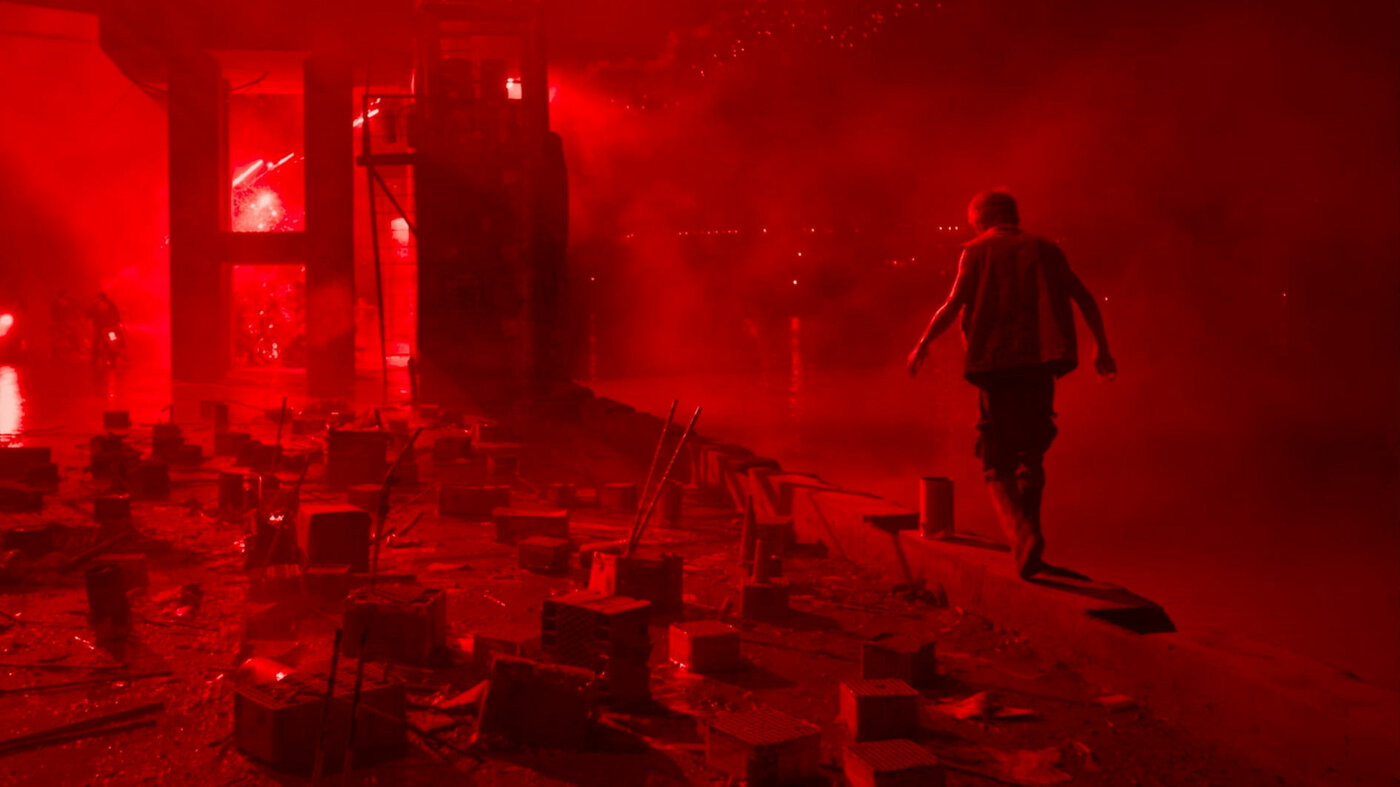
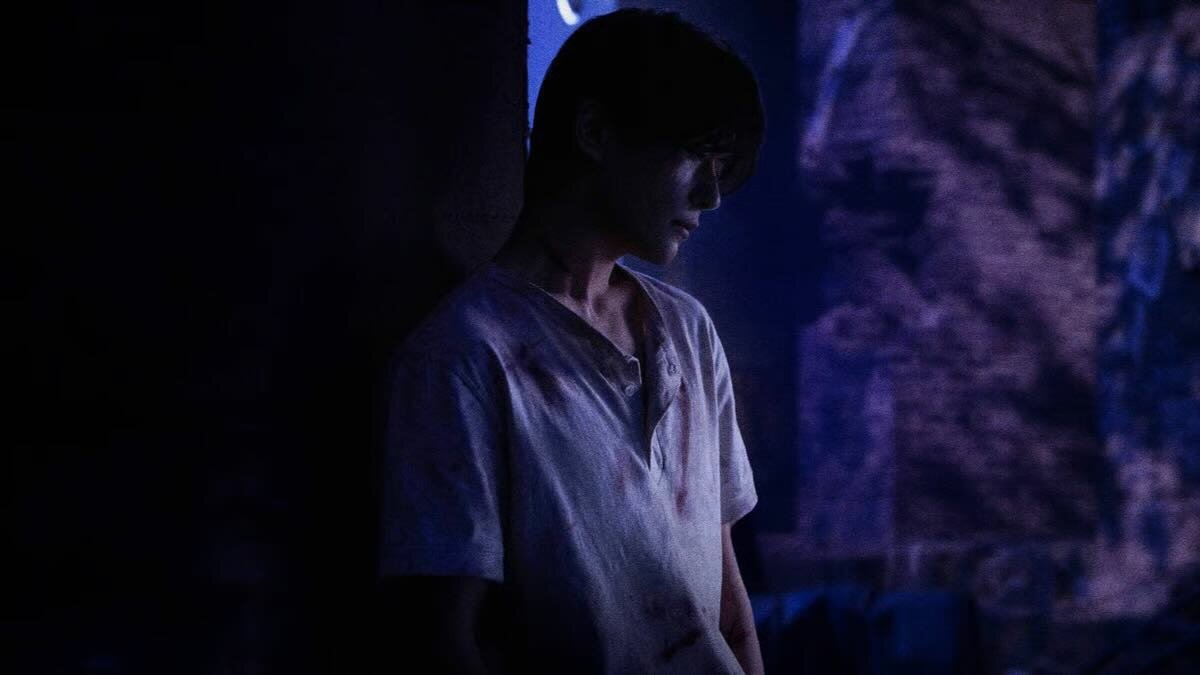
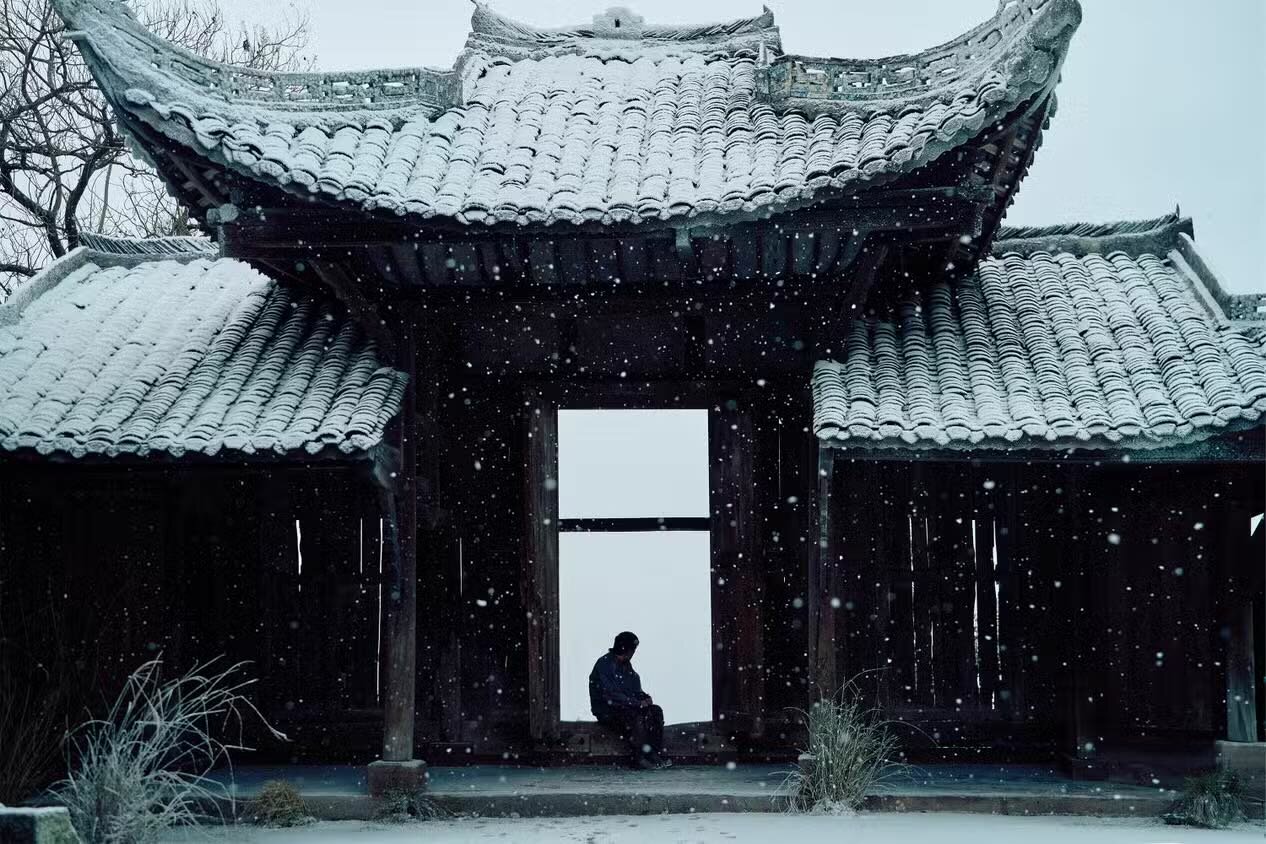
Resurrection follows one such Big Other (Shu Qi) and a Fantasmer (Jackson Yee) who’s been hiding from her in what Bi sees as “an ancient, forgotten past: that’s film!” And so it is that—in the first chapter, centered on sight—the Big Other tracks the Fantasmer down the basement of an opium den; moved by his final words (“Illusions may bring pain, but they’re incredibly real; I’d rather die than go back to that fake world!”), she decides to grant him a gentle death, cracking open his back to reveal a projector and shoving a reel of celluloid inside that sends him traveling through (film) history. The next time we see him, the Fantasmer is a mysterious young man in a Second World War–era noir concerning a theremin and some inexplicable murders (hearing); thirty years later, he’s a worker stranded in a Buddhist temple haunted by the Spirit of Bitterness (taste). Fast-forward another twenty years and the Fantasmer is back as a con man teaching a young girl a magic trick, making it seem like she can guess the cards from a deck through smell alone; the fifth and final chapter finds him on New Year’s Eve 1999—this is the uninterrupted shot, courtesy of cinematographer Dong Jingsong—running around a caliginous city with a girl who may or may not be a vampire (touch).
*Resurrection *(Bi Gan, 2025).
Spirits, gangsters, monsters, and monks: Bi’s shapeshifting phantasmagoria pullulates with all sorts of stories, and part of its charm is to watch the director toggle between wildly different genres and registers. Although each chapter is anchored in a single sense, Resurrection is about the gestalt, the collision of disparate stimuli. Visual and aural pleasures abound, from Bi’s yen for entrancing shot compositions (enhanced by mirrors, split diopters and dolly zooms) to M83’s strings-heavy score. But the technical bravado doesn’t ring hollow. The connective tissue to all the temporal and stylistic somersaulting is Bi’s commitment to treating cinema as a dream machine, inviting you to bask in all its illusions. At a time when the words “a love letter to the movies” have been reduced to hollow marketing-speak, here’s a film whose affection for the medium feels neither nostalgic nor self-referential; Resurrection isn’t an elegy but a rousing tribute to the transformative potential of an art form and the various ways it can alter the way we see the world on and off the screen.
The day after the film premiered in Cannes, where it nabbed a Special Jury Prize, I sat with Bi to discuss his writing, the role that long takes play in his films, and how he goes about designing such stupefying visual choreographies. Many thanks to critic, scholar, and interpreter Zoe Meng Jiang for her invaluable help in translating the chat.
*Resurrection *(Bi Gan, 2025).
NOTEBOOK: All your films match choreography with spontaneity; like its predecessors, Resurrection feels at once meticulously studied and open to the unexpected. I was hoping we could start by talking about this apparent tension in your cinema.
BI GAN: Actually, art arises from paradox—it is born out of paradox and contradiction. That’s the nature of the artistic process. We are always in pursuit of something highly rational, and yet art is the flower that blooms from within that rationality. That’s what artistic work is—that’s exactly what we strive for. It is also why making films can be so difficult. We have to prepare so many elements, get everything ready, and then let it come to life, let inspiration emerge. That part is incredibly challenging. It takes a long time to find that spark. I think it’s similar to creating an AI robot. Building the robot is the easier part—it requires our technology, our knowledge, and our teamwork. But giving it a soul—that’s something technology alone can’t achieve. Creating each scene is like making a different robot. Each one requires a different approach, and each one truly presents its own set of challenges.
*Resurrection *(Bi Gan, 2025).
NOTEBOOK: Could you talk about your writing? I’d love to hear how much of the script you showed your actors, and how strictly they followed it. Did you give them room to deviate from it in any way?
**BI: **My script is like a set of architectural blueprints. It merely documents everything I need to do on set and the lines the actors are supposed to deliver—though I usually give them the dialogue at the very last minute. Often, the actors receive their lines right on set, which allows them considerable room for improvisation. But this freedom... Just like building a robot requires adhering to strict technical specifications, actors need to operate within a technical framework. Yet, it’s precisely by following these constraints—coordinating with the camera, the set, the lighting, and every other element—that we often end up shooting more than ten takes. Usually, after ten takes or so, the actors tend to forget the rehearsed performance and truly begin to embody their characters. That’s when the real performance starts.

*Resurrection *(Bi Gan, 2025).
NOTEBOOK: Speaking of the film’s technical aspects, was ever a moment in which you thought about employing the same 3D technology you’d used in Long Day’s Journey into Night?
**BI: **I never considered it, because for me, all technical means serve the emotional core within a film. And the emotions and philosophy of Resurrection don’t need to be expressed through 3D.
NOTEBOOK: I’d be curious to know if there are any technological advances you find particularly exciting and might consider experimenting with in your next films.
BI: It all depends on the budget. Within the budget constraints, we try to use every possible technique. Sometimes the choice of a specific technology is directly related to the size of our budget. We often have to opt for certain approaches due to financial limitations.
For example, one very practical reason as to why we like to use long takes is that changing a scene and setting up another places a heavy burden on our crew. Moving to a new location means having to build new sets, which requires a lot of workers and a great deal of effort. But if we concentrate everything in one place, it’s just much more convenient—the production designer can coordinate everything more efficiently. So, as far as our film crew is concerned, pulling off a one-shot sequence actually simplifies things in every way.
*Resurrection *(Bi Gan, 2025).
NOTEBOOK: Since you mentioned the long takes, could you speak about how you design those sequences? The hour-long unbroken shot in Long Day’s Journey into Night sent us gliding down a hill and into a town sprawling just below it. In Resurrection, the camera doesn’t move vertically so much as horizontally, ambling its way through a maze of dank streets and switching between different points of view. What was your reasoning behind the choreography this time?
BI: The reason for choosing this approach was, ultimately, to serve the story. The most important emotional segment of this chapter is about the end of the world; that final night is crucial, and it should feel continuous—I didn’t want the night to be fragmented. So, if the young man and woman spend that night together within a single shot, I think it would be very beautiful. That’s why I chose a long take. What makes this unbroken shot different from previous ones is that it shifts between a variety of perspectives. Aside from some intentional designs, I believe every shift in perspective is infused with emotion.
*Resurrection *(Bi Gan, 2025).
NOTEBOOK: In more practical terms, how do you rehearse and prepare for these shots? Do you usually storyboard the whole sequence and then discuss those sketches with your cinematographer? And do these immensely intricate choreographies get any easier to plan and execute with each new film?
BI: From a practical standpoint, it has become easier, yes. But from a creative perspective, the challenge lies in how to make these shots different from similar sequences in previous films. Our storyboarding process is quite different because I make changes every day. There simply wasn’t enough time to update everything in writing, so I communicated updates verbally with the team. I stay in sync with the directing department—especially my assistant directors—making sure everyone knows all the changes planned for the next morning. They then arrange everything on set accordingly.
Whenever something comes up, I use my phone to communicate and keep everyone updated. For instance, if something needs to be removed from a scene, it’s faster to just say it than to write it all down. So you could say I do have a “plan”—it’s just not on paper. Instead, it exists in the constant communication between me and the entire directing team. I also communicate frequently with the director of photography. By the time we set out to shoot the first scene, we already know exactly how the composition should look, where the camera should move, and when the rain should start—everything is rehearsed with precision.
That’s why, in my crew, the directing department has the toughest job. Normally, assistant directors work with a fixed plan to coordinate things, much like in any usual production. But my assistant directors understand me well—they have to stay on top of every change and communicate clearly with every department on set.
*Resurrection *(Bi Gan, 2025).
NOTEBOOK: I think there’s something almost subversive about those long takes, especially in our current media regime, when the multiple screens we interact with daily are constantly weakening and shrinking our attention spans. I wonder if you see these unbroken, immersive shots in Resurrection as a response to that.
BI: I think the entire film is a response to that. But I must first of all confess that I respect these collective habits. I respect all kinds of changes, including the fact that everyone is constantly looking at their phones—I do it too. It’s just that sitting together in a cinema, without overanalyzing the logic of a film, is something truly beautiful.
Think back to when we watched those great films—how often did we truly read and fully understand everything right there in the moment, during those two hours? Back then, we didn’t overthink it. But now, why are we so demanding about such things? The reason is that our lifestyle has changed. The moment something doesn’t make instant sense, we grow anxious. I understand that anxiety, and I deeply respect it. But the films I make have to be the way they are.