 We all know it’s been a tough year for nature. We’ve seen the headlines, sweltered in the heat, smelled the wildfire smoke and felt the political winds shift. Despite it all, we’ve achieved some remarkable things together.
But there were also some sobering milestones.
Early this year, 2024 was confirmed as the planet’s hottest on record; 2025 is projected to be the second-hottest, putting the three-year average on track to exceed 1.5°C, the threshold the Paris Agreement was designed to prevent.
Canada’s fire season had already reached second-worst status by early August, with more than 6,000 fires burning through nearly nine million hectares by the year’s end. Arctic warming slowed from four times the g…
We all know it’s been a tough year for nature. We’ve seen the headlines, sweltered in the heat, smelled the wildfire smoke and felt the political winds shift. Despite it all, we’ve achieved some remarkable things together.
But there were also some sobering milestones.
Early this year, 2024 was confirmed as the planet’s hottest on record; 2025 is projected to be the second-hottest, putting the three-year average on track to exceed 1.5°C, the threshold the Paris Agreement was designed to prevent.
Canada’s fire season had already reached second-worst status by early August, with more than 6,000 fires burning through nearly nine million hectares by the year’s end. Arctic warming slowed from four times the global average to just three times, but only because it started heating up faster everywhere else.
Meanwhile, national political momentum shifted away from protecting nature, even as poll after poll confirmed that Canadians believe nature to be at the core of our identity. Internationally, the story was much the same: November’s UN climate summit COP30 ended without a plan to transition off fossil fuels, stop deforestation or deliver meaningful action for nature.
Here at home, the Auditor General found federal protected-area commitments had fallen behind, even before new legislation across the country began prioritizing development over environmental safeguards, despite mounting evidence that healthy ecosystems underpin long-term economic prosperity.
Our 2025 Living Planet Report Canada showed the starkest picture of wildlife loss yet: declines across every species group we track. Megan Leslie, WWF-Canada’s president and CEO, called it nature’s warning light.” It was one of many this year.
But, as Megan also said: “This warning also gives us an opportunity to turn things around before it’s too late.”
And you helped us do exactly that. Alongside our conservation staff, Indigenous partners, researchers and communities across the country, you held the line — and pushed forward.
Enjoy this summary of some of what we’ve accomplished together, then get inspired to push even further — taking action, building momentum and creating lasting change for nature, for wildlife, for all of us.
Helped restore Canada
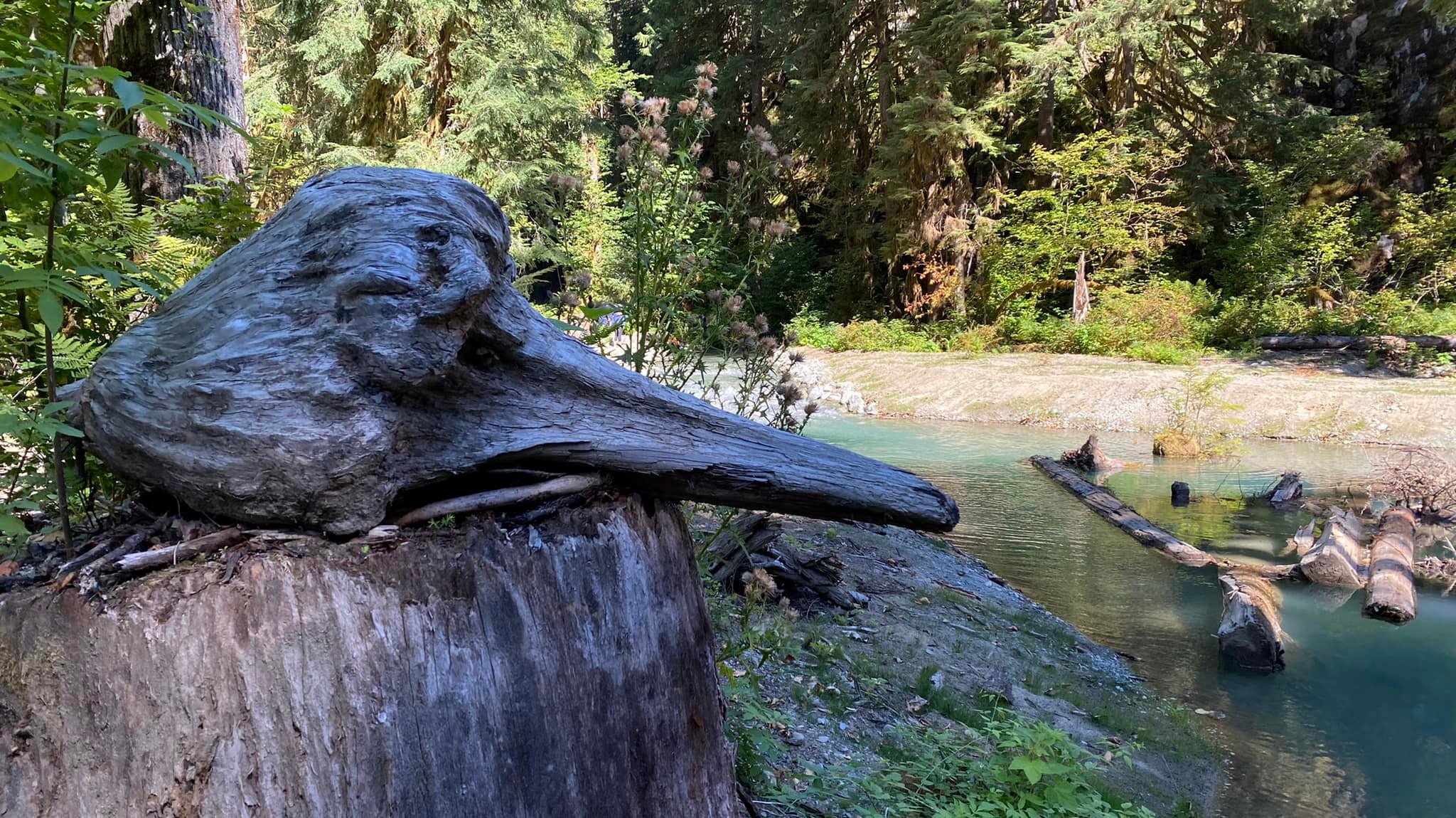 Salmon-habitat restoration in Katzie First Nation territory © Joshua Ostroff / WWF-Canada
At its core, ecosystem restoration is about bringing nature back. It’s about restoring our lands and waters and renewing our hope. We didn’t know at the beginning of 2025 how much that hope would matter.
This year, we continued working with Katzie First Nation in B.C.’s lower mainland. In New Brunswick, we planted along riverbanks in the Wolastoq watershed. And in central B.C., our partnership with the Secwepemcúl’ecw Restoration and Stewardship Society (SRSS), hit a major milestone: 1.5 million native trees planted over two field seasons across 1,000 hectares of fire-damaged land.
We also launched Mission Restoration and held our first Restoration Forum to bring more people into this work. We announced a $500,000 Catalyst Fund to support small, impactful projects in 2026, and expanded two programs that put restoration in the hands of communities: re:grow, our native-plant gardening program and Go Wild Grants for schools and campuses.
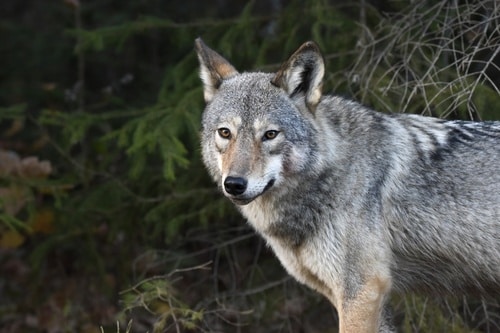 Eastern wolf in Ontario © Kevin Gevaert / iNaturalist.ca
Spoke up for nature
As governments at all levels focused on economic threats, you joined us to push for responsible development, sending more than 5,200 letters opposing Ontario’s move to dismantle endangered species laws and another 1,400 challenging a federal law that prioritizes project approvals over existing environmental review processes.
Although the legislation ultimately passed, your call will continue to ring out in 2026: endangered species are not red tape. Canada must grow our economy while still safeguarding the nature that defines us.
Sprouted seed orchards
To help meet our ambitious restoration goals, we funded 13 new seed orchards run by First Nations groups, conservation societies, businesses and nurseries. Located in New Brunswick, Quebec, Ontario and B.C., they grew native plants adapted to their specific regions, which will be able to provide the food and shelter that local wildlife need.
Produced crucial research on the state of Canadian wildlife
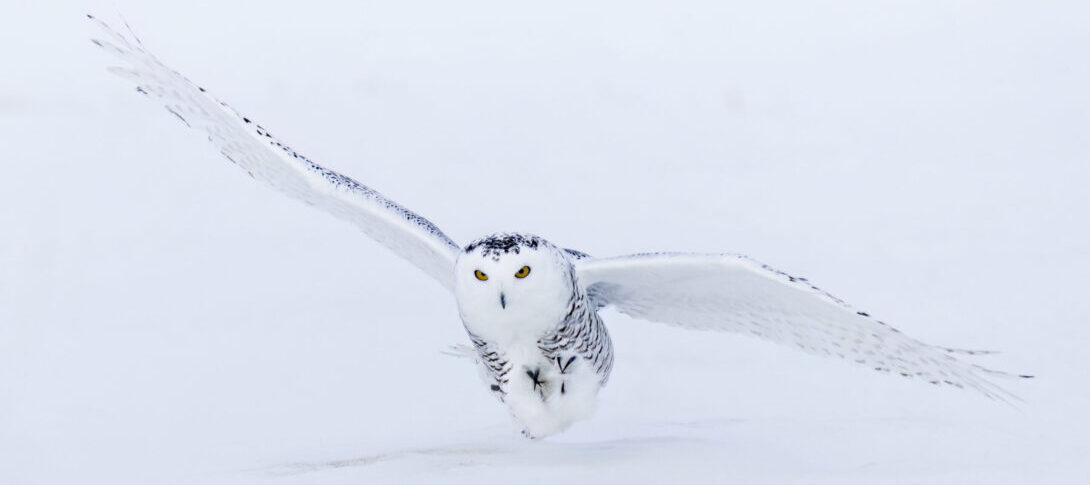 Snowy owl © Don Getty
Our flagship [Living Planet Report Canada](http://Living Planet Report Canada) (LPRC) revealed the size of monitored wildlife populations in Canada has fallen 10 per cent, on average, from 1970 to 2022, the steepest decline since WWF-Canada began reporting nearly two decades ago.
But LPRC’s Indigenous perspectives and species recovery stories (like peregrine falcons) hold the answer to a thriving future for Canadian nature: with concerted effort and the right conservation tactics, we can still heed that warning light and halt and reverse wildlife loss.
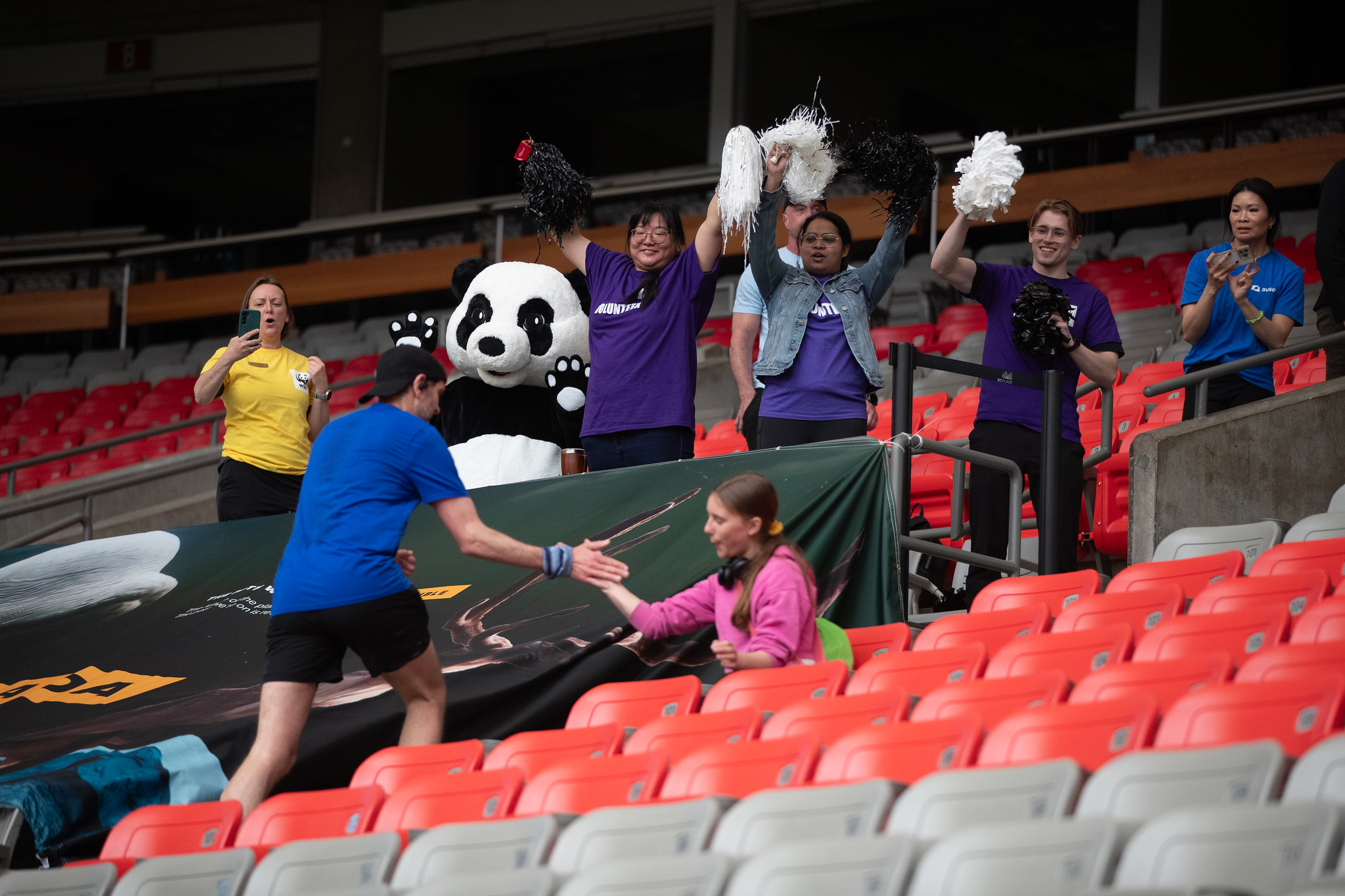 © Beau Chevalier / WWF-Canada
Raised $1.7 million in a record-setting Climb for Nature
You took 11,168,238 steps at our 2025 Climb for Nature events — up Toronto’s CN Tower, around Vancouver’s BC Place and all over “anywhere” else — to raise $1.7 million for critical conservation work across Canada.
Thank you to the 5,879 climbers and the 24,974 donors, sponsors and volunteers who made this our most successful climb yet.
Supported Indigenous Protected and Conserved Areas
Through our IPCA Support Fund, which provides $50,000 to $100,000 per year to support early Indigenous Protected and Conserved Areas efforts, Kitigan Zibi Anishinābeg advanced their Indigenous-led initiative Kidjīmāninān (“our canoe” in Algonquin). Their work included mapping ecosystem carbon, biodiversity hotspots and areas important for traditional harvesting and gathering.
This effort is laying the groundwork for a connected network of protected areas, demonstrating how Indigenous knowledge and science can work together to inform lasting, community-driven conservation outcomes.
Separately, our work in Nunavut with the Eastern Kitikmeot community of Kugaaruk to advance their own IPCA and Inuit Guardians programs included supporting mapping workshops, funding a new local co-ordinator position and gear like snowmobiles, and providing training opportunities. While plans take shape, Kugaaruk Guardians are already out on the land, tracking wildlife and climate impacts, and improving food sovereignty.
Expanded Nature Meets Carbon training nationwide
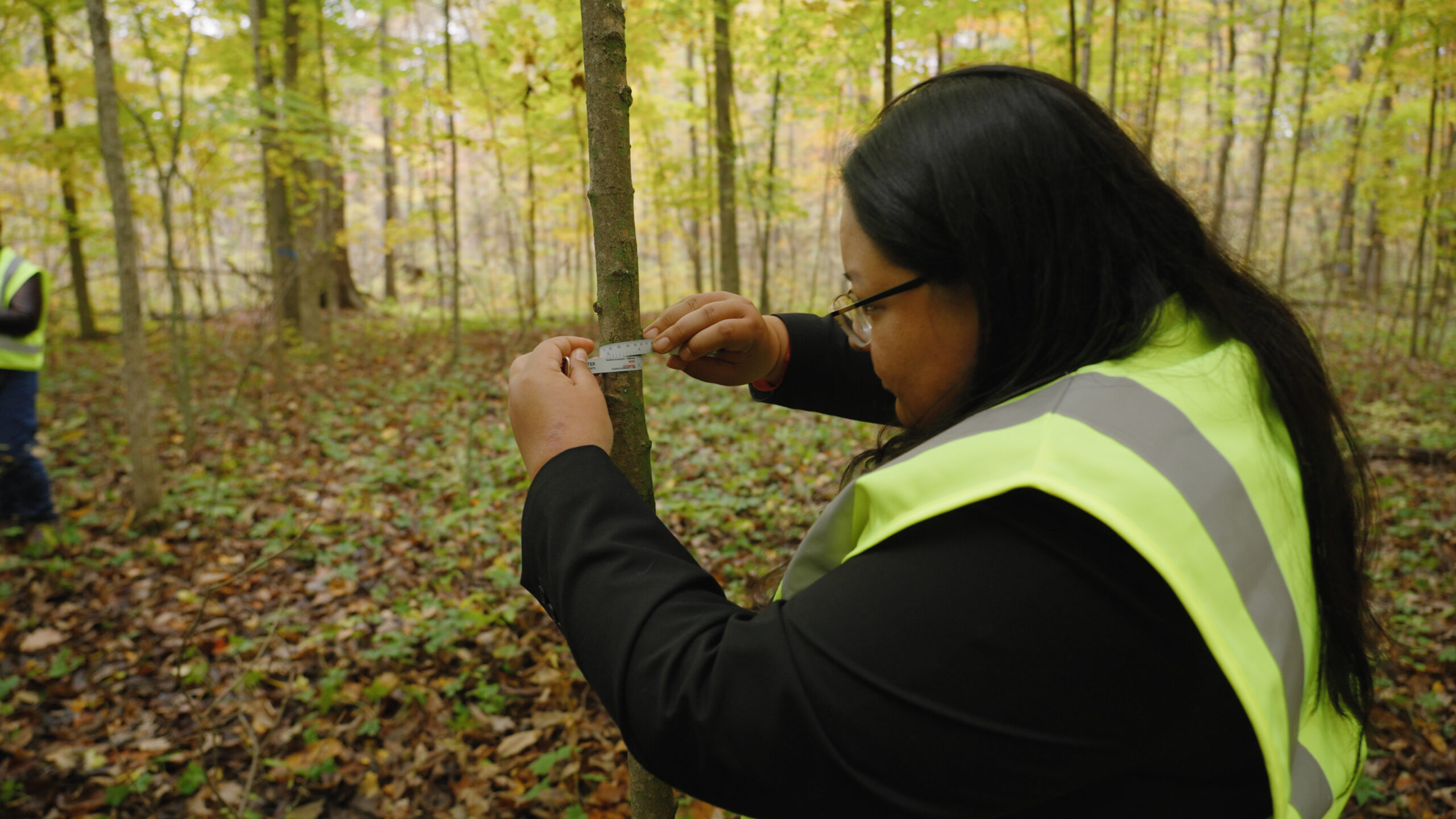 A trainee measuring the diameter of a small tree trunk © Andrew Price / WWF-Canada
We grew our program supporting community efforts to gather data about their forests, wetlands and grasslands by offering carbon-measurement training to participants including Chippewas of the Thames First Nation near London, Ont., and SRSS in B.C.’s Central Interior.
Ranging from in-person workshops and instructional videos to a free online resource library, the training will help inform plans for restoration, advocacy for protected areas and the development of conservation economies.
 This Is Wild photo illustration artwork © WWF Canada
Podcasted ‘wild’ species stories
From monarch butterflies migrating across the continent and fin whales sharing waters with tankers to soaring peregrine falcon populations and collapsing barren-ground caribou herds, our new podcast This is Wild profiled the wild lives of Canadian at-risk species and the incredible people working hard to protect them.
Listen to all six episodes wherever you get your podcasts — and stay tuned for an expanded format and much more episodes in the new year.
Advocated for cleaner shipping in the Canadian Arctic and everywhere
WWF-Canada’s earlier advocacy at the International Maritime Organization (IMO) led to this year’s adoption of an Emission Control Area (ECA) in the Canadian Arctic, which will reduce pollutants like black carbon, a type of soot that accelerates ice melt and seriously harms wildlife and human health.
We also joined our colleagues from across the WWF network to push the IMO to approve a historic framework to get global shipping to net-zero emissions by 2050, and we submitted new research on underwater noise in partnership with the Government of Canada to advance future action as the Arctic ocean gets busier and louder.
Protected polar bears, walrus and caribou
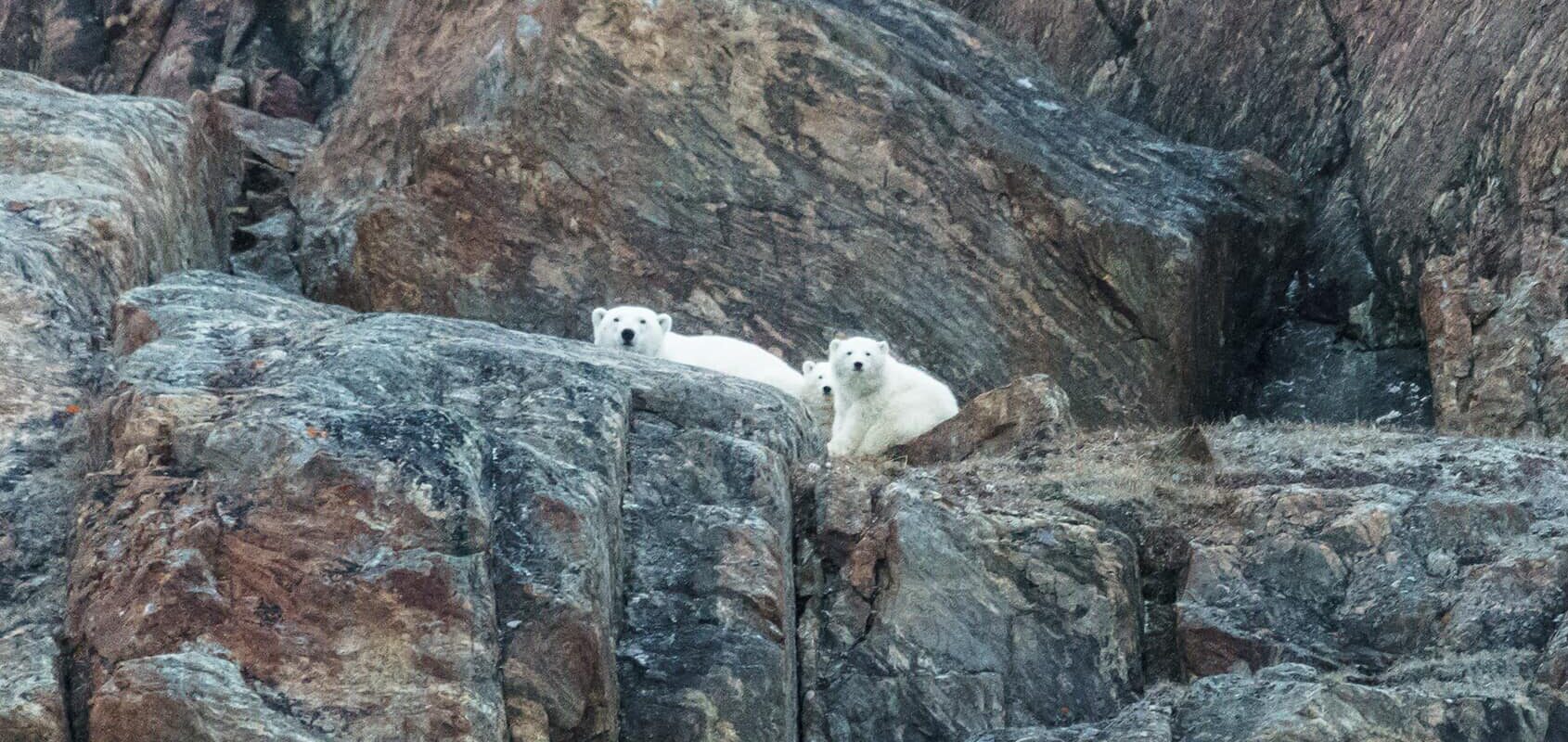
Polar bears were a natural focus for this past year’s Arctic Species Conservation Fund (ASCF) research and stewardship projects, ranging from improving subpopulation estimates by incorporating Inuit knowledge into scientific surveys to updating our longstanding monitoring and patrol program in Whale Cove with new technology.
ASCF also marked its tenth anniversary by funding research on the impacts of Arctic shipping routes on walrus populations, supporting land use planning in the Northwest Territories, and improving caribou harvest monitoring data in Arviat, NU.
 Piping plover © bookguy via iStockPhoto
Researched how (and how much it costs) to safeguard species under threat
Our Priority Threat Management study of southern Ontario revealed the most cost-effective strategies to prevent the local extinction of 130 species over the next 25 years, including the American bumble bee, barn owl, Eastern wolf and piping plover.
It also found that 100 of these species could be recovered with an annual investment of just $113 million, or less than one-tenth of one per cent of the province’s 2024 budget.
Certified conservation-forward campuses
From planting 1,700 trees and recording 3,400 nature observations to removing invasive reeds across 31,000 square metres of wetlands, seven schools this year earned their WWF-Canada Living Campus certification for working with their students to make an impressive impact on nature.