Long-term use of common anti-acid medications, known as proton pump inhibitors (PPIs), may not increase the risk of stomach cancer, a new study suggests, potentially offering reassurance to millions of patients.
These widely prescribed drugs treat conditions like acid reflux and ulcers, but have been subject to cancer fears since their introduction in the 1980s, with some previous research indicating a link.…
Long-term use of common anti-acid medications, known as proton pump inhibitors (PPIs), may not increase the risk of stomach cancer, a new study suggests, potentially offering reassurance to millions of patients.
These widely prescribed drugs treat conditions like acid reflux and ulcers, but have been subject to cancer fears since their introduction in the 1980s, with some previous research indicating a link.
However, researchers behind the latest study, published in The BMJ, argued that earlier work was "hampered by several methodological limitations, making this possible association uncertain."
They aimed to address these issues by examining data from all gastric and oesophagus cancer patients across Denmark, Norway, Finland, Iceland, and Sweden between 1994 and 2000.
The extensive study, led by experts at the Karolinska Institutet in Sweden, compared over 17,000 individuals diagnosed with stomach cancer against 170,000 without the disease. It found that long-term PPI use – defined as more than a year – was recorded in 10 per cent of cancer patients and 9.5 per cent of the control group.
The authors concluded: "No association was found between long-term proton pump inhibitor use and gastric adenocarcinoma." They suggested previous studies might have been skewed by including PPI use shortly before diagnosis, focusing on short-term prescribing, or failing to account for other variables.
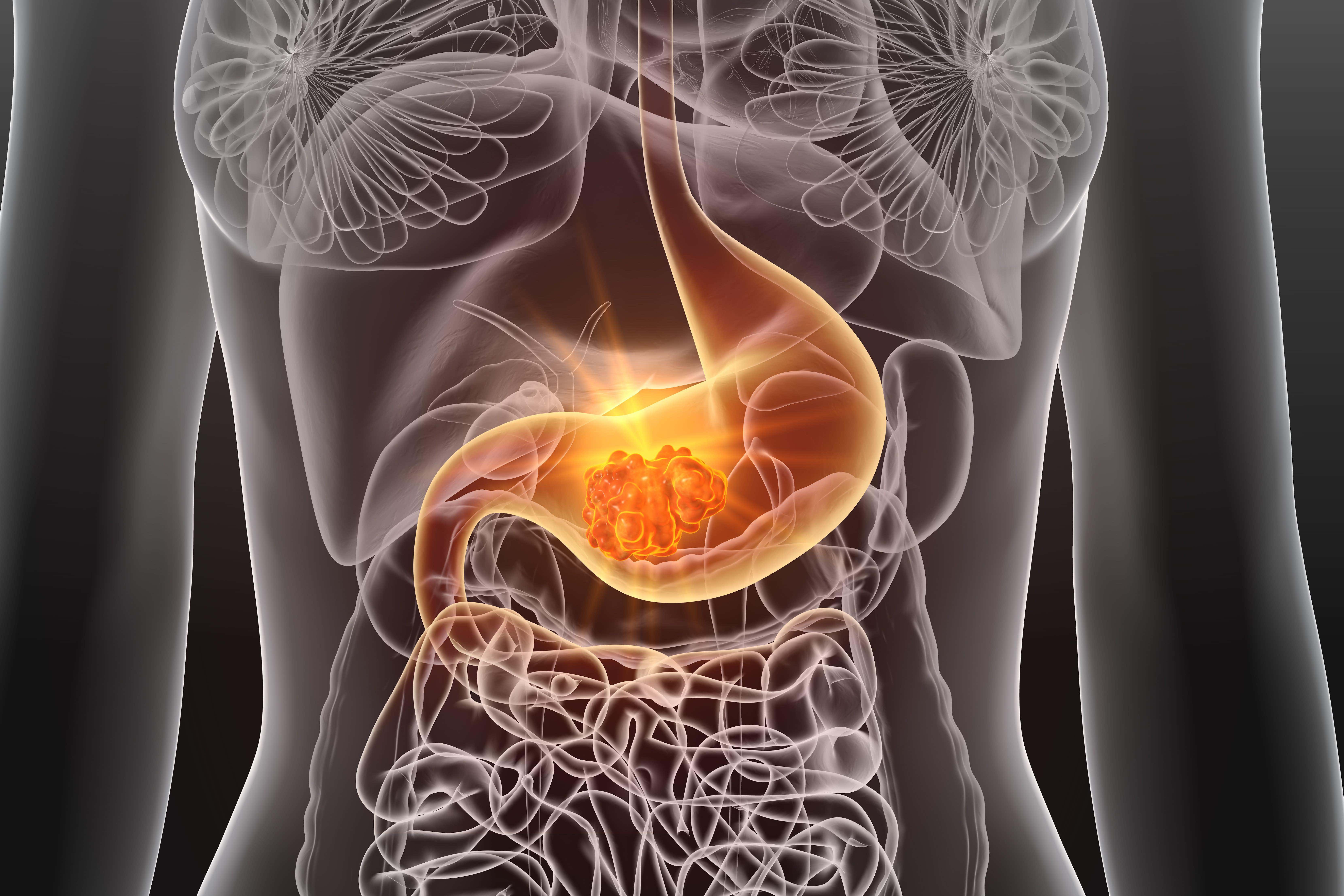
Stomach cancer rates have been falling in the UK, figures show (Alamy/PA) (Alamy/PA)
"This finding should offer relief for patients needing long-term proton pump inhibitor therapy and is valuable for clinical decision making in healthcare settings," the authors stated.
Nevertheless, they cautioned that "long term proton pump inhibitor use might cause side effects and increase the risk of some other potentially serious conditions such as Clostridium difficile associated diarrhoea, osteoporosis, and vitamin or electrolyte malabsorption."
In 2025, Scientists from the International Agency for Research on Cancer (IARC), part of the World Health Organisation, projected that if current trends continue, around 15.6 million people born between 2008 and 2017 will be diagnosed with stomach (gastric) cancer in their lifetime.
Of these cases, a staggering 11.9 million – 76 per cent – are directly linked to infection with Helicobacter pylori (H. pylori).
While the vast majority of new cases will be in Asia (particularly India and China), some two million could occur in the Americas, 1.7 million in Africa and 1.2 million in Europe.