Italian cuisine, a global culinary icon, is on the cusp of receiving formal recognition as an "Intangible Cultural Heritage" from UNESCO, the United Nations’ cultural agency.
A preliminary assessment has already cleared the path for its inclusion, with a final decision anticipated on Wednesday.
The bid, initiated in March 2023 by Italy’s agriculture and culture ministries, champions Italian cooking – encompassing everything from pasta and [pizza to risotto and cannoli](https://www.the-independent.com/life-style/best-pizza-restaurant-london-ranke…
Italian cuisine, a global culinary icon, is on the cusp of receiving formal recognition as an "Intangible Cultural Heritage" from UNESCO, the United Nations’ cultural agency.
A preliminary assessment has already cleared the path for its inclusion, with a final decision anticipated on Wednesday.
The bid, initiated in March 2023 by Italy’s agriculture and culture ministries, champions Italian cooking – encompassing everything from pasta and pizza to risotto and cannoli – as a profound social ritual that strengthens family and community bonds.
The government emphasised that "There is no single Italian cuisine, but a mosaic of local expressive diversities," highlighting regional specialities such as Lombardy’s ossobuco and Puglia’s orecchiette con cime di rapa as testaments to the nation’s rich biodiversity and culinary creativity.
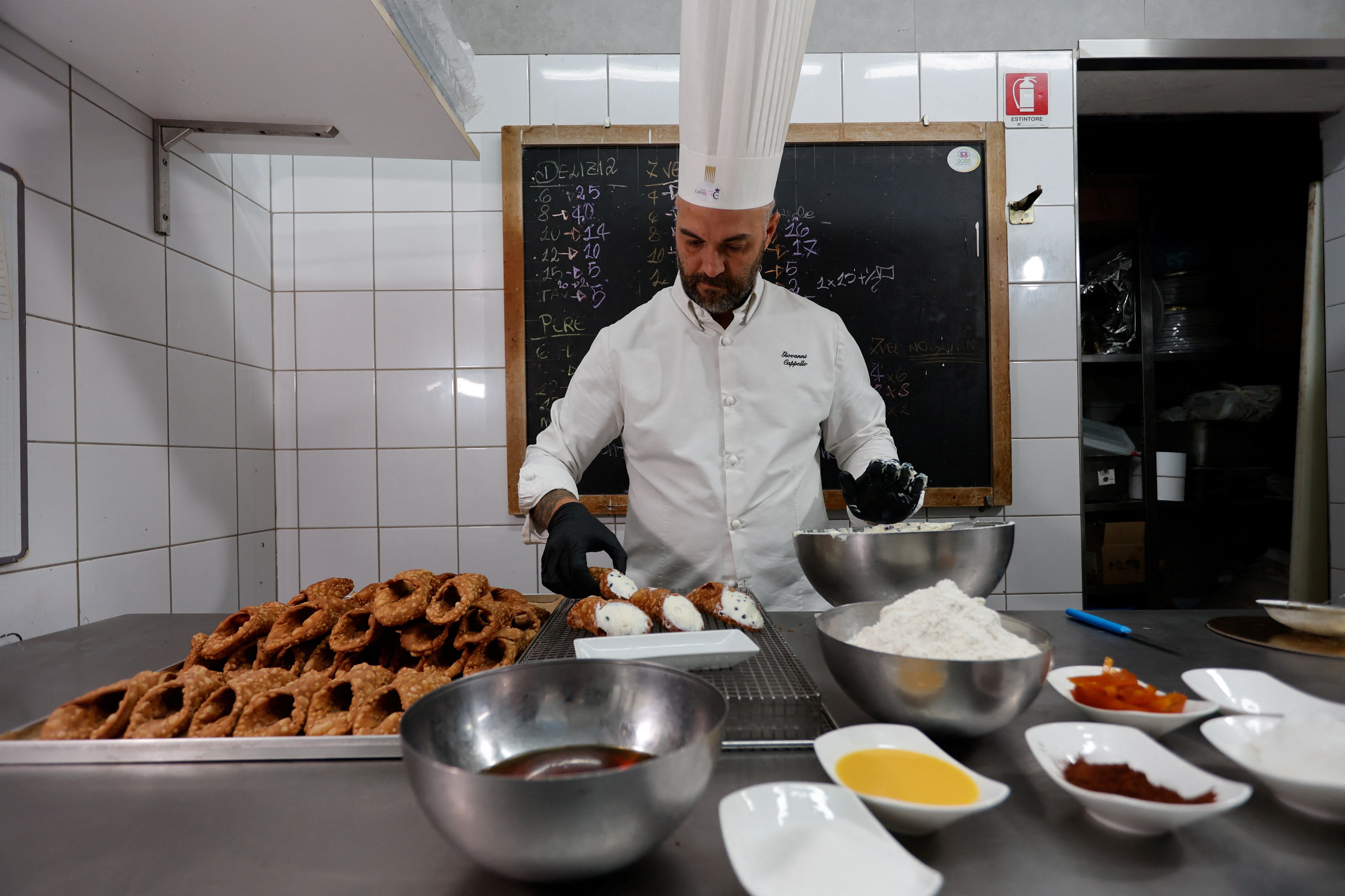
Pastry chef Giovanni Cappello prepares Sicilian cannoli at Pasticceria Cappello (REUTERS)
Prime Minister Giorgia Meloni has been a vocal proponent of the initiative, describing Italian food as a powerful symbol of "culture, identity, tradition and strength."
Industry projections suggest that UNESCO recognition could significantly boost tourism, potentially increasing overnight stays by 18 million and generating up to an 8 per cent rise in visitor numbers over two years. Beyond its borders, Italian cuisine connects 59 million residents with an estimated 85 million people of Italian descent worldwide.
Deloitte reports that the global Italian food service market reached 251 billion euros ($293 billion) in 2024, representing 19 per cent of the total restaurant market. However, the proliferation of imitation products abroad costs Italy an estimated 120 billion euros annually.
Despite widespread enthusiasm, the UNESCO bid has not been universally embraced within Italy. Food historian Alberto Grandi dismissed the candidacy as "just a marketing operation" in an interview with Mantovauno last month.
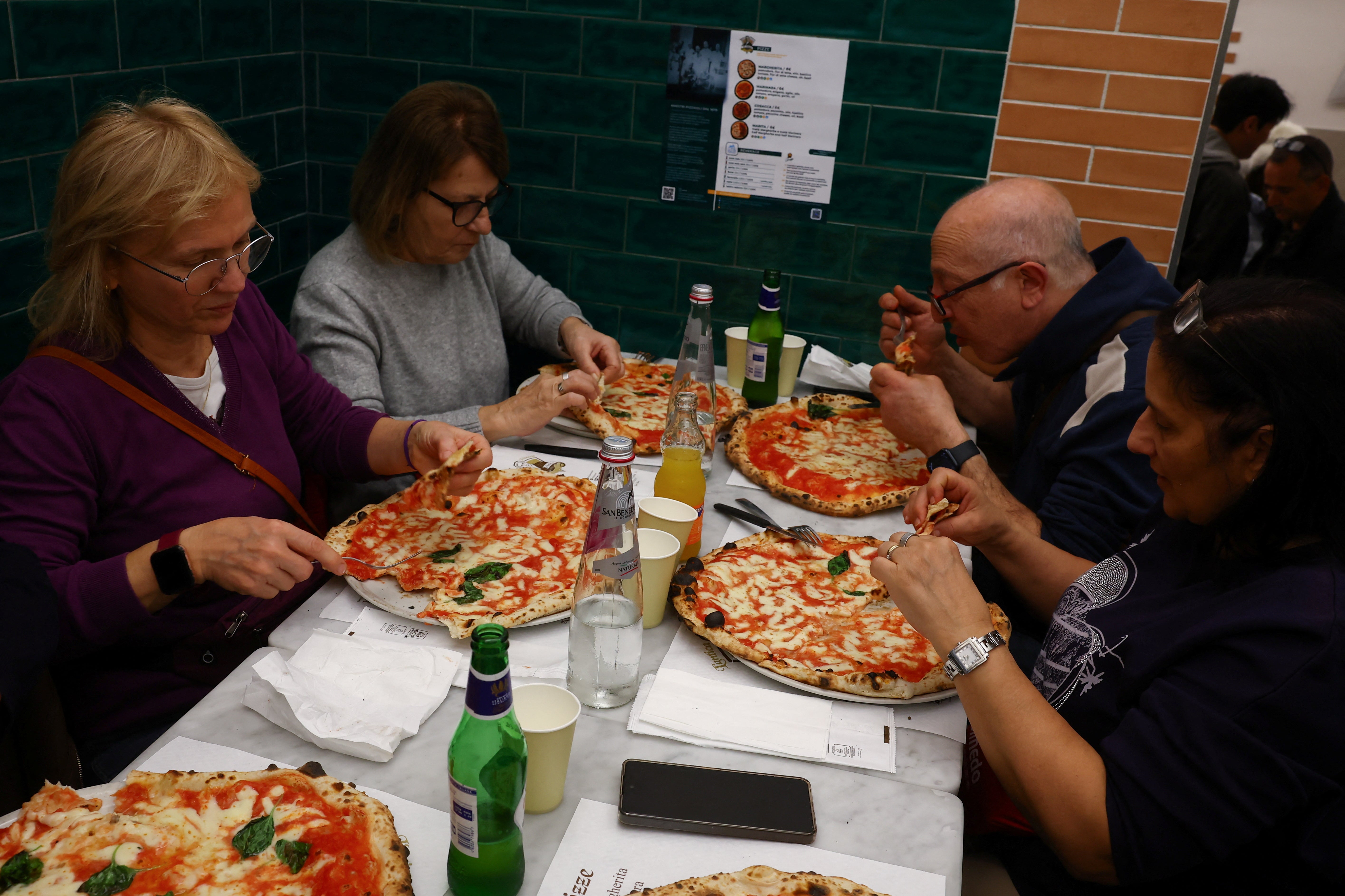
People eat pizzas at L’antica Pizzeria da Michele (REUTERS)
In his 2024 book, La cucina italiana non esiste, Grandi controversially argues that many dishes considered traditional, including pasta alla carbonara, are relatively modern inventions influenced by foreign cultures. These remarks have drawn sharp criticism, with farmers’ association Coldiretti labelling his claims "surreal attacks on national culinary tradition."
For restaurateurs like Luigina Pantalone, owner of Rome’s historic Da Sabatino, a positive outcome from Wednesday’s meeting in India would be a source of immense pride.
"Authentic Italian cuisine needs to be protected," she stated, reflecting on her childhood spent washing dishes with her brothers and her pride in being the fourth generation to manage the family restaurant.
Three-Michelin-star chef Massimo Bottura eloquently summarised the sentiment: "Italian cuisine is an ancient, daily, sacred ritual – the art of caring and loving without saying a word."