- 31 Dec, 2025 *

It’s the end of the year, which means yearly reviews are everywhere. I wanted to do one too—but with a slightly different focus. Instead of talking about me, I’m going to poke around in the blog data I’ve been collecting for the blogosphere map and make a few amateur data-analyst observations (with some fun visualizations along the way).
Quick note on the data: these numbers come from my RSS reader and use the set of blogs I track for the blogosphere map. "Still posting" means a blog published at least one post in 2025. Times in the weekday/hour…
- 31 Dec, 2025 *
It’s the end of the year, which means yearly reviews are everywhere. I wanted to do one too—but with a slightly different focus. Instead of talking about me, I’m going to poke around in the blog data I’ve been collecting for the blogosphere map and make a few amateur data-analyst observations (with some fun visualizations along the way).
Quick note on the data: these numbers come from my RSS reader and use the set of blogs I track for the blogosphere map. "Still posting" means a blog published at least one post in 2025. Times in the weekday/hour heatmap are in UTC. I recorded the data on December 30, 2025, so the final day of the year isn’t included.
Here are a few things that stood out.
Posts per Month
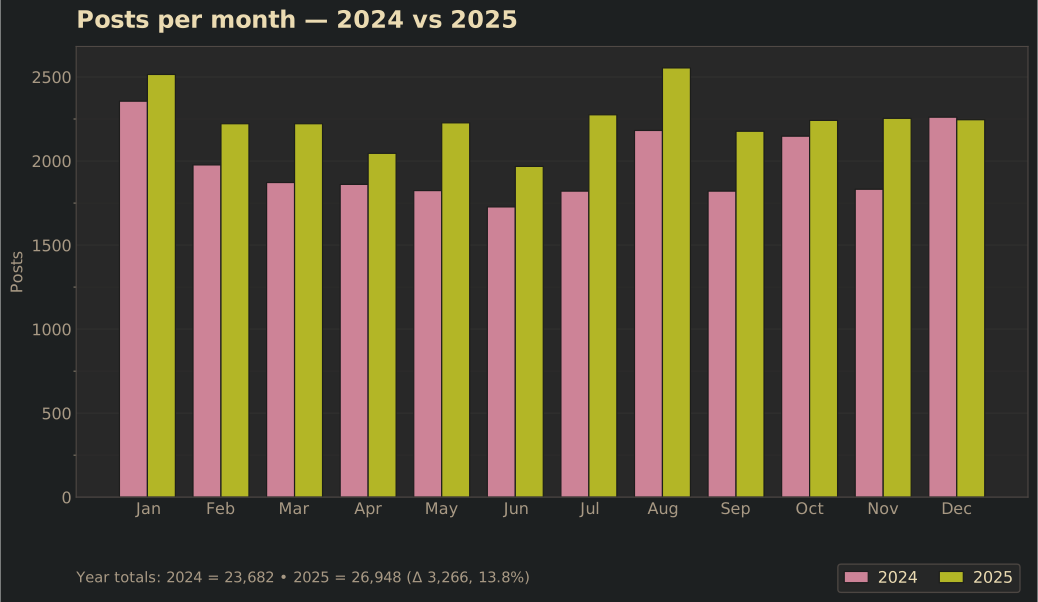
Compared to the previous year, 2025 is the bigger year—not just in a few spike months, but pretty consistently across the calendar.
By the time of recording, 2025 had 26,948 posts in total, a +13.8% increase from 23,682 posts in 2024. That’s a strong jump. But how does it look against 2023?
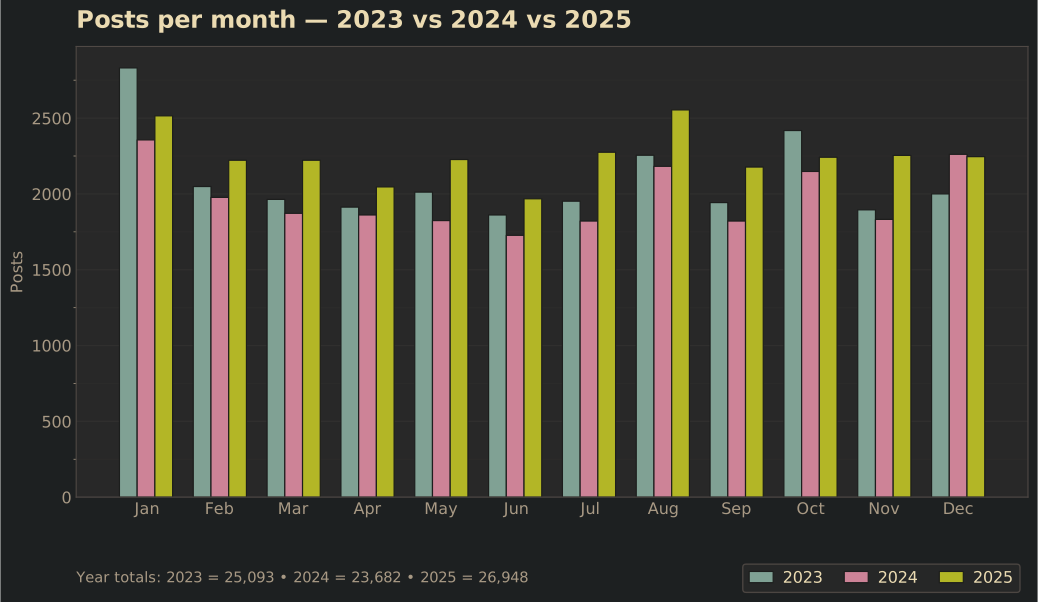
This chart suggests 2024 was a dip year, while 2025 didn’t just recover—it surpassed 2023, with a +7.4% increase in total posts. Overall, 2025 was a very strong year for blogging.
2025 wasn’t a one-off spike—it was a consistently higher-output year, and it beat both 2024 and 2023.
Blog Survival Rate
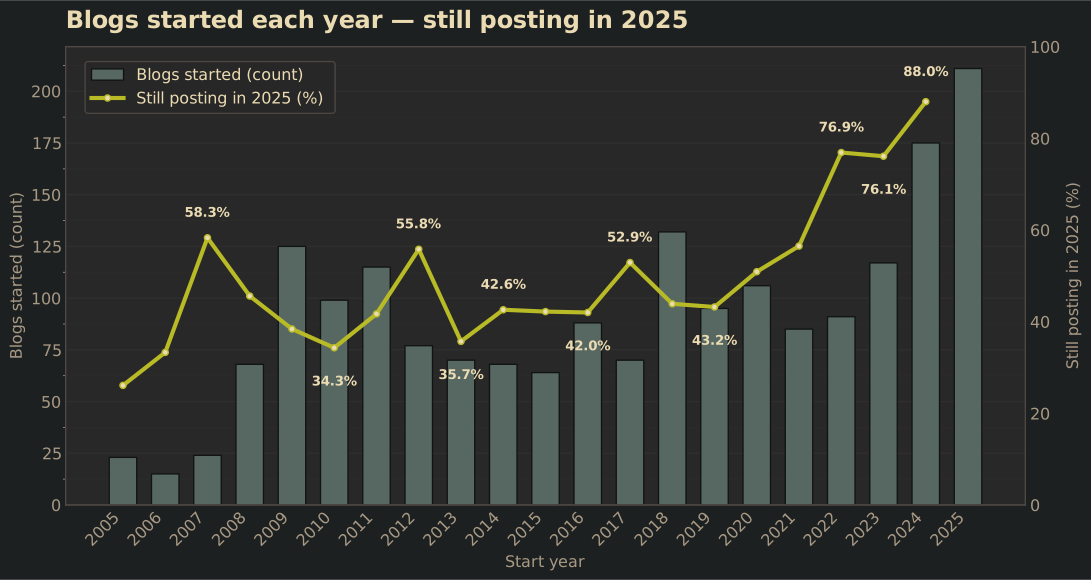
Both 2024 and 2025 saw a surge of new blogs. 211 new blogs in 2025 is the highest I’ve recorded. 175 new blogs in 2024 is also huge—historically, the next biggest intake years were 2018 (132) and 2009 (125).
Blogs seem to be making a comeback in the social media age, and I’m all for it.
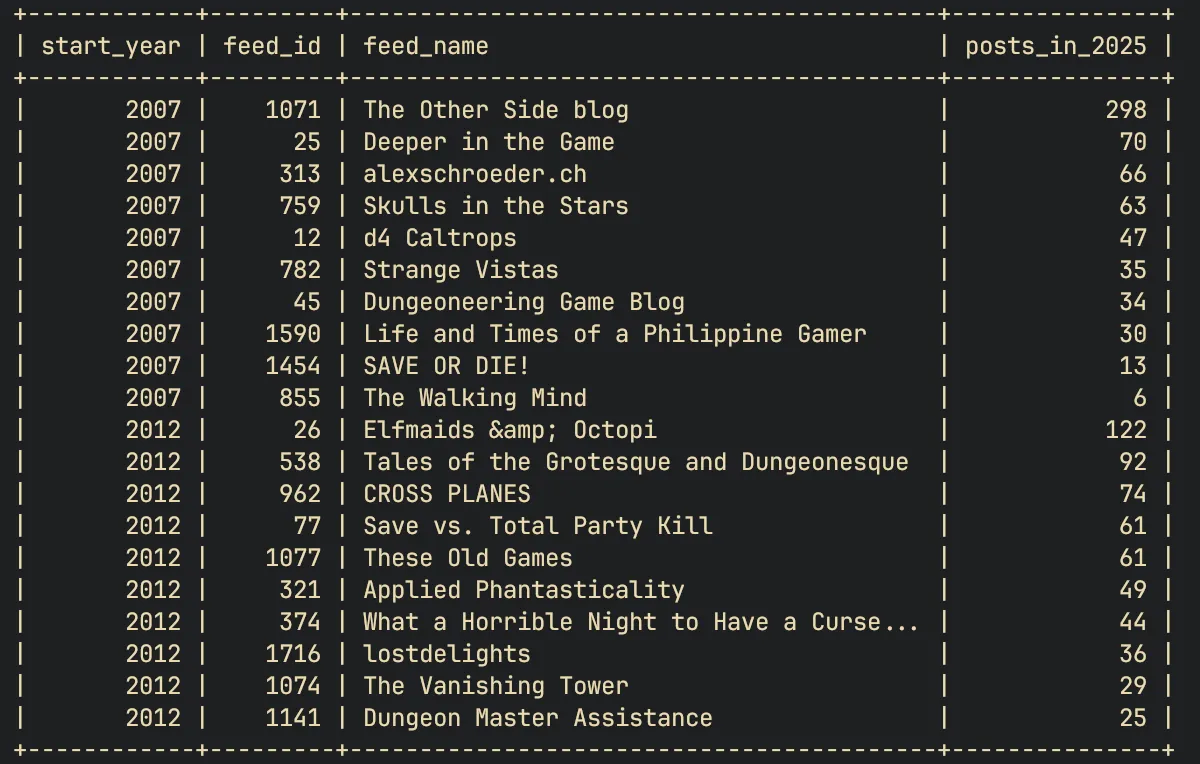
The survival rate is higher for recent years (partly because they’re newer), but it still suggests solid current health. It’s also genuinely nice to see how many older blogs are still posting—there are notable spikes around 2007 and 2012. If you’re wondering what some of those still-active blogs look like:
For fun, here’s the inverse: the share of blogs started each year that didn’t post in 2025. It doesn’t add new information, but it’s a nice visual counterpart.
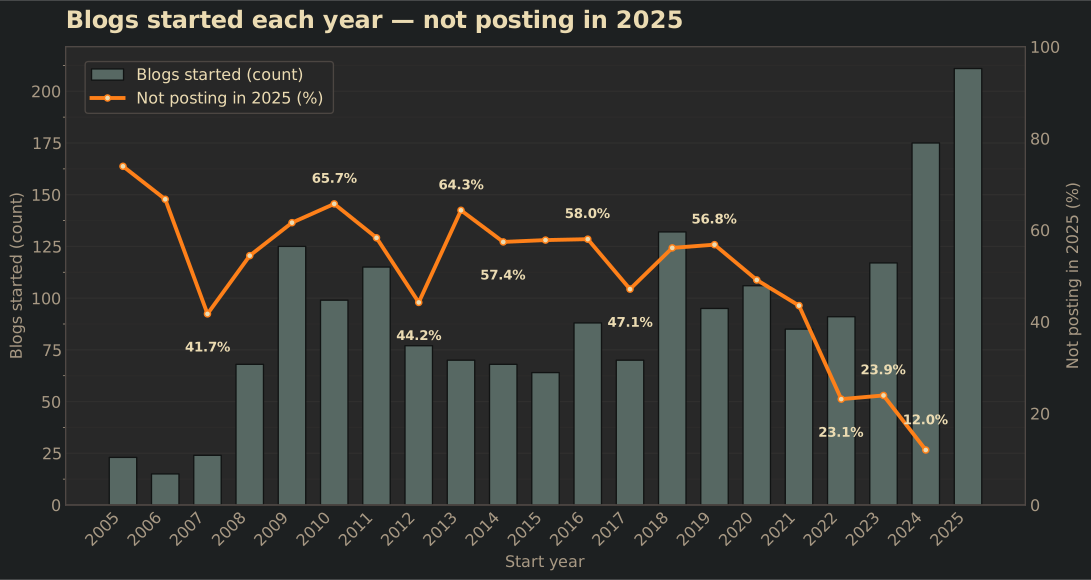
New blogs are arriving in big numbers—and a meaningful chunk of them (plus plenty of old-timers) are sticking around.
Calendar Heatmap
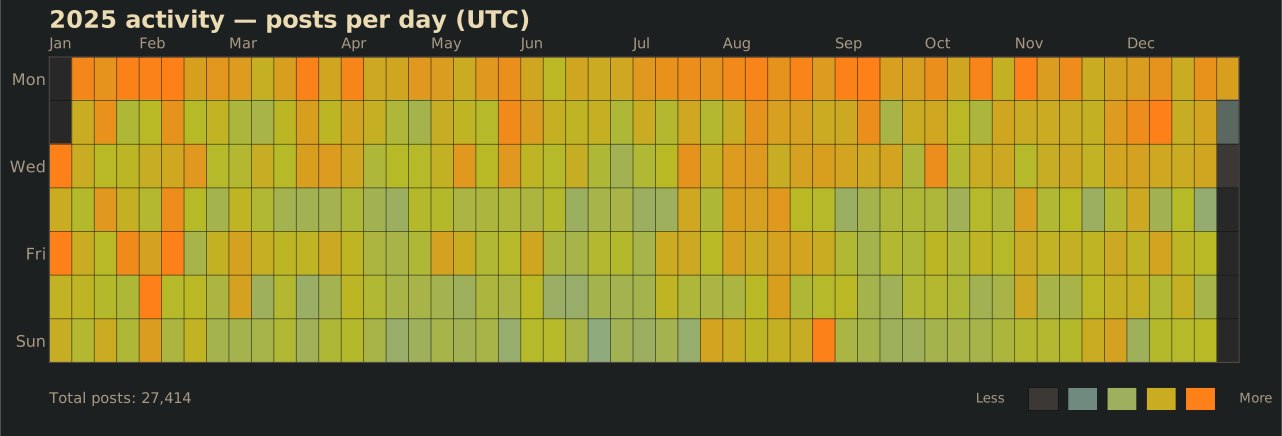
One thing that surprised me: 2025 was remarkably steady day-to-day. There were zero no-post days in the dataset.
A typical day sees about 75 newly published posts. There are spikes here and there, but nothing too wild. The busiest day hit 131 posts, roughly ~1.7x a typical day.
Blogging output wasn’t just high in 2025—it was reliably high, with steady publishing momentum across the entire year.
When Posts Land
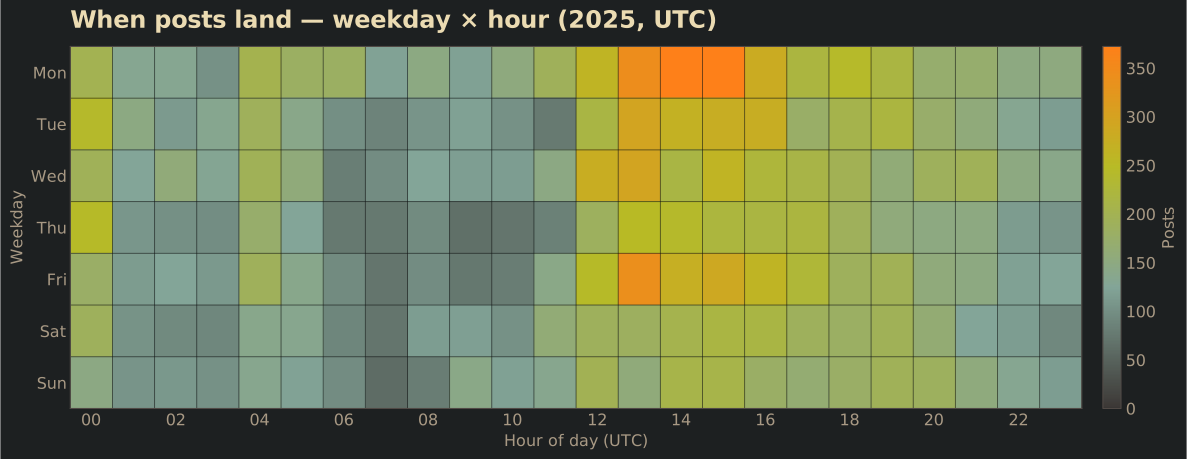
This heatmap shows the weekday and hour when posts were published (in UTC).
Monday is the heavyweight posting day: 17.6% of all posts (4,744 total) landed on a Monday. Blogging is a job after all.
Weekends are still substantial too. Saturday + Sunday together make up about a quarter of all posts this year (6,773 total). So people are blogging during the week and on their free time—classic blogger behavior.
Time-of-day-wise, the rhythm strongly favors midday / early afternoon UTC, which makes sense: that window overlaps a lot of waking hours across time zones.
Blogging looks both structured and human: a strong Monday bias, but plenty of weekend posting, and a global "overlap window" in the middle of the day (UTC).
Conclusion
This was a quick year-end stint in the data. If I keep doing this annually, it’ll get even more interesting as a true time series you can compare year over year.
The biggest takeaway: blogging is not dead. If anything, it’s still going strong—and picking up steam.
Go out and blog.