- 08 Dec, 2025 *
Rhianne Ward
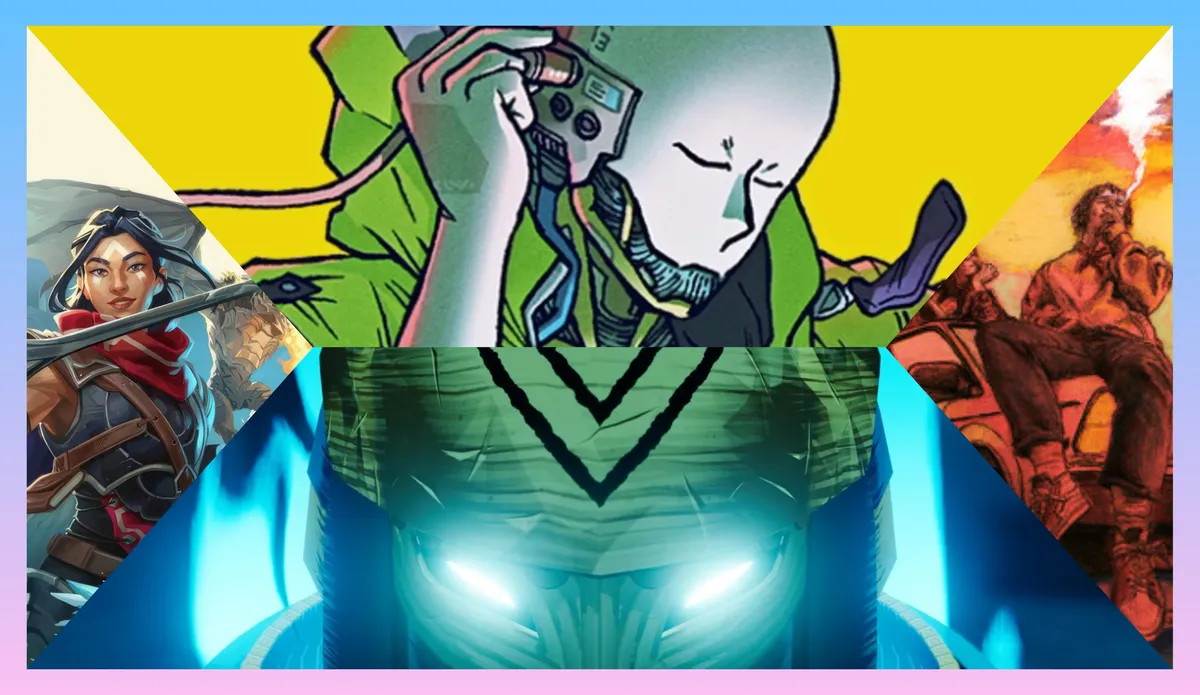
Geoff Keighley’s The Game Awards is a largely meaningless and corporate affair, but much like the Oscars, it’s also a fun way to look back on the preceding year and reminisce about what we played, while giving me an excuse to catch up on some of my 2025 backlog.
Overall, I was pretty happy with a lot of the nominations this year. Of course, much of this show ultimately amounts to a popularity contest, but it’s cool to see some surprises in the mix. Every year, I chat with friends about what my favourites are, what I think…
- 08 Dec, 2025 *
Rhianne Ward
Geoff Keighley’s The Game Awards is a largely meaningless and corporate affair, but much like the Oscars, it’s also a fun way to look back on the preceding year and reminisce about what we played, while giving me an excuse to catch up on some of my 2025 backlog.
Overall, I was pretty happy with a lot of the nominations this year. Of course, much of this show ultimately amounts to a popularity contest, but it’s cool to see some surprises in the mix. Every year, I chat with friends about what my favourites are, what I think should win, what shouldn’t have been considered, and so on, but most importantly of all, we talk about the snubs. So many games release in a single year, so inevitably, the most deserving of the lot often fall to the wayside, and while we spend all month talking about the nominations, a handful of stone cold classics end up gathering dust in a shadowy corner.
So! This blog post is dedicated to the games that didn’t quite make it, but deserve the acclaim. I don’t really have any hard and fast rules for this; I’ll just mention a couple titles in no particular order and you can check ‘em out if they sound good to you. Enjoy!
Best Action
This is a category that tends to be something of a blind spot for me. The kinds of games that end up in this pile don’t tend to be the types that I dedicate a lot of time to. That being said, a couple each year always manage to hop the turnstile and enter my heart, so here you go.
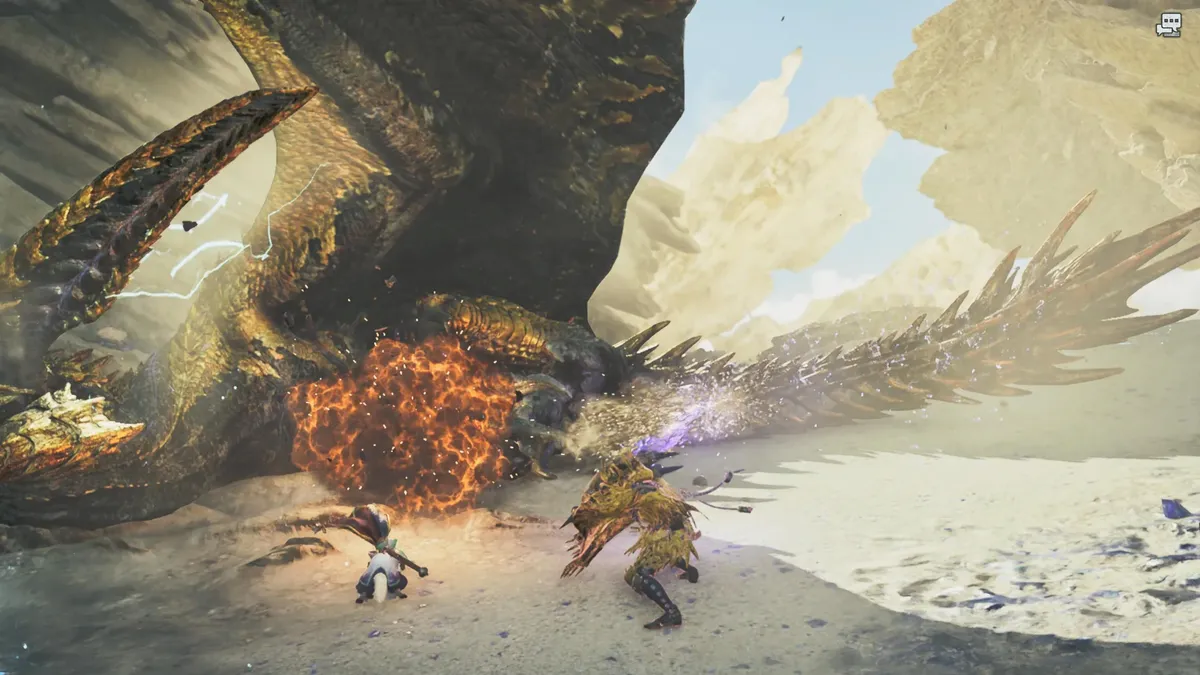
My main consideration is perhaps a cheeky pick, but I’m going to go with Monster Hunter Wilds. The reason this might be a little contentious is because this game is actually nominated in the ‘Best RPG’ already. That being said, I would argue that its RPG elements exist to support its action focus, not the other way around. MH Wilds is hands down the most enjoyable game I’ve played in the realm of swinging big swords at even bigger guys, and I think it really got snubbed at the Game Awards this year.
Outside of that, since I don’t really know where else to place it, I was quite fond of BALL x PIT this year. I didn’t get quite as addicted to this one as a couple of my friends did, but it’s still a very cool, surprisingly atmospheric experience. Amos Roddy’s score gives the hub area a relaxing vibe which juxtaposes the stress-inducing nightmare that is the actual game. It got my heart rate up more than once, and if that doesn’t qualify it as an action title, I don’t know what would.
Best Action/Adventure
The interesting thing about the Game Awards’ genre categories is they’re almost entirely vibes-based. What’s the difference between “Action” and “Action/Adventure”? It’s kind of a know-it-when-you-play-it type of deal. So, considering this, what deserves to make the cut here?
Well, in lieu of a dedicated horror category, I guess I would have to prop up Silent Hill f as my de facto pick. It just scratches that survival horror itch wonderfully for me, where exploration leads to resources while running the risk of taking damage. However, it being a Silent Hill game, exploring also regularly led to more story hints, through notes, hints in the environment, and hidden secrets to uncover. Visuals and sound design being as good as they are, this experience was intoxicating, and tied beautifully into my overall desire to understand everything in this story as much as I could. Also, the combat is fun! Don’t let anyone else tell you otherwise.
Eternal Strands also captured my attention this year. I played it way back in January, and I kept expecting it to fall out of my favour as time passed, but if anything, the opposite has occurred. I have such fond memories playing this game, exploring its world, building out my little camp of renegade survivors, and learning more about the world and its myriad ins and outs. I adore the cast of characters, and the narrative gripped me right up to the end. The game’s design is a mishmash of many other great titles, so it scratched a number of itches, some of which I didn’t realise needed scratching, which was a nice surprise. Who knew marrying the puzzle-esque monster clambering of Dragon’s Dogma 2 or Shadow of the Colossus and the equipment preparation of Monster Hunter with the evolving social system of Hades and the extensive fantasy worldbuilding of Dragon Age would work out so well? It’s a combination of most of my favourite games, which is a sentiment I’d usually gawk at, but here it just works. I love it, and it’s a shame it didn’t experience a stronger reception. I wish Yellow Brick Games all the best!
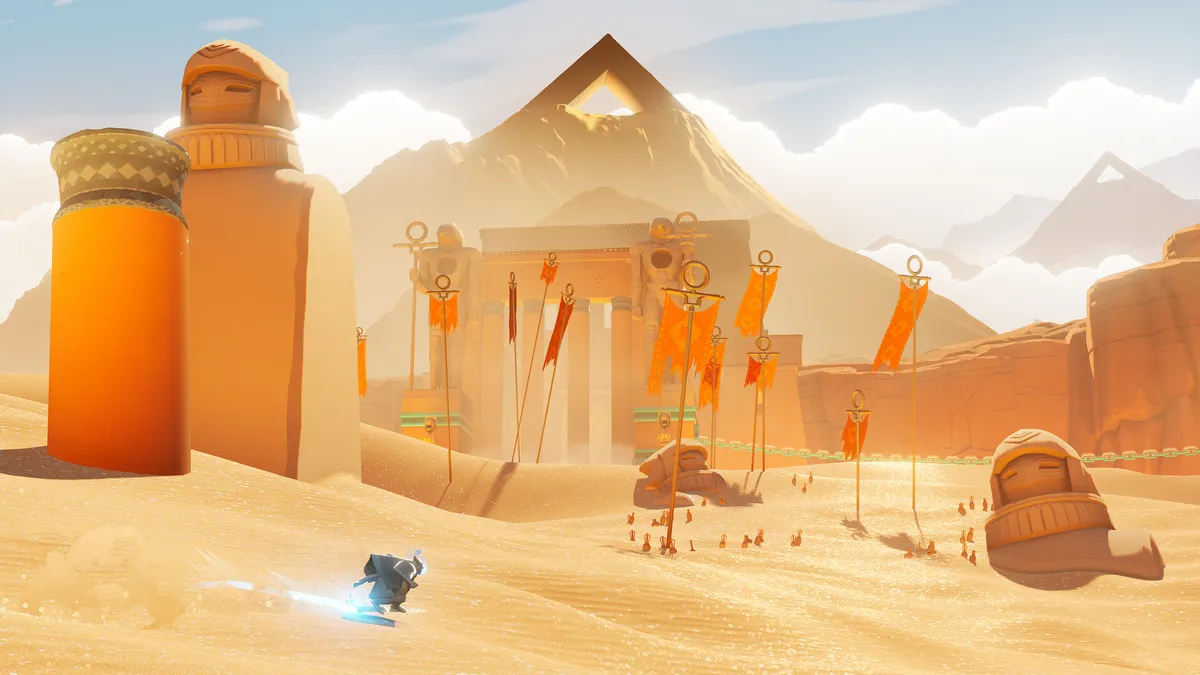
Another undisputable banger from this year was Sword of the Sea, from developer Giant Squid, best known for Abzu or The Pathless. If you’ve read my stuff before, you’ll know that I adore a game that can pull off telling a story with no dialogue. Video games are, in great part, a visual medium, and so any title that manages to make use of that aspect is special to me. Sword of the Sea is a deeply absorbing experience which gives as much as you decide to take from it. You can beat it very quickly – a couple hours, maybe – but you would be doing yourself a disservice by refusing to take your time. An incredible skateboarding-inspired movement system makes traversing each gorgeous environment a breeze, and secrets aren’t necessarily found in the most obvious places, so scouring every nook and cranny is richly rewarded. It’s a game which expects you to return for repeat runs, and while I’m not typically the type to do such a thing, in this case I felt compelled. Each time I went through, which was I think four times in total, I found something new that altered my perception of the world and the story being told, however slightly. Like Giant Squid’s previous works, it’s a game about the natural order being disrupted, and that takes a different form with each new title, and this one is no different. It was a treat to spend time in this beautiful, enrapturing space, and I’m keen to return there someday.
Best RPG
Hope you’re ready, because we’ve arrived at my favourite category! I love RPGs so much. Every year, my faves are across the board some variation on RPG sensibilities. Be it triple-AAA action games like Dragon Age or crunchy CRPGs like Pathfinder, I don’t care, I’ll eat it all! 2025 was no stranger to incredible RPGs, and these nominations reflect that nicely, but it can’t help but feel a little lacking. Observe.
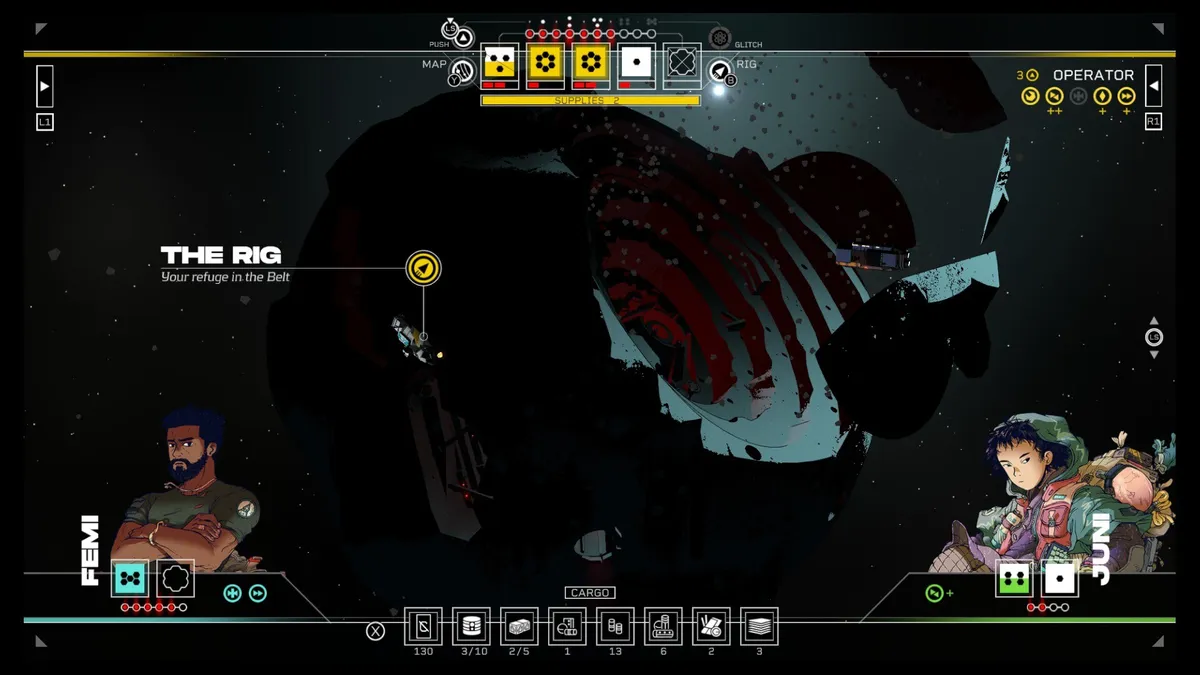
In my mind, the best thing an RPG can do is ground you within its world. When mechanics and narrative come together to allow the player to make choices which aren’t just extensions of themselves, but in-keeping with the actions of a person trapped within the setting of the game they are playing, that’s the ultimate success. Like I said earlier, very few games have truly evolved this feeling in me. My favourite this year for managing this effectively is Citizen Sleeper 2: Starward Vector. In the same manner as its predecessor, its focus on survival and the tension born from that make every single decision, every roll of the dice, deeply meaningful in lasting ways. Time is a precious resource in Citizen Sleeper 2, and so whenever you use it up, it sends the hands on the clock ticking ever-slowly towards your demise. It’s a never-ending rage against the dying of the light, and deeply evocative for that. Like I said before, if RPGs are about player choice, then Citizen Sleeper 2’s commitment to every action involving risk and consequence makes it the best RPG I played this year.
A wonderful surprise title that snuck up on me in the later stages of 2025 was Consume Me, a life management game about dieting and maintaining a solid school-to-free-time ratio. It’s a semi-autobiographical tale depicting a teenager named Jenny, who sets harsh objectives for herself in order to lead what she believes to be a perfect life where all her problems will be solved. Obviously, the truth is more complicated than that, and this game, more than almost any other this year, manages to induce an acute sense of regret and paranoia entirely through its mechanics. I am certainly no stranger to the concept of failing to meet your own expectations, or even worse, the paralysing fear of the possibility of failing, and there are few games which understand that feeling so deeply. It’s an intensely clever game, and genuinely funny in its writing and visual gags, and it has an awful lot of charm too. I’m very fond of it. Certainly unconventional in the realms of typical RPGs, but no less deserving of praise.
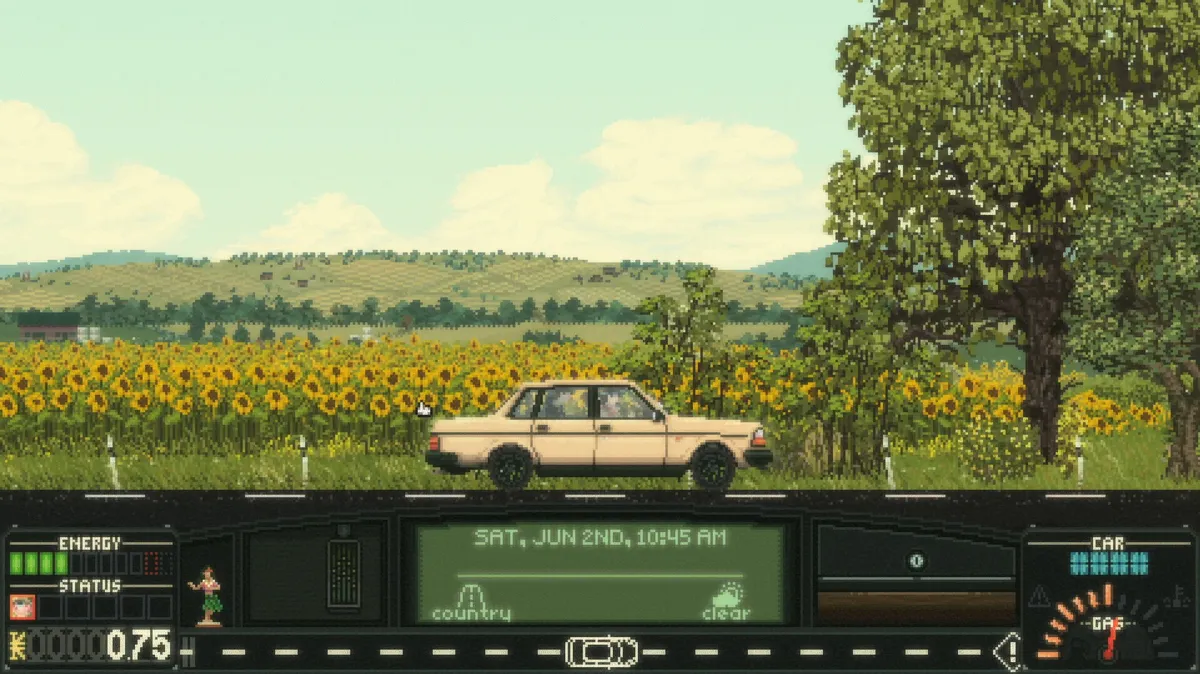
A game that I was shocked to see receiving zero Game Awards attention was the incredible Keep Driving, from Swedish developer Y/CJ/Y Games. It’s a road trip roguelike, where you, a punk-ass teenager in 90s America, attempt to drag your sorry vehicle across the country to attend a music festival. Along the way, you meet all sorts of strange hitchhikers and dilemmas and learn their stories whilst developing your own. There’s a number of possible endings to reach here, and the game doesn’t really have a strong opinion on which one is “True”. It’s a pretty hands-off experience that tells you how not to die and allows you to keep fucking up continuously until you’re digging through garbage in back alleys for a bump of cocaine that’ll keep you awake on the road until at least the next town over. It’s grimy, messy, and as soul-crushing as it is beautiful. There’s a gorgeous sincerity to the game, an unapologetic video-gameyness, which I really enjoyed. Also, the radio music goes ridiculously hard, and I had it blasting outside of the game all year round. It’s a really special title, and deserves a look if you’re interested.
Best Multiplayer
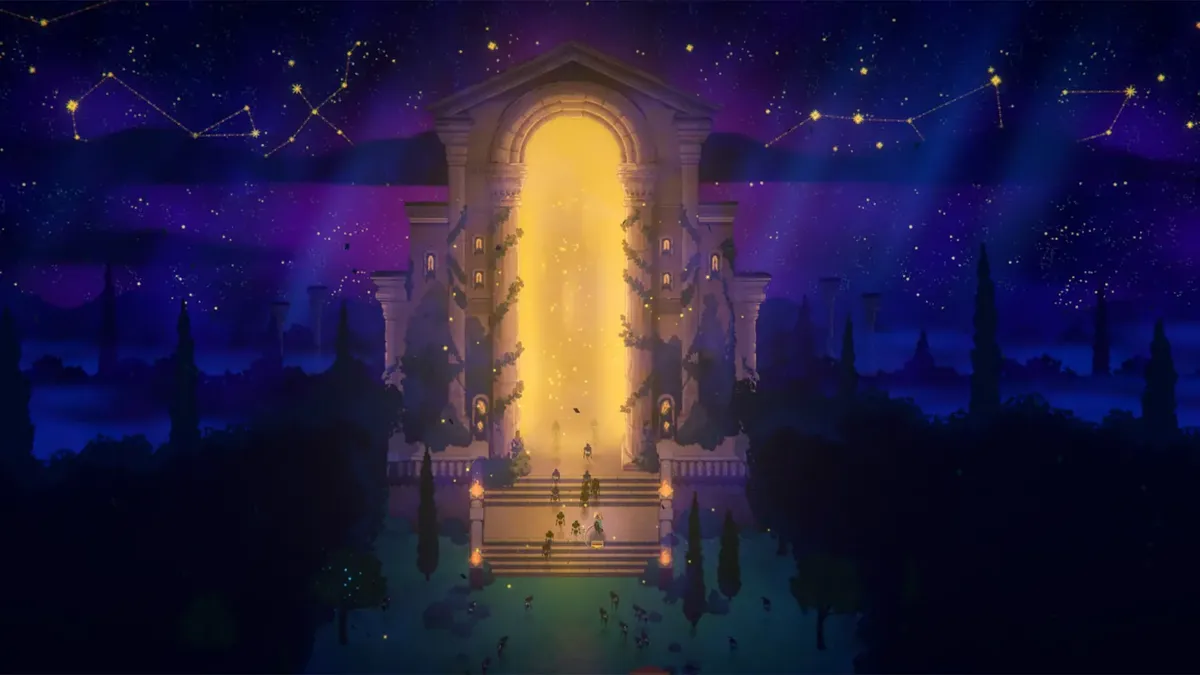
Admittedly, I’m not exactly a multiplayer aficionado. I’m a single-player, narrative-centred girlie, so when a multiplayer game grabs me, there’s usually a good reason.
Honestly, the most fun I had in multiplayer sessions this year was definitely Monster Hunter Wilds. This was the year I finally enjoyed a Monster Hunter, and a huge part of puzzling that out was the friends I played with along the way. James was my go-to MH BFF, of course, but I also played with other friends and even my brother at one point, and even though most everyone fell off the game way before me, it was still a blast just to be able to share that experience together. I have cool and funny shit we did seared into my brain now, and that’s not going away soon. So yeah, even though technically it could be considered a single-player game, I think the core of MH Wilds is so reliant on cooperation and shared community that it deserved recognition here. Certainly more so than, if you’ll allow me a petty jab, AI Slop Apologia Simulator Arc Raiders.
Also, I had a lot of fun with an early access game this year called 33 Immortals. The only reason I didn’t play this game more came down entirely to it being stuck on XBOX and the Epic Games Store, and when I stopped paying for Game Pass this year, I had no real way to play it. This sucks, because it’s a really fun time, and also suited beautifully to the Steam Deck. As soon as it gets a proper 1.0 release, assuming it comes out on more platforms, I will be happy to hop back in, because I enjoyed this one a lot. Visually, it’s just very cool, but I’m also a fan of the slower pace and focus on cooperation this game exhibits. It’s cool that the focus here is on simply surviving long enough to fight the final foe, because just being there is enough to strengthen the whole. It’s pretty sweet, and worth a try if you’re able!
Best Debut Indie Game
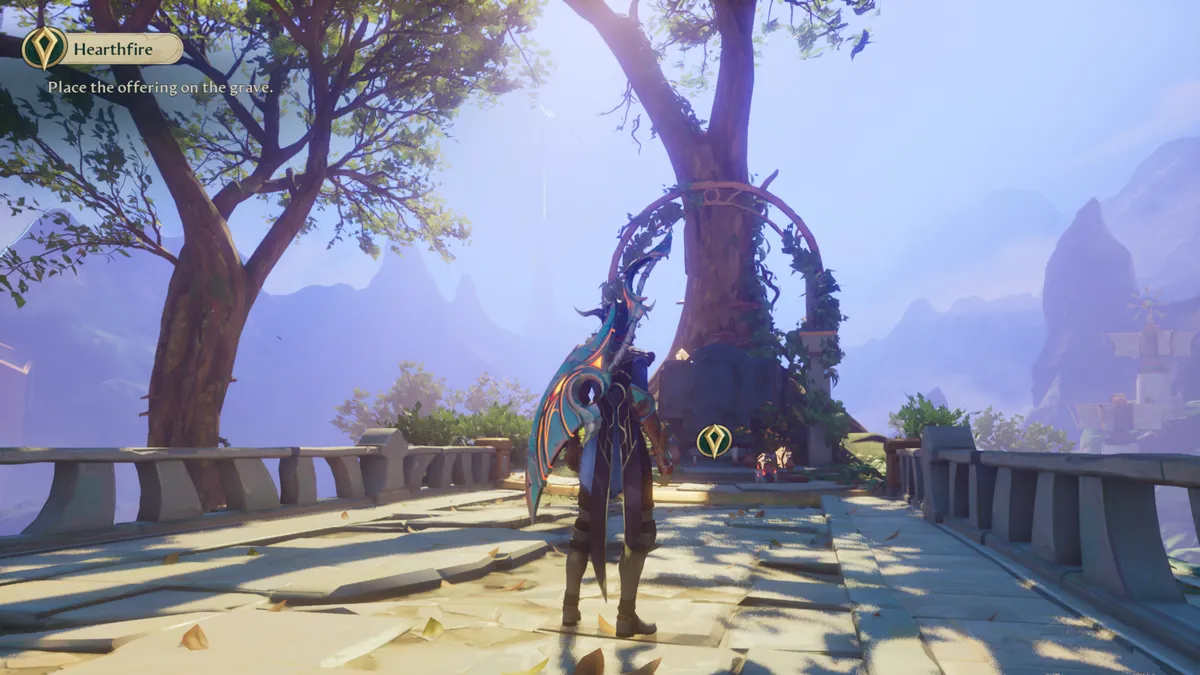
Well, I would be remiss were I not to shout out Eternal Strands a second time. It’s a pretty astonishing achievement in scale and ambition for a new studio to tackle, and I think it did so to great success.
Another debut indie from 2025 is also one of my absolute favourites. Wanderstop left such a profound impression on me after finishing it. Obviously, director Davey Wreden is not a new face in the gaming space - The Stanley Parable and The Beginner’s Guide make for an illustrious back catalogue - but his influence isn’t the sole factor in what makes Wanderstop work. It’s just so effective in its depiction and discussion of burnout, and a beautiful study of a protagonist, Alva, who desperately needs a break from the action. It’s a wonderful first outing for Ivy Road, and I wish them the world in whatever they do next. I’m glad it received recognition in the Games For Impact category!
Finally, I was obviously quite impressed by Adhoc Studio’s flagship title, Dispatch. As a Telltale Games veteran with a lot of love for these narrative-adventure games, I’d been excited for this one for a long time. Pair that with a recent fascination with comic books and superhero stories this year, spurred on by my love for Superman, and it’s fair to say Dispatch had the ball in its court. I quite liked it! It’s got an irreverent, sardonic tone that I appreciated, and I enjoyed the way its story rounded out in the end. There are some really memorable moments, and I feel compelled to go back for a second run through sometime, to make changes to some of my decisions (it should’ve been you, Blonde Blazer, I’m sorry). There’s stuff I don’t like as much; the fairly uniform female character designs are quite disappointing compared to the range of diverse body types and weirdness amongst their male counterparts, and in general the romance routes felt a little…fan-servicey? I like Robert as much as the next girl, but some scenes felt less like genuine conversations between human beings, and more so designed to titillate a presumed straight-male audience. It’s got hiccups, but nothing egregious, and in the end the whole package is a strong one that I’d ultimately recommend.
Best Indie Game
This is the meat and potatoes of the Game Awards for me, every year. All the most interesting games land between the indie categories, and this year was no different, but here’s what’s missing from the pile, and obviously we’re gonna get some repeats here.
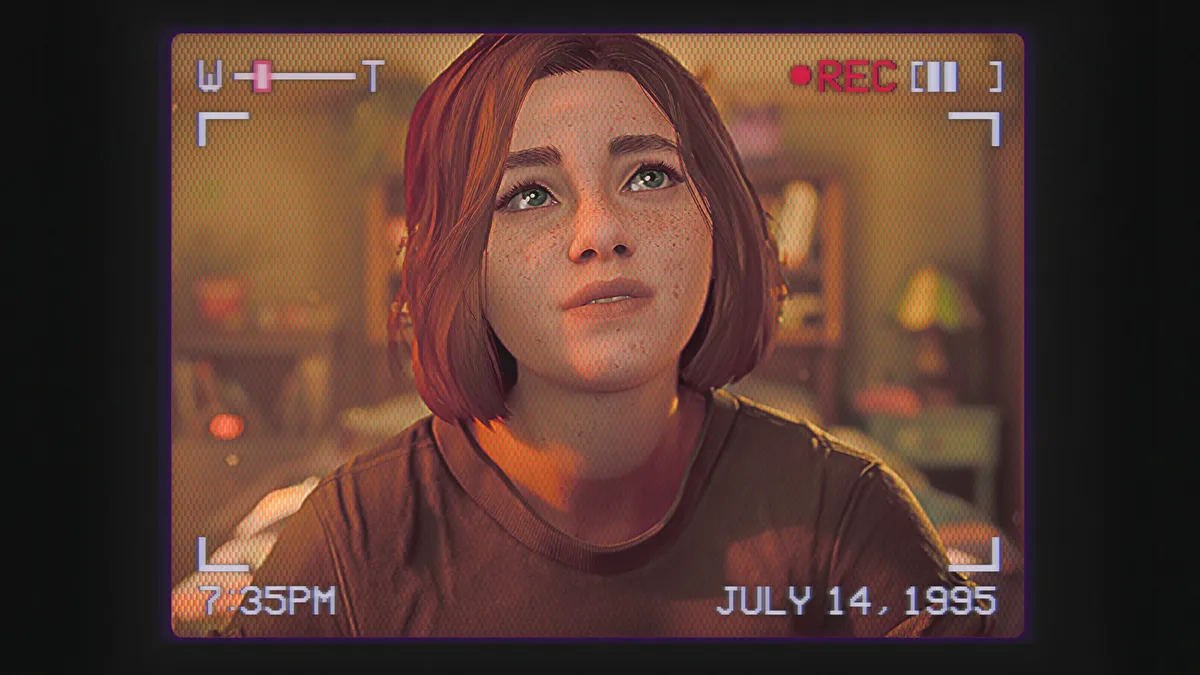
The clear snubs, to me, are Citizen Sleeper 2 and Wanderstop, but there’s also Sword of the Sea, Eternal Strands, and Keep Driving. However, since I’ve already talked about all of these, I’ll dedicate this spot to the wonderful Lost Records: Bloom & Rage. Of course, this one, like Wanderstop, did sneak its way onto Games For Impact, but I think it deserves a little more love. I think what struck me the most about Lost Records in the end was the confidence with which it delivers itself. I’ve written reviews about both halves of the game, and in the latter half, I talk about the endearing messiness of it. If Tape One is about the beauty of blossoming friendships over a summer break between a handful of closeted teenage friends, then Tape Two shows the tragic, yet almost inevitable, dismantling of those friendships when tragedy strikes. In a sense, it’s something of a feel-bad game, but in the name of saying something productive and honest about that specific type of experience. It’s really well written and unbelievably well acted, and in hindsight, I hold a lot of love for Lost Records.
Games For Impact
Another insanely nebulous category that doesn’t mean much, but I’m glad it’s there! A category for ages that are about something? All games are about something! I’m being facetious, of course, but it is a little silly. If the criteria is for games that provide representation or commentary on a marginalised community or a taboo or emotional topic, then Expedition 33, a game about grief and loss, could conceivably make the cut. I feel like most games should be about something important or meaningful, and the ones that do typically win the big awards. Regardless, I like the selection of nominations for this one, but here’s a couple others I enjoyed.
Eternal Strands has a companion quest line that turns into a nuanced and impactful exploration of OCD, told through the experiences and perspectives of people who live in a fantasy world where they don’t really have a word for that. They don’t name it outright, but the symptoms, and how they are shown to harm this companion greatly, do the work alone. It was a really effective and surprising inclusion in an otherwise action/adventure-oriented experience, and I’m glad it exists.
Citizen Sleeper 2’s regular commentary on identity and the experience of persecution inherent to being a robot in a world where you technically possess no material rights is deeply impactful, and leads to some of the strongest writing in any game I played this year. The final moments of that game, navigating the beauty of living in spite of the knowledge that everything will someday end, had a sincere effect on my perception of the world around me. If that ain’t a Game that Impacted, I don’t know what is.
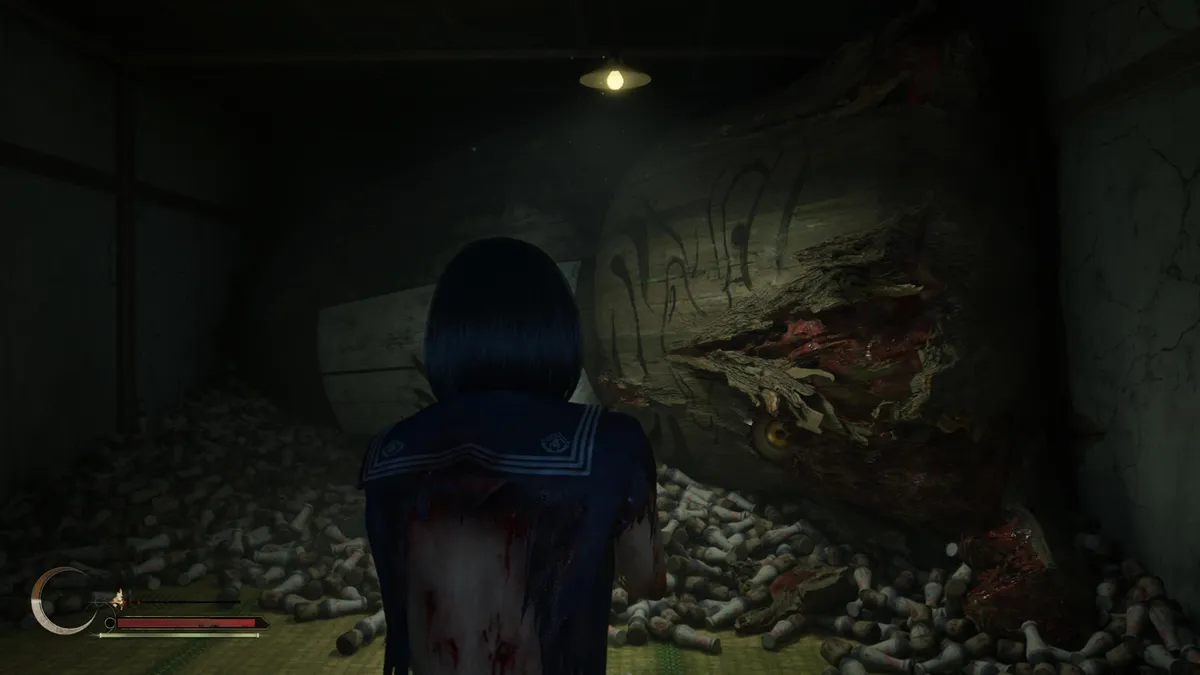
I think Silent Hill f also deserves merit for its depiction of gender roles, the subjugation of women in the 20th century, and the ways in which that treatment leads protagonist Hinako into madness. That game understands better than most prose the existential nightmare of living in a world that is simply not designed with you in mind, and the ways in which that corrupts the people within it who try desperately, sometimes in vain, to meet those impossible standards. Silent Hill f’s interpretation of this is harsh and uncompromising, but never to the point of mindless shock value. Everything within it is carefully considered and masterfully plotted out, and I came away from it with more complicated feelings than I expected to. It’s a story about womanhood and agency first and foremost, but its message is one that could just as easily be applied to any type of othering, such as queerphobia or racial discrimination. In a year where trans people like me in my country are being systematically erased from public life, to the point where it often feels like there’s no place for me in society, this story and the way it is told left an impact. Definitely check it out if you can.
Best Performance
I get a feeling that this one is going to have a lot to choose from, so I’m going to speed through my picks as best as I can. Before I do that though, three Expedition 33 nominations? Let’s be serious, guys. They’re good, but it’s just a bit rude, no?
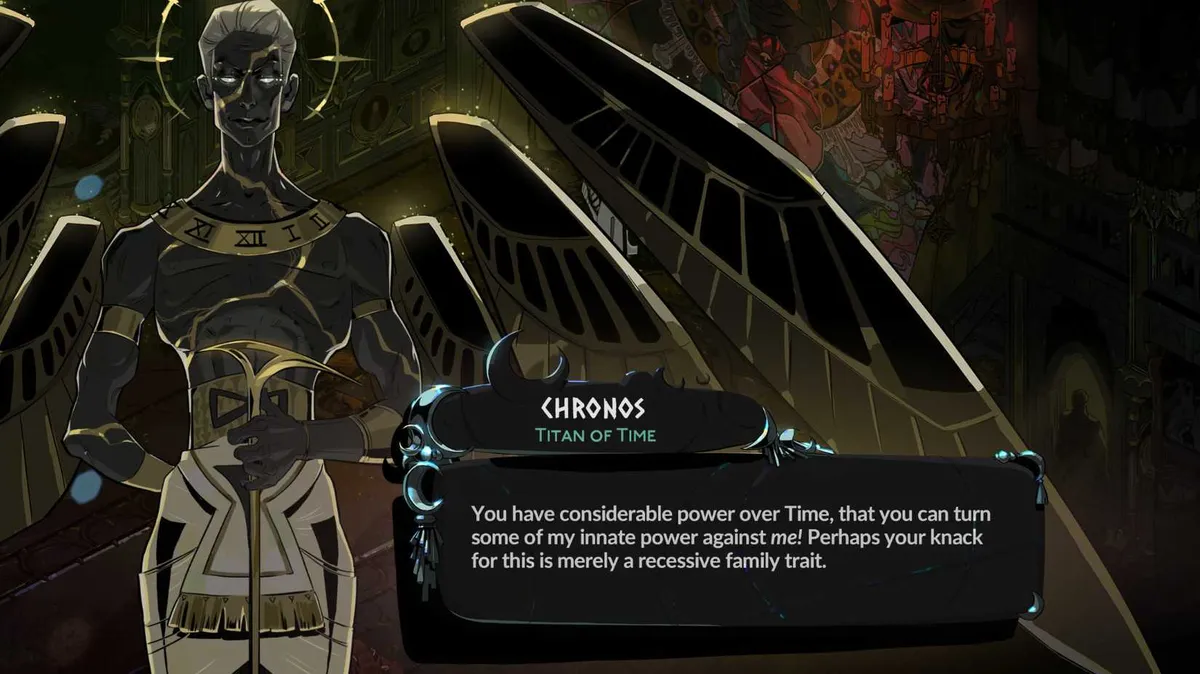
I think the standout sun to me was Logan Cunningham’s plethora of contributions in Hades 2, although I would specifically shout out his rendition of Chronos, the Titan of Time and most evil guy to ever exist. Great job Logan, you made that old bitch truly sickening to listen to. Other Hades 2 standouts include Amelia Tyler as Hecate, which did the incredible job of making me stop thinking of Baldur’s Gate 3 every time I heard her voice, which I think is a sign of a job well done. I’d also like to shout out Erin Yvette as Scylla and Darren Korb as Narcissus for making me laugh with literally every line they uttered.
Okay, I gotta speed things up. From Dispatch, we got both Aaron Paul and Laura Bailey giving standout performances, and Kingdom Come: Deliverance II brought with it the effortlessly likeable Henry and Hans, played by Tom McKay and Luke Dale respectively. I’m amazed at least one of two of them didn’t make the actual cut in the end. Eternal Strands’s ensemble cast means a whole host of great showings, including (in no particular order) Mei Mac, Robyn Holdaway, Rebecca Hanssen, Pandora Colin, Alex Jordan, James Phoon, Luyanda Unati Lewis-Nyawo, and Kris Laudrum. You can tell I’m bad at being selective.
Lost Records: Bloom & Rage played host to a quartet of lovable characters, made all the more wonderful by the phenomenal work of Olivia Lepore, Amelia Sargisson, Andrea Carter, and Natalie Liconti. Wrapping up the rest, there’s Debra Wilson’s intimidating Inquisitor Lödwyn in Avowed, Ronan Summers as the reliable detective Fabien in Vampire: The Masquerade - Bloodlines 2, and a special shout-out to Kimberley Woods’s Alva in Wanderstop. She doesn’t talk much, but when she does, it was very affecting.
Best Audio Design
I’m not much of an audio aficionado, but I do know when a sound makes my brain feel good, so here’s a handful of games that managed to achieve that in some way or another.
Sword of the Sea rides entirely on vibes, so it only makes sense that it would contain some pretty stellar sound design. There’s an attention to detail in which surfaces are being surfed on, as well as the various wooshes and swishes that come from pulling off tricks. The soundscapes are also vibrant and contribute to a world which feels tangible. Plus, if you’re looking for a delicious grind sound from sidling down a giant chain, this game has you covered.
In lieu of voice acting, Consume Me relies mostly on its ability to deliver visually, but sound plays a huge role in that as well. It seems like an obvious thing, but given the flow-state-y nature of this game, it’s absolutely essential that the sound design never becomes annoying or overstimulating when you’re cycling through menus and options at a rapid pace, and thankfully this never happens. A lot of the game’s overall charm does come down to how it sounds paired with its visuals, to evoke a cartoonish vibe that’s so easy to love.
Monster Hunter Wilds feels like an obvious choice here – so obvious that I’m amazed it didn’t make the cut in the real awards. The monsters sound like monsters, and the weapons land their blows with such a satisfying crunch. Not to mention, when you pull off some absolutely crazy play, the sound design tends to reflect that with a cacophony of sound effects that raise those dopamine levels. It’s strong the whole way round. Finally, while it almost feels like cheating to say a horror game did sound well, it’s still an art so kudos to Dead Letter Dept. for making me absolutely terrified in both its use of sound, and its withholding of it to create a hauntingly quiet atmosphere. Audio designers are evil!
Best Score and Music

My Spotify Wrapped this year, as it is every year, was utterly dominated by soundtracks. I’m an OST girlie, especially for my favourite games, and this year was no different. Admittedly, no other album managed to touch the Challengers soundtrack for me, but some of them got close, so here they are.
You would think that after crafting one of the most recognisable soundscapes in gaming with Minecraft, composer C418 would hang up his hat forever. He’s certainly earned that right, but thankfully he made a return to the world – and my playlists – with the gorgeous Wanderstop OST. This man wrote an eye (ear?) watering 125 songs for this soundtrack, and not only that, he decided to design an audio system that would detect where the player was in the environment and adapt the track playing to suit their situation. It’s all really impressive, and it helps too that the game’s credits track Farewell remains one of the most moving pieces of music this year. I highly recommend listening to it, even if you don’t play the game.
I mentioned Amos Roddy for his musical contributions to BALL x PIT, which are wonderful, but the soundtrack that stood out to me from him this year came from the phenomenal Citizen Sleeper 2. The whole album is excellent, but the track Imagined Futures, and specifically the way the audio begins to static out near the end is so impactful, especially given the context of its placement in the game. I get teary eyed on occasion when I listen back to it.
In the realm of reliable composers who produce banger results no matter what they’re working on, Austin Wintory is something of a contemporary legend. He worked on Eternal Strands and even assisted with some of the overworld segments of Hades 2, but my favourite from him this year came in Sword of the Sea. I’d like to specifically shout out Sacred River, which evoked emotions in me I struggle to describe even now. A beautiful game, and a beautiful soundtrack to match.
I can’t go without mentioning, once again, Monster Hunter Wilds, composed by Miwako Chinone. The grip that Rey Dau’s theme had on myself and James from the moment we heard it all the way until now is the kind of spiritual shit that we’ll probably be reminiscing on decades from now. Also, I’ve got to shout out Dispatch and its surprisingly catchy workplace vibes, courtesy of Andrew Arcadi.
Finally – and I realise I’ve been in this category for so long but there are so many choices! – I’d like to shout out South of Midnight, which predictably fell out of contention for any major categories due to how stacked the year became, but if you take anything away from that game, let it be Olivier Deriviere’s genuinely astonishing and endlessly creative soundtrack. It’s difficult to pick just one track from the roster when they’re all so good, but the one that comes to mind right away is The Tale of Two-Toed Tom. Please please PLEASE do yourself a favour and give it a listen.
Best Art Direction

Game visuals can take a lot of forms, arguably even more than film, so it’s hard to pin down exactly what sets art direction apart. Wow, it’s almost like picking a winner from a list where the visual language of each game is so different is kinda silly! Anyway, let’s do exactly that.
Wanderstop stands out to me right off the bat. The little tea shop is so charming and filled to the brim with cute details, and the ever-changing scenery matches whatever tone the game is going for perfectly every time. Citizen Sleeper 2 is quite workmanlike in its approach, given that the game is pretty crunchy and systems-driven and the environments very mechanical, but the character portraits are gorgeous and the dice UI is basically iconic at this point, at least to me.
Sword of the Sea is self-evidently stunning, given the studio’s reputation for such things. Even so, every time they do it, it’s an astonishing achievement, so onto the list it goes! South of Midnight is also an absurdly good-looking game, which is good when that is the thing it was sold on. Its attempt to emulate stop-motion animation pays off really nicely, and gives the whole game a hand-sculpted kind of feel that’s pretty hard to match.
Despelote gets an easy shout-out from me for looking so unique, but its visuals style is also so evocative, capturing that feeling of childhood innocence beautifully. Herdling gets a mention for the absolutely adorable creatures you shepherd throughout the game who I need to hug more than words can possibly describe. Finally, Consume Me gets another feather in its cap for having such a distinct look and feel. It’s an endlessly funny game, and that comes down mainly to its visuals and the bizarre ways its protagonist decides to engage with basic household tasks. I unironically think about Consume Me when I do my own chores, and it helps me finish them. I wish I was kidding. I’m 26 years old!
Best Narrative
Ooh mama, we’ve made it to the big three! At least, I think they’re the big three. They’re big to me! Best Narrative is usually the category that annoys me the most, because it tends to be occupied by – and here’s where I put on my reductive critic hat – ‘movie games’. That is, games with a lot of cutscenes telling their tales in fairly conventional ways. That doesn’t make them bad stories necessarily, but I do wish there was a more diverse palate of storytelling methods to pick from. Elden Ring is a good example of a game story told unconventionally, and it deserved a nomination for that. So, here’s my attempt to highlight a variety of games which tell stories uniquely, I think.
Perhaps the one that proves my point the worst, since it is essentially a visual novel at many points, is Citizen Sleeper 2. In saying that, the game has some of the most compelling prose I have ever read, in a game or elsewhere, so it’s worth a mention. In some ways, it’s a messier product than its predecessor, but god, some of the payoffs are truly spectacular. It’s a story less about an ongoing plot – though that is there and strong – and more so concerned with the collection of vignettes which tie together to define your journey, and what it means to you as an individual. When the ending came around, I felt like I wasn’t ready, but at the same time, learned to be okay with that.
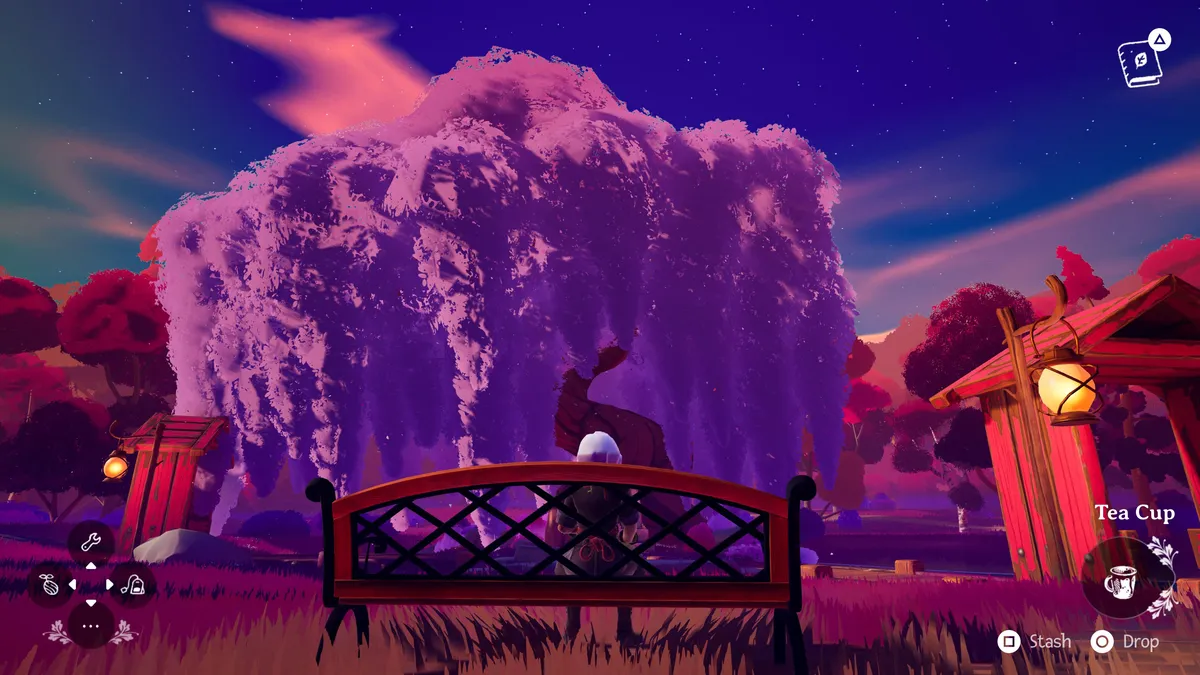
Speaking of games I never wanted to end, Wanderstop is all about hoping you reach a point where you’re able to be done with it. It’s a deceptively simple story about burnout that branches in a number of directions to paint the vivid and multifaceted picture that is protagonist Alva’s tumultuous life. There are moments in Wanderstop that felt so intimate, so intensely relatable, that it almost felt like I wasn’t supposed to be present. Beats from this game are quiet and considered, yet effortlessly seared into my brain, probably forever. Not to mention, it’s clever how the game’s message of taking time and being patient is informed so well by its gameplay loop of low-stakes tea brewing and light decorating. I love it dearly.
Eternal Strands took over my life quite easily in January, and that was all to do with the writing. Like I said before, I love these characters. I talked about that subplot where someone struggles with OCD symptoms, but there’s also another’s crippling desire to live up to their parents, and a couple navigating the troubles in their relationship as circumstances change irreversibly around them. This game is so rich with stories that inform a wider world of dilemmas to unravel, and it all works in tandem so beautifully. It’s well worth the journey.
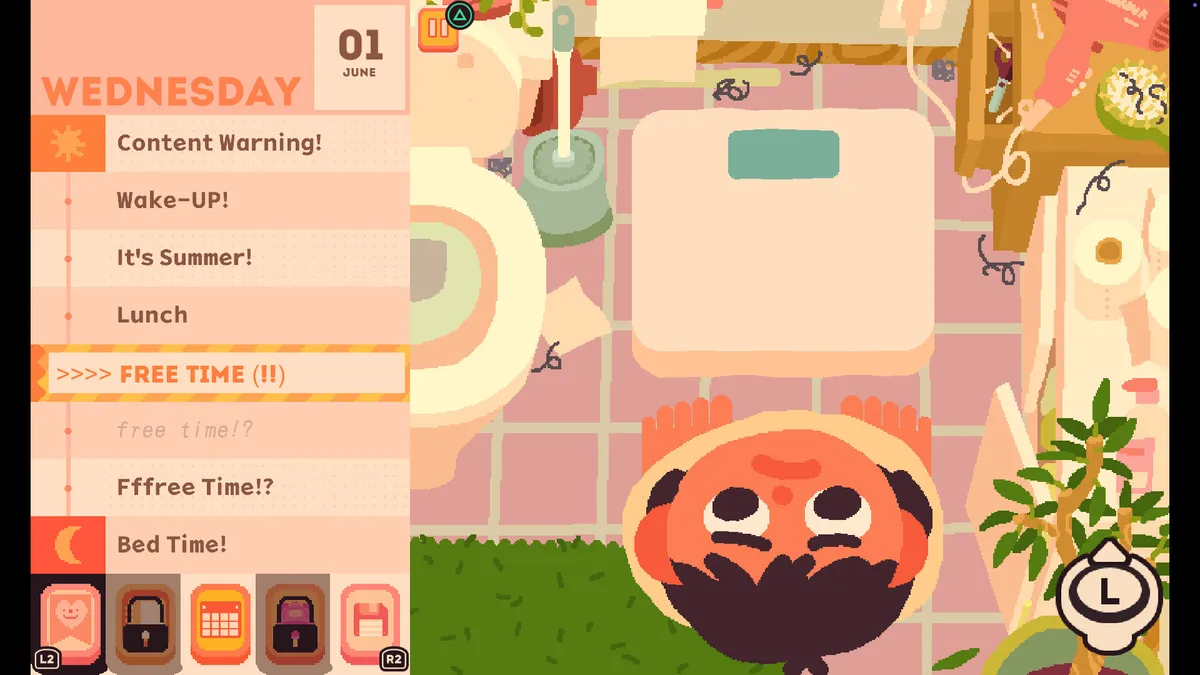
If we’re talking about a game that is ludonarrative cohesion incarnate, where gameplay and story are virtually interchangable, then look no further than Consume Me. Being a person who is alive, I know the stress that comes with existing and trying to maintain a consistent lifestyle, and Consume Me manages to tighten the screws just enough to make later stages feel legitimately impossible to overcome, until you are playing a game about being the least healthy, most exhausted human alive on the brink of killing themselves. It’s pretty much effortless, and a prime example of a story told beautifully through gameplay.
Best Game Direction
Admittedly, I’m no expert when it comes to this particular category, so I’m going to shout out games that just flow really nicely, where all the pieces come together to form a magical whole.
Consume Me is the obvious pick for the reasons I already stated in the last section, but it’s also just a really satisfying package in the way it all turns out. I was already a fan, but I love the direction it takes towards the end, and the sentiment it ultimately lands on. It’s a very sweet game that’s left more of an impact than I initially realised. A very cool game!
Since I haven’t shut up about it for a whole year now, I might as well throw Citizen Sleeper 2 in here for consistency’s sake. It’s a beautiful story told to perfection, but it’s also an impressive exercise in tension and gradual mastery. Just like the first game, the core loop involves deciding where best to invest your pool of dice. Maybe you work a shift to get some credits, so you can afford food and recover your energy, but if you do that, you might be missing out on gathering intel for a possible job opportunity. All the while, a timer ticks down for your pursuers to catch up, so whatever you do, it needs to be smart. There’s a constant feeling of progression in Citizen Sleeper 2, but also the unshakeable sense that no matter what you do, you have to sacrifice something, and it’s that emotional ebb and flow that makes it so engaging. It comes together so effortlessly that it’s hard to believe a single person designed it.
Out of all the games I’ve played in 2025, Despelote felt the most explicitly directed. It’s a tight 90 minutes or so, and despite being a deliberately meandering and relaxed experience, it cannot help but feel expertly coordinated all the same. The last third of the game is so evocative, and captures a feeling I doubt even the developers expected when they started designing this game. That being said, I feel like it takes a good director to harness that surprise and create something beautiful out of it, so it earns a place here.
Finally, Capcom deserves credit for wrangling a game as enormous and complicated in scope as Monster Hunter Wilds and somehow streamlining it into an effortless experience. As someone who bounced off the previous two Monster Hunters due to their high skills ceilings and deeply obtuse systems, I was surprised by the level of ease with which I fell into Wilds, from beta to full release. If anything, I’d argue the game could do with loosening its grip on the wheel just a touch, and letting its world breathe a bit more. One of my favourite aspects of MH World was the slow, methodical buildup to hunts, tracking down the target, and soaking in the luscious environments. That’s more or less lost in Wilds, but if it means I finally dig into the game properly, perhaps it’s worth sacrificing in the end. Either way, great game!
Game of the Year
Okay, so here’s my issue: I don’t want to spoil my personal game of the year picks, because there will undoubtedly be a future post which rounds them all up as I do every year, and I don’t want to get ahead of myself for that. Not to mention, I haven’t played all the games I want to yet! Considering this, I’ve decided to simply list all the games I really, really liked from this year in alphabetical order (which aren’t already nominated, obviously) and that’s how we’ll round out this post which took, quite frankly, too long to write up. Without further ado, here are my picks for Game of the Year. Eat your heart out, Keighley!
- BALL x PIT
- Citizen Sleeper 2: Starward Vector
- Consume Me
- Despelote
- Eternal Strands
- Elden Ring: Nightreign
- Keep Driving
- Lost Records: Bloom & Rage
- Monster Hunter Wilds
- Silent Hill f
- Sword of the Sea
- Wanderstop
And there you go. Enjoy the Game Awards, and look forward to our end of year list, hopefully at the end of the year!
[#2025 Games](https://thereisnosleep.bearblog.dev/blog/?q=2025 Games) #Features [#Rhianne Ward](https://thereisnosleep.bearblog.dev/blog/?q=Rhianne Ward) [#The Game Awards](https://thereisnosleep.bearblog.dev/blog/?q=The Game Awards) [#Video Games](https://thereisnosleep.bearblog.dev/blog/?q=Video Games)