Yale scientists identify some psychological benefits of magic mushrooms
Researchers are gaining interest in the effects of psilocybin, a psychedelic compound found in about 200 species of mushrooms, on psychiatric disorders.
Michelle So 2:15 am, Nov 10, 2025
Staff Reporter
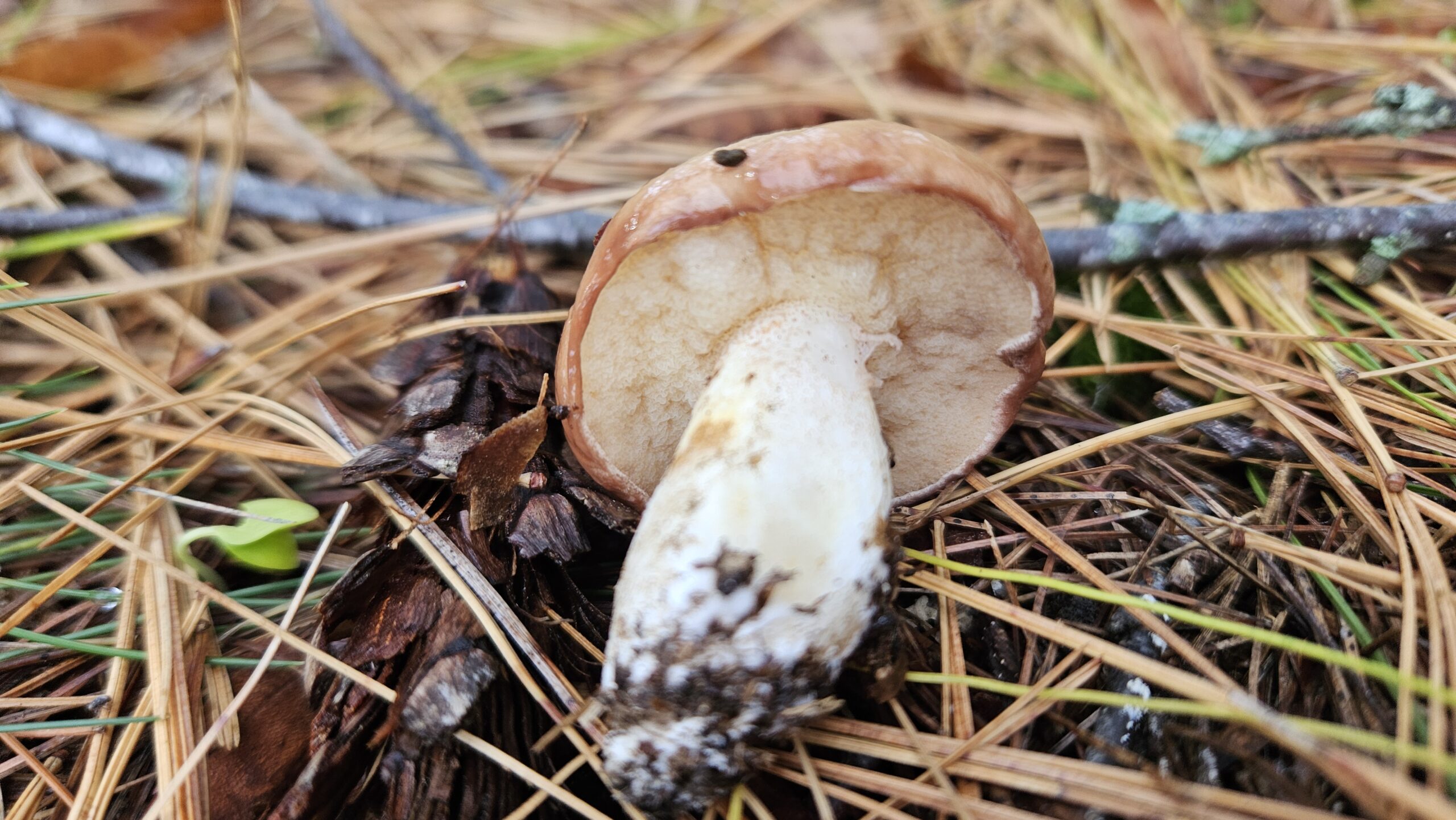
Michelle So, Contributing Photographer
Researchers at the Yale Program for Psychedelic Science and beyond have been exploring whether or not psilocybin, a hallucinogenic compound derived from mushrooms, can be used as a treatment for psychiatric disorders...
Yale scientists identify some psychological benefits of magic mushrooms
Researchers are gaining interest in the effects of psilocybin, a psychedelic compound found in about 200 species of mushrooms, on psychiatric disorders.
Michelle So 2:15 am, Nov 10, 2025
Staff Reporter
Michelle So, Contributing Photographer
Researchers at the Yale Program for Psychedelic Science and beyond have been exploring whether or not psilocybin, a hallucinogenic compound derived from mushrooms, can be used as a treatment for psychiatric disorders.
Psilocybin is a psychedelic drug that occurs naturally in around 200 species of mushrooms, which are sometimes called “magic mushrooms.” The small organic molecule is similar in structure to serotonin, the “feel good” compound, and acts in the brain by binding to certain serotonin receptors to mimic that good feeling.
“We’re interested in whether they can help with the symptoms of psychiatric disorders,” Christopher Pittenger ’94 GRD ’94, a psychiatry professor and the director of the School of Medicine’s Program for Psychedelic Science, wrote in an email to the News. “We’re also interested in how psilocybin and other psychedelic drugs affect the brain in both animal and human studies, and in what their dramatic effects can tell us about normal brain function and the relationship between brain activity and mental experience.”
During Pittenger’s studies on psilocybin’s impact on obsessive-compulsive disorder, often called OCD, most participants experienced disorientation, alterations in sensation, strong emotional memories and feelings of connection or of dissolving.
According to Pittenger, some participants described having spiritual or religious experiences. Afterwards, participants generally felt tired and bore an enduring feeling of emotional warmth, connectedness or insight that could last days or weeks, Pittenger wrote. Some participants experienced a marked decrease in the psychiatric symptoms that brought them to the clinic in the first place, he added.
“While under the influence of psilocybin, people can be quite vulnerable, both physically and emotionally,” Pittenger said. “Some psilocybin ‘trips’ can be emotionally quite overwhelming, and this can have enduring negative consequences.”
According to Pittenger, his team helps study participants manage any bad “trips” to turn them into positive experiences.
The use of psychedelic mushrooms has become popularized, leading to increased recreational use and an uptick in law enforcement seizures of psilocybin mushrooms. Psilocybins and other psychedelics are federally classified as Schedule I drugs, which have no accepted medical use and have high potential for abuse.
But, according to researchers, there is little evidence that psychedelics are addictive, and this classification has made conducting research difficult because the process of obtaining permission and clearances for the mushrooms prevents some researchers from pursuing the subject.
“So to do these kinds of studies, you need the approval from the Drug Enforcement Agency, the U.S. FDA, and your local institutions, such as the Yale Institutional Review Board, or, in my case, the VA hospital has its own ethics committee,” Deepak D’Souza, a psychology professor, said in an interview. “Collectively, these processes may take two years. If you’re a junior investigator with fresh ideas about how you want to study these drugs, two years will make or break your career.”
Like Pittenger, D’Souza has researched different drugs, including ketamine, amphetamines, nicotine and tetrahydrocannabinol — a substance known as THC and found in cannabis — and has been looking into new treatments for psychiatric disorders.
Anahita Bassir Nia, a psychiatry professor, believes psychedelics are promising but need more data. She is researching the effects of psychedelics for the treatment of post-traumatic stress disorder, depression and alcohol use disorder. Previous studies have produced positive reports after a few doses, but Bassir Nia says more information is still needed.
“This study is ongoing, and we are expecting to have the results by next year,” Bassir Nia wrote in an email about her current research. “Although more studies are needed to replicate these results and address the limitations, these compounds may provide new therapeutic options for these psychiatric disorders.”
Like other researchers, D’Souza discourages curious individuals from any recreational use of the drug. The carefully curated setting of a clinic controls external factors in ways that home use doesn’t, he said.
“I would be very very concerned about recreational use of these drugs without adequate medical or psychiatric supervision,” D’Souza said. “When we do research studies with psilocybin, it’s in a hospital setting with doctors monitoring blood pressure and vital signs. We are providing psychotherapy. That package is very different from using psilocybins in your room with your friends.”
Psilocybin is legal in two states: Oregon and Colorado.
MICHELLE SO
Michelle So is a beat reporter for the SciTech desk, covering climate change and the School of the Environment. Originally from Los Angeles, California, she is a sophomore in Timothy Dwight College majoring in Ecology and Evolutionary Biology.