What is Brutalist Web Design?
The term brutalism is often associated with Brutalist Architecture, however it can apply to other forms of construction, such as web design. This website explains how.
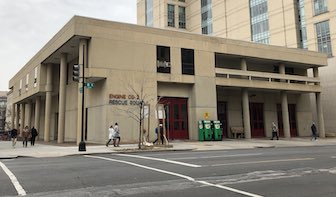
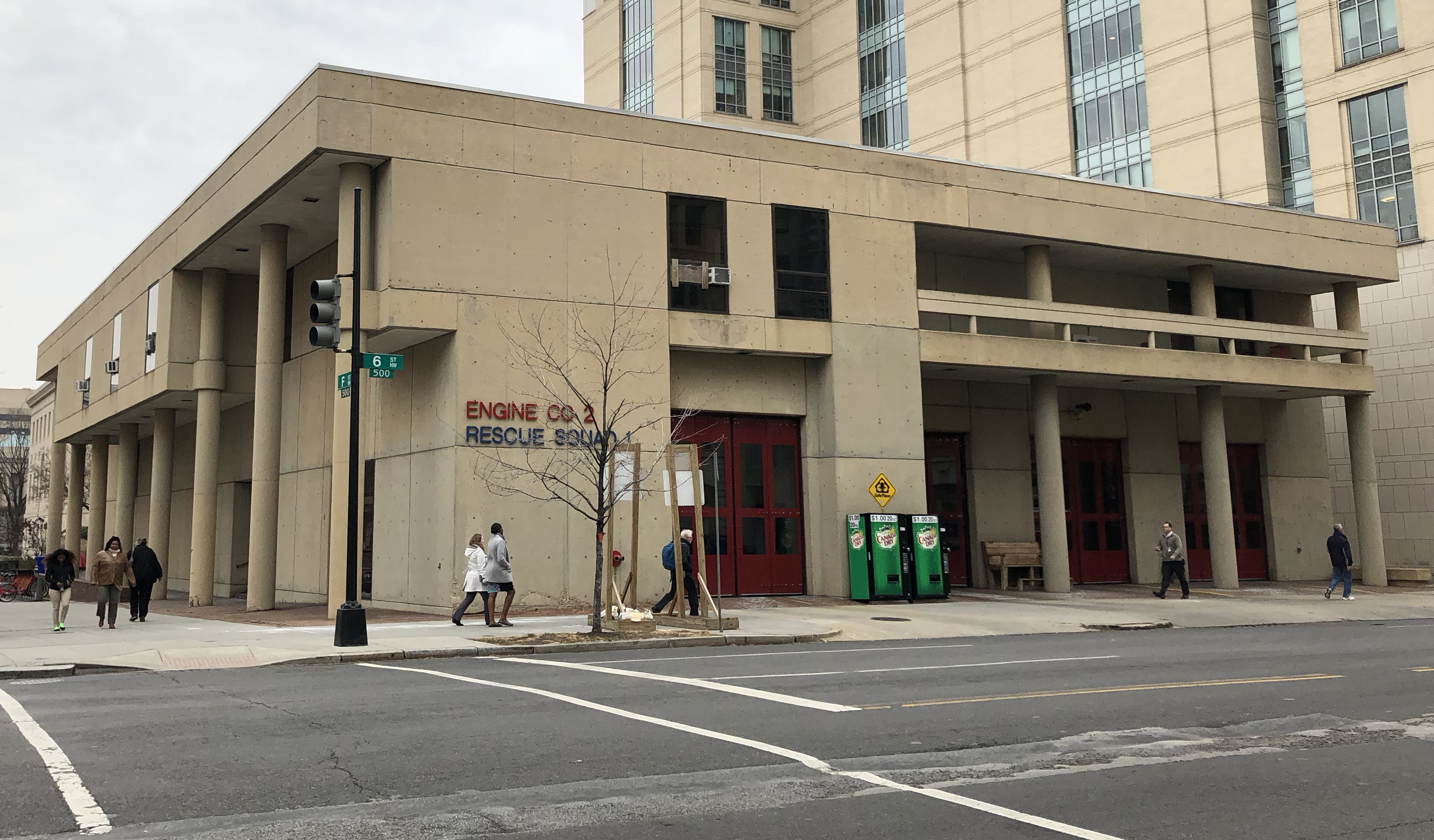
The term brutalism is derived from the French béton brut, meaning “raw concrete”. Although most brutalist buildings are made from concrete, we’re more interested in the term raw. Concrete brutalist buildings often reflect back the forms used to make them, and their overall design tends to adhere to the concept of truth to materials.
A website’s materials aren’t HTML tags, CSS, or JavaScript code. Rather, they are its content and the context in which it’s consumed. A website is for a visitor, using a browser, running on a computer to read, watch, listen, or perhaps to interact. A website that embraces Brutalist Web Design is raw in its focus on content, and prioritization of the website visitor.
Brutalist Web Design is honest about what a website is and what it isn’t. A website is not a magazine, though it might have magazine-like articles. A website is not an application, although you might use it to purchase products or interact with other people. A website is not a database, although it might be driven by one.
A website is about giving visitors content to enjoy and ways to interact with you.
The design guidelines outlined above—and detailed below—all are in the service of making websites more of what they are and less of what they aren’t. These aren’t restrictive rules to produce boring, minimalist websites. Rather these are a set of priorities that put the visitor to your site—the entire reason your website exists—front and center in all things.
Detailed Guidelines for Brutalist Web Design
Below is a detailed look into each of the guidelines listed above. As with all artistic constraints while you may find them frustrating, you should also find them inspiring.
Content is readable on all reasonable screens and devices.
Most websites exist to deliver content for you to consume, either words (such as on this site), or images, such as on Pinterest. To be true to that nature, the content must be readable in all browsers. Some screens are very large, while others are very small. Some browsers, such asscreen readers, have no screen at all.