
Delivering Results
Design is far more than form or function. It’s the tangible expression of a brand’s identity, values, and promise. While a brand defines what a company stands for, design gives those aspirations form and substance. Design uniquely delivers value: visually, physically, and experientially.
At ThinkNext Design, every creation begins with empathy and seeks purpose. We look to understand not just what people need, but what they desire. Whether crafting something entirely new or reimagining the familiar, our work blends aesthetic restraint with purposeful clarity.
The result is innovative design that resonates emotionally, performs beautifully, and endures as a reflection of the brand behind it. More than 200,000,000 ThinkPads have been sold since 1992, and still counting. That didn’t happen by accident.
Design Innovation Gallery
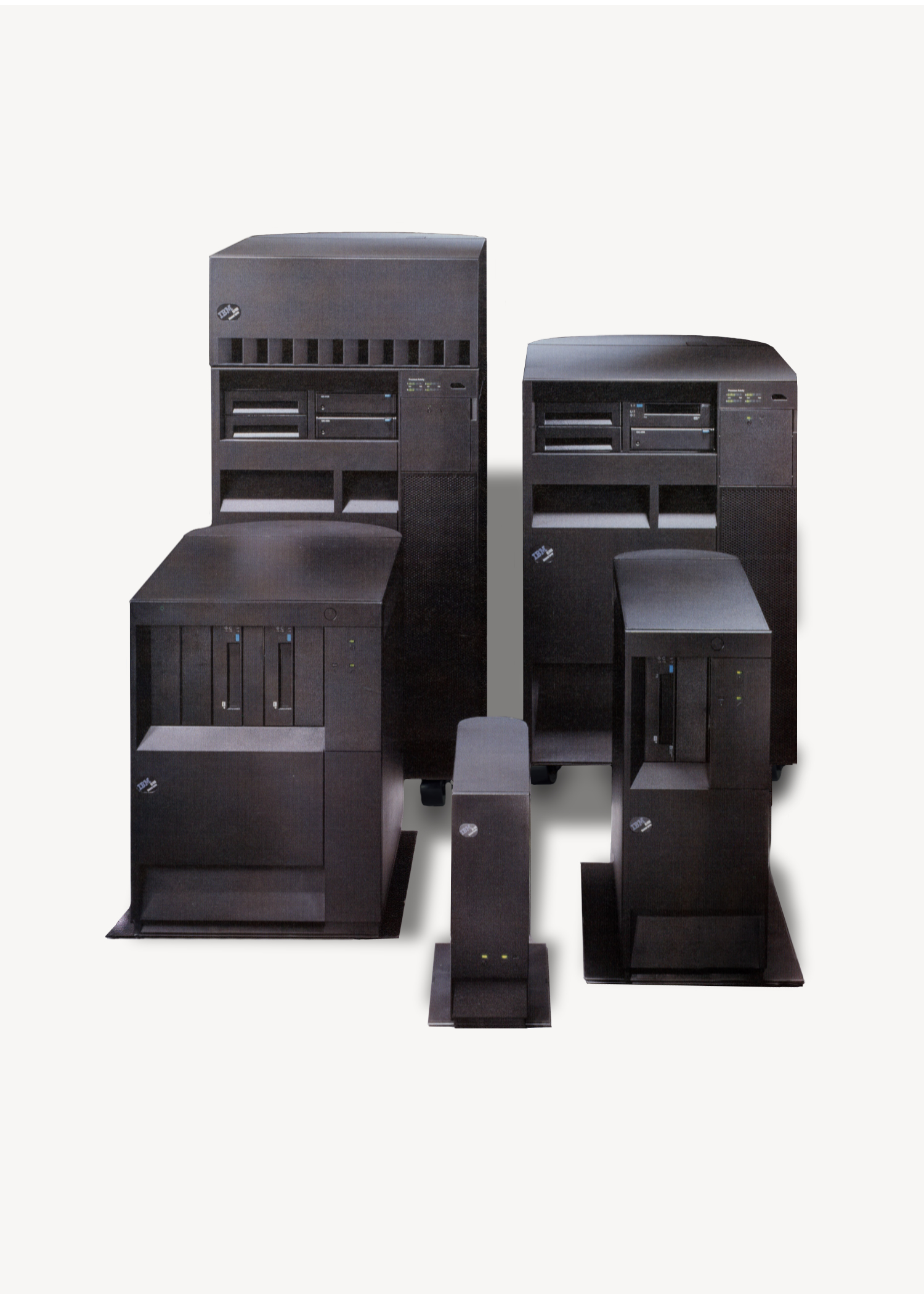
IBM AS/400 Advanced Series
1994
By the early 1990’s, the original IBM AS/400 product line was rapidly losing market share due to a growing perception that the product family employed outdated technology, and was highly overpriced. David led a strategic design initiative to recast that image via a sweeping change that would forever reposition the status quo.
The resulting award winning design featured stark black enclosures, dramatic air inlets, and simple yet powerful forms. This was a striking contrast to the putty colored neutral appearance that had come to dominate not only the IBM server products, but the entire industry. Following the series introduction, AS/400 Division revenues jumped by a double-digit percentage. Comments of yesterday’s technology were quickly replaced by associations with objects such as the innovative F117a stealth fighter.
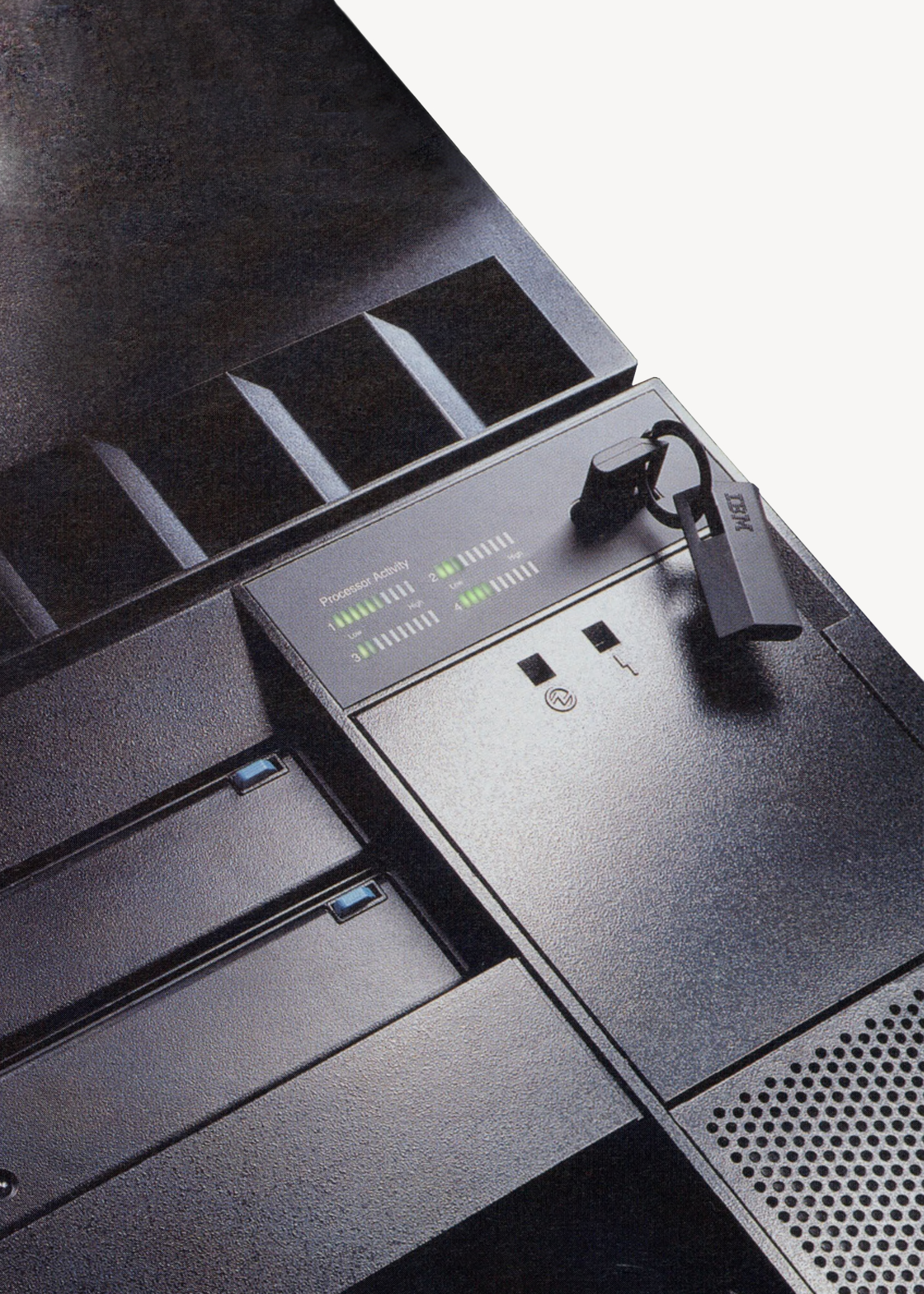
IBM AS/400 Advanced Series Security Keystick
1994
AS/400 systems had a control panel that included special functions that were designed to only be accessed by authorized operators. Restricted access was achieved using a traditional stainless steel keylock mated to a rotating electric switch. Without the key only basic functions could be operated. Unfortunately the assembly was very costly and the metal key/lock was a source of potential electrostatic discharge. The security keystick eliminated the dated and flawed assembly entirely. Inserting the asymmetrical key enabled access to the restricted functions, cost a fraction of the previous solution and eliminated the ESD issue altogether.
IBM ThinkPad TrackPoint Caps
1997