The Bamum syllabary was invented in 1896 by King Ibrahim Njoya of the Bamum, and is also know as Njoya’s Alphabet. The king collected numerous manuscripts containing the history of his people, and used his script to compile a pharmacopoeia, to design a calendar, and to keep records and for law. He also built schools, libraries and set up a printing press.
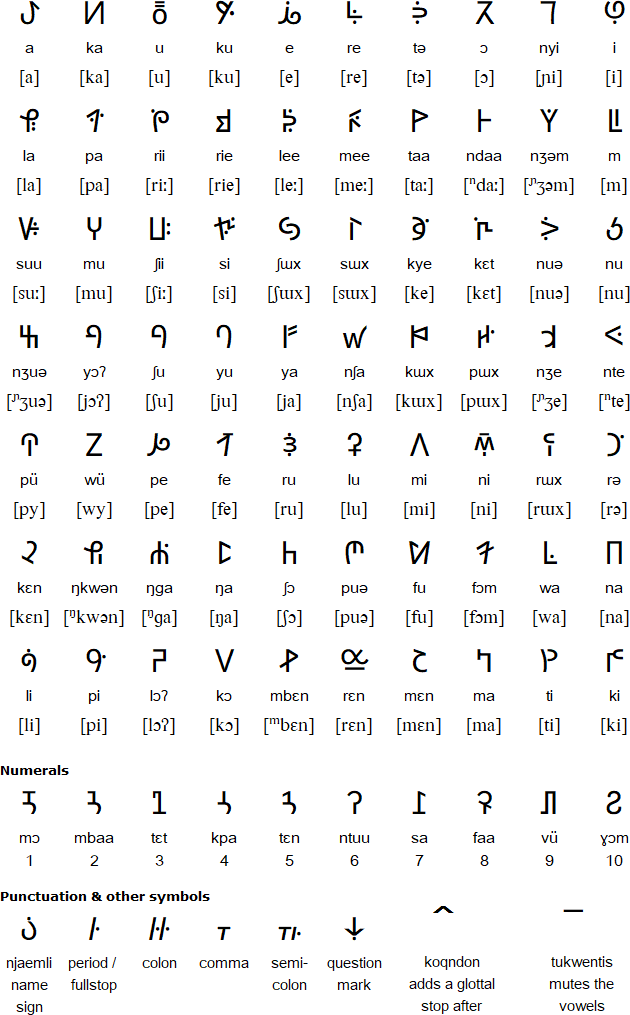
The first version of the script including 465 symbols, but King Njoya simplified a number of time until it included 73 syllablic signs and 10 numerals. Tone indicators can be added to the signs if necessary.
After part of Cameroon came under French control in 1919, the libraries and the printing press were destroyed, many of the books in the Bamum script were destroyed, and the teaching of the script in schools was banned. After Cameroon became independent in 1960, Nyoja’s son and heir, Seidou Njimoluh, collected such Bamum manuscripts and other materials that survived and put them in his father’s museum.
The Bamum Scripts and Archives Project, set up in 2007, is trying to revive the Bamum script by teaching it to young people.
Notable features
- Type of writing system: syllabary
- Writing direction: left to right in horizontal lines
- Used to write: Bamum, an Eastern Grasslands spoken mainly in Cameroon
- To write some Bamum syllables combinations of syllable signs are used
- The name sign introduces proper names, or changes the meaning of a word
Bamum syllabary (A-ka-u-ku)
Download script charts for Bamum (Excel)
Sample text
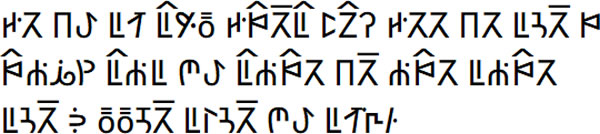
Transliteration
Pe na mvé ngù pùen nyütu pô te mbe kù ghèt ngàm pua’ ngùene ngùe mbe te wùme nsebe pua’ pa mféé kèt.
Translation by Samuel Calvin Gbetnkom, provided by Charles Riley
Translation
All human beings are born free and equal in dignity and rights. They are endowed with reason and conscience and should act towards one another in a spirit of brotherhood. (Article 1 of the Universal Declaration of Human Rights)
Videos about the Bamum Syllabary
Information about Bamum | Bamum Syllabary | Phrases | Numbers