Despite its dark tone, Send Help (2026) is surprisingly accessible. It fully earns the label “dark comedy,” delivering humour that cuts deep without ever feeling forced. While its premise is undeniably familiar, the film proves that even the most overused setups can feel fresh when handled by a skilled director, Sam Raimi.
Synopsis (No spoilers)
The story follows Linda, a middle-aged woman who appears awkward and unassuming, yet is a survival-skills nerd at heart. She works in strategy for a global big 500 company in the world and has devoted herself relentlessly for seven years.
Her flawless performance puts her on the verge of a major promotion to executive vice president—until everything collapses. After the company’s CEO suddenly dies, his indifferent and ent…
Despite its dark tone, Send Help (2026) is surprisingly accessible. It fully earns the label “dark comedy,” delivering humour that cuts deep without ever feeling forced. While its premise is undeniably familiar, the film proves that even the most overused setups can feel fresh when handled by a skilled director, Sam Raimi.
Synopsis (No spoilers)
The story follows Linda, a middle-aged woman who appears awkward and unassuming, yet is a survival-skills nerd at heart. She works in strategy for a global big 500 company in the world and has devoted herself relentlessly for seven years.
Her flawless performance puts her on the verge of a major promotion to executive vice president—until everything collapses. After the company’s CEO suddenly dies, his indifferent and entitled son, Bradley, steps in, determined to push Linda out and take her place.
While travelling together on a business trip to Thailand, their plane crashes into the ocean. Linda and her insufferable boss are the only survivors, washing ashore on a deserted island. From that moment on, the film’s bitterly ironic story truly begins.

Rachel McAdams as Linda Liddle in 20th Century Studios’ Send Help. (Photo courtesy of 20th Century Studios)
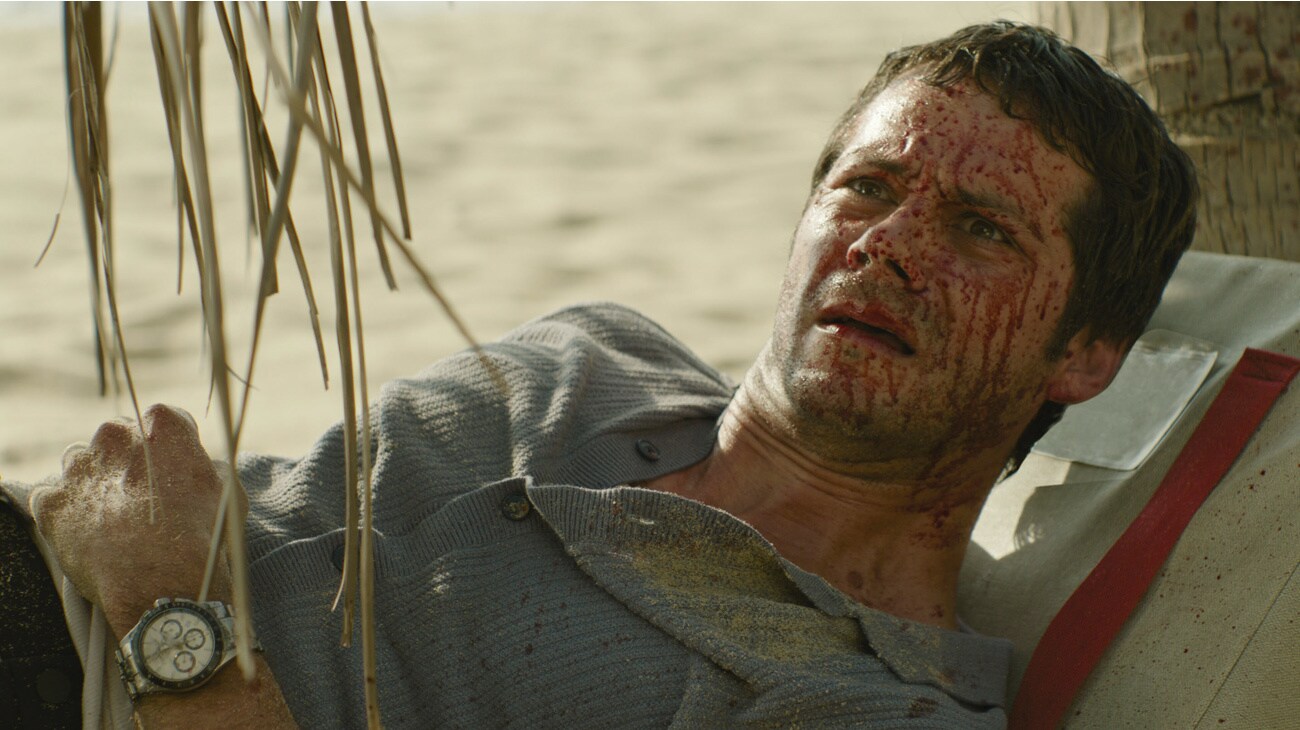
Dylan O’Brien as Bradley Preston in 20th Century Studios’ Send Help. (Photo courtesy of 20th Century Studios)
Review (spoilers)
One of the film’s biggest strengths is its efficiency in storytelling. The first ten minutes are more than enough to establish the toxic power dynamic between the two characters. The director knows exactly what he wants to say and wastes no time on unnecessary exposition, quickly transporting the audience into the survival narrative on the island.
The early island sequences are genuinely enjoyable. Watching Linda put her survival expertise into action—finding food, building shelter, securing fresh water—creates a strong sense of momentum. In contrast, her boss is helpless, injured and still clinging to an inflated ego, which only makes him more infuriating to watch. This imbalance naturally aligns the audience with Linda.
What Send Help needs no help
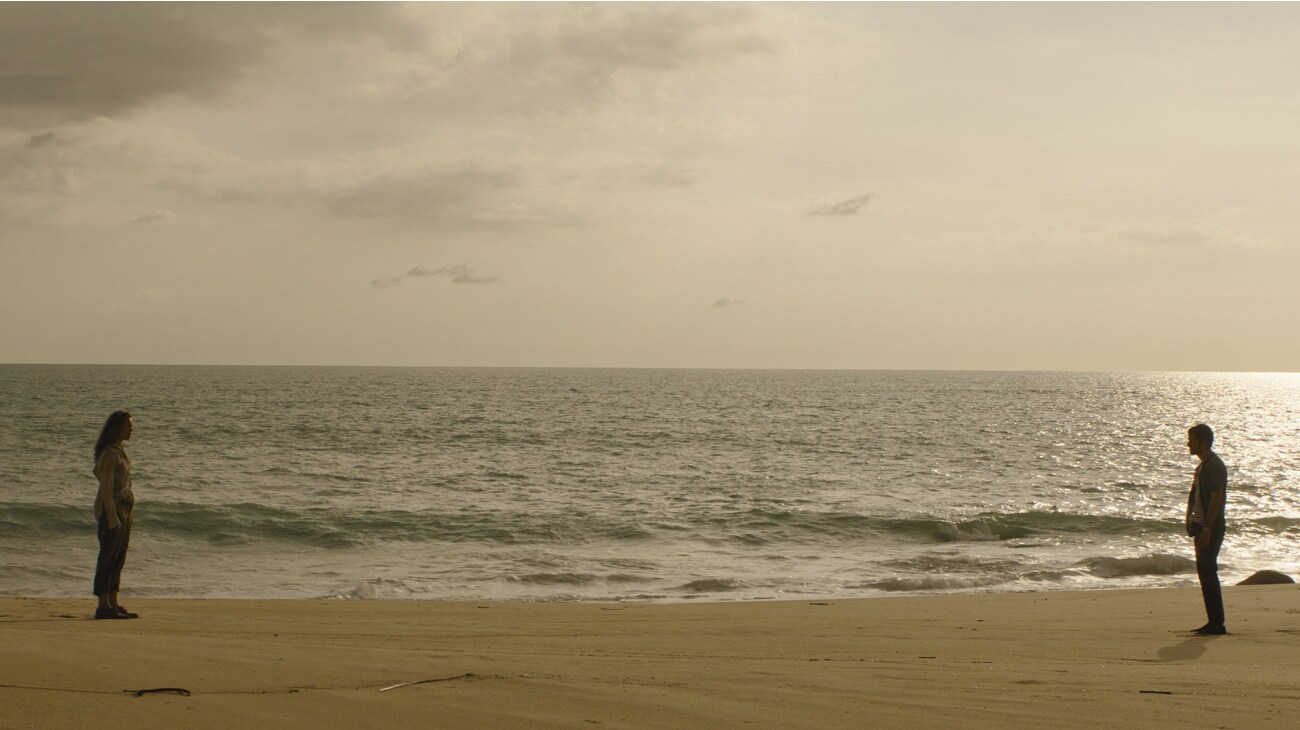
Linda Liddle and Bradley Preston in 20th Century Studios’ Send Help. (Photo courtesy of 20th Century Studios)
Visually, Send Help stands out. The camera work— unique and fast zoom-ins, zoom-outs of characters faces or surprises consequent in the movie , deliberate panning, unique cutting choices and spinning camera technique — feels distinctive and highlights the signature of the director. It gives the movie a clear stylistic identity.
The jump scares deserve praise as well. They are used sparingly but effectively, supported by solid build-up and timing that genuinely elicit reactions in the theater.
Perhaps the most intriguing element is the film’s slow cultivation of distrust. The audience initially roots wholeheartedly for Linda, but as the story progresses, her actions begin to feel unsettling. By the end, the film leaves us questioning whether her choices are truly justified—or merely another form of control.
The part that needs help
However, what initially works eventually becomes the film’s weakness. The middle section leans too heavily on repetitive survival beats and relationship development, causing the pacing to drag.
There were moments when I found myself thinking: Why is this taking so long? and When does the story actually turn?
The film attempts to build toward a major shift in their relationship, but the conflict itself never feels serious or credible enough to generate real tension. Deep down, the audience knows certain outcomes are unlikely, which makes it hard to fully invest emotionally.
One particularly questionable example involves the boss—who has shown zero survival skills—suddenly constructing a flimsy raft, drugging Linda, and attempting an escape. The sequence unfolds exactly as expected, undercutting any sense of danger or suspense.
The hook
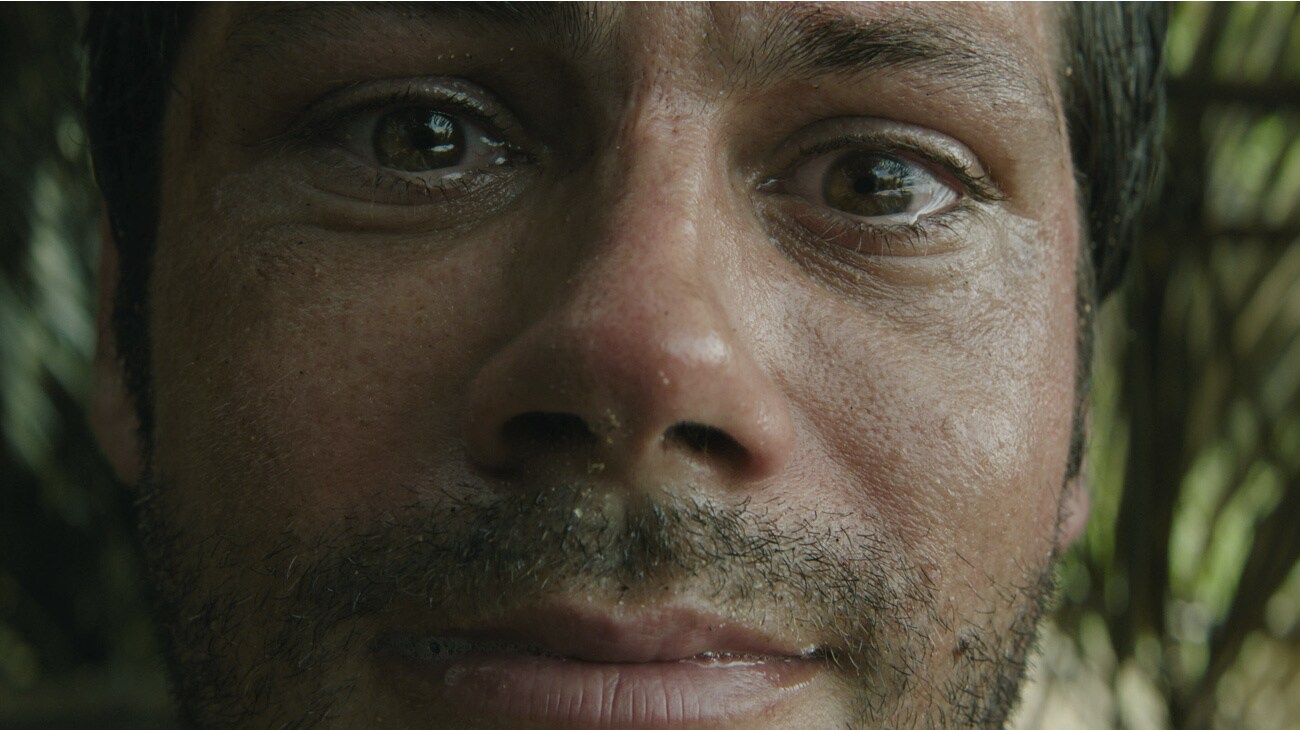
Bradley Preston in 20th Century Studios’ Send Help. (Photo courtesy of 20th Century Studios)
The true hook arrives late in the film, perhaps too late, and not quite in the way I might anticipate.
The story abruptly pivots from surviving nature to surviving each other, shifting into near-slasher territory. The dynamic flips entirely, with one character gaining total control while the other becomes prey. This section is undeniably entertaining, driven by tension and the sheer curiosity of what might happen next.
That said, while effective, the climax never quite reaches the intensity it seems to promise.
The ironic lesson

Send Help starring Dylan O’Brien and Rachel McAdams. (Photo: 20th Century Studios)
In Send Help, the character development is intentionally stagnant. Despite the harrowing ordeal of being washed ashore, both protagonists remain fundamentally the same people they were before the disaster.
Bradley, in particular, remains the same "terrible person" from beginning to end. He never truly appreciates Linda’s help. Instead, he continues to play dirty games and seizes every opportunity to take advantage of her. His trajectory suggests a cynical truth: that nature cannot be changed, regardless of the severity of the situation.
Similarly, Linda’s nature is rooted in self-sacrifice, a trait she carries both before and after the crash. While the shift in her environment pushes her to the brink, it takes nearly the entire film for her to realise she holds the better cards. It is only in the final 10% of the movie that she finally stops being the prey and embraces the role of the predator.
Final verdict
For me, Send Help lands at a 7/10 movie.
It is an entertaining and engaging watch, ideal for a casual movie night, but not a must-see masterpiece. The main issue lies in its uneven pacing, which feels closer to a 10–80–10 structure across its three acts.
Still, if you are in the mood for a dark comedy with a cynical edge and a touch of psychological tension, Send Help is well worth your time.